59° and Light rain
Image



MINNEAPOLIS, MN (August 11, 2026) Minnesota voters are casting ballots Tuesday in a statewide primary that will determine which candidates advance to the November 3 general election.
The ballot includes competitive races for governor, U.S. Senate, congressional districts, state legislative seats and several county and municipal offices. Local primaries are also taking place in Brooklyn Park, Brooklyn Center and other communities where the number of candidates must be reduced before November.
Polling places are scheduled to remain open until 8 p.m. Voters who are in line by the closing time are allowed to cast a ballot.
Minnesota also permits eligible residents to register at their polling place on Election Day. Voters may confirm their registration, locate their polling place and view a sample ballot through the Minnesota Secretary of State’s Office.
Primary ballot rules
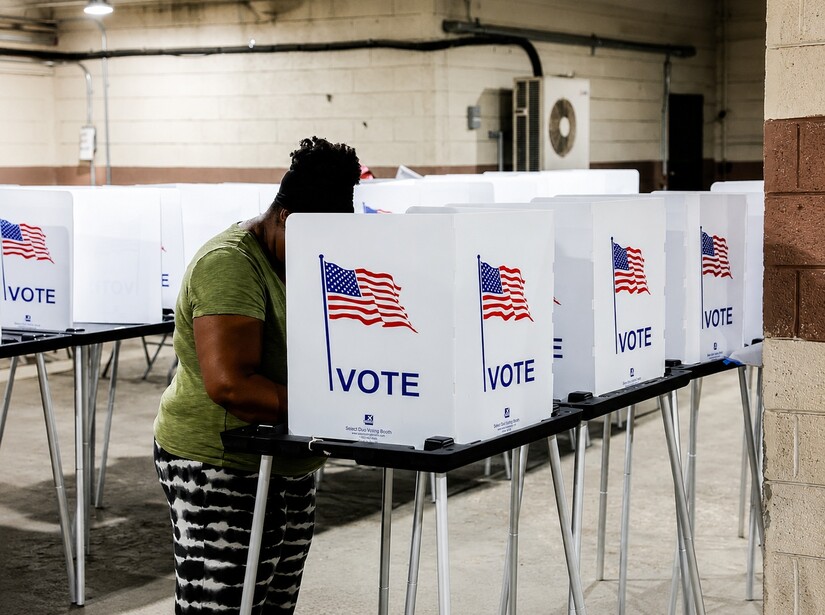
Minnesota does not require voters to register with a political party. However, voters participating in the partisan portion of the primary must remain within one political party’s column.
A ballot containing votes for candidates from more than one political party may result in those partisan selections not being counted.
Nonpartisan contests, including certain county, city and school-board elections, may appear on the reverse side of the ballot. Voters can participate in those races regardless of which party column they choose on the partisan side.
In nonpartisan primaries, the candidates receiving the most votes generally advance to the general election. The number advancing depends on the number of positions being filled.
Major statewide contests
The election includes prominent contests for governor and for the U.S. Senate seat being vacated by Sen. Tina Smith.
Democratic voters are considering candidates seeking their party’s nominations, while Republican voters are deciding several competitive contests involving endorsed candidates and challengers who have built independent campaign organizations.
The results could test the influence of party endorsements, prominent national figures and competing ideological factions within both major parties.
Several legislative incumbents also face challenges from within their own parties. Although some of the districts strongly favor one party in November, Tuesday’s outcomes could influence the membership and internal direction of the Minnesota Legislature.
Local races carry direct consequences
For voters in Minneapolis and surrounding Hennepin County communities, the race to succeed retiring Hennepin County Attorney Mary Moriarty is among the most consequential nonpartisan contests.
Brooklyn Park voters are narrowing the fields for mayor and the East District City Council seat. Brooklyn Center voters are also selecting finalists for local offices.
Those local outcomes will affect public safety, housing, development, municipal spending and other decisions that often have a more immediate effect on residents than national politics.
Election-night totals are unofficial until they have been reviewed and certified through the canvassing process. Close races could also be affected by late-reported precincts or ballots requiring additional review.
Official voter information:

Local stories matter. Subscribe free to MinneapoliMedia and receive independent news, community reporting and important updates from Minneapolis, the North Metro and communities across Minnesota.
SUBSCRIBE FREE: https://minneapolimedia.town.news/subscribe
MinneapoliMedia | Community. Culture. Civic Life

Overcast, with a high of 63 and low of 56 degrees. Overcast in the morning, light rain shower in the afternoon, overcast overnight.