50° and Patchy rain nearby
Image




By Tom Akaolisa, Editor
MINNEAPOLIS, MN (October 5, 2026).
“Finally, finally, I got to see you.”
That was how the conversation with Evon Inyang began after an invitation, a missed email and the ordinary scheduling adjustments that precede so many interviews. The relief was mutual. Before MinneapoliMedia could formally welcome her to The Power of Her, Inyang was already expressing gratitude for being invited.
“Thank you so, so very much for thinking about me and for this opportunity,” she said. “I’m truly, truly grateful.”
The gratitude traveled in both directions. Inyang had been following MinneapoliMedia on LinkedIn, responding to stories, leaving comments and supporting the publication’s work. Her name became familiar before her personal story did. As her work came more clearly into view, so did the reason to invite her.
Inyang is a Minnesota Licensed Associate Marriage and Family Therapist, founder of ForwardUs Counseling and creator of the Re|Pair™ Framework. She works with couples navigating pregnancy, postpartum life, premarital preparation, recurring conflict, fading intimacy, changing family roles and the difficult question of whether a relationship can or should continue.
Her particular concern is what happens between partners after a baby arrives. The public celebration may be abundant, but the relationship itself can disappear beneath exhaustion, new responsibilities, shifting identities and an invisible household workload that one partner may carry without acknowledgment.
After listening to that introduction, Inyang paused only long enough to say, “Wow.”
Then came the question that begins every meaningful Power of Her conversation, not what a woman has accomplished, but who she was before the titles accumulated around her.

Before we talk about ForwardUs Counseling, your clinical training or the Re|Pair™ Framework, I would like to begin with you, the woman behind all of that work. Where did your story begin? What was your upbringing like, and what did your family, West African heritage and Minnesota roots teach you about love, marriage, responsibility and community?
Inyang described herself as a daughter of the African diaspora in Minnesota. She came to the United States from Nigeria when she was approximately six or seven years old. Her mother is from Cameroon and her father is from Nigeria, and she retained strong connections to both sides of that heritage while growing up in Minnesota.
“That identity shapes everything that I do,” she said.
Her family’s journey, the resilience she witnessed and the ways people showed up for one another became foundational to her understanding of care. But those lessons existed alongside another reality. Black families and couples were often underserved in perinatal mental-health spaces, and their experiences were not always represented with sufficient cultural understanding.
When Inyang founded ForwardUs Counseling, one of her central intentions was to build a place capable of holding what she called “the full complexity of Black family life” during transition. That complexity includes joy, pressure, cultural obligations, intimate conflict and the systems that can make an already demanding season more difficult.
She initially described herself as bicultural, then expanded the thought. Her life encompasses her African heritage, her American identity and the distinct experience of growing up in Minnesota.
“It’s almost that tri-cultural experience that I really bring into the room,” she said.
For clients who rarely see themselves reflected in perinatal care, representation can affect whether therapy feels foreign or familiar.
“There’s something to be said about sitting across from someone that looks like you, someone that sounds like you, someone who can have the same humor and with whom you can share that same cultural context,” Inyang said.
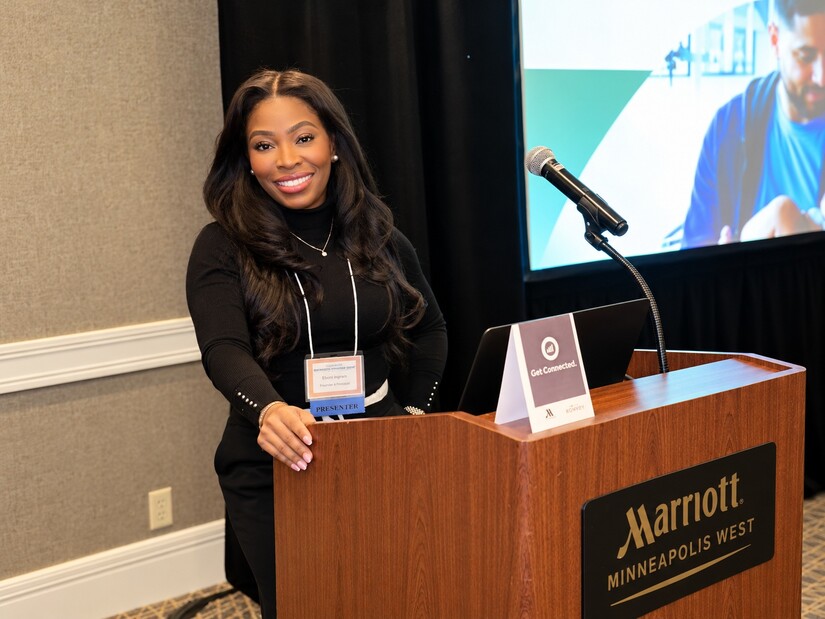
You had already built what many people would consider a successful corporate career, yet you reached a point when the titles, accomplishments and outward appearance of success no longer felt like enough. What was happening inside you, and what finally gave you the courage to leave a familiar career and begin again in marriage and family therapy?
The corporate world taught Inyang how systems function. It taught her organization, efficiency and how institutions move work from one point to another. She became good at operating in that environment.
Competence, however, was not the same thing as purpose.
“I was really good at my job, but I was not moved by it,” she said.
The distinction stayed with her. She wanted work that affected people directly and left something behind beyond professional accomplishment. She also carried her own experience of seeking therapy after growing up in a family where emotions were not discussed freely and difficult matters could be swept under the rug.
“Often, as Africans, as Black people, mental health is not something that we talk about,” she said.
In clinical practice, she began meeting couples who possessed many of the qualities needed to build a strong life together but had not been equipped for the radical changes that accompany parenthood and other major transitions. They had love and commitment, but not necessarily the language, preparation or practical tools to understand what was happening when the relationship changed.
The work Inyang had been seeking became clearer.
“I realized that I had been waiting my whole career for work that truly mattered for me,” she said. “I wanted to leave behind a legacy.”
She had spent years being good at work that no longer felt consequential to her. Therapy offered another possibility.
“Let me be good at something that actually moves people,” she recalled thinking, “that brings people together, that gives people guidance.”
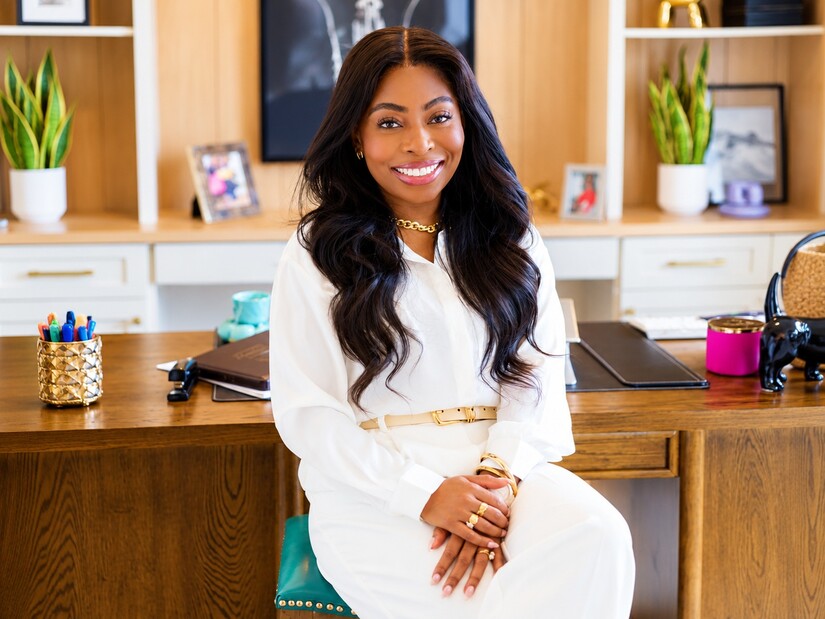
When you entered the therapy profession, you were entering a field in which relatively few practitioners looked like you or shared your cultural background. What did you encounter as a Black woman of West African heritage, and how did those experiences influence the kind of therapist and practice owner you decided to become?
The disparity appeared early. In graduate school, Inyang said, there were often only one or two other students who looked like her.
Being one of the few carried a responsibility she did not take lightly. Conversations about families, trauma and mental health could unfold without the presence of people who shared the lived experiences under discussion. Inyang felt compelled to advocate for the people who were absent.
“At every point in time, I felt a great sense of responsibility to always advocate for those that were not in the classroom,” she said, including their perspectives, experiences and trauma.
That awareness influenced the therapist she became. It also deepened her appreciation for what can happen when a client does not have to translate every cultural reference before the therapeutic work can begin.
Her African heritage, American identity and Minnesota upbringing allow her to recognize different expectations about marriage, family privacy, emotional expression and community responsibility. They also allow her to challenge practices that create silence without dismissing the cultures from which those practices emerged.
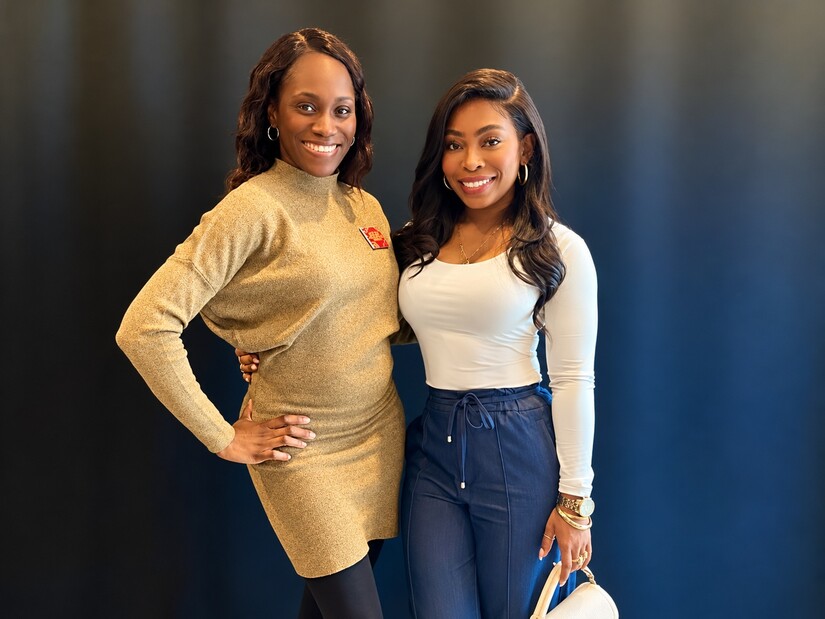
What did you begin seeing in your work with couples that convinced you there was a particular need for ForwardUs Counseling? Was there a recurring problem, conversation or moment that made you realize couples needed something different from the support they were receiving?
Inyang returned to the moment when a baby arrives.
“Everyone floods in with congratulations, and they flood in with gifts,” she said. “Nobody stops to ask, ‘What’s happening between two people that are now tasked with raising a tiny human being together?’”
The transition can produce role confusion, unspoken resentment, loss of connection and a reordering of nearly every priority in the household. The couple may be surrounded by people and still experience those changes in isolation.
The cultural story surrounding childbirth compounds the problem. A baby is supposed to create happiness. When parents instead feel overwhelmed, frightened, angry, disconnected or grief-stricken over the life they had before, they may assume that something is wrong with them.
“There’s a lot of shame around a lot of those feelings you might have after having a baby because society assumes that you should be happy,” Inyang said.
The postpartum conversation often leaves out the relationship and can also leave out men and other non-birthing partners. Changes in emotional needs, sexual intimacy, identity and mental health remain difficult to name, especially when every visible sign suggests that the family should be celebrating.
“The postpartum period is one of the most vulnerable times for a relationship, and still we treat it like the relationship should just automatically survive it,” she said. “It won’t, not without deliberate intention around it.”
Then she offered the sentence that most clearly describes the urgency behind her work.
“We celebrate the baby while the relationship is quietly drowning.”
Inyang does not regard postpartum strain as a test that strong relationships automatically pass. She sees it as a season requiring deliberate and informed navigation.
“Nobody tells you that the person you chose to build a life with can feel like a stranger after a baby arrives until it finally happens,” she said. “Then you realize, ‘Oh my gosh, nobody warned you.’”
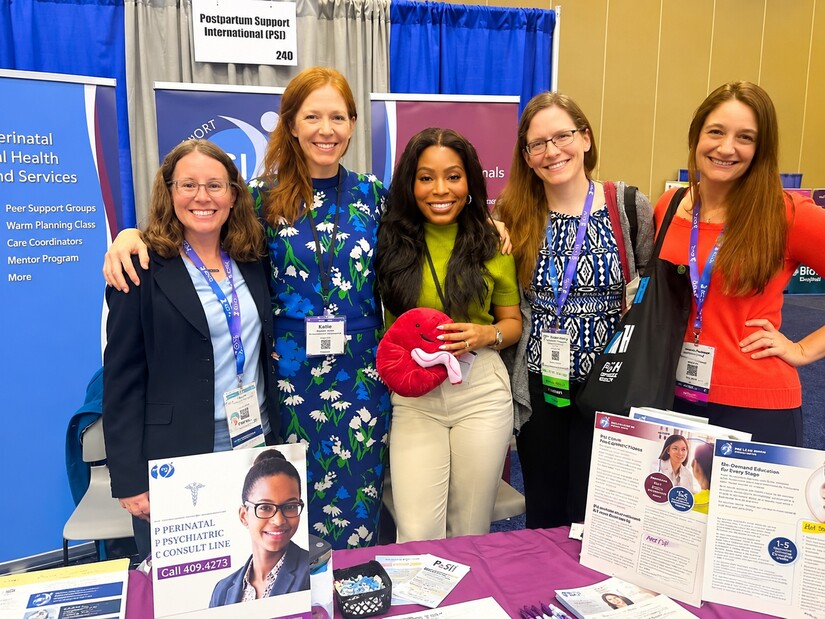
Pregnancy and the arrival of a baby are usually presented as joyful milestones, but you work with couples who discover that this transition can place enormous pressure on their relationship. What actually happens between partners during pregnancy and the postpartum period that families, friends and even healthcare professionals often fail to see?
Inyang called the transition one of the biggest changes in a family’s life. The person who gives birth may be experiencing physical recovery, hormonal changes, anxiety, depression, body-image concerns and the relentless needs of an infant. The supporting partner may feel displaced, uncertain or emotionally neglected while also struggling to understand how to be helpful.
Neither experience cancels the other, but they are not identical.
One partner may become the default parent without the couple ever consciously deciding that this should happen. Household duties may appear divided while the responsibility for anticipating, remembering and coordinating them remains concentrated in one person.
The changes have occurred throughout generations, Inyang said, but families have not always been given a place to name them.
“It’s simply been, ‘This is the way of life. This is how it happens,’” she said. “It doesn’t have to be that way.”
Parents can discuss the transition intentionally and build a healthier relational life, one that affects not only the two adults but the child and, potentially, the family patterns carried into future generations.
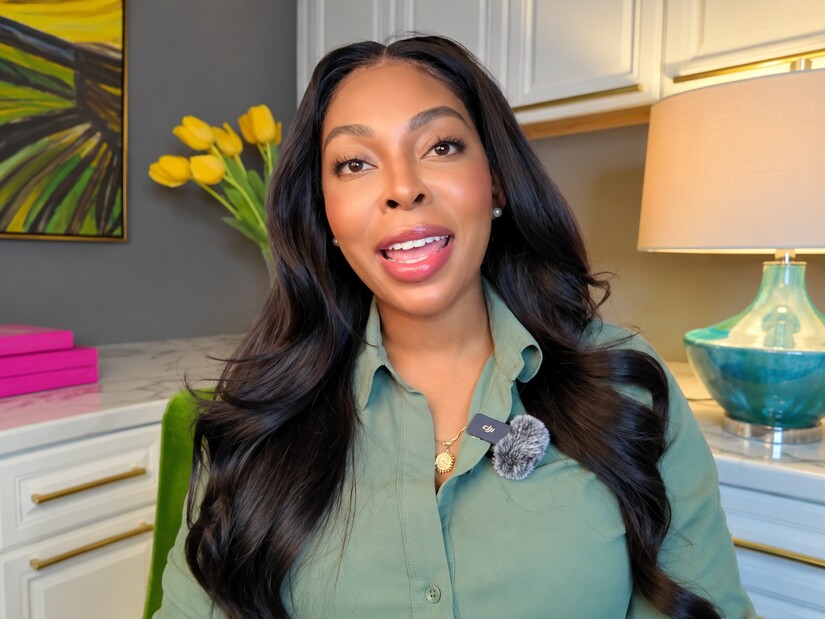
You speak about the invisible mental and emotional load carried in many households. How does that unequal or unacknowledged labor create resentment between partners, and what does meaningful support look like beyond simply asking a mother whether she has someone helping her?
Inyang translated the mental load into language familiar from the workplace: one person becomes the project manager for everything.
That person plans, coordinates and carries out the work. The burden is not limited to changing diapers, preparing bottles or attending appointments. It includes noticing what is needed, remembering when it is needed, planning how it will happen, asking another person to help and checking whether the task was completed.
“You are the planner, the coordinator and the person executing all of those things, in addition to taking care of a newborn and all of the weight and stress it puts on a primary parent’s body,” she said.
Resentment can grow when a parent feels unsupported but does not know how to express that need without the conversation sounding like an attack. The supporting partner may hear criticism and respond defensively. Soon the argument appears to be about dishes, bottles or whose turn it was to wake up, while the deeper conflict concerns recognition, exhaustion and whether each person still believes they are part of a team.
Inyang offers couples a visual correction. Imagine sitting on the same side of the coffee table rather than standing on opposite sides of the kitchen island.
“It’s not you versus me,” she said. “How are we going to approach this together?”
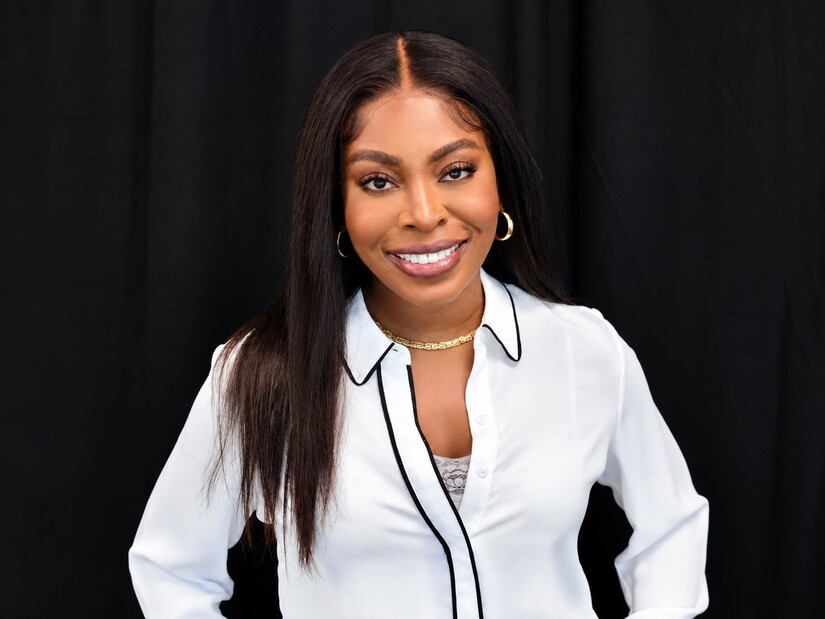
Fathers and other non-birthing partners can sometimes be treated as supporting characters in postpartum care. What do you believe they need to understand about their role, and how can clinicians, families and communities bring them into the conversation without minimizing the physical and emotional experience of the mother?
Inyang began with the magnitude of what happens to the person who gives birth. The changes can be physical, emotional, physiological and hormonal. Supporting partners must understand the toll of that transformation before they can fully understand what meaningful care requires.
At the same time, they are not irrelevant to recovery.
“They play a very vital role in the healing and in the process of healing for birthing partners,” she said.
Supporting partners are also undergoing an identity change. They may face emotional distress, depression or isolation of their own. They may be the first people to observe that the birthing parent is behaving differently, struggling to function or showing signs that more help is needed.
“They’re also equally part of that healing,” Inyang said. “They’re also equally part of that story.”
She wants clinicians and healthcare organizations to examine the environment to which the patient returns. It is not enough to mark a box indicating that support exists. Providers should ask who is present, what that person understands and what support looks like in practice.
“You cannot treat or tend to a birthing partner without the support of that non-birthing and supporting partner,” she said.
Families do not all follow one arrangement. The relevant person may be a spouse, romantic partner or another member of the household. The important change is to stop treating that individual as an accessory who merely accompanies the patient to appointments.

You created the Re|Pair™ Framework for couples facing conflict, changing roles, emotional disconnection and shifts in intimacy. What is the framework, what led you to develop it, and how does it help couples recognize and interrupt patterns they may have repeated for years?
Inyang described Re|Pair™ as a couples framework built around four movements. It draws from Emotionally Focused Therapy, attachment theory and the Gottman Method while adapting those principles to postpartum conditions.
The framework begins by tracking what is happening beneath the conflict visible on the surface. It interrupts automatic defensive responses, brings forward what each person is feeling and fearing, and helps the couple create enough emotional room for connection to be rebuilt.
Its postpartum emphasis is critical. Relationship conflict during this period may involve perinatal mood and anxiety disorders, sleep deprivation, mental load, physical recovery, changing sexual needs and unfamiliar parental identities. Those conditions differ from what a newly married couple or a couple entering retirement might experience.
“The couples I work with need a map, not just someone who’s going to listen and validate their feelings,” Inyang said. “Re|Pair gives them that.”
The map does not tell every couple to arrive at the same destination. Some may repair and reconnect. Others may need clarity about whether the relationship should continue. Inyang’s task is not to decide which partner wins.
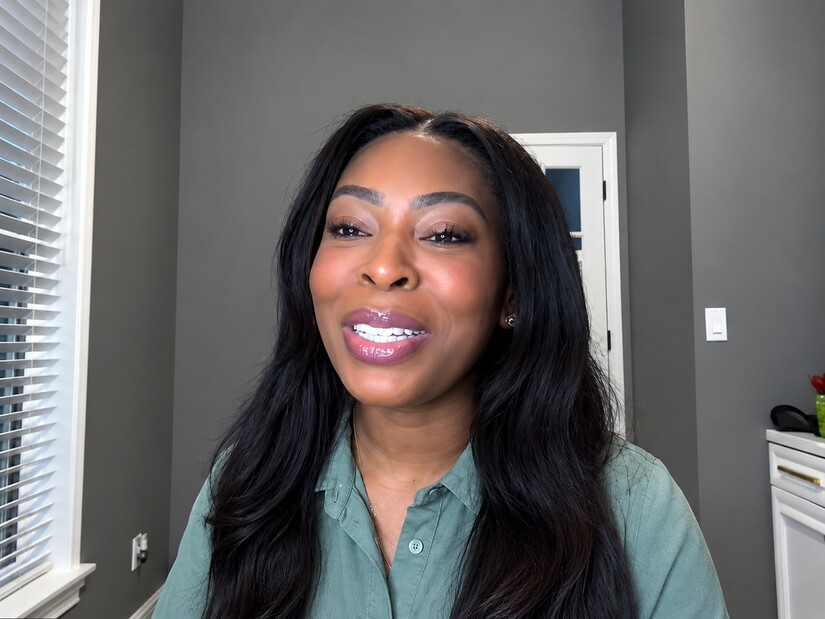
Therapy still carries stigma in parts of the Black community and within some African and immigrant families. Couples may fear being judged, having a stranger interfere in their marriage or being told that one partner is the problem. What cultural barriers do you encounter, and how do you create a space in which both partners can feel understood without believing that you have chosen a side?
The barriers often arrive in familiar language.
“What happens at home stays at home,” Inyang said. “We never wash our dirty linen in public.”
Privacy can protect a family, but absolute silence can also protect pain. People may learn to conceal conflict, trauma and mental-health struggles because allowing an outsider to know feels disloyal or shameful.
Inyang establishes early that couples therapy is not a contest she has been invited to judge.
“My relationship is not with Partner A or Partner B,” she said. “My relationship is with the relationship itself.”
She does not regard herself as a referee assigned to declare one person right and the other wrong. Each partner may process emotion differently. Men, she noted, may have learned particularly restricted ways of expressing vulnerability. Those differences must be understood without allowing them to become excuses for harmful behavior.
Inyang also sees encouraging change. More Black, African and immigrant families are seeking mental-health support and questioning the cycles that required earlier generations to suffer silently.
Sometimes the first transformation is not a dramatic behavioral change. It is the experience of finally being heard.
“It truly is powerful to be able to have somebody be a witness to the story,” she said. “Sometimes it’s not always about changing something, but it’s somebody just hearing and understanding what you have been through.”
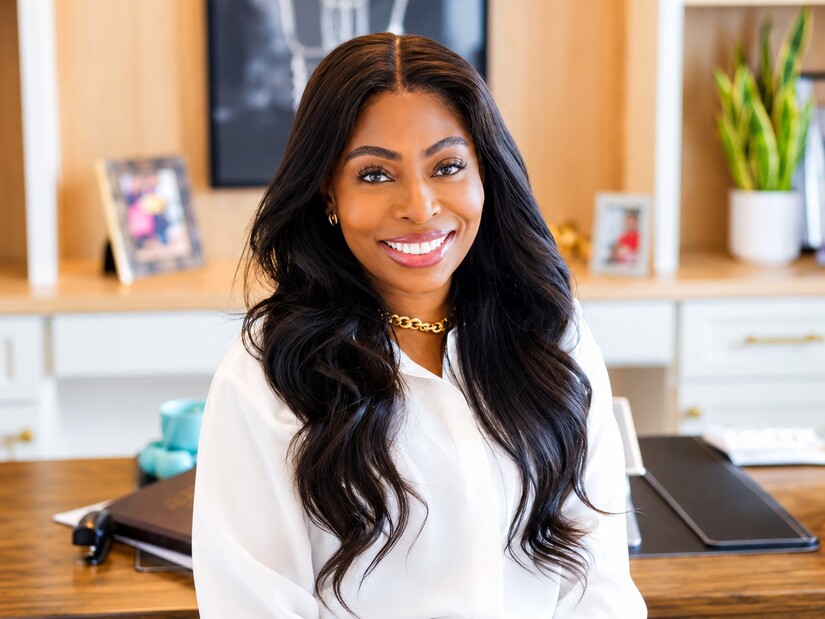
Your work extends beyond individual counseling into professional education, public advocacy and conversations about how healthcare systems support families. If Minnesota took postpartum relationship health as seriously as it takes prenatal appointments and infant checkups, what would change in our hospitals, clinics, workplaces and communities, and what legacy do you hope to build through this work?
Inyang did not ask healthcare systems to diminish the medical and emotional needs of the person who gives birth. She asked them to add another lens.
Postpartum healing occurs within a relationship and a household. Clinicians could receive training in relational dynamics. Parents could receive education about the changes likely to occur between them. Supporting partners could be invited deliberately into appropriate conversations instead of remaining silent figures in the room.
“I do believe that bringing supporting partners, non-birthing partners into the room and very much making them part of the conversation” would strengthen care, she said, “not just some accessory or someone that comes in along with the visits.”
The language and approach must reflect the variety of families living in Minnesota in 2026. There is no single household arrangement, and the relevant supporting relationships can differ from one family to another. The principle remains the same: the relational environment matters to postpartum recovery.
Inyang believes organizations and clinicians can be trained to incorporate that understanding effectively. The goal is a system that asks not only whether a patient has support, but how that support functions after the family goes home.
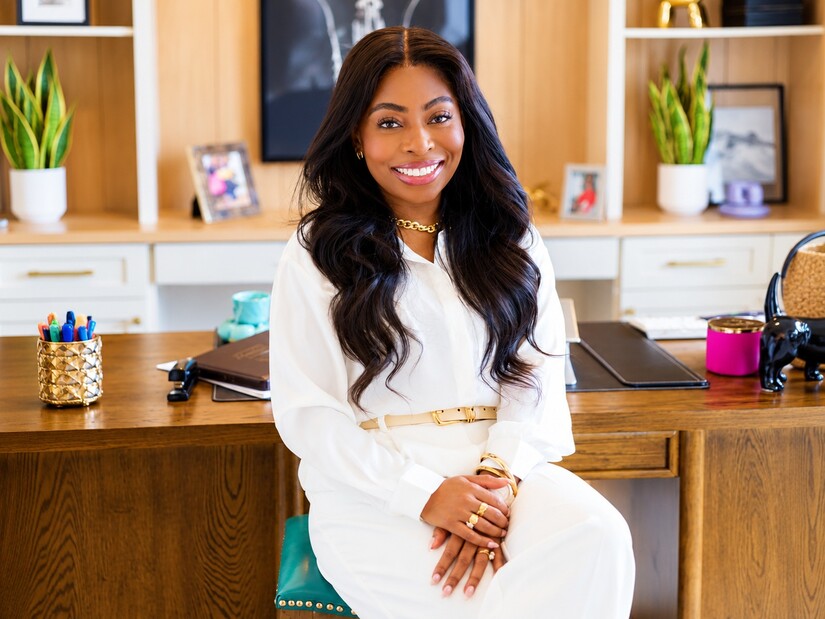
One tradition of The Power of Her is that every woman we interview helps us discover another woman whose work deserves to be seen and celebrated. Who is an African American woman or woman of African heritage in Minnesota whom you believe we should meet, and what is she doing for her community that makes her someone whose story should be preserved through The Power of Her?
Inyang nominated her colleague and mentor, Dr. Elizabeth Adedokun, a perinatal therapist with whom she has spoken and collaborated professionally.
“She is so amazing in what she is doing in our community,” Inyang said. “We don’t have a lot of people that look like us, and so it’s just really amazing that our paths crossed.”
She described Adedokun as highly respected and someone she admires deeply. When asked whether another name came to mind, Inyang considered a birth doula named Joy but stopped herself from offering a nomination without sufficient thought. There were too many women in her mind, she said, and she wanted to look beyond her own professional field.
She promised to send additional names later.
The hesitation was revealing in its own way. Inyang did not want to offer names merely to complete the exercise. She wanted to consider who should be recognized and why.
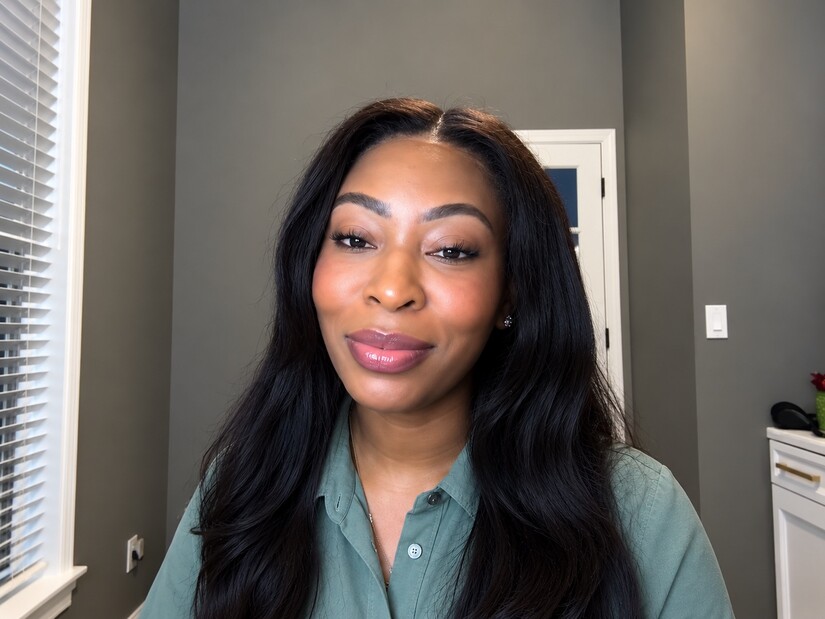
At the end of the prepared conversation, MinneapoliMedia asked whether an important question had been missed.
Inyang returned to the people who may read her story while believing their experience is uniquely broken or shameful.
“They truly aren’t alone in their experience,” she said. “They would honestly be surprised, when they think that they are the only ones experiencing something, that they’re not.”
She acknowledged that the phrase can sound familiar or even insufficient. What mattered was the meaning beneath it. Isolation persuades people that no one else is struggling in the same way and that seeking help will expose a private failure. Inyang wants couples to know that support exists and that asking for it is possible.
The conversation ended with another invitation. Would she return to share what develops as her work grows?
“I would absolutely come back,” she said. “I would be honored to do that.”
The exchange had begun with two people relieved to finally meet. It ended with the understanding that the conversation was not finished.
That may be the most fitting conclusion for work centered on repair. Inyang is not promising couples that one conversation will resolve every strain created by parenthood. She is arguing that the relationship deserves to enter the conversation at all.
The baby can remain surrounded by love and care. The mother’s recovery can remain central. The supporting partner can be brought into the work. The culture, history and household pressures can be acknowledged rather than ignored.
And the two people raising the child do not have to disappear from one another in the process.

Local stories matter. Subscribe free to MinneapoliMedia and receive independent news, community reporting and important updates from Minneapolis, the North Metro and communities across Minnesota.
SUBSCRIBE FREE: https://minneapolimedia.town.news/subscribe
MinneapoliMedia | Community. Culture. Civic Life



Overcast, with a high of 57 and low of 49 degrees. Overcast for the morning, patchy rain nearby overnight.