29° and Partly Cloudy
Image



SPRING LAKE PARK, MN (November 7, 2026).
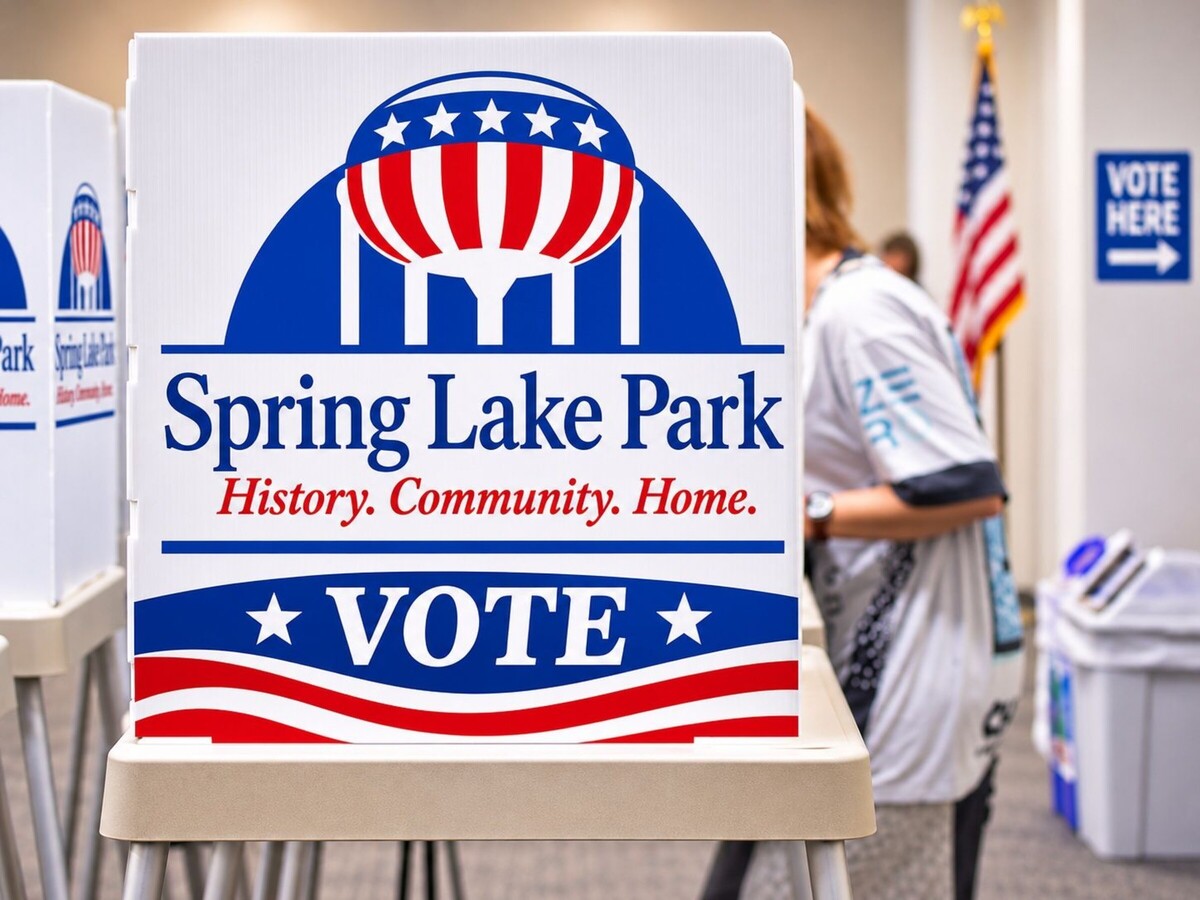
The mayoral election in Spring Lake Park has produced one of the most unusual outcomes of Minnesota's November 3 general election.
Both candidates, Robert Nelson and Halyn Roth, received exactly 1,401 votes, according to results announced by the city and reported Thursday by FOX 9.
With neither candidate holding a numerical advantage, the city faces the unusual task of resolving the election through procedures established under Minnesota law.
The winner is expected to be determined by lot, a process used to resolve certain tied elections after the applicable election procedures have been completed.
In most elections, the difference between candidates can be expressed in votes or percentage points.
Spring Lake Park's mayoral contest has no such margin.
Nelson and Roth each received 1,401 votes.
The result means that neither candidate can claim to have received more votes than the other based on the reported totals.
For voters, the tie demonstrates how closely divided a local election can become.
It also highlights the importance of every ballot cast.
A single additional vote for either candidate would have broken the reported tie.
Minnesota election law establishes procedures for resolving elections in which candidates receive the same number of votes.
Depending on the office and circumstances, the process can involve determining the winner by lot.
The method is intended to provide a legally defined resolution when vote totals alone cannot distinguish between candidates.
It is not a substitute for accurately counting ballots.
Election officials must first complete the applicable review and canvassing requirements.
The reported totals remain unofficial until those procedures are completed.
The city must also follow the requirements governing the selection process.
The exact date and method of the drawing should be confirmed through Spring Lake Park's election officials.
Spring Lake Park is a northern Twin Cities suburb located in Anoka and Ramsey counties.
Its mayor participates in decisions affecting municipal budgets, public safety, infrastructure, development and city services.
Although local elections may receive less attention than statewide races, the decisions made by mayors and city councils have direct consequences for residents.
The tied result means that Spring Lake Park's next mayor may ultimately be selected through a procedure many voters rarely encounter.
That unusual circumstance does not diminish the responsibilities of the office.
Whoever assumes the position will be expected to represent the community and carry out the duties established by law.
Because the outcome is unusual, election officials have an important responsibility to explain the process clearly.
Residents should be able to understand how the tie was established, what procedures remain and how the winner will be determined.
Public confidence depends on accurate information and consistent application of election law.
Neither candidate should be described as the winner before the process is complete.
Spring Lake Park's mayoral election ended in an exact 1,401-1,401 tie.
The outcome provides a striking example of the importance of individual votes and the legal procedures that govern close elections.
The next development will be the city's completion of the applicable election process and determination of the winner.

Local stories matter. Subscribe free to MinneapoliMedia and receive independent news, community reporting and important updates from Minneapolis, the North Metro and communities across Minnesota.
SUBSCRIBE FREE: https://minneapolimedia.town.news/subscribe
MinneapoliMedia | Community. Culture. Civic Life

Cloudy, with a high of 37 and low of 26 degrees. Overcast in the morning, cloudy in the afternoon, clear for the evening, cloudy overnight.