44° and Overcast
MINNEAPOLIMEDIA NEWS | Minneapolis Advances Heidi Ritchie's Health Commissioner Nomination as City Confronts Overdose Prevention, Health Inequities and Budget Pressures



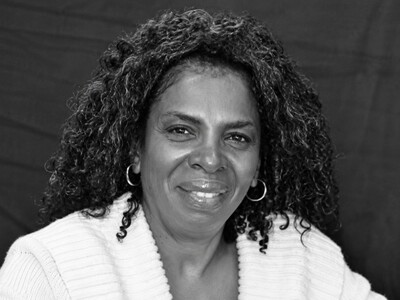
The City Council's Public Health, Safety and Equity Committee unanimously approved the mayor's nomination of longtime public health official Heidi Ritchie. Her confirmation process comes as Minneapolis weighs how to maintain essential health services amid a projected $33 million municipal budget shortfall.
MINNEAPOLIS, MN (November 9, 2026).
Minneapolis has moved another step toward appointing a permanent health commissioner after the City Council's Public Health, Safety and Equity Committee unanimously approved Mayor Jacob Frey's nomination of Heidi Ritchie during its November 4 meeting.
The committee's 6-0 vote followed public testimony and questioning about the city's response to opioid overdoses, health disparities, community outreach and the financial challenges confronting municipal services.
Ritchie, who has spent approximately two decades working in Minneapolis public health, presented her experience as a foundation for continuing essential services while responding to changing community needs.
Her nomination comes at a consequential time for the city. Minneapolis is preparing a 2027 budget amid a projected $33 million shortfall, and departments across city government face pressure to justify spending, maintain services and identify efficiencies.
For the Health Department, those challenges intersect with responsibilities involving disease prevention, environmental health, emergency preparedness and access to care for residents who face barriers to traditional health services.
A Career Rooted in Public Health
Ritchie has held several leadership positions within Minneapolis public health, including deputy commissioner and interim commissioner.
Her professional background includes nursing, public health administration and coordination with community partners.
During the November 4 hearing, Frey highlighted her experience and involvement in programs addressing opioid overdoses, mobile medical services and school-based health care.
Ritchie described priorities that included protecting essential public health functions, addressing health inequities and strengthening the department's financial resilience.
Those priorities reflect the demands placed on local health agencies, which must address both routine responsibilities and emerging health threats.
Public health departments are responsible for services that may receive less attention than police or fire operations but can have substantial effects on residents' well-being.
They monitor environmental hazards, coordinate disease prevention, support community health initiatives and work with other agencies to respond to emergencies.
The commissioner is responsible for helping translate those responsibilities into operational priorities and managing the resources needed to carry them out.
Overdose Prevention Draws Public Support
The city's response to opioid overdoses was among the subjects raised during the hearing.
Supporters of Ritchie's nomination pointed to harm-reduction efforts, including access to naloxone, a medication used to reverse opioid overdoses.
One speaker attributed a 26 percent reduction in overdose deaths to the city's efforts involving naloxone dispensers and related interventions.
That figure was presented during public testimony and should not be treated as proof that a single intervention caused the reported decline.
Overdose trends can be influenced by several factors, including changes in drug supply, emergency response, treatment access and community outreach.
Nevertheless, naloxone distribution is an established overdose-prevention measure, and access to the medication can be especially important in communities experiencing high rates of opioid-related emergencies.
The hearing also included warnings about emerging substances and the need for public health officials to monitor changing risks.
For Minneapolis, maintaining effective overdose prevention will require coordination among health professionals, emergency responders, community organizations and residents.
Mobile Health Services and Community Access
Ritchie's supporters also highlighted the city's mobile medical services and school-based health initiatives.
Mobile health programs can bring services closer to residents who have difficulty accessing conventional clinics because of transportation barriers, financial circumstances or other obstacles.
School-based services can similarly improve access by placing care within environments students already attend.
The practical effectiveness of those programs depends on staffing, funding, outreach and the ability to connect patients with continuing care when necessary.
During the hearing, council members asked about program outcomes, financial management and the department's capacity to serve residents with different needs.
Those questions will remain relevant if Ritchie receives final confirmation.
A health department's success cannot be measured only by the number of programs it operates. Officials also need to assess who is receiving services, whether access gaps are narrowing and how effectively public resources are being used.
Residents Raise Housing-Related Health Concerns
Public testimony also highlighted the connection between housing conditions and public health.
Community advocate Al Flowers urged Ritchie to visit Heritage Park and examine concerns involving mold and infestations.
Such conditions can affect respiratory health, sanitation and residents' quality of life.
The testimony did not establish the full extent of the reported problems or determine responsibility for specific conditions.
It did, however, illustrate the range of issues residents expect public health leadership to address.
Housing-related health concerns often require coordination among multiple agencies, including housing authorities, property managers, environmental health officials and city inspectors.
A health commissioner may not directly control every aspect of housing enforcement, but the department can contribute expertise, identify health risks and work with responsible agencies.
Budget Pressures Complicate the Appointment
The nomination is advancing as Minneapolis faces significant financial challenges.
Mayor Frey's proposed 2027 budget includes an 11.3 percent property tax levy increase and substantial staffing reductions.
The proposed cuts have prompted debate over which services should be protected and how departments can maintain operations with limited resources.
For public health, financial constraints can affect staffing, outreach, inspections and the administration of preventive services.
Ritchie's stated emphasis on financial resilience therefore has practical significance.
The commissioner will need to explain how the department intends to preserve essential functions, evaluate program effectiveness and respond to emerging needs while operating within the city's approved budget.
The committee's questions about management and financial priorities indicate that council members are considering those responsibilities as part of the confirmation process.
A Unanimous Committee Vote, but Further Action Remains
The Public Health, Safety and Equity Committee voted 6-0 to approve Ritchie's nomination on November 4.
That vote demonstrates committee support, but it should not be confused with confirmation by the full City Council.
The available proceedings establish the committee's action. They do not establish that Ritchie has already received final confirmation.
The next stage will determine whether the nomination receives the remaining approval required under the city's appointment process.
If confirmed, Ritchie would assume permanent responsibility for leading the department during a period when Minneapolis must balance financial constraints against substantial public health needs.
THE TAKEAWAY
Minneapolis' Public Health, Safety and Equity Committee has unanimously advanced Heidi Ritchie's nomination to become the city's permanent health commissioner.
Her extensive experience in municipal public health and involvement in overdose prevention, mobile medical services and school-based health programs formed an important part of the November 4 hearing.
The discussion also highlighted concerns about health disparities, housing conditions and the department's ability to maintain essential services amid municipal budget pressures.
The committee's vote is an important step, but final confirmation has not been established.
For Minneapolis residents, the significance of the appointment will ultimately depend on whether public health leadership can preserve essential services, respond effectively to community concerns and demonstrate measurable results with the resources available.

STAY CONNECTED TO MINNEAPOLIMEDIA
Local stories matter. Subscribe free to MinneapoliMedia and receive independent news, community reporting and important updates from Minneapolis, the North Metro and communities across Minnesota.
SUBSCRIBE FREE: https://minneapolimedia.town.news/subscribe
MinneapoliMedia | Community. Culture. Civic Life