43° and Clear
MINNEAPOLIMEDIA NEWS | Klobuchar's Promise to Lower Costs Without Raising Taxes Sets Up Early Test for Minnesota's New DFL Government



With Democrats preparing to control the governor's office and both legislative chambers, the incoming administration faces pressure to deliver on housing, child care and health care affordability while confronting a projected structural budget imbalance.
ST. PAUL, MN (November 10, 2026).
Governor-elect Amy Klobuchar and Minnesota's incoming Democratic-Farmer-Labor legislative leaders are preparing to govern with broad agreement on the state's most pressing affordability challenges but significant questions about how their priorities can be financed.
Following the November 3 election, Democrats are positioned to control the governor's office and both chambers of the Minnesota Legislature.
That political alignment could make it easier to advance legislation on housing, health care and child care.
Yet Klobuchar has drawn a firm boundary around the coming budget negotiations by pledging not to raise taxes.
The commitment creates a consequential test for an incoming administration that has promised to reduce costs for families while facing a state budget outlook that has already raised concerns about a structural imbalance between recurring revenue and expenditures.
Agreement on the Problems, Differences Over the Solutions
Klobuchar and incoming DFL legislative leaders have identified housing, health care and child care costs as major priorities.
Those expenses place substantial pressure on household budgets and can affect whether families are able to remain in their communities, enter the workforce or obtain necessary services.
However, Democratic lawmakers differ over the scale of government intervention required.
Some progressive legislators favor more expansive approaches, including nearly universal child care and primary care initiatives financed partly through changes to taxation.
Klobuchar has outlined a more incremental strategy.
Her proposals include expanding innovative child care arrangements, limiting excessive health insurance premium increases and working with the private sector to support construction of 100,000 additional homes.
The difference is not simply one of political language.
Expansive public programs can require substantial recurring appropriations, while more targeted approaches may rely on a combination of existing resources, regulatory changes and private investment.
Each approach involves tradeoffs concerning cost, access, speed and the distribution of benefits.
The No-Tax Pledge
Klobuchar has repeatedly said that she does not intend to raise taxes to finance her agenda.
She has instead emphasized reducing regulatory obstacles, encouraging economic growth and identifying opportunities to lower certain taxes.
That position may appeal to residents concerned about affordability and the cumulative burden of state and local taxation.
However, it also limits one of the options traditionally available to lawmakers seeking to expand public programs.
If new initiatives require substantial spending, legislators will need to identify other revenue sources, reduce existing expenditures, redesign proposals or phase in commitments over time.
The administration's ability to reconcile those competing demands will become clearer when updated fiscal forecasts and its first budget proposal are available.
A Structural Budget Challenge
Minnesota's most recent comprehensive budget forecast identified a potential structural deficit in future years.
A structural deficit occurs when ongoing spending commitments are projected to exceed ongoing revenue.
That is different from a temporary shortfall caused by the timing of payments or a one-time expense.
More recent revenue reports have been somewhat stronger than earlier expectations, but improved collections do not automatically eliminate longer-term spending pressures.
Incoming House Speaker Zack Stephenson has acknowledged that lawmakers need updated fiscal information before determining how much of their agenda can be financed.
That approach reflects an important constraint.
Election promises must ultimately be translated into appropriations, statutory changes and financial commitments that fit within the state's budget framework.
Republicans Prepare to Challenge the Agenda
Republican legislative leaders have indicated that they intend to scrutinize the affordability proposals and Klobuchar's commitment to avoiding tax increases.
House Republican Leader Harry Niska has questioned whether the governor-elect will resist pressure from more progressive members of her party to increase spending and taxes.
Republicans argue that the DFL's previous control of state government resulted in substantial tax increases and expanded spending commitments.
Democrats counter that public investment can help address essential needs and reduce costs that families otherwise bear directly.
The debate will likely center on whether proposed policies produce measurable savings for households and whether their benefits justify their fiscal costs.
Housing Could Become an Early Test
Housing affordability offers a clear example of the choices ahead.
Klobuchar's goal of supporting 100,000 additional homes will require cooperation among state government, local governments, developers and financing institutions.
Potential obstacles include zoning restrictions, infrastructure costs, labor availability and the economics of constructing housing affordable to lower- and middle-income households.
Regulatory reform may reduce some barriers, but it may not be sufficient to produce housing at price levels that all residents can afford.
Public subsidies can help close financing gaps, but those programs require resources and oversight.
The incoming administration will need to determine which combination of approaches can produce additional housing without undermining its fiscal commitments.
Health Care and Child Care Pose Similar Questions
Health insurance costs remain a concern for households and employers.
Efforts to limit excessive premium increases may require regulatory oversight and coordination with insurers, providers and other agencies.
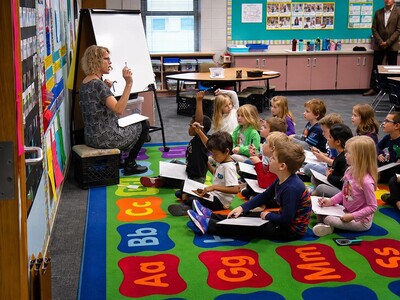
Child care presents another difficult challenge because affordability for parents is closely connected to wages, staffing and operating costs for providers.
Lowering what families pay without reducing the quality or availability of services may require public funding or changes in how care is delivered.
The administration will therefore need to explain how proposed reforms will affect families, providers and the state budget.
Accountability Will Matter as Much as Ambition
Klobuchar has also promised stronger oversight of the state government following fraud investigations involving publicly funded programs.
That commitment adds another dimension to the affordability agenda.
Residents will expect not only lower costs and improved access but also evidence that public money is properly managed.
Effective oversight can reduce waste and improve confidence, but savings from anti-fraud measures should not be assumed before they are documented.
The administration will need to distinguish projected savings from verified recoveries or reductions in spending.
THE TAKEAWAY
Minnesota's incoming DFL government has a significant opportunity to advance policies addressing housing, health care and child care affordability.
Governor-elect Amy Klobuchar's pledge not to raise taxes, however, creates an immediate challenge for lawmakers seeking to expand services during a period of budget pressure.
The coming legislative session will test whether the administration can translate its promises into financially sustainable policies.
The central measure will not be the number of proposals introduced, but whether the state can demonstrate meaningful improvements in household affordability while maintaining fiscal discipline and public accountability.

STAY CONNECTED TO MINNEAPOLIMEDIA
Local stories matter. Subscribe free to MinneapoliMedia and receive independent news, community reporting and important updates from Minneapolis, the North Metro and communities across Minnesota.
SUBSCRIBE FREE: https://minneapolimedia.town.news/subscribe
MinneapoliMedia | Community. Culture. Civic Life