Image



ST. PAUL, MN (November 28, 2026).
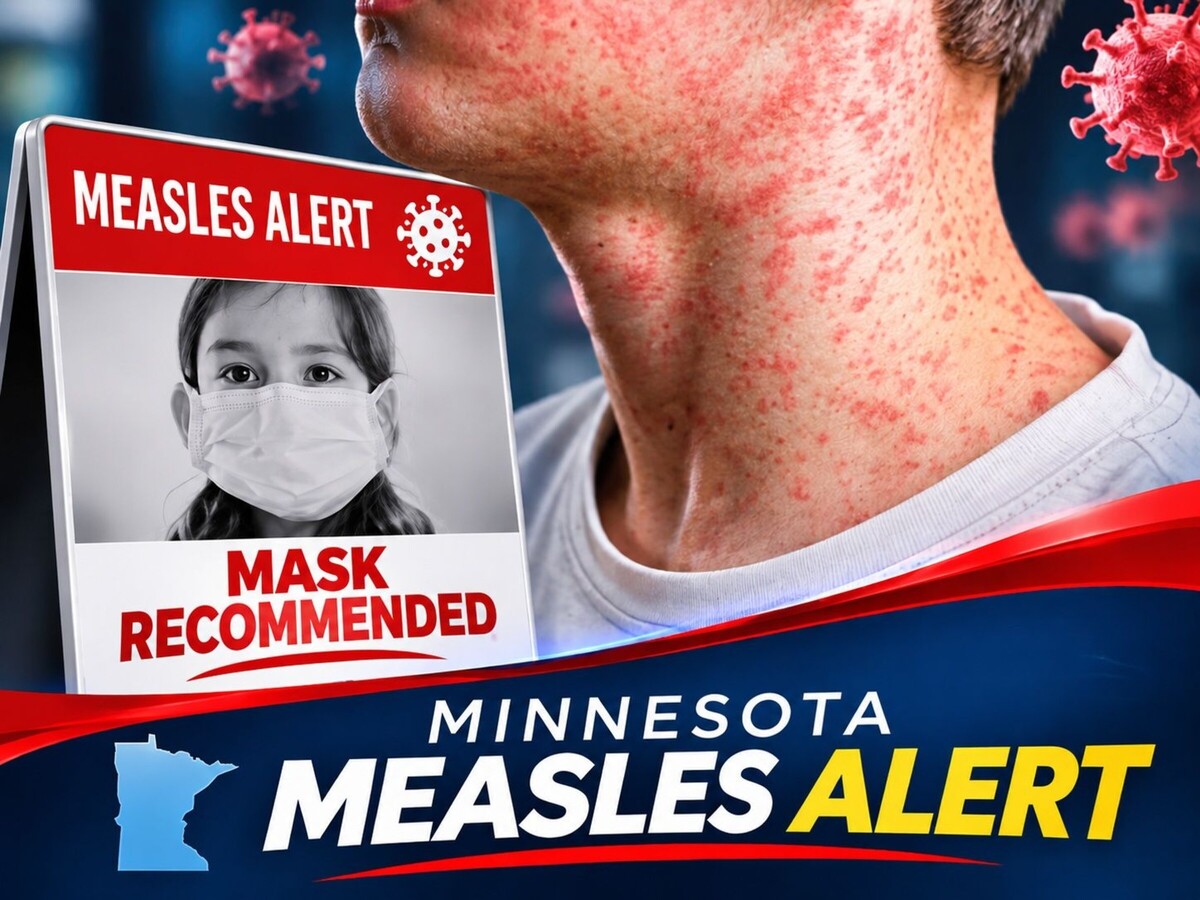
Minnesota's measles outbreak has continued to expand, with the Minnesota Department of Health reporting 228 confirmed infections during 2026 as neighboring Wisconsin confronts a mounting public health emergency that has resulted in three deaths this month.
State health officials reported Wednesday that 25 additional infections had been confirmed during the preceding week. Minnesota's annual case count is now the highest recorded since 1990.
The latest figures represent an increase of 68 infections since MinneapoliMedia reported on November 14 that Minnesota had documented 160 cases. The statewide total has increased by 42.5 percent since that earlier report, underscoring the continuing difficulty of containing transmission.
Todd County remains the center of Minnesota's outbreak, although the confirmation of an infection in Kanabec County demonstrates the continuing geographic reach of the disease. Children younger than 18 account for the majority of Minnesota's reported infections.
Health authorities have indicated that nearly all Minnesota cases involve individuals who have not received the recommended two doses of the measles, mumps and rubella vaccine.
The situation in Wisconsin has become considerably more severe. The Wisconsin Department of Health Services announced November 24 that an adult resident of Lafayette County had died in connection with the outbreak. Two children elsewhere in Wisconsin died earlier this month.
Wisconsin health authorities have documented 918 infections and 19 hospitalizations associated with the outbreak that began in August. The state's total for the calendar year stands at 920 infections, including 20 hospitalizations.
Approximately 99.2 percent of Wisconsin's confirmed cases have involved individuals who were unvaccinated or whose vaccination histories could not be established.
Wisconsin officials are coordinating their response with local and Tribal health departments, healthcare organizations and community partners. More than 55,000 doses of measles, mumps and rubella vaccine have been administered to Wisconsin residents since August.
For Minnesota families, the growing regional outbreak reinforces the importance of reviewing childhood immunization records and consulting healthcare providers about appropriate vaccination.
Measles is transmitted through the air and can spread before an infected person develops the characteristic rash. Initial symptoms commonly include fever, coughing, nasal congestion and irritated or watery eyes.
Although many infected individuals recover, the disease can result in pneumonia, neurological complications and death. Infants, young children and people with compromised immune systems may be particularly vulnerable to severe illness.
Public health authorities estimate that two appropriately administered doses of the measles, mumps and rubella vaccine provide approximately 97 percent protection against measles.
People who suspect they have contracted the disease should contact a healthcare provider before visiting a clinic or emergency department. Advance notification allows medical facilities to implement precautions that reduce the possibility of exposing other patients and healthcare workers.
The continuing outbreak also presents operational challenges for schools, childcare facilities and healthcare organizations. Exposure investigations, immunization record reviews and temporary exclusion requirements can disrupt educational programming, employment schedules and family routines.
Minnesota's public health response remains focused on identifying additional infections, interrupting transmission and improving access to vaccination. Wisconsin authorities are scheduled to release their next statewide data update December 1.
The latest Minnesota figures demonstrate that the outbreak has not yet been contained, making continued surveillance and cooperation among healthcare providers, families and local public health departments particularly important as communities enter the winter holiday season.

Local stories matter. Subscribe free to MinneapoliMedia and receive independent news, community reporting and important updates from Minneapolis, the North Metro and communities across Minnesota.
SUBSCRIBE FREE: https://minneapolimedia.town.news/subscribe
MinneapoliMedia | Community. Culture. Civic Life


Sunny, with a high of 46 and low of 32 degrees. Sunny in the morning, partly cloudy for the afternoon, overcast for the evening, clear overnight.