49° and Patchy rain nearby
Image




The Black students were having a different experience.
Not subtly different. Fundamentally different.
When she raised concerns, she was told she was not a teacher.
So she became one.
Inside her own classroom, teaching students identified with emotional and behavioral disorders, she noticed another pattern. The referrals. The labels. The disproportionate presence of Black children.
She spoke again.
This time she was told to be quiet. She was not tenured yet.
She never did earn tenure.
“I kept speaking up,” she says. “And I kept getting dismissed.”
That pattern of dismissal did not silence her. It refined her.
“I needed something else to make people listen,” she explains. “So I pursued my PhD.”
Now, when Dr. Dana Page speaks, she does so with research in one hand and lived experience in the other.
“It’s not just Dana says,” she says evenly. “The data says.”
And still, the pushback comes.
But so does the resolve.
“You’re not going to shut me up.”
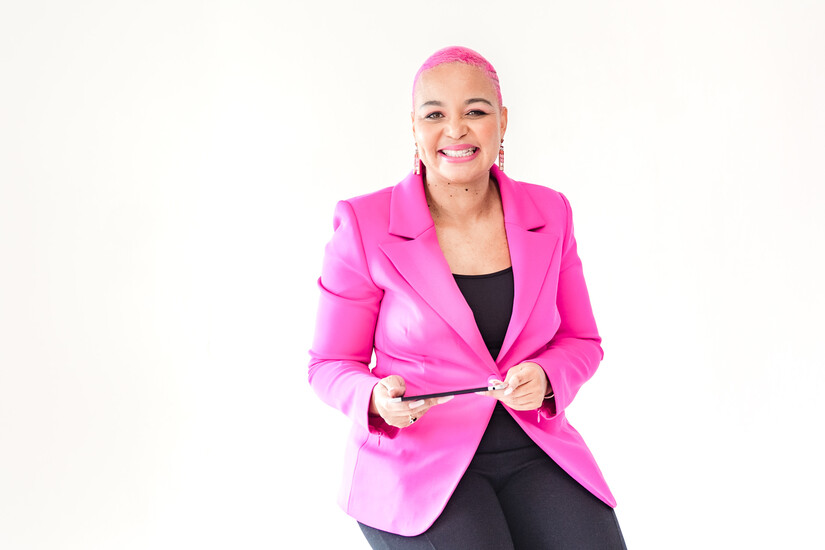
Today, Dr. Page serves as an Interagency Coordination Specialist with the Minnesota Department of Education. Her work sits at the intersection of education, human services, and community supports. Her task is deceptively simple and structurally complex: ensure that students with disabilities are seen, supported, and valued as whole people.
But her analysis of the system goes deeper than bureaucratic alignment.
When asked why coordination matters, she does not hesitate.
“The real-world consequence of misalignment is that the students and families who need help the most don’t get it.”
Then she reframes the conversation entirely.
“People say the system isn’t working,” she says. “I disagree. It is working. It’s working exactly as it was designed to work.”
Designed by whom?
She gestures toward history.
“Look at our founding fathers. These systems were built for white, land-owning men. They were not built for the students we’re serving now.”
The problem is not malfunction.
The problem is design.
And redesign requires more than surface reform. It requires courage.
Dr. Page is a strong advocate for person-centered practices, but she is careful to distinguish language from implementation.
“Inclusion is not just having a student sit in the room,” she says. “That’s proximity. That’s not participation.”
True inclusion means collaboration. Voice. Agency. Belonging.
It means asking the student what they need rather than deciding for them.
“Did you ask them? Or did you use your position of privilege to determine what’s best?”
Person-centered work requires confronting race, culture, language, socioeconomic realities, multigenerational dynamics. It requires acknowledging lived experience as legitimate data.
“If you’re really putting the person first,” she says, “you address all of it.”
Since the 2013–2014 school year, student populations in Minnesota have grown increasingly diverse. The educator workforce has not.
“There’s a cultural disconnect,” she says plainly.
Predominantly white classrooms led by predominantly white teachers interpret behavior through a white normative lens. Everything outside of that becomes a deviation.
“I don’t use the term bad behavior,” she says. “All behavior is communication.”
She resists collapsing communities into single categories. The needs of a Black American student may differ from those of a Somali student or a Ghanaian student. Lumping them together erases nuance and context.
“Trust takes time,” she says. “Many families have no reason to trust institutions.”
One equity training will not undo generational harm.
“This is ongoing work.”
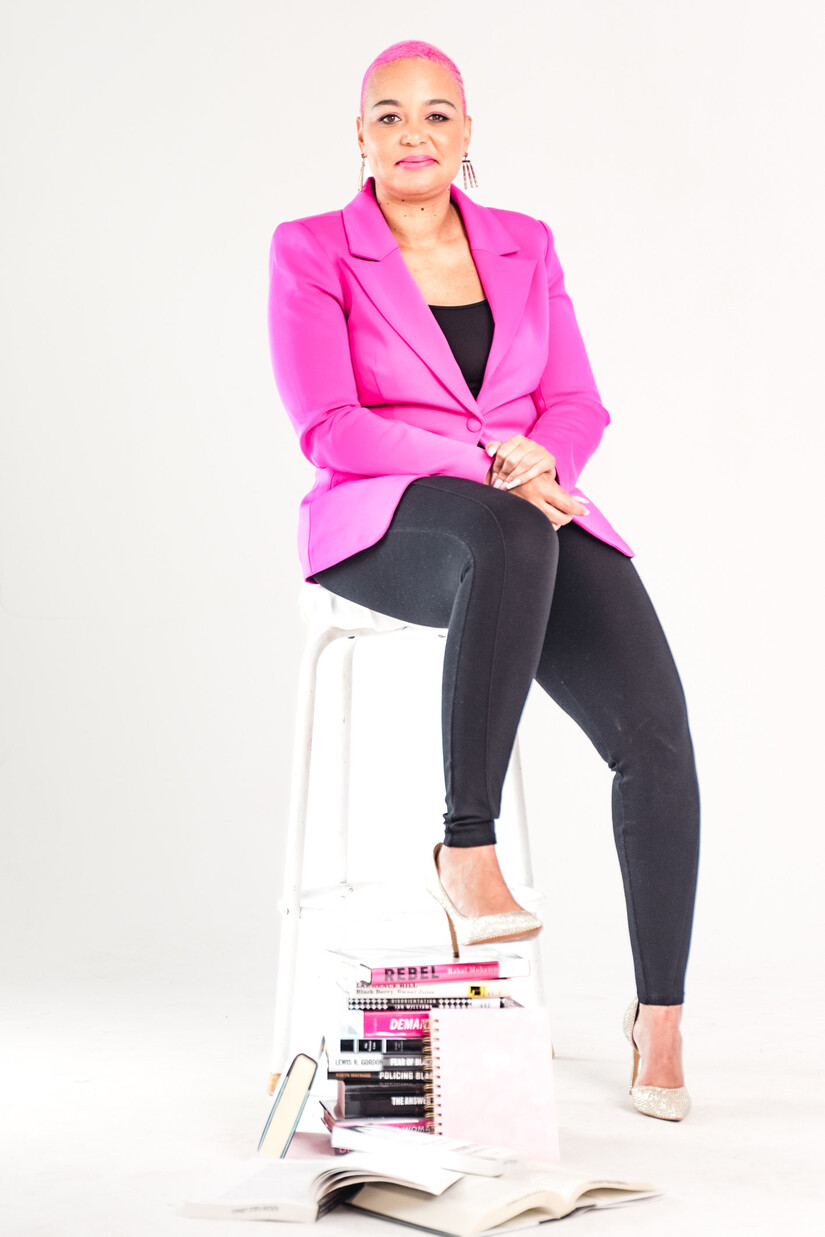
Through Turn the Page Education Consulting, Dr. Page challenges educators to move beyond symbolic gestures.
Authentic anti-racist practice, she argues, begins with historical context. How did we get here? What policies shaped this landscape?
Then comes positionality. Educators must understand their own identities and where they sit within structures of power.
“Diversity means different voices are in the room,” she explains. “Inclusion means those voices have authority.”
Equity is not equality.
“You may need to do something different for one group because that’s what they need.”
There is no universal remedy.
“Some people need a small bandage. Some need a sling.”

Systems change is slow. Sometimes it feels regressive.
“Some of the outcomes I’m seeing now are worse than when I started twenty years ago,” she admits.
There is fatigue in her voice when she says it, but not surrender.
She sustains herself through boundaries. No weekend work. Community. Mentorship. Conferences that refill rather than drain.
“When someone tells me something I said helped them,” she says, “that gives me enough to keep going.”
She laughs when describing her impatience with endless meetings.
“I’m tired of talking. If we’re not going to do it, send me an email when you’re ready.”
This is not cynicism. It is urgency.
Families, she insists, are the first advocates.
And yet the systems they must navigate are complex even for seasoned professionals.
Even the structure of meetings can feel adversarial.
“Imagine walking into a room where everyone is staring at you,” she says. “Is that welcoming?”
Culturally responsive family engagement is not an event. It is a multi-year commitment. It requires institutions to admit they are not doing it well.
“If families and schools truly partnered,” she says, “everyone would benefit.”
There is no downside to dignity.
When asked what she hopes will be different because of her work, she pauses.
“I would love for culturally diverse families to have positive school experiences from beginning to end.”
She does not expect to see full transformation in her lifetime.
“But I want to lay groundwork.”
Groundwork for a future where no matter the district, no matter the zip code, families know their children will receive an education that affirms their race, culture, language, and humanity.
Not tolerated.
Affirmed.
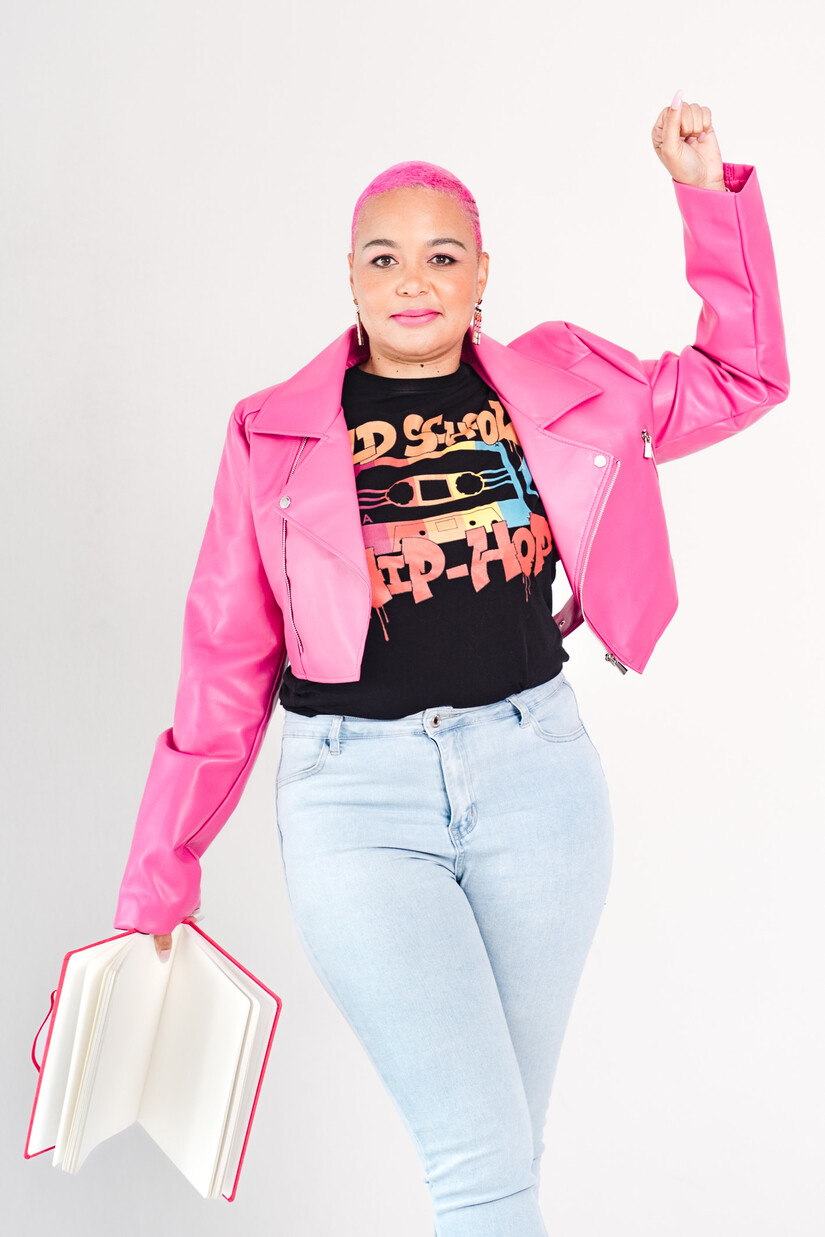
Hope, for Dr. Page, lives in proliferation.
She sees more Black scholars pursuing graduate degrees. More culturally diverse professionals entering fields historically closed to them. More communities building their own institutions.
“People are creating spaces that cater to their communities’ needs,” she says. “That gives me hope.”
She looks at the current landscape of education and offers a sober assessment.
“The way things are right now,” she says, “there’s nowhere to go but up.”
And still, she believes in the upward climb.
As part of MinneapoliMedia’s The Power of Her tradition, Dr. Page nominated Zara Augustine of Twin Cities Professionals of Color as a leader whose story deserves amplification. She offered to make the introduction.
Even in recognition, she builds bridges.
Dr. Dana Page’s work is not loud.
It is structural.
It is persistent.
It is unwilling to be dismissed.
And perhaps that is the quiet revolution at its core.
You will not silence me.
Not in a classroom.
Not in a committee.
Not in a system that was never designed for us.
And not in Minnesota’s future.



Patchy rain nearby, with a high of 52 and low of 32 degrees. Sunny for the morning, patchy rain nearby in the afternoon, clear overnight.