60° and Cloudy



Image
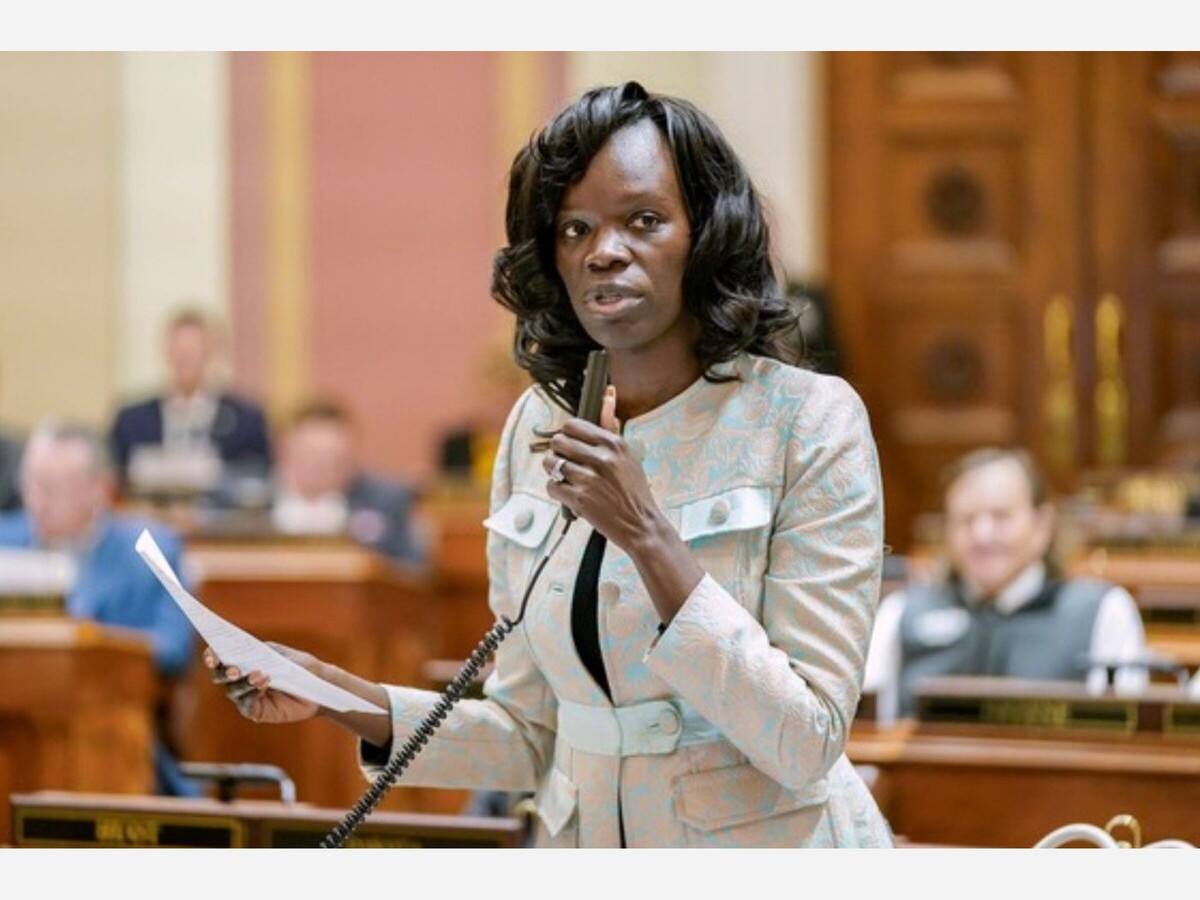
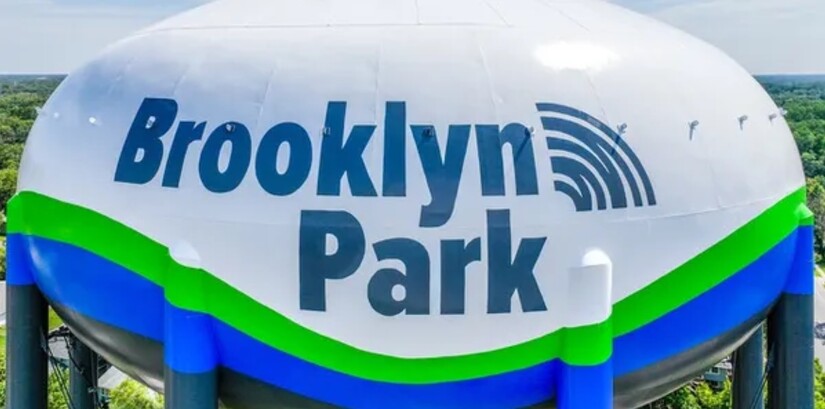
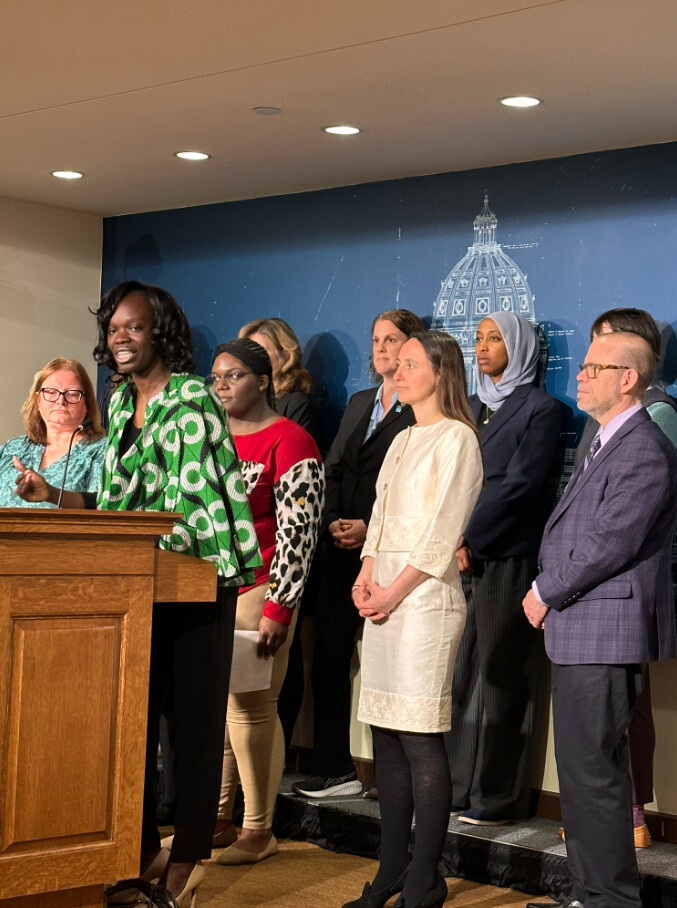
Rep. Huldah Momanyi-Hiltsley, a DFL lawmaker from Brooklyn Park, is pressing for state bonding dollars to expand and upgrade the Brooklyn Park Community Activity Center, a city facility that supporters want elevated into what legislation calls the “Northwest Metro Regional Athletic Facility.”
The request is carried in House File 971, with a companion measure in the Senate, SF 1186. The proposal seeks $9.5 million in state general obligation bond proceeds for the City of Brooklyn Park to design, construct, furnish, and equip an addition that would add multicourt gymnasium space and broaden the building’s capacity as a multi-use civic hub.
The Community Activity Center, located at 5600 85th Avenue in Brooklyn Park, was built in 1983. City communications describe it as a year-round destination attracting more than 350,000 residents, visitors, and other users annually, a scale that city leaders cite as evidence that the building is already functioning as a regional draw even before any expansion.
That demand is the heart of Momanyi-Hiltsley’s pitch: the northwest metro needs more indoor, flexible recreation space that can serve multiple sports, multiple age groups, and multiple kinds of community gatherings. In a 2026 interview with CCX Media, she described the push as an expansion and upgrade meant to better match what residents are asking for from a public facility in a city that is both growing and diverse.
The city’s planning documents and public project materials describe a package of changes that is less about a single sport than about adaptability.
Key elements described in city materials include:
The politics around the project have been shaped by a recent local flashpoint: earlier concepts that contemplated converting ice space to court space drew sharp debate. Reporting by KSTP describes the newer direction as an estimated $23.5 million addition that would leave the ice rinks “untouched” while adding courts and multi-purpose space, an effort to resolve the “either-or” tension by expanding the building footprint instead of repurposing existing ice.
Brooklyn Park’s estimate for the broader project has been reported at roughly $24 million, with the city assembling funding from multiple sources and seeking additional state help to close the gap.
CCX Media reported in July 2025 that the city could allocate $2 million from the 2018 park bond referendum and that it had $5 million previously awarded through state bonding in the 2023 session connected to indoor court planning, leaving a substantial amount still to be secured for the full expansion and improvement scope.
City updates tied to the same planning effort note that CAC improvements were included in Brooklyn Park’s $26 million Park Bond Referendum approved by residents in November 2018, a local commitment that city leaders have cited as the starting point for the longer, phased modernization plan now being paired with state bonding requests.
In Minnesota, bonding bills are where the state decides what gets built, repaired, expanded, and made accessible with long-term public financing. That structure favors projects that can be argued as more than local amenities, projects framed as public infrastructure with regional impact.
Brooklyn Park’s legislative proposal materials explicitly make that case, describing the project as a multi-sport and cultural center for a diverse region, with improved ADA-compliant entrances, expanded event space, and upgraded parking alongside the new multicourt gymnasium.
For Momanyi-Hiltsley, the argument is that the Community Activity Center is already performing a role larger than its footprint. The building is busy. The city is growing. The winters are long. The uses are competing. The question at the Capitol is whether that reality becomes concrete and steel in a bonding package, or remains what it has been for years: demand pressing against walls that do not move.

Sunny, with a high of 77 and low of 59 degrees. Overcast during the morning, sunny for the afternoon, clear during the evening,