58° and Clear
Image
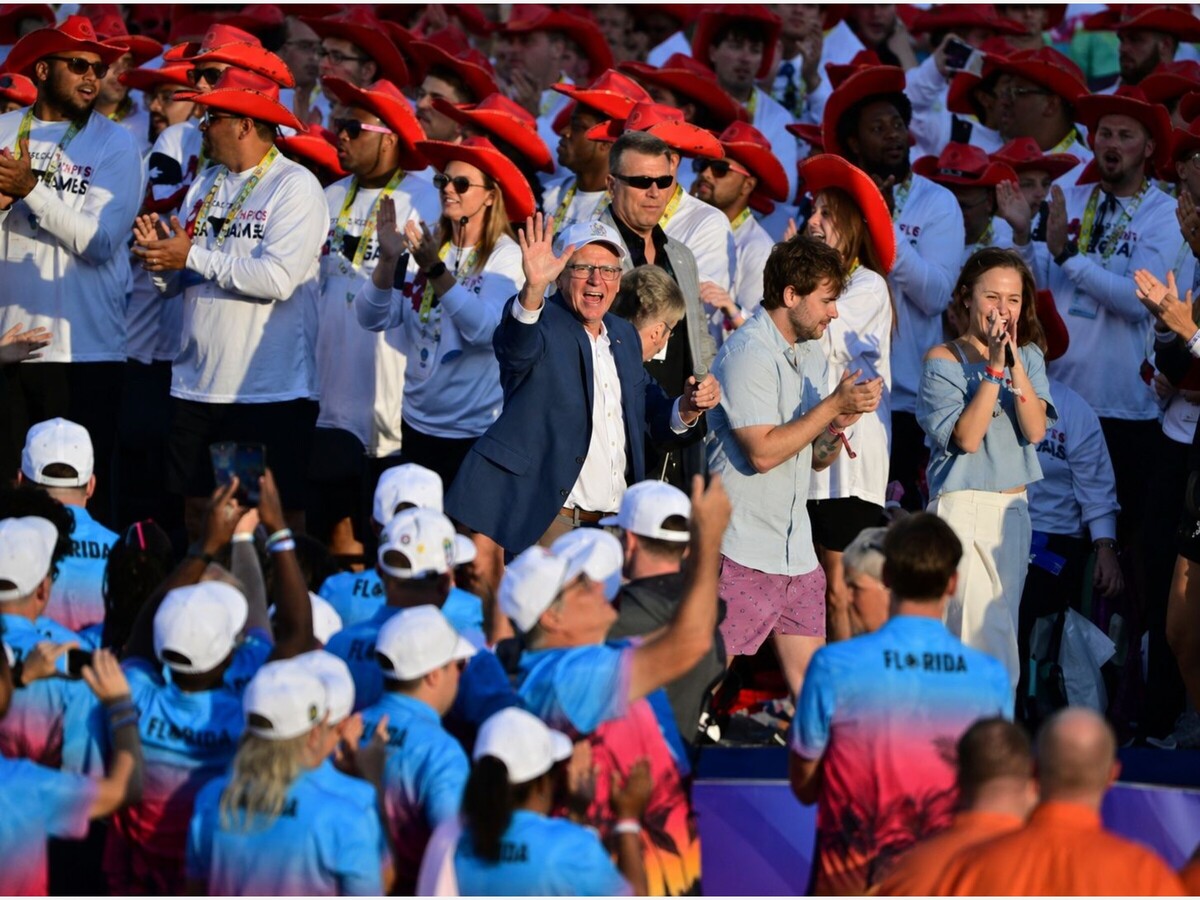



The Games, which run through June 26, bring together more than 3,000 athletes and approximately 1,500 coaches representing all 50 states, Washington, D.C., and U.S. territories. Organizers expect more than 75,000 spectators and visitors to participate in events and activities throughout the Twin Cities region during one of the largest sporting events hosted in the United States this year.
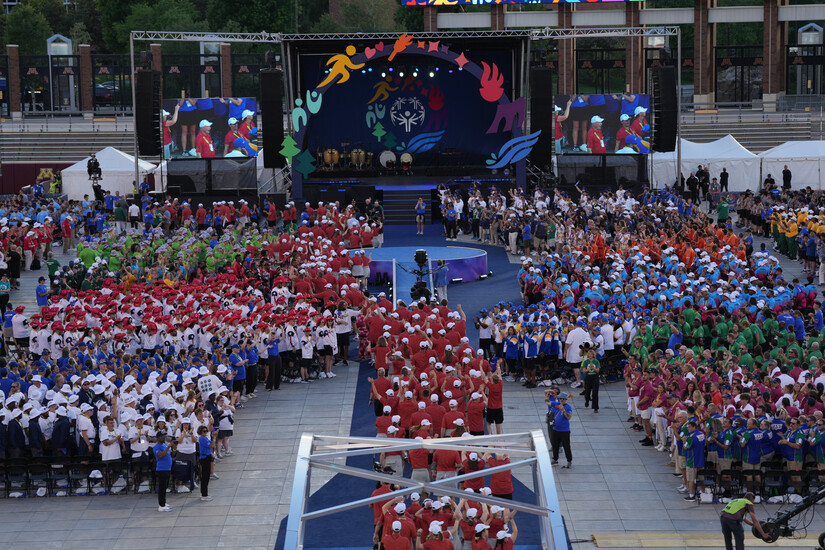
For Minnesota, the Games represent both a major sporting event and a return to a legacy that stretches back decades. The Twin Cities previously hosted the 1991 Special Olympics World Summer Games, a landmark event that helped establish Minnesota as one of the nation's leading centers for inclusive athletics. Thirty-five years later, the state is once again welcoming athletes from across the country to compete on one of the movement's largest stages.
The Opening Ceremony, which lasted approximately two and a half hours, blended athletic tradition, entertainment, and storytelling while formally declaring the Games underway.
The evening featured performances by global recording artist Demi Lovato and acclaimed musician Jon Batiste, while composer Jim Papoulis contributed custom musical works developed specifically for the 2026 Games and their theme of inclusion.
Yet the ceremony's most memorable moments belonged not to entertainers but to the athletes themselves.
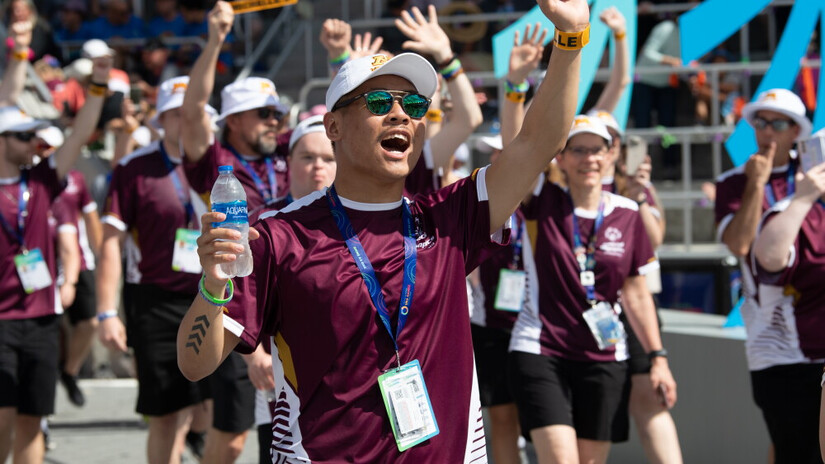
As part of the traditional Parade of Athletes, more than 3,000 competitors and 1,500 coaches representing 52 delegations entered the stadium floor. The procession transformed the football field into a display of national unity, with athletes carrying state banners and proudly representing their communities.
Host Team Minnesota entered last, receiving one of the loudest ovations of the evening from a hometown crowd that recognized both the significance of the event and the years of preparation that made it possible.
The emotional high point arrived with the entry of the Flame of Hope, carried into the stadium after completing its final leg through the Law Enforcement Torch Run. The torch, escorted by law enforcement officers and Special Olympics athletes, was used to ignite a custom-designed Minnesota cauldron, officially opening the 2026 Special Olympics USA Games.
Athletes and officials then recited the traditional Special Olympics oaths, reaffirming the movement's commitment to courage, fairness, respect, and sportsmanship.
The ceremony also featured a creative segment titled "Calling All Champions," which connected Minnesota's history as host of the 1991 World Games with the present-day Special Olympics movement. The performance showcased Minnesota artists and highlighted the growth of inclusion-focused athletics over the past three decades.
While the Opening Ceremony captured national attention, the focus now shifts to competition.
Athletes will compete in 16 sports throughout the week at venues across Minneapolis, Blaine, St. Paul, and Bloomington.
The University of Minnesota's Twin Cities campus serves as the primary hub of the Games, functioning as both the athletes' residential village and the site for 10 sports, including athletics, swimming, powerlifting, basketball, bocce, competitive cheer, gymnastics, tennis, volleyball, and cornhole, which is making its USA Games debut.
Additional competition is taking place at the National Sports Center in Blaine, one of the largest amateur sports complexes in the world. The 600-acre facility is hosting soccer, flag football, golf, softball, and pickleball, another sport making its first appearance in the USA Games.
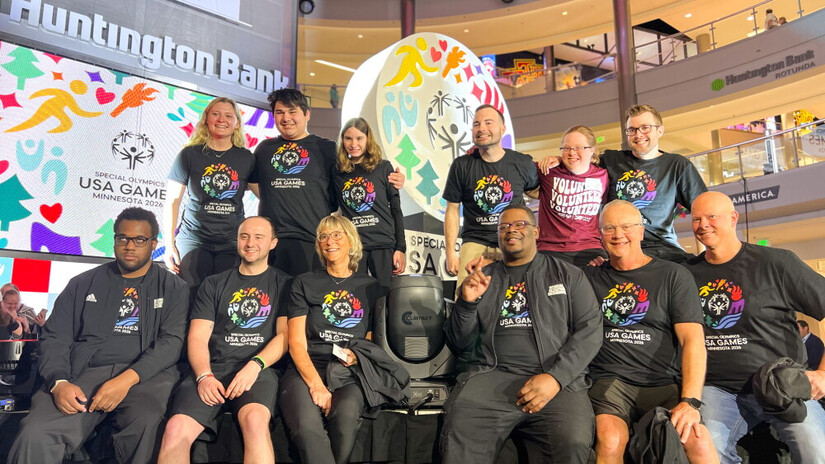
Beyond athletic competition, organizers have expanded programming throughout the metropolitan area. Community events and public activations are scheduled at locations including Allianz Field in St. Paul and the Mall of America in Bloomington.
One of the most significant initiatives accompanying the Games is the Healthy Athletes program, which is expected to provide approximately 10,000 free health screenings and medical services during the week. The program addresses a longstanding challenge within the intellectual disability community, where access to specialized healthcare services has historically lagged behind that of the general population.
Founded by Eunice Kennedy Shriver in 1968, Special Olympics has evolved far beyond sports competition alone. Today, the organization serves millions of athletes worldwide and supports initiatives involving health, education, leadership development, workforce inclusion, and community engagement.
Still, at the center of the movement remain the athletes themselves.
For many competitors in Minnesota this week, qualifying for the USA Games required years of training, regional competition, and personal dedication. Reaching the national stage represents the culmination of a journey that often began in local Special Olympics programs and community sports leagues.
The Games also bring substantial economic and civic benefits to Minnesota. Thousands of visiting athletes, family members, coaches, volunteers, and spectators are expected to generate significant activity for hotels, restaurants, transportation providers, entertainment venues, and local businesses throughout the Twin Cities region.
National audiences are able to follow the competition through extensive broadcast coverage. ESPN+ is providing nearly 50 hours of live event coverage throughout the week, while ABC is scheduled to air national preview and review programs highlighting athletes, competitions, and stories emerging from Minnesota.
Coverage includes analysis from former Olympic, Paralympic, and professional athletes, helping elevate the visibility of competitors whose accomplishments have often received less national attention than other major sporting events.
That visibility remains one of the central goals of the Games.
While medals will be awarded across 16 sports and champions will emerge in dozens of divisions by week's end, organizers have consistently emphasized a broader mission: demonstrating what becomes possible when barriers are removed and opportunities are expanded.
For one week, Minnesota serves as the home of that mission.
From Huntington Bank Stadium to the University of Minnesota campus, from the National Sports Center in Blaine to venues throughout the region, thousands of athletes are competing not only for victories but also for recognition, inclusion, and the opportunity to showcase their talents before a national audience.
The competitions are underway. The medals have yet to be awarded.
But for many of the athletes who marched into Huntington Bank Stadium on Saturday night, arriving at the USA Games already represents a victory years in the making.
2026 SPECIAL OLYMPICS USA GAMES AT A GLANCE
Dates: June 20–26, 2026
Athletes: More than 3,000
Coaches: Approximately 1,500
Delegations: 52
Sports: 16
Primary Venues:
• University of Minnesota Twin Cities Campus
• National Sports Center, Blaine
Opening Ceremony:
• Huntington Bank Stadium, Minneapolis
Broadcast Coverage:
• ESPN+
• ABC
Featured Programs:
• Healthy Athletes
• Law Enforcement Torch Run
• Athlete Leadership Initiatives
• Community Inclusion Events
MinneapoliMedia | Community. Culture. Civic Life.


Sunny, with a high of 89 and low of 54 degrees. Sunny for the morning, clear overnight.