Image
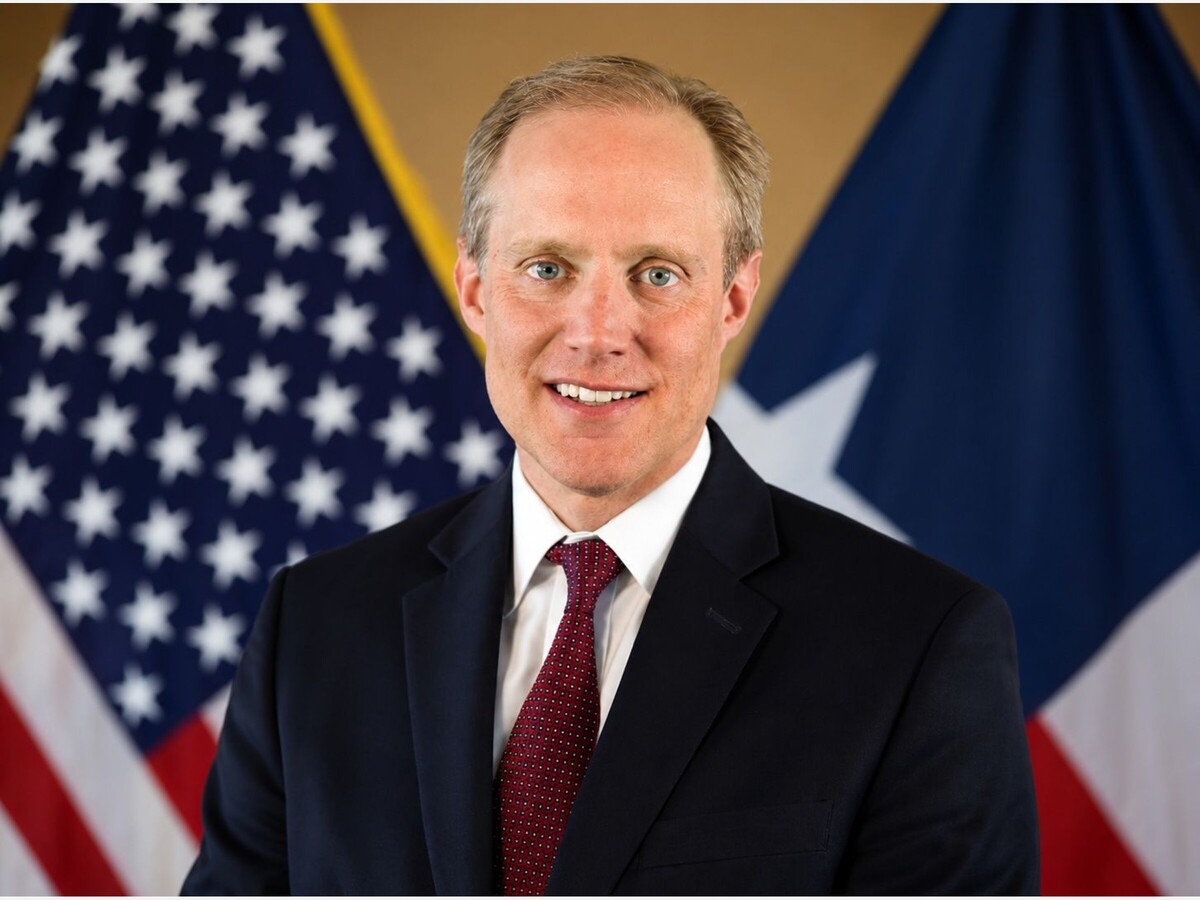



In a formal response issued July 10, Simon’s office said Minnesota already follows federal election laws and maintains multiple systems for verifying voter eligibility and keeping registration records accurate.
The exchange began July 7, when Harmeet K. Dhillon, assistant attorney general for the Justice Department’s Civil Rights Division, sent Simon a letter outlining federal requirements governing election administration.
The letter warned election officials that knowingly retaining ineligible noncitizens on voter lists or facilitating illegal voting could create criminal exposure under federal law. Similar letters were sent to election officials across the country.
The department asked Minnesota to explain within five days how state and local officials ensure compliance and how the federal government could assist those efforts.
The Justice Department’s letter reviewed several federal statutes covering election records, voting rights, voter-registration systems and election administration.
Those laws require officials to preserve records from federal elections, maintain accurate registration systems, provide required voter information and ensure eligible citizens can register and vote.
The letter also addressed federal prohibitions against voting by noncitizens and against knowingly making false citizenship claims to register or vote.
One important legal distinction applies to Minnesota. The state is exempt from several provisions of the National Voter Registration Act because Minnesota has offered Election Day registration continuously since before the federal law’s exemption date.
Other federal election requirements, including provisions of the Help America Vote Act and laws governing federal election records, continue to apply.
Simon said Minnesota’s elections are “fair, accurate, honest, and secure” and argued that his office has already provided the Justice Department with extensive information about the state’s voter-list procedures.
“At best, this latest letter is an unnecessary distraction from administering the elections that are underway across the state right now,” Simon said in the statement released by his office.
He added that Minnesota officials are familiar with the laws cited by the department and will continue following them.
The state’s 10-page response describes Minnesota’s voter-registration process, eligibility requirements, verification systems, record-retention procedures and coordination with local election officials.
To register in Minnesota, a person must be a United States citizen, be at least 18 years old by Election Day, have lived in Minnesota for at least 20 days and not be incarcerated for a felony conviction. A court order removing a person’s voting rights can also make that person ineligible.
Applicants must provide identifying information, including their name, birth date, address and a driver’s license, state identification number or another identifying number when applicable.
Minnesota permits registration online, by paper application, through eligible driver’s license and identification-card transactions, or at a polling place on Election Day.
Simon’s office said voter-registration applications are checked against state and federal records.
The response argues that cases involving unlawful registration are rare and that Minnesota’s verification systems generally identify problems before an ineligible person is added to the registration list or casts a ballot.
County attorneys report election-related investigations and prosecutions to the secretary of state each year.
Simon’s office cited two recent cases involving fictitious voter-registration applications. According to the state, local election officials detected the applications and referred them to law enforcement before they could be used to register or vote. The state said it coordinated with local authorities, the FBI and the U.S. Attorney’s Office in Minnesota.
The state’s response also emphasizes that registration allegations, registration attempts and illegal ballots are not interchangeable categories. An improper or fraudulent application detected during verification does not mean an illegal vote was cast.
The Justice Department’s nationwide letters come amid continuing federal scrutiny of state voter-registration systems and renewed political debate over noncitizen voting.
Federal law prohibits noncitizens from voting in federal elections. Minnesota law also requires United States citizenship to vote in state and local elections.
The dispute centers not on whether those prohibitions exist, but on whether states are adequately enforcing them and how much authority federal officials have to demand information about state registration systems.
Simon maintains that Minnesota is complying with the law and has been transparent about its safeguards. The Justice Department argues that federal oversight is necessary to ensure uniform compliance and protect election integrity.
The correspondence does not establish that large numbers of noncitizens are registered or voting in Minnesota. The federal letter presents legal requirements and seeks information about compliance. Minnesota’s response says its procedures already meet those requirements.
The disagreement is likely to remain part of a broader national conflict over voter-list maintenance, federal oversight, access to voter information and public confidence ahead of the November 2026 elections.
Sources: Minnesota Secretary of State’s July 10 response and U.S. Department of Justice letter
MinneapoliMedia | Community. Culture. Civic Life.



Sunny, with a high of 85 and low of 49 degrees. Sunny for the morning, overcast for the afternoon and evening, clear overnight.