68° and Patchy rain nearby
Image
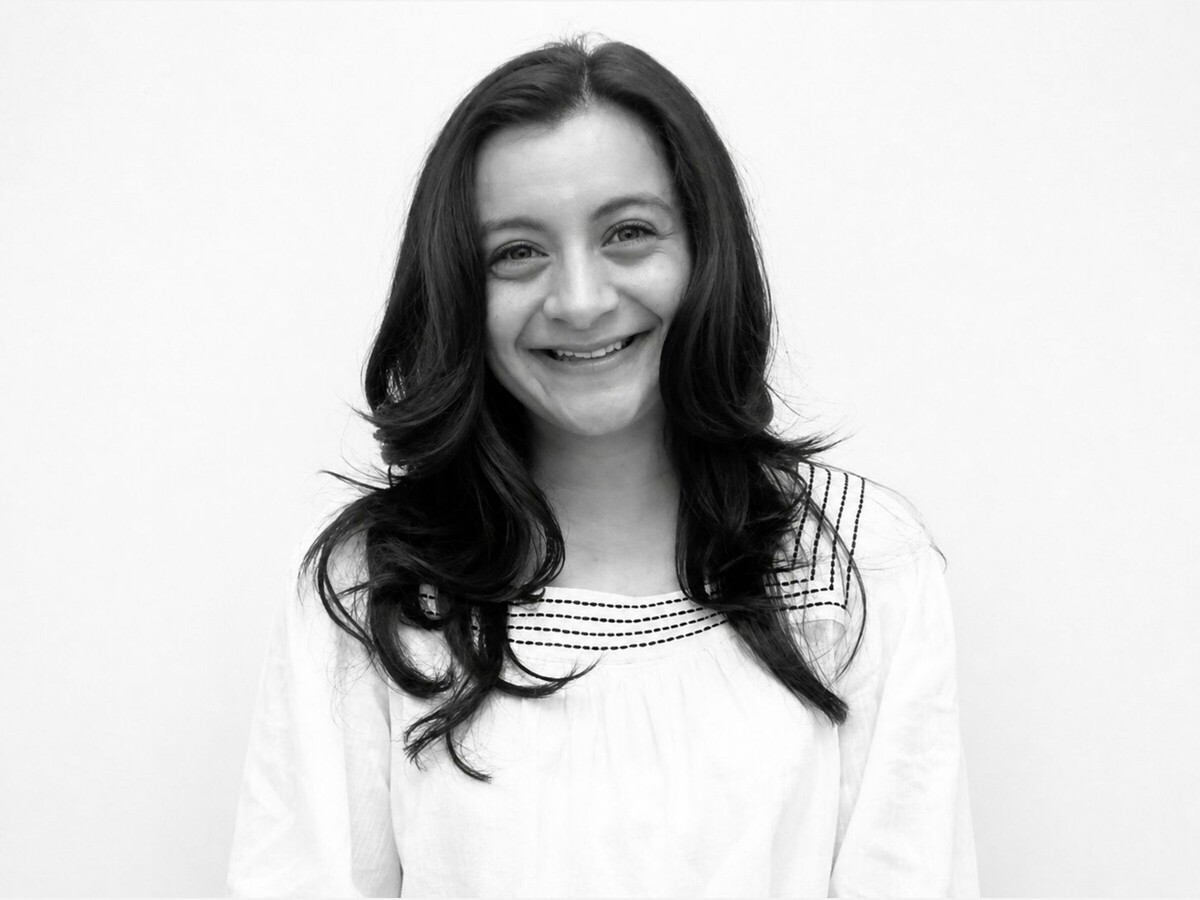



That childhood between worlds taught her that culture is never static. It lives in families, memory, food, and music.
Today, as a culture and music reporter for The Salt Lake Tribune, Jayswal brings that foundational perspective to the American West. Whether she is reporting on displaced immigrant vendors, the fate of historic LGBTQ spaces, or forgotten state archives, her work resists the transactional speed of modern media. Instead, she practices journalism grounded in presence, curiosity, and community accountability.
We spoke about her transition from literary ambitions to local newsrooms, the ethics of earning trust, and what it means to document the memory of a changing state.
TOM AKAOLISA
You were born in Gujarat and brought to Utah as an infant. Looking back at growing up between Indian traditions at home and American suburbia outside, what early experiences first nourished your curiosity about people and their stories?
PALAK JAYSWAL
My parents kept us connected to our culture from the start. Even though I was growing up in Utah, we spoke Gujarati at home, and I learned Hindi through Bollywood films. My parents worked incredibly hard, as immigrant parents do, and we lived a solid middle-class life. Our weekend routine was simple: we would go to the Indian grocery store, rent three new Bollywood movies, and watch them together as a family.
For anyone who hasn't seen a Bollywood movie, they are vibrant, family-centered stories driven by music. Growing up with those films and listening to songs on cassette tape made me invested in story and emotion early on. I was always proud of my heritage, but because I was a quiet kid who read constantly, I became observant of other people as well. In middle school, most of my classmates were Hispanic and listened to rap. I absorbed their culture too, just by listening and paying attention to what mattered to them.
AKAOLISA
How has moving between those distinct cultural worlds influenced the way you report today?
JAYSWAL
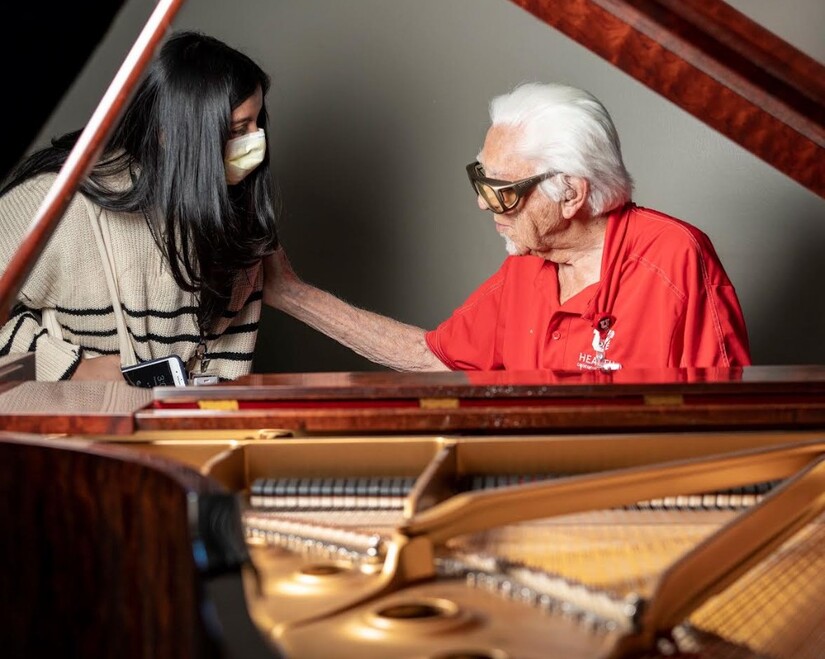 Palak Jayswal | Credits: Leah Hogsten
It made me notice what traditional news coverage misses or gets wrong. One thing that always bothered me about journalism is that immigrant and minority communities are often only covered when something terrible happens. Reporting on a crisis is necessary, but if that is all you cover, people only ever see themselves reflected through tragedy.
I wanted my reporting to reflect everyday life. A few years ago, I pitched a piece on Utah's "Festival of Colors," an event modeled on Holi. In Utah, it is largely targeted toward a white audience. That is fine, but I wanted to write about how Holi is far more than just throwing colored powder, and how its traditions vary across India.
Later on, I covered the closure of a massive swap meet in West Valley City. On paper, it looked like a simple property story: land sold by an out-of-state owner to a developer, requiring new zoning. But to the hundreds of immigrant families selling goods there every weekend, it was their income and community center. Having grown up nearby, I understood why it mattered. I spent weekends walking the aisles and attending city council meetings because the real story was about the vendors caught in the middle of a land deal.
AKAOLISA
Before turning to journalism, you planned on becoming an author. Do you feel journalism found you before you fully realized it was what you wanted to do?
JAYSWAL
In a way, yes. Books were my comfort growing up. Being a kid is difficult, and reading gave me a sense of safety that I wanted to create for others through writing. Once I arrived at the University of Utah, though, I realized how tough traditional book publishing actually is. My dad suggested I pick up a second major, so I chose Communications with a focus on journalism.
Everything shifted during a Journalism 101 class. I wrote a review of a Harry Styles concert I went to in Arizona, and the instructor suggested I apply to the student newspaper.
I applied for a paid copy-editing job at The Daily Utah Chronicle and was rejected. I cried for three days. Shortly after, an editor called me back and said my writing was too strong to be hidden away editing other people's copy. He put me in touch with the arts desk, and I began reporting. At the same time, I was sitting through literature courses analyzing James Joyce, discussing why the curtains in a scene were blue and whether that meant the character was sad. I was bored. I didn't want to analyze text in a classroom; I wanted to report on real people. I walked across campus, called my mom, and told her I was dropping the English major. Journalism gave me a direct way to write about living stories.
AKAOLISA
Journalism often requires asking deeply personal questions of strangers. Do you remember an assignment that taught you what it takes to earn someone's trust?
JAYSWAL
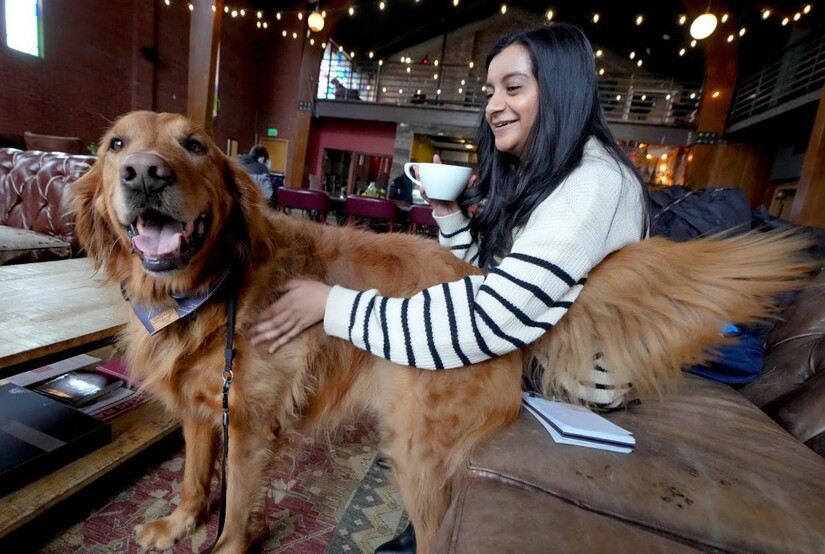 Palak Jayswal | Credits: Francisco Kjolseth
It happened early in my time at The Salt Lake Tribune. A historic LGBTQ bar in Salt Lake City called the Sun Trapp was suddenly boarded up for a few weeks. The community was concerned, and news outlets across the city were trying to figure out what happened.
Rather than sending a quick email asking for a quote about ownership disputes, I sent a message to management explaining that I wanted to understand what was happening to the staff and what the closure meant to the people who relied on that space.
The owner at the time, Michael Repp, called me back. He told me that if I wanted to talk, I should come to his house that evening because the staff would be there. I showed up and found about fifteen employees sitting in his living room. I set my recorder on the table and spent hours listening, keeping careful notes so I could quote everyone accurately. Afterward, Michael told me I was the only reporter he responded to because I was the only one who asked about the human side of the story.
That stuck with me. When you are rushing to meet a deadline, it is easy to treat people like quick quotes. But when you slow down and treat their situations with care, they trust you. Michael became a valuable source for years, and after he passed away, I wrote his obituary.
AKAOLISA
Beyond newsroom rules or style guides, what duty does a reporter owe to people whose lives end up in the public record?
JAYSWAL
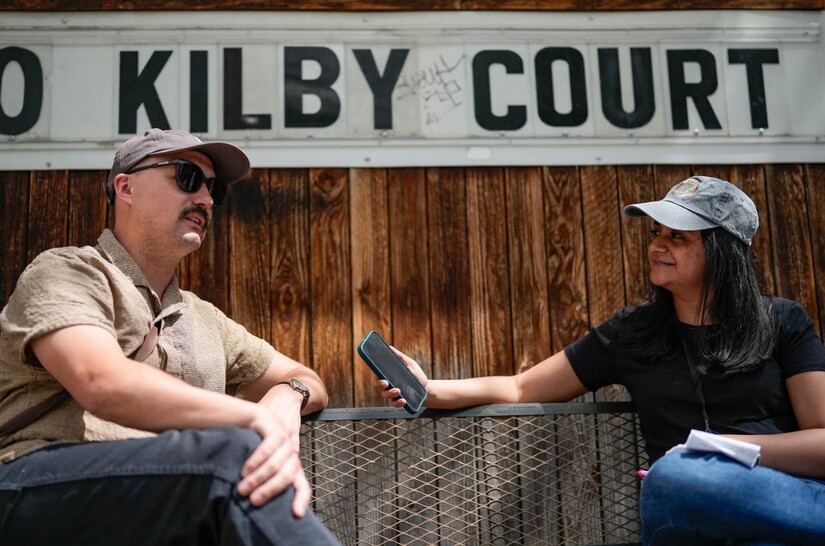 Palak Jayswal | Credits: Francisco Kjolseth
The main responsibility is to make sure people feel represented accurately. My approach has always been people first.
That applies to every story I take on. Reality television has become a major Utah export with shows like The Secret Lives of Mormon Wives. While other outlets publish episode recaps, I look at the local impact: Which small businesses appeared on screen? Who owns them? How are real residents navigating that national attention?
It applies to history as well. When the new Museum of Utah opened near the Capitol, I took the media tour. What caught my attention was how the exhibits highlighted individual lives, including records of enslaved Black men who traveled with the early pioneers. That is a part of state history rarely taught in local schools. My goal is always to look past the official press release and ask who is actually being affected and who might be left out.
AKAOLISA
Culture and arts coverage are sometimes labeled as soft news. How do you view the purpose of your beat?
JAYSWAL
I cannot imagine being any other type of reporter. So much of the daily news is heavy, covering crime, politics, and environmental crises. Culture reporting provides context for how people actually live. It records community traditions, local history, and creative work.
Readers need news about laws and policy, but they also want to understand the identity of the place they live in. Whether I am writing about a century-old amusement park or how a neighborhood market functions as a community hub, culture reporting documents real life. That is not soft news; it is essential community history.
AKAOLISA
Culture reporting often captures quiet moments today that become the historical record tomorrow. Do you think of your work as preserving a community's memory?
JAYSWAL
I do not sit down at my desk thinking about writing history, but looking back, I realize local newsrooms build that record. I have written extensively about Salt Lake City's Japantown, a historic neighborhood now reduced to a single block with two churches, where community members are pushing to protect their heritage during downtown redevelopment. If a neighborhood or gathering space disappears, our reporting becomes the record of what was there and why it mattered.
AKAOLISA
Local journalism has changed dramatically over the last decade. What concerns you most about its future, and what keeps you motivated?
JAYSWAL
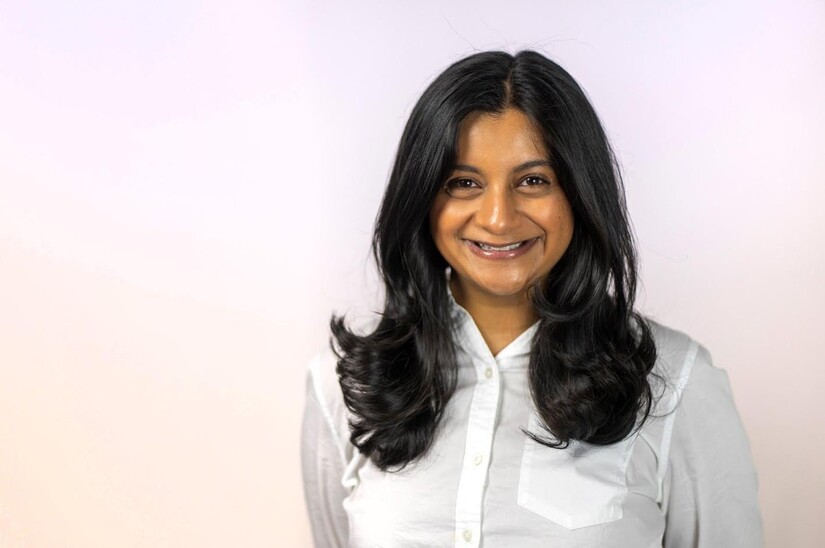 Palak Jayswal | Credits: Rick Egan
My main concern is distribution, specifically finding ways to ensure good reporting reaches people where they are. Fewer people wake up and read a physical paper on their porch. Most people find news while scrolling on their phones. Newsrooms have to adapt to those habits without sacrificing the quality of the reporting.
What keeps me motivated is the direct response from readers. I keep a folder in my inbox of notes from people I have interviewed. Last year, a local fashion designer named Afa Ah Loo was killed in a shooting. I covered his death, and months later, I returned when his friends staged a tribute show using his unfinished designs. Afterward, one of his friends wrote to tell me that my coverage meant a lot because it was clear I cared about Afa as a person, not just as a news item. Moments like that remind me why local journalism matters.
AKAOLISA
When readers look back at your work years from now, what do you hope they say about the way you told other people's stories?
JAYSWAL
I hope they say I reported with heart and captured the true variety of people living in Utah. Most of all, I want my work to be remembered as the people's work. I might be the one writing the story, but the experience belongs to them.

Local stories matter. Subscribe free to MinneapoliMedia and receive independent news, community reporting and important updates from Minneapolis, the North Metro and communities across Minnesota.
SUBSCRIBE FREE: https://minneapolimedia.town.news/subscribe
MinneapoliMedia | Community. Culture. Civic Life



Overcast, with a high of 73 and low of 57 degrees. Overcast during the morning, partly cloudy overnight.