72° and Sunny
Image
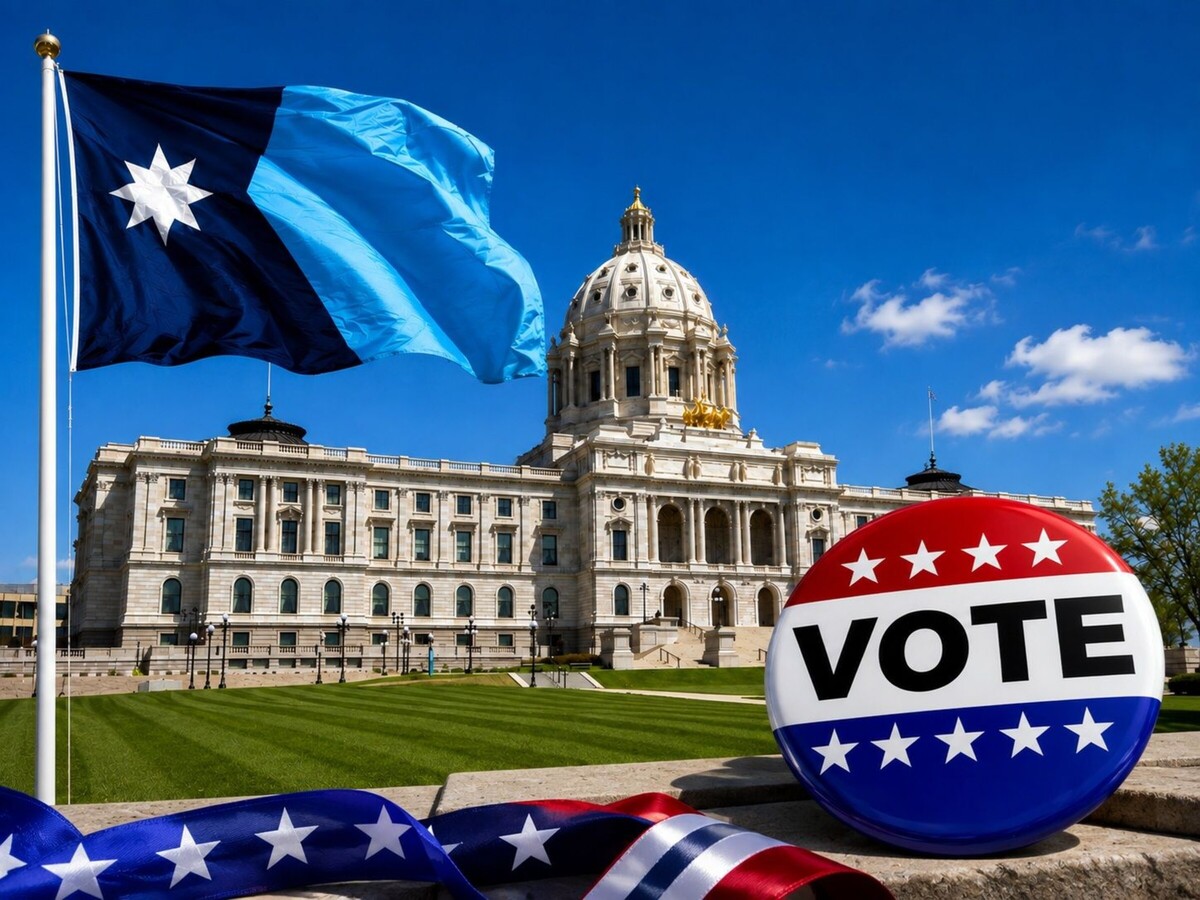



SAINT PAUL, MN (September 8, 2026). Minnesota's mail-voting system remains unchanged as the state prepares for the November 3 general election, but an escalating federal court fight could determine whether election officials must make substantial changes only weeks before voting begins.
The Trump administration has returned to the U.S. Supreme Court seeking permission to implement new U.S. Postal Service requirements governing ballots sent through the mail. A federal judge has blocked the rules while Minnesota and other states challenge them.
For Minnesota voters, the immediate message from Secretary of State Steve Simon is straightforward: nothing has changed.
Minnesotans who are eligible to vote by mail can continue preparing to use the state's existing process while the litigation proceeds.
The dispute involves a Postal Service rule issued in August following a March executive order from President Donald Trump. Among other requirements, the rule would require states to provide information on mail-ballot recipients through a new Postal Service system and would impose additional procedures governing ballot envelopes and the processing of outgoing ballots.
Minnesota joined other states and voting-rights organizations in challenging the requirements in federal court.
A federal judge in Massachusetts initially blocked implementation in late August. The legal fight has continued, and the administration is now again asking the Supreme Court to allow the restrictions to take effect ahead of the midterm election.
The timing is especially consequential because Minnesota's general-election voting period is approaching and local election offices are already preparing ballots, equipment and staffing.
Simon said the proposed system would require substantial new work from state and local election officials.
According to the Secretary of State's Office, the Postal Service rule would require states to submit voter information through a new federal portal. As of September 2, Simon's office said that portal was not operational and had not been made available outside the Postal Service.
The rule would also require additional processing before ballots are mailed.
Simon said Postal Service estimates indicate that processing each ballot could take as long as one minute. Minnesota mailed more than 450,000 ballots during the 2024 election, meaning processing a similar volume under the proposed system could require at least 7,500 hours of additional work.
Minnesota election officials are particularly concerned about the effect on local governments, which administer much of the state's election system.
Simon's office said implementing the rule on the current timetable could require a rapid increase in election staffing and training at the local level while election administrators are already preparing for November.
The Secretary of State has also emphasized an important distinction for voters: the disputed federal rule concerns the process for sending ballots to voters, rather than voters mailing completed ballots back to election officials.
Minnesota's legal challenge argues that the federal government lacks authority to impose the new requirements on state election administration and that implementing them so close to an election could prevent eligible voters from receiving ballots on time.
The federal government maintains that the Postal Service can impose the requirements and has asked the Supreme Court to permit implementation while the litigation continues.
The latest court fight comes as Minnesota prepares for a general election in which voting by mail is expected to remain an important option.
According to the Minnesota Attorney General's Office, 446,576 Minnesotans voted by mail during the 2024 general election. Mail voting is used by military personnel, students living outside Minnesota, people who cannot conveniently vote in person and residents of communities where elections are conducted primarily by mail.
The dispute has also begun moving into local government. Community leaders have urged the Dakota County Board to oppose the federal restrictions, arguing that implementation would place additional burdens on county election administrators and potentially create voter confusion.
Whatever political arguments surround the federal policy, the practical question for Minnesota voters is more immediate: whether the rules governing how they receive mail ballots will change shortly before the November election.
For now, they have not.
Minnesota remains under its existing mail-voting procedures while the courts consider the federal government's request.

Local stories matter. Subscribe free to MinneapoliMedia and receive independent news, community reporting and important updates from Minneapolis, the North Metro and communities across Minnesota.
SUBSCRIBE FREE: https://minneapolimedia.town.news/subscribe
MinneapoliMedia | Community. Culture. Civic Life



Overcast, with a high of 71 and low of 57 degrees. Partly Cloudy during the morning, patchy rain nearby during the afternoon, overcast during the evening, clear overnight.