39° and Clear
Image
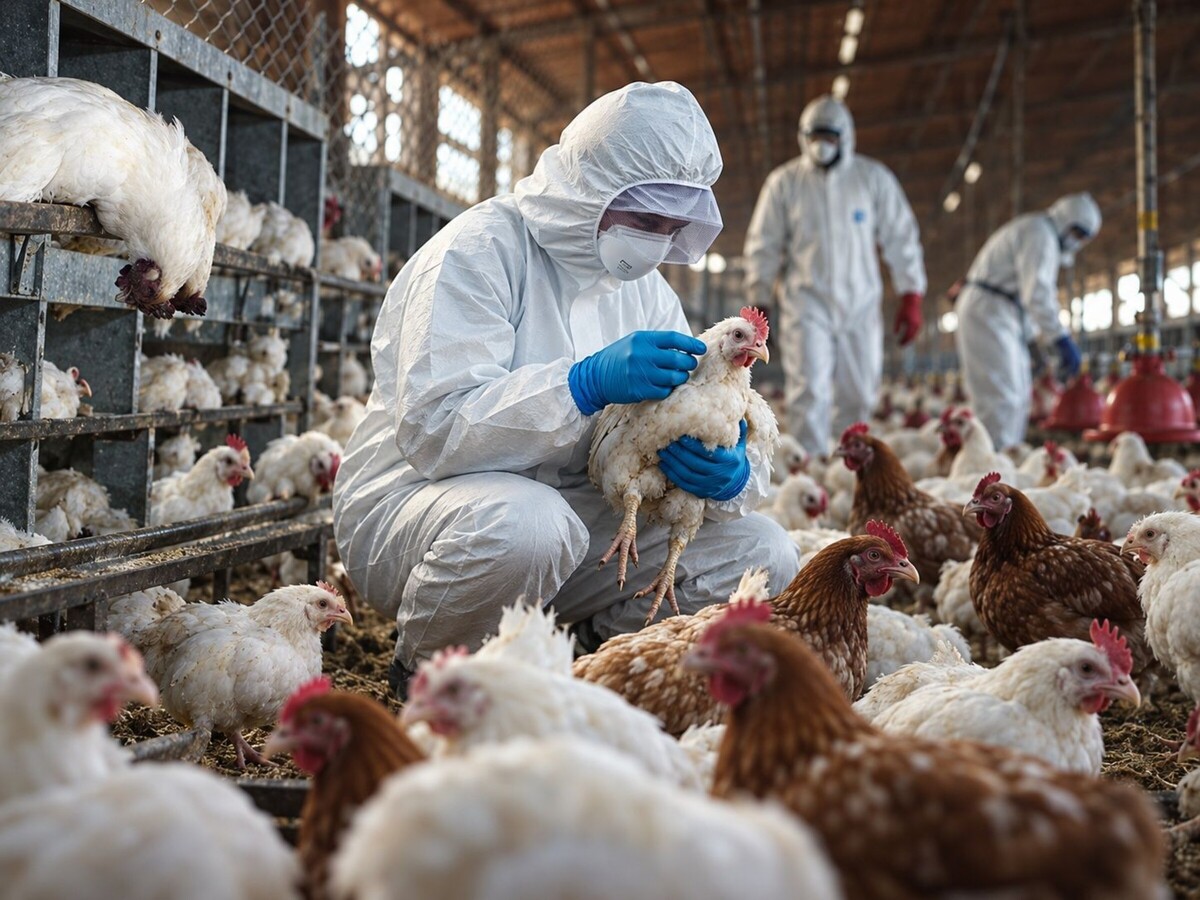



Minnesota experienced approximately six weeks without a confirmed outbreak before the virus was identified Sept. 1 in a Wright County commercial flock containing 29,800 birds. Since then, cases have been confirmed in seven commercial flocks and three backyard flocks.
The timing is significant because Minnesota officials generally expect the fall outbreak period to begin in October, when migrating waterfowl carry the virus south through the Mississippi Flyway. Officials have not determined why the fall resurgence began several weeks earlier in 2026.
Highly pathogenic avian influenza, commonly called HPAI or bird flu, can spread rapidly through poultry operations and kill entire flocks within days. When an infection is confirmed, affected birds are generally destroyed, buildings are cleaned and disinfected, and the property must remain empty before poultry can be introduced again.
The economic consequences are especially important in Minnesota, which leads the nation in turkey production and raises approximately 45 million turkeys annually. Repeated outbreaks can disrupt individual farms, veterinary-response teams, poultry supplies and international trade.
The Minnesota Department of Health reports that no human H5N1 infections have been detected in the state. Health officials continue to monitor people who work with infected animals, while the Board of Animal Health is urging poultry owners to prevent contact between domestic birds and wild waterfowl.
Owners who observe unusual illness or bird deaths should contact a veterinarian or Minnesota’s HPAI hotline at 1-833-454-0156.
Sources: Minnesota Board of Animal Health, Minnesota Department of Agriculture, Minnesota Department of Health and MPR News.

Local stories matter. Subscribe free to MinneapoliMedia and receive independent news, community reporting and important updates from Minneapolis, the North Metro and communities across Minnesota.
SUBSCRIBE FREE: https://minneapolimedia.town.news/subscribe
MinneapoliMedia | Community. Culture. Civic Life



Sunny, with a high of 68 and low of 49 degrees. Partly Cloudy during the morning, sunny for the afternoon, clear in the evening,