Image



COON RAPIDS, MN (October 1, 2026). Before the public sees a job announcement for a college president, provost, dean or other senior leader, an extensive process has already begun. Institutional leaders have debated what they need. Search consultants have examined the market. Campus constituencies may have been invited into listening sessions. A committee has been assembled, expectations have been tested and a leadership profile has been written with language intended to attract the person who will carry an institution through its next chapter.
Most candidates never see that preparatory work. They encounter the finished posting, assemble their materials and wait. If an interview does not follow, they are left to wonder what the institution recognized in someone else, what their own application failed to communicate or whether they were ever seriously considered.
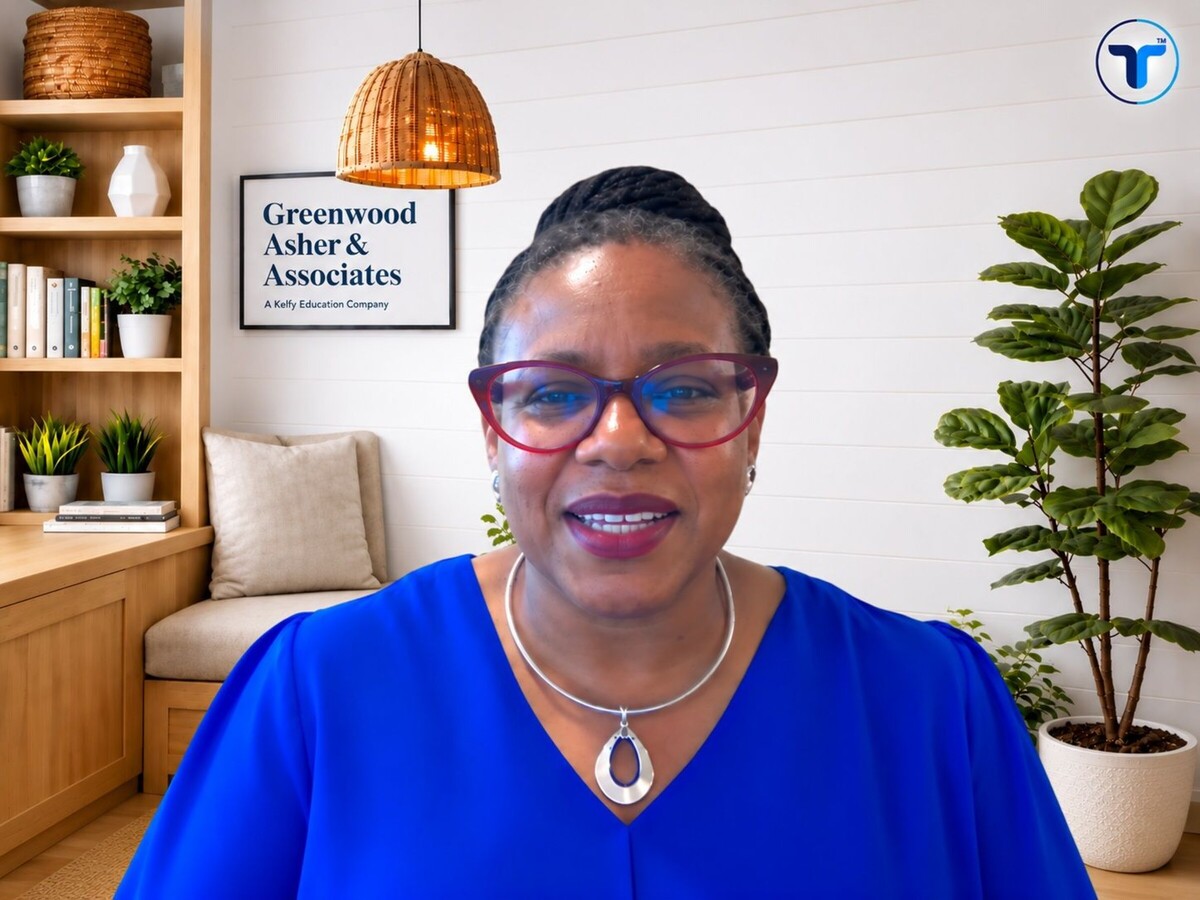
Andriel M. Dees, J.D., works inside that consequential space between institutional need and individual possibility. As vice president of executive search at Greenwood Asher & Associates, she helps colleges, universities and education organizations conduct nationwide searches for senior leaders. Her work includes helping clients clarify what they need, developing search processes, identifying potential candidates, preparing committees and facilitating the evaluation process. The final choices belong to the institutions and their designated decision-makers, while Dees and her colleagues help those institutions conduct careful and well-structured searches.
That made her a natural choice for the inaugural edition of TalentTact™, MinneapoliMedia’s long-form series examining employment, recruitment, hiring, career advancement and the changing world of work. The series is designed for everyone navigating that world, from first-time job seekers and workers confronting unexpected change to experienced professionals pursuing advancement, managers and executives preparing for greater leadership, and employers seeking to recruit, develop and retain exceptional talent.
During a wide-ranging conversation with MinneapoliMedia, Dees explained what happens before an executive position is advertised, why credentials alone rarely make a candidate compelling, how professional relationships influence opportunity and why employers must examine their own assumptions when they speak of finding the right “fit.” She also traced the personal and professional experiences that carried her from Gary, Indiana, to Hampton University, William Mitchell College of Law, statewide higher-education leadership and national executive search.
Her central message was direct. Advancement is not merely a contest for titles. Candidates must understand the work they actually want to do, recognize the demands attached to leadership and learn to connect their experience to the needs of an organization. Employers, in turn, must build fair processes, look beyond familiar networks and treat candidates as people making serious decisions about where to invest their lives.
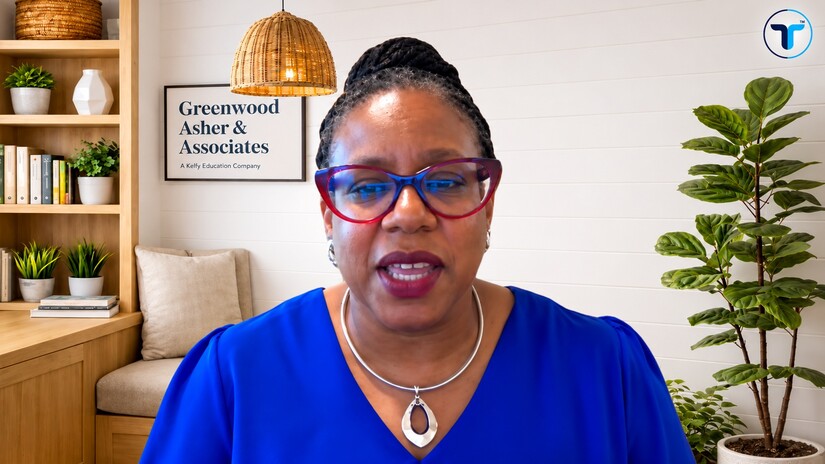
Dees has lived in Minnesota for approximately 35 years, but she still describes herself as a Midwestern girl from Gary, Indiana, a city about 30 miles southeast of Chicago. Her account of Gary is not framed by the familiar national narrative of industrial decline. She remembers a formative community steeped in pride, Black civic leadership and a strong sense of collective possibility.
She came of age in what she and longtime friends regard as a golden era for the city’s African American community. Gary elected Richard Gordon Hatcher as one of the first Black mayors of a major American city, and Dees grew up surrounded by people who demonstrated that public leadership and professional achievement were possible.
Her parents had moved to Gary to teach. Education, service and responsibility were not abstract principles in their household. They were expectations established early and reinforced through example.
Her father became a teacher and also pursued his life as a jazz musician. Well into retirement, she said, he continued playing for others. Her mother, too, remained an enduring influence. Both parents were in their 90s at the time of the interview.
“They planted the seed around education, the importance of community and the importance of giving back,” Dees said. Those values, supported by the broader community around her, were “fed into me from day one.”
The family story also gave her an early example of the legal profession. A cousin she admired entered Howard University School of Law when Dees was about 12. She had initially considered psychology, partly because friends often entrusted her with their problems, but the law began to hold her attention. A classroom legal exercise in high school strengthened that interest after she took the role of an advocate, won the case and began to imagine herself doing the work professionally.
Her cousin advised her that legal training required more than argument. It demanded an ability to communicate. Dees eventually chose English as her undergraduate field, a foundation that would prove useful across law, higher education and executive recruitment.
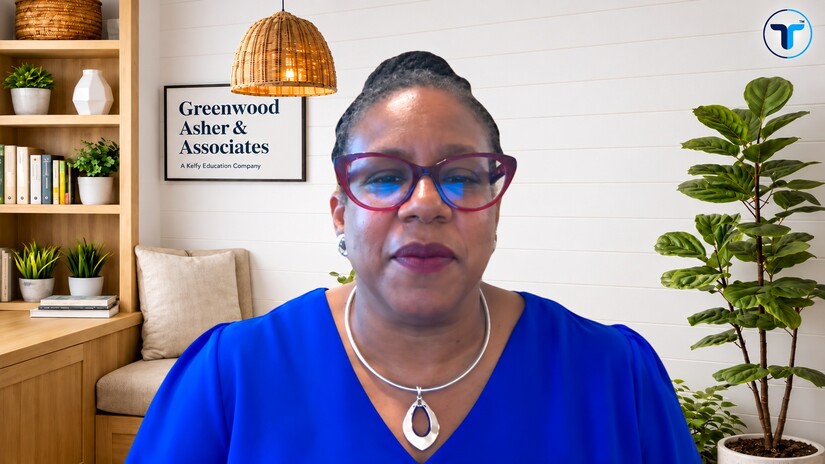
Dees’s route to Hampton University began with family road trips. Before organized HBCU tours became commonplace, her parents folded college visits into travel to see relatives in the South. As an only child, she recalled being placed in the car as the family traveled through the region, visiting historically Black colleges of different sizes and environments.
Hampton distinguished itself immediately.
“Hampton rolled out the red carpet,” she said. Some of the students she met during that early experience later enrolled alongside her and remained part of her network. The university also offered something more profound than an attractive campus. It widened her understanding of the African diaspora by bringing together students from across the United States and other parts of the world.
The experience gave her an intellectual home, enduring friendships and a deeper confidence in the value of institutions built around Black achievement. She still speaks of Hampton with unmistakable affection. During the interview, she noted that she was wearing Hampton blue.
“Best choice I ever made,” she said.
Her move to Minnesota for law school required another leap. Minnesota was not initially her first choice, she acknowledged, but an admissions leader at William Mitchell College of Law recognized promise in her application and advocated for the institution to invest in her. She remains grateful for that act of confidence.
Minnesota eventually became home in another lasting way. While attending law school, she met the man who became her husband. They have been married for approximately 30 years and have two adult children.
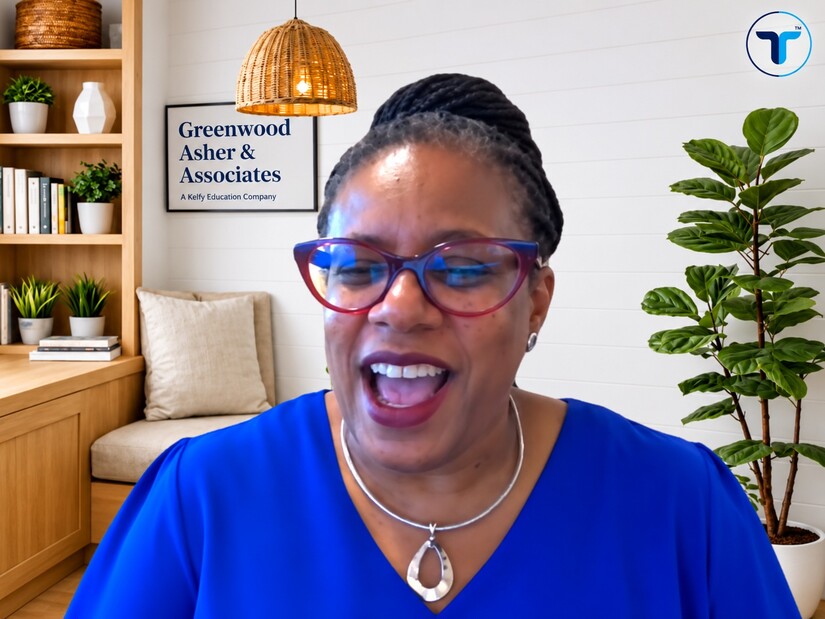
Dees did not enter law school with executive recruitment in mind. Her early plan was to practice estate planning and wills, return to Gary and perhaps open a firm. She had observed that many people in her parents’ generation had not fully developed plans for their estates, and she saw an opportunity to provide a needed service.
After her first year of law school, she worked with a firm focused on elder law. The experience was valuable, but it clarified that the field was not the right professional home for her.
Another opportunity changed the trajectory. An internship in the affirmative-action office of what was then Minnesota’s Department of Economic Security introduced her to workplace investigations and employment law. The experience showed her how consequential workplace conduct and institutional accountability could be, and the field immediately engaged her.
Employment law became the focus of roughly the first decade of her career. The next major chapter brought her into education, where she could connect legal knowledge with her commitment to students and institutional access.
At William Mitchell, the institution that had taken a chance on her, she eventually served as associate dean for multicultural affairs. She knew from experience that law school was demanding and that entering such an environment as an African American student could bring additional isolation and intimidation. Having people who understood those conditions could determine whether a student merely endured the experience or learned how to navigate it successfully.
Her subsequent work included senior diversity, inclusion and compliance roles at the University of Wisconsin-River Falls and Capella University. She joined Minnesota State in 2019 as system civil rights and Title IX compliance officer, later served as interim system diversity officer and was appointed vice chancellor for equity and inclusion in 2021.
In that role, she helped advance Equity 2030, Minnesota State’s systemwide effort to eliminate educational equity gaps. She described access, opportunity and meaningful support as principles that remained consistent throughout more than two decades in higher education.
Dees is deliberate when she discusses diversity, equity and inclusion. She resists allowing work that encompasses institutional access, belonging, opportunity and accountability to be reduced to an acronym or dismissed through political shorthand.
“It’s very important for people to feel included,” she said. “It’s very important for organizations to think broadly about who they have in their organization and then really hold themselves accountable.”
The connecting thread across her career is now easier to see. Employment law taught her to examine conduct, systems and responsibility. Higher education placed students and institutional opportunity at the center. Equity leadership required her to connect aspiration with measurable action. Executive search allows her to bring those experiences into the process through which institutions choose the people empowered to lead.
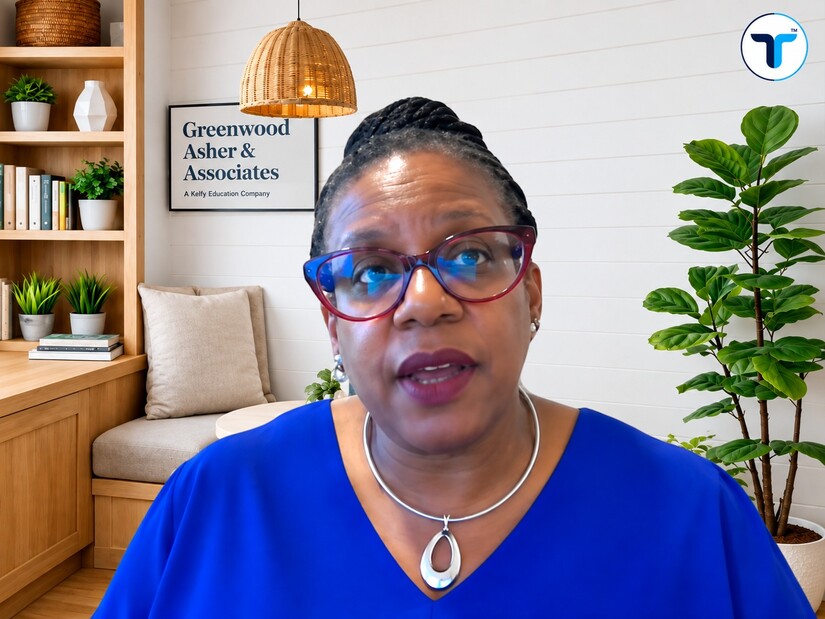
Dees became familiar with Greenwood Asher & Associates through her participation in Minnesota State presidential searches. Her vice-chancellor role allowed her to observe how a national search firm helped an institution define its needs, identify potential leaders and manage a process involving multiple stakeholders.
The transition into executive search brought her career full circle. She had spent years examining workplace behavior and institutional systems. Now she could work on what she called “the happy side” of employment work by helping organizations find strong leaders and helping qualified people encounter new opportunities.
Her legal, compliance and equity experience transferred naturally, but she discovered that her executive experience was equally important. Conversations with candidates for presidencies, provostships, deanships and other senior positions frequently involve strategic planning, resource allocation, academic priorities and the practical demands of implementing an institutional vision. Dees had already worked at that level.
She also brought relationships and perspectives that could broaden where a search firm looked for talent. Experience working across different communities can help establish trust with prospective candidates and signal that their records will receive serious consideration.
Dees sees herself as a connector, a quality that extends beyond formal assignments. During ordinary conversations, she often finds herself identifying people who should know one another and offering to make the introduction.
“That’s just naturally who I am,” she said.
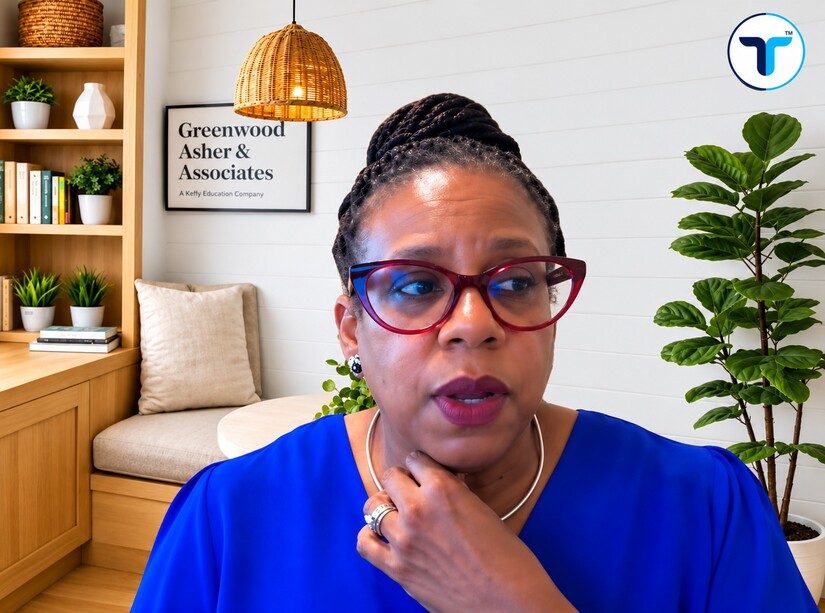
The visible portion of an executive search is only one part of a much longer process. Before a leadership profile is published, consultants and institutional representatives may spend weeks examining why the position is open, what challenges the next leader will inherit and what the market is likely to produce.
Dees said the search firm begins by probing the client’s needs and asking a foundational question: Why this position now?
Consultants discuss expectations, potential market conditions and the likely opportunities or obstacles involved in recruiting candidates. They must also understand the institution’s governing requirements. Public systems and individual institutions may have prescribed procedures for forming committees, conducting interviews and involving community stakeholders.
The preparatory process often extends beyond the senior administration. At the institution’s request, Greenwood Asher may conduct listening sessions with students, faculty members, staff, administrators and community representatives. The range of participants depends on the position and the constituencies it will affect.
Those conversations help produce a position profile specific to the institution rather than a generic catalogue of executive traits. By the time the profile is released, Dees said, “a lot of groundwork has really occurred.”
The institution may then enter what appears to be a quiet period. For the search team, however, that is the busy phase.
Consultants use research, professional relationships, referrals and a candidate database to identify people whose records may fit the opportunity. They do not simply wait for applicants to discover the posting. Search consultants and research associates examine the discipline, institutional type, region and national market to determine where credible candidates may be found.
Once candidates enter formal review, the consultants facilitate rather than dictate the outcome. Search-committee members represent the institution and evaluate the strengths, experience and potential of the people before them. Consultants can provide context extending beyond a paper review, prepare the committee, structure an equitable process and monitor whether interviews remain appropriate and consistent. The institution retains decision-making authority.
Candidates also receive information intended to help them understand what to expect. Dees emphasized that this must be done equitably. The objective is not to coach a preferred individual into an advantage but to ensure that every candidate has a fair opportunity to present their record.
Not every finalist will be selected, but Dees believes every participant should leave feeling heard and treated seriously. Candidates who did not receive a position have later contacted the firm to say that the process was respectful and that they felt prepared.
That experience matters. A search does not affect only the person who is hired. It also shapes how every participant views the institution and whether strong candidates will consider it again.
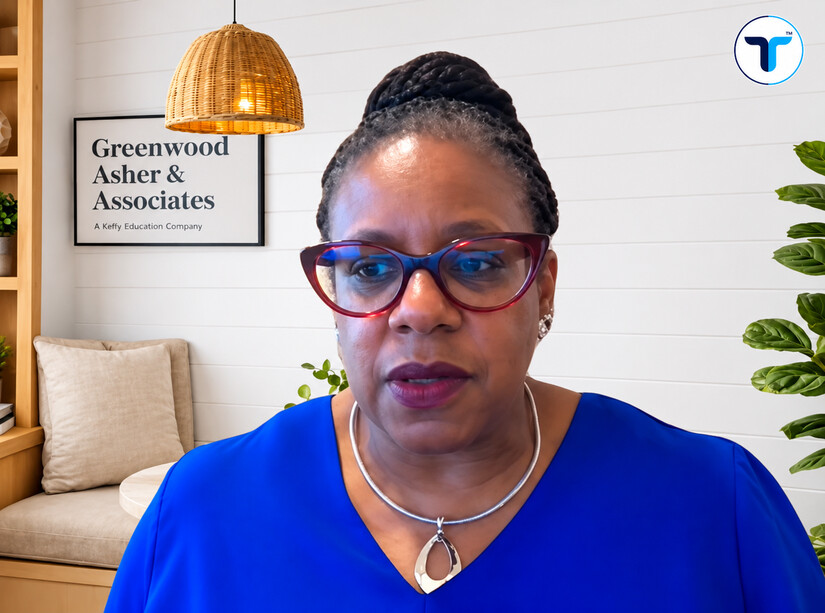
Applicants often read a position description, recognize that they meet the qualifications and assume that their fitness should be self-evident. The committee, however, must distinguish among numerous people who can credibly claim the required education and experience.
Dees said the difference frequently lies in a candidate’s ability to connect the evidence of past performance to the institution’s actual needs.
“When you go beyond the paper and start thinking about interview skills, it really does come down to a person’s ability to speak into what the needs of that organization are, not just what you bring to the table,” she said.
A prospective dean, for example, may need to discuss management, leadership style, budgeting and resource allocation. Merely stating that those responsibilities appeared in a previous job description is not enough. The candidate must give examples, explain decisions and show how the lessons from prior work could help the new institution move forward.
Preparation is crucial, but Dees does not describe the interview as a theatrical exercise in delivering memorized answers. Strong candidates listen, respond and adjust without abandoning who they are. She used the language of learning agility and leadership agility to describe an ability to absorb information, think quickly and pivot when circumstances require it.
An interview should become a conversation. The candidate must be comfortable enough to engage, candid enough to communicate genuine beliefs and prepared enough to explain why those beliefs matter in the new environment.
Experience develops that capacity. Dees acknowledged that she was not the same interviewee 30 years ago that she would be today. Some emerging professionals already possess unusual composure and agility, while others need time and practice. Nervousness is human, and a responsible process should account for it, but the candidate ultimately must demonstrate readiness when the moment arrives.
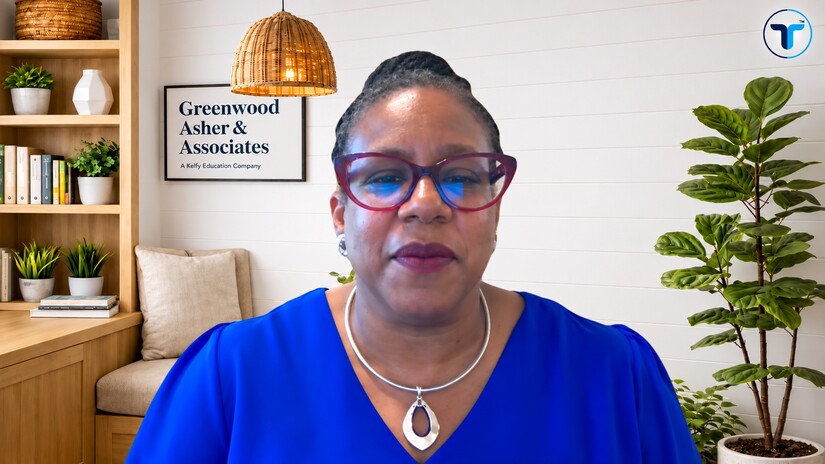
Dees encourages professionals to stop beginning with the title and instead ask what work they truly want to do. Some people are exceptional individual contributors and technical experts. Their value is not diminished because they do not supervise large teams or pursue an executive office.
For those seeking senior leadership, the institution matters as much as the position. Candidates should investigate the organization, determine whether its mission and circumstances genuinely engage them and decide whether they would be willing to invest themselves in its future.
Search committees can detect when someone is attracted primarily to status or compensation and has not studied the organization. A senior appointment is a mutual investment. The institution is assessing the candidate, but the candidate must also decide whether the organization deserves their labor, judgment and reputation.
“Be very picky,” Dees advised. “You owe it to yourself.”
The warning becomes even more important at the presidential level. A college or university president does not simply occupy an office during business hours. The leader carries the institution publicly “24/7, 365,” Dees said. The responsibility can be consuming.
She recalled an observation from her father’s life as a musician: “Music is a jealous mistress.” Serious work demands time, discipline and sacrifice. Executive leadership can make similar claims on a person’s life. Candidates must understand what they are pursuing and what they may be required to give up.
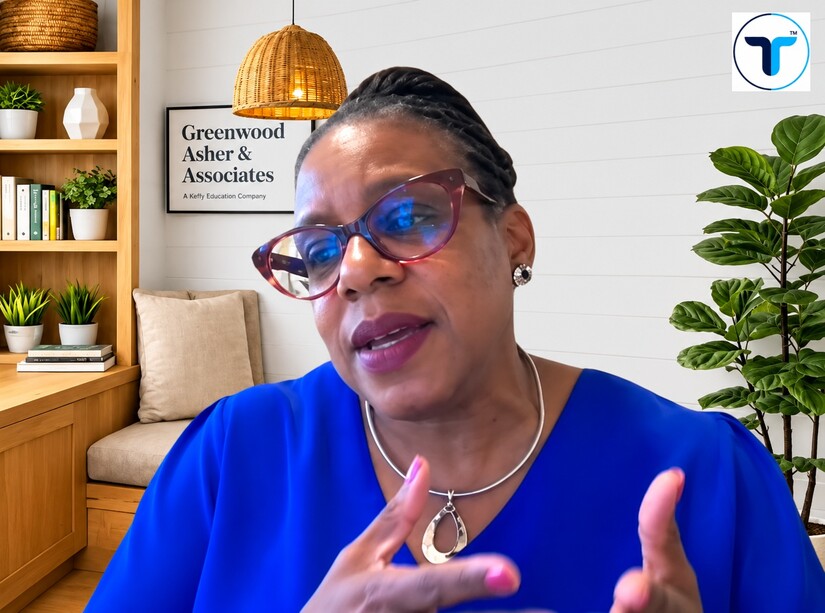
Executive searches do not depend solely on applications submitted in response to public advertisements. Consultants request nominations, search professional networks and contact people who may not be actively seeking another position. That reality can disadvantage professionals whose work is substantial but whose names do not circulate within established circles.
Dees believes relationship-building must begin before a person needs a job. She pointed to a network called PhD Sisters, created by a colleague while Dees worked at Capella University. The group brought together women of color, many of them African American women, who were pursuing doctorates while managing work and family responsibilities. Members supported one another through difficult academic years and carried those relationships into later professional life.
Some eventually entered universities, corporate leadership and other decision-making environments. They remembered the people who had worked beside them and could speak credibly about one another’s scholarship and ability.
Dees urged professionals to stay connected, avoid burning bridges over ordinary disagreements and assemble what one of her mentors called a “personal board of directors.” These are trusted people who care enough to offer honest correction, help someone “put your crown on straight” and advocate when an opportunity emerges.
“You don’t have to be in the room, but somebody needs to sponsor you in that room and nominate you in that room,” she said.
Candidates have a responsibility to cultivate genuine relationships, but Dees did not place the entire burden on individuals. Employers must help create developmental networks, support employee-resource groups and encourage meaningful communities in which talent can become visible. Recruiters also have a duty to search beyond familiar sources rather than repeatedly presenting the same kinds of candidates from the same circles.
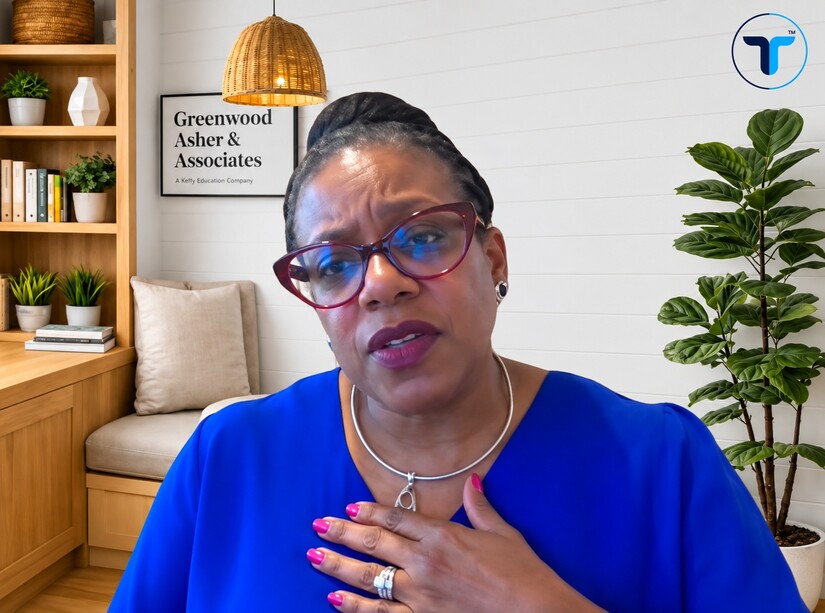
Few words in hiring are as common or as potentially evasive as “fit.” It can refer legitimately to the relationship between an institution’s needs and a candidate’s experience. It can also become a socially acceptable way to reward familiarity, reproduce existing leadership patterns or exclude someone whose identity or style makes a committee less comfortable.
Dees begins with a basic reality: people often feel an instinctive comfort with those who appear similar to them. A credible search process must acknowledge that tendency and deliberately challenge it.
Position requirements still matter, she said, but committees should consider the different experiences through which candidates may have developed the needed abilities. A conventional career path is not the only route to sound judgment, organizational leadership or strategic insight.
Search firms can help set that expectation, but the institution itself must commit to fair review. Every qualified candidate should be considered with respect, integrity and serious attention to what that person could contribute.
Dees emphasized that organizations benefit when a broader range of voices participates in thinking and leadership. Achieving that result requires more than assembling a visually diverse applicant pool. Institutions must examine how they define merit, whose experience they recognize and whether all candidates receive a genuine opportunity to demonstrate their value.
The work remains difficult and incomplete, she said, but difficulty is not a reason to retreat from it.
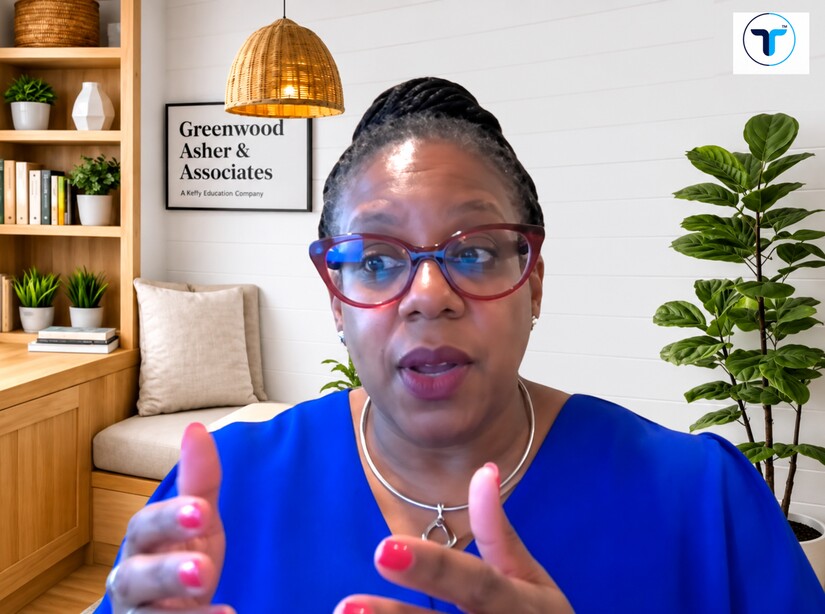
Higher education now faces financial strain, enrollment pressures, political conflict, public skepticism and rapid technological change. Dees said artificial intelligence has become an unavoidable part of conversations about institutional leadership. Candidates want to understand how an organization is integrating AI, how it will affect their work and whether the institution is prepared to manage the changes responsibly.
Policy instability is another concern. Prospective leaders want to know where an institution will stand when laws, political directives or public pressures shift. They increasingly ask whether the organization’s stated commitments to employees, faculty members, students and leaders are durable values or temporary language.
Credentials remain important, but values alignment has become a more visible part of a candidate’s calculation. Strong professionals are not only asking whether they can obtain a position. They are asking whether they want to join the institution offering it.
They are also less willing to tolerate unnecessarily prolonged hiring procedures. Institutions that require four or five stages of interviews without a compelling reason risk losing candidates who value their own time and recognize that they have choices.
Institutions risk losing strong applicants when they assume that prestige alone will keep candidates engaged through an unnecessarily prolonged process. A selection process communicates how an organization regards people. Efficiency, transparency and respect have become competitive issues in the market for leadership talent.
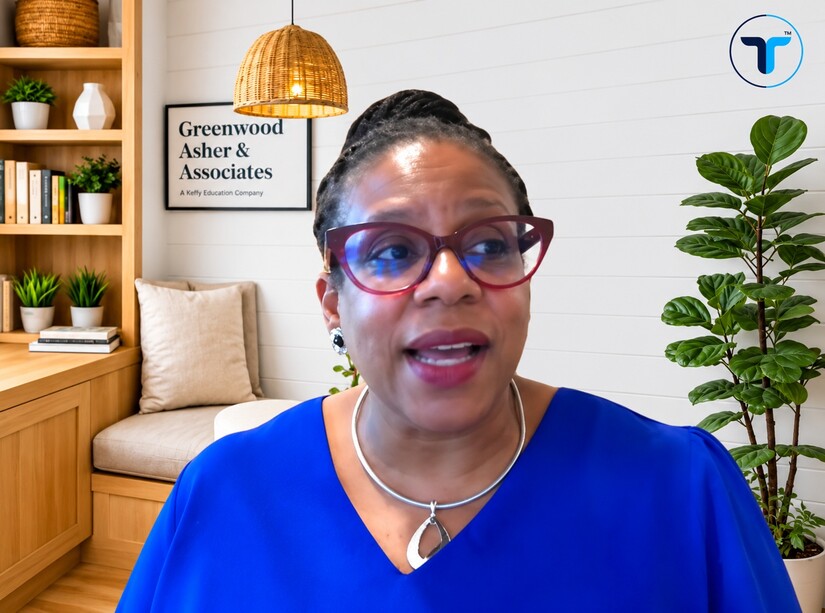
Dees’s professional commitments are closely connected to her service. In 2026, the Page Education Foundation recognized her as its Volunteer of the Year. When she publicly acknowledged the award, she quickly redirected attention to the hundreds of students receiving scholarships and congratulated the Page Scholars.
That response reflected the values she had described throughout the interview. She views education as an opportunity received through the investment of others and therefore as something that carries an obligation to invest in those coming next.
The Page Education Foundation supports Minnesota students of color pursuing postsecondary education. Page Scholars do more than receive financial assistance. They complete service commitments, including work with younger students and other forms of community engagement. Dees admires the program because it joins opportunity with accountability and teaches scholars to pay support forward.
She serves on the foundation’s advisory board and is also a member of the board of Minnesota Diversified Industries, commonly known as MDI. In discussing that work, she returned naturally to her instinct as a connector, imagining pathways through which young people served by organizations such as Cookie Cart might become future Page Scholars.
“Someone did that for me, and someone did that for my children,” she said. “We all have to lift each other up as a community.”
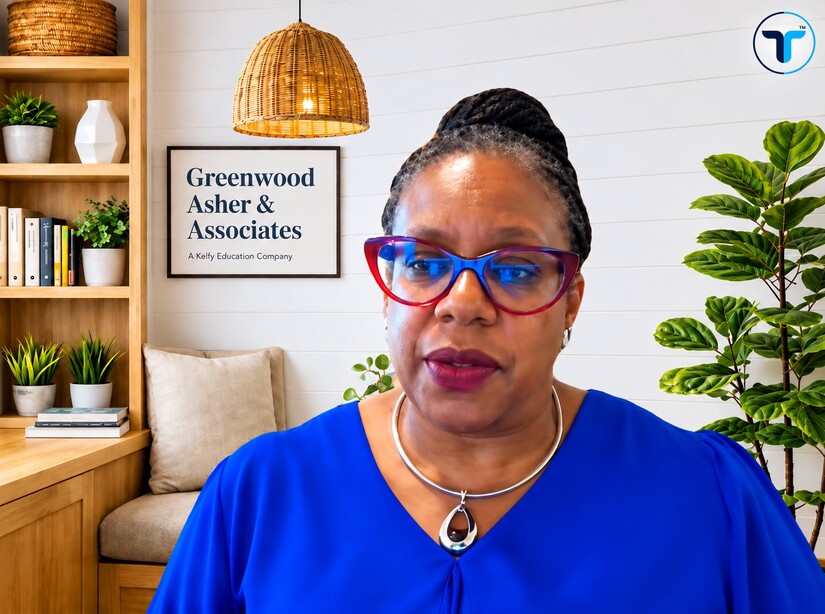
Near the end of the conversation, Dees was asked to speak directly to the experienced professional who has worked hard, endured rejection and begun to wonder whether greater opportunity remains possible.
Her first response removed the shame from uncertainty. Nearly everyone experiences moments of questioning their ability and value, she said. A period of disappointment can become an opportunity to step back, breathe and reconsider what genuinely creates energy and purpose.
The next move may not resemble the one a person had planned. Dees’s own career illustrates that truth. She expected estate law and found employment law. Employment law led to student affairs, institutional equity and statewide leadership. Her experience with institutional leadership and executive-search processes later prepared her for national executive search.
She urged people not to isolate themselves when careers stall or rejection accumulates. The growing public willingness to discuss mental health is important, she said, because professional disappointment can narrow a person’s sense of possibility. Everyone needs someone with whom they can share the trial, gain perspective and find encouragement to continue.
“Find a person that you can anchor with,” she said.
Resilience does not require pretending that disappointment is painless. It requires remaining connected, allowing time for reflection and staying open to opportunities that arrive in unexpected forms.
Dees expressed particular confidence in younger workers. They have confronted conditions earlier generations did not face in the same way, she said, and their resilience should not be underestimated.
“We’re not ready for Gen Z,” she said with enthusiasm. “They’re going to shock the world. Better watch out.”

Dees concluded the inaugural conversation by recommending another Minnesota leader for a future TalentTact™ interview: Miquel Purvis McMoore, founder and chief executive officer of kpCompanies. She described McMoore as a nationally experienced executive recruiter with a strong commitment to Minnesota, nonprofit leadership and the broader community.
The recommendation was fitting. TalentTact™ was created to bring people from different sides of the employment system into one sustained public conversation. Job seekers need practical information about how decisions are made. Managers and executives need a clearer understanding of what leadership requires. Recruiters and employers must be willing to examine whether their systems recognize ability fairly, communicate respectfully and create real pathways into opportunity.
Dees’s story establishes that standard without reducing employment to résumé mechanics or motivational slogans. Her career demonstrates that professional lives can change direction while retaining a coherent purpose. Her search experience shows that selection begins long before an interview and that candidates are evaluated not only for what they have done, but for whether they can explain how it prepares them to meet the needs in front of them. Her equity work reminds institutions that candidates cannot correct structural failures alone.
Dees described employment as deeply connected to how people understand themselves, while also cautioning that work cannot become the whole of a person’s identity. People work to sustain themselves and their families, but family, community and faith often supply the deeper reason for the effort.
Work may be the how. The why is larger.
For professionals attempting to move forward, her counsel is to prepare seriously, know the organization, communicate through concrete examples, build relationships before they are urgently needed and resist pursuing a title without understanding its demands. For employers, the obligation is equally clear: define the need honestly, search beyond the usual circles, respect candidates’ time and create a process in which every qualified person has a fair opportunity to be seen.
That is where better hiring begins.
Tom Akaolisa, Editor

Local stories matter. Subscribe free to MinneapoliMedia and receive independent news, community reporting and important updates from Minneapolis, the North Metro and communities across Minnesota.
SUBSCRIBE FREE: https://minneapolimedia.town.news/subscribe
MinneapoliMedia | Community. Culture. Civic Life


Sunny, with a high of 70 and low of 50 degrees. Clear for the morning, sunny during the afternoon, smoky haze during the evening, clear overnight.