58° and Patchy rain nearby
MINNEAPOLIMEDIA NEWS | Klobuchar, Demuth, Flanagan and Tafoya Enter Final Campaign Day as Minnesota's Political Future Hangs in Balance



The open governor's office, an open U.S. Senate seat and closely divided state legislative chambers make Tuesday's election a major test of Minnesota's political direction.
SAINT PAUL, MN (November 2, 2026).
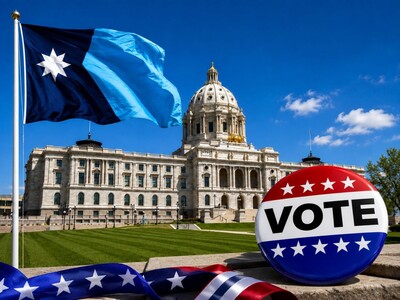
Minnesota's leading candidates for governor and U.S. Senate enter the final day before the November 3 election with voters preparing to decide two open statewide offices and the political composition of the Legislature.
In the governor's race, Democratic U.S. Sen. Amy Klobuchar faces Republican Lisa Demuth and a third candidate in the contest to succeed retiring Gov. Tim Walz.
The U.S. Senate contest features Democratic Lt. Gov. Peggy Flanagan, Republican Michele Tafoya and two other candidates competing for the seat being vacated by Sen. Tina Smith.
Both contests are significant departures from the usual advantages of incumbency. Minnesota voters will select new officeholders for two positions with substantial influence over state and national policy.
The gubernatorial election will determine who leads Minnesota's executive branch as the state confronts decisions involving its budget, education system, public safety, healthcare, housing and infrastructure.
The Senate election will help determine Minnesota's representation in Washington during a period of national debate over federal spending, immigration, economic policy and the relationship between state and federal authority.
Control of the Minnesota Legislature is also at stake.
Democrats entered the election period holding a narrow one-seat advantage in the state Senate, while the House had been evenly divided 67-67 before a Republican vacancy changed its membership.
Every seat in both legislative chambers is on the ballot, giving voters the opportunity to reshape the balance of power at the Capitol.
The Associated Press notes that Minnesota has not elected a Republican governor since 2006 or a Republican U.S. senator since 2002.
Those historical trends provide context but do not establish the outcome of Tuesday's contests.
Minnesota's political geography remains varied, with Democratic strength traditionally concentrated in the Twin Cities and other urban areas, while Republicans have maintained substantial support across many rural communities.
Suburban and competitive legislative districts could prove particularly important in determining the composition of the next Legislature.
Polls close at 8 p.m. Central Time Tuesday, although voters already waiting in line will remain eligible to vote.
Unofficial returns are expected to be reported throughout election night. However, the timing of results will vary by county, and close races may remain unresolved until additional ballots have been counted.
The outcome will determine not only who occupies Minnesota's most prominent elected offices but also the political relationships that shape policymaking in the years ahead.

STAY CONNECTED TO MINNEAPOLIMEDIA
Local stories matter. Subscribe free to MinneapoliMedia and receive independent news, community reporting and important updates from Minneapolis, the North Metro and communities across Minnesota.
SUBSCRIBE FREE: https://minneapolimedia.town.news/subscribe
MinneapoliMedia | Community. Culture. Civic Life