47° and Overcast
MINNEAPOLIMEDIA NEWS | Democrats Win Minnesota House Majority, Ending 67-67 Deadlock as New Legislature Prepares to Govern



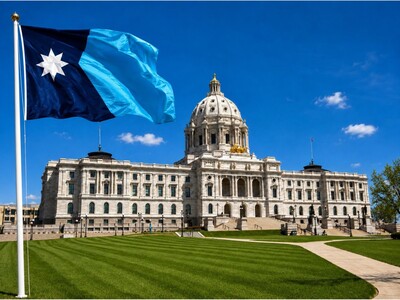
Unofficial election results show the DFL winning 77 House seats compared with 57 for Republicans, giving the party control of the chamber after two years of divided leadership.
SAINT PAUL, MN (November 5, 2026).
Minnesota Democrats have won control of the state House of Representatives, ending a two-year period in which Republicans and Democrats held equal numbers of seats and were required to negotiate an unusual power-sharing arrangement.
According to Wednesday's Associated Press results reported by FOX 9, the Democratic-Farmer-Labor Party had secured 77 seats in the 134-member House, compared with 57 for Republicans.
The reported results represent a substantial shift from the previous 67-67 division.
Democrats flipped several Republican-held districts, giving the party an outright majority and the ability to organize the chamber without the same bipartisan power-sharing structure that defined the preceding legislative period.
The results remain subject to canvassing and certification, with at least one exceptionally close race in Anoka County expected to undergo a recount.
A Different Legislature Takes Shape
Minnesota's divided House had required lawmakers to negotiate leadership arrangements, committee responsibilities and legislative priorities across party lines.
The arrangement was a consequence of the 2024 election, which produced equal representation between Republicans and Democrats.
Although the Legislature passed budgets and other measures during that period, disagreements over leadership and policy frequently complicated the legislative process.
Tuesday's election changes the governing structure.
With an outright majority, House Democrats will have greater influence over committee organization, legislative scheduling and which proposals advance to votes.
That authority does not eliminate the need to comply with legislative procedures or constitutional requirements, and it does not prevent Republicans from introducing legislation, debating proposals or exercising their responsibilities as elected representatives.
It does, however, establish a different balance of power.
Statewide Results Extend Beyond the House
Democrats also retained control of the Minnesota Senate and won the governor's election, creating a DFL governing trifecta for the legislative term beginning in 2027.
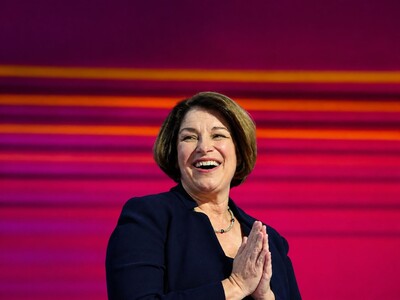
Governor-elect Amy Klobuchar defeated Republican Lisa Demuth and will succeed Gov. Tim Walz.
The combination gives Democrats control of the governor's office and both legislative chambers.
That structure can make it easier for the party to advance proposals supported by its members, although disagreements within a majority caucus can still influence legislation.
Klobuchar has indicated that government accountability and oversight will be priorities for her administration.
She has also expressed support for renewed consideration of gun safety legislation.
Republicans have emphasized concerns about fraud, state spending and government management.
Those competing priorities will remain part of the legislative debate even as Democrats assume majority control.
What the Change Means for Local Governments
Minnesota's Legislature makes decisions that directly affect cities, counties and school districts.
State funding formulas influence local education budgets, transportation programs and public services.
Legislative decisions also affect housing regulations, property tax provisions, public safety policies and environmental oversight.
For residents of Coon Rapids, Brooklyn Park, Minneapolis, Saint Paul and communities throughout Minnesota, the new legislative majority will therefore have practical consequences.
Local officials will be watching how the incoming Legislature addresses funding pressures and whether state assistance keeps pace with demands for public services.
Residents will also be able to evaluate whether campaign commitments are reflected in proposed legislation, budget decisions and enacted laws.
The Work Ahead
The reported 77-57 House division represents a significant change in the composition of Minnesota's state government.
It also creates expectations for the incoming majority.
Democrats will have greater responsibility for setting the legislative agenda, while Republicans will continue serving as an opposition caucus with responsibility for scrutinizing proposals and representing their constituents.
The next session will test how the new balance of power affects the state's ability to address spending, public accountability, education, healthcare and other policy concerns.
THE TAKEAWAY
Minnesota's House of Representatives is moving from an evenly divided chamber to one with a clear Democratic majority.
The change will affect how legislation is organized and debated during the next session.
For voters, the next measure of the election's significance will be the laws enacted, the budgets approved and the quality of oversight exercised by the new Legislature.

STAY CONNECTED TO MINNEAPOLIMEDIA
Local stories matter. Subscribe free to MinneapoliMedia and receive independent news, community reporting and important updates from Minneapolis, the North Metro and communities across Minnesota.
SUBSCRIBE FREE: https://minneapolimedia.town.news/subscribe
MinneapoliMedia | Community. Culture. Civic Life