28° and Overcast
Image



By the MinneapoliMedia Editorial Board
ST. PAUL, MN (November 25, 2026).
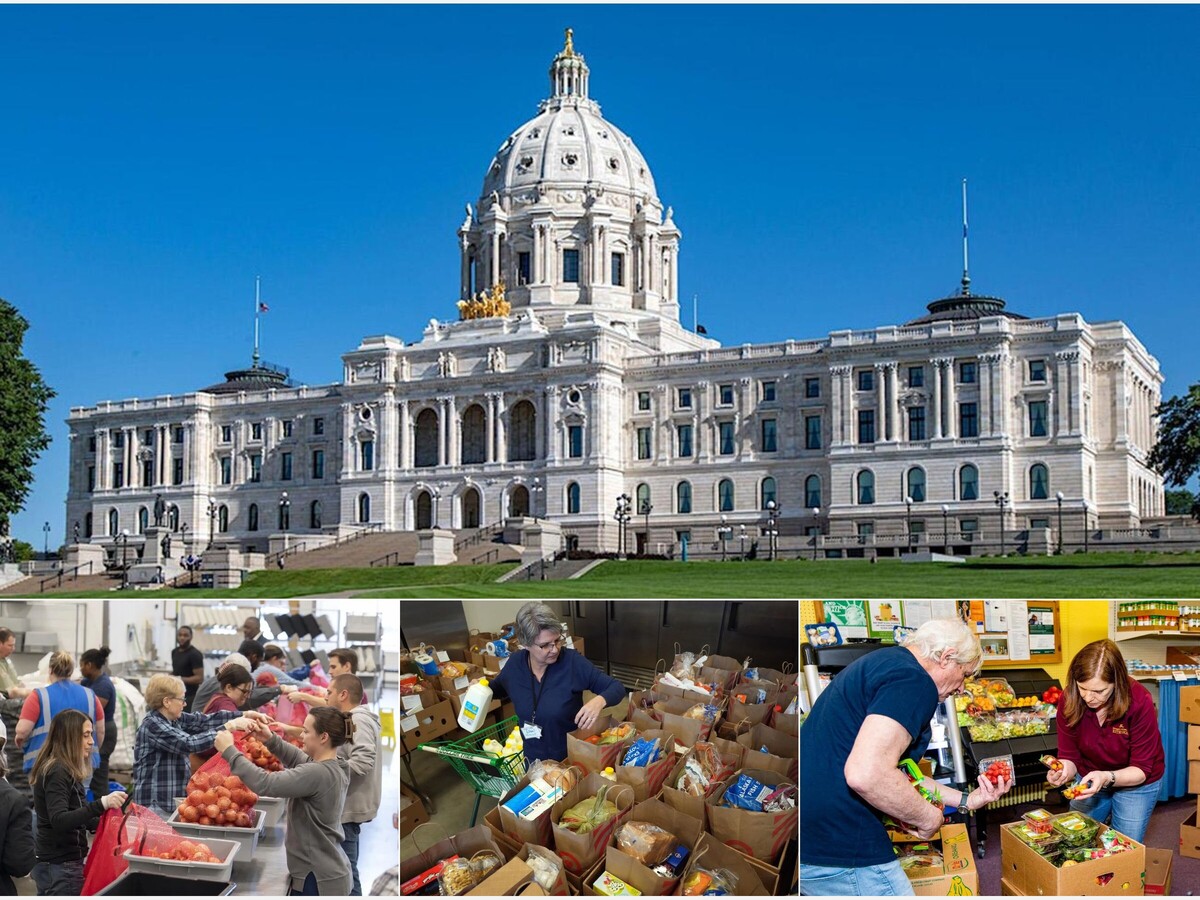
Thanksgiving food drives across Minnesota will help families put a holiday meal on the table. The people who raise money, sort donations and deliver groceries make that possible. Their work deserves support, especially as winter approaches. It also deserves an honest accounting from state leaders: How much of the work now assigned to food shelves should never have been left to charity in the first place?
Minnesotans made more than 9 million visits to food shelves in 2025, the fifth consecutive year in which the state set a record, according to the Minnesota Department of Children, Youth, and Families and tracking by The Food Group. That is a count of visits, not of individual people. A household that needs help several times contributes several visits to the total. Repeat visits matter in their own right. A food shelf can get a family through a difficult week without changing what that family can afford the following month.
A separate measure shows the scale of the response. Second Harvest Heartland reported distributing more than 172 million pounds of food in fiscal year 2026, a record for the organization, MPR News reported in October. That figure is not a statewide visit count, and it does not establish a sixth consecutive statewide record. What it does show is how much food one regional organization is already moving while its staff report difficulty keeping pace.
In June, MPR News followed ECHO Food Shelf manager Deisy De Leon Esqueda as she delivered groceries to a resident in rural Blue Earth County. For someone who cannot get to the Mankato pantry, that trip is what makes the food available. A donation can pay for the groceries. The food shelf still has to get them to the door, and it has to be able to do that again next month.
Minnesota lawmakers should enter the 2027 session with two obligations. They should provide predictable funding for the food shelves people depend on now. They should also make it easier for eligible residents to keep federal nutrition benefits and address the household costs that drive people to seek emergency groceries. Doing only the first would help keep pantries open while leaving too many families in the same position.
What the grocery budget has to absorb
A slower rise in grocery prices does not undo earlier increases. Whether a household can afford the same groceries depends on what it earns and what is left after rent, child care and other bills are paid. When a car repair comes due, a tenant cannot pay less rent without consequences. Buying less food is one of the few adjustments that household can make the same day.
That is why housing belongs in Minnesota’s response to hunger. Adding affordable homes can ease pressure on household budgets over time, but it will not help a renter cover next month’s grocery bill. The Legislature should make existing rental and property-tax relief easier for eligible households to claim while continuing to expand the supply of affordable housing. The next budget should show which households those measures will reach and when they can expect help.
Federal SNAP changes put more pressure on Minnesota
The Supplemental Nutrition Assistance Program gives eligible households money to purchase food from participating retailers. That matters for reasons an emergency grocery box cannot fully address. A parent can buy food a child will eat, and a person with dietary restrictions can choose ingredients that meet those needs. Families can shop when their schedules permit instead of relying entirely on the hours, location and inventory of a pantry. Food shelves offer essential help, but their supplies and operating hours cannot provide that flexibility everywhere.
The federal law enacted in July 2025 narrowed SNAP eligibility for certain lawfully present noncitizens, expanded work requirements and reduced the federal share of program administration from 50 percent to 25 percent. Minnesota officials estimate that about 9,000 refugees and asylees are affected by the eligibility restrictions and that almost 18,000 adults face newly applicable work requirements. The latter is an estimate of exposure to new rules, not a count of people who have lost benefits.
Those distinctions should shape the response. Minnesota cannot rewrite federal eligibility law, but it can control how well it administers the rules and how quickly it helps people understand them. Clear renewal notices, language assistance and timely access to county staff can prevent avoidable interruptions for people who still qualify. An eligible resident should not lose grocery money because a notice was hard to understand or there was no one available to resolve a paperwork problem before the deadline.
There are two fiscal challenges, and lawmakers should budget for them separately. The reduction in federal administrative support affects the cost of running the program. A separate change ties potential state responsibility for a share of SNAP benefit costs to payment error rates. The Minnesota Senate’s 2026 fiscal review documents the state’s initial appropriations and the projected pressure on counties. The administration should spell out how much it expects each change to cost, who will pay and what is being done to improve accuracy without making eligible families wait longer for decisions.
Minnesota’s congressional delegation has a different obligation. It should press Congress to restore nutrition access for people excluded by the new federal rules and reconsider the transfer of administrative costs to states and counties. A federal budget decision does not end the need for food. It changes who must respond when a household can no longer afford it.
Give food shelves a budget they can plan around
A Thanksgiving donation can help a food shelf buy groceries in December. It is a poor basis for deciding whether to hire another employee, replace a failing refrigerator or keep a delivery route running through next summer. Those decisions require some confidence about what funding will be available after the giving season ends.
The Legislature should provide recurring support for the Minnesota Food Shelf Program and the regional food banks that supply local pantries. Appropriations should account for the cost of purchasing and moving food, and lawmakers should review them against documented demand rather than waiting for another record to justify an increase. The state should also consult Tribal governments directly about what dependable support should look like in the communities they serve.
There is no single way to improve access across Minnesota. A pantry in an urban neighborhood may need more evening hours for people who work during the day. A rural provider may need refrigeration and help covering a delivery route that serves several communities. Older adults and people with disabilities may need home delivery even when a well-stocked pantry is nearby. Funding rules should leave room for those differences and let providers explain which investments would make the greatest practical difference.
The state should also support partnerships that allow food shelves to buy from Minnesota growers. Regional purchasing can bring more fresh food into pantries and give producers another buyer. But a purchasing grant will not solve a distribution problem by itself. A pantry needs the storage, transportation and staffing to receive perishable food and get it to households in time. Lawmakers should fund those parts of the operation together when the evidence shows they are needed.
What the next budget should answer
The governor and Legislature should put three answers in the 2027 budget. First, how much funding can food shelves and regional food banks count on after one-time appropriations expire? Second, how much of the higher cost of administering SNAP will the state cover, how much will counties absorb, and what provision has Minnesota made for a possible separate share of benefit costs? Third, what will the state do to keep eligible households from losing benefits because a renewal notice was unclear or a county office could not resolve a case in time? Lawmakers should publish the amounts and identify who is responsible for carrying out each commitment. That will give Minnesotans something they can check when the next budget comes around.
The state should track more than the number of food shelf visits. An increase may reflect deeper hardship, better access to a pantry or some of both. A decline could be welcome if families are better able to buy groceries, but it would mean something different if a pantry had to cut hours or stop a delivery route. Visit totals should be read alongside measures of household food insecurity, SNAP access and the availability of local services. The goal is for fewer people to need emergency food while ensuring that anyone who does can get it.
Minnesotans should give and volunteer this Thanksgiving if they can. The people who depend on that help cannot wait for the next budget. But when lawmakers return to St. Paul, they should remember what five consecutive years of records tell us about relying on emergency relief. Food shelves need enough money to do their work well. Families need a fair chance to afford groceries without having to return to a pantry every time another bill comes due.

Local stories matter. Subscribe free to MinneapoliMedia and receive independent news, community reporting and important updates from Minneapolis, the North Metro and communities across Minnesota.
SUBSCRIBE FREE: https://minneapolimedia.town.news/subscribe
MinneapoliMedia | Community. Culture. Civic Life


Overcast, with a high of 36 and low of 27 degrees. Overcast in the morning, clear in the afternoon and evening, overcast overnight.