61° and Patchy rain nearby
MINNEAPOLIMEDIA NEWS | Minnesota Corrections Commissioner Paul Schnell to Leave Post for Leadership of Cannabis Expungement Board



The transition will move a veteran public safety administrator from overseeing Minnesota's prison system to directing an agency responsible for reviewing eligible cannabis-related criminal records.
ST. PAUL, MN (November 22, 2026).
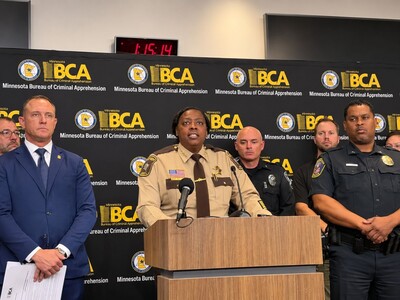
Minnesota Department of Corrections Commissioner Paul Schnell is preparing to leave his position early next year after accepting an offer to become executive director of the state's Cannabis Expungement Board, a leadership change that will place him at the center of Minnesota's efforts to address the lasting consequences of past cannabis convictions.
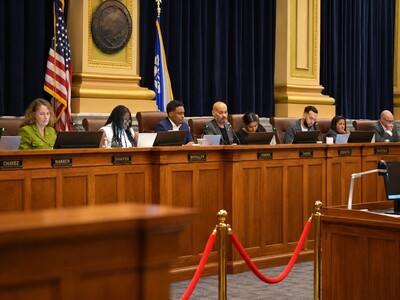
The board voted Friday, November 20, to offer Schnell the position, according to reporting published Saturday by KSTP. Schnell accepted the offer and is expected to depart the Department of Corrections in early 2027.
The decision creates a transition at two agencies whose responsibilities intersect with the criminal justice system but serve different purposes.
The Department of Corrections oversees state prisons, community supervision and correctional operations. The Cannabis Expungement Board is charged with reviewing eligible cannabis-related records and determining whether they qualify for relief under Minnesota law.
For Schnell, the appointment represents a move from administering sentences and correctional programs to helping implement a state policy intended to reduce the continuing consequences of certain past convictions.
A CHANGE IN CRIMINAL JUSTICE LEADERSHIP
Schnell has led the Minnesota Department of Corrections since 2019, overseeing an agency responsible for thousands of incarcerated people and individuals under community supervision.
His tenure has included debates over prison staffing, institutional safety, rehabilitation, corrections policy and the treatment of people in state custody.
The commissioner also has a background in law enforcement and public administration, experience that will follow him into a role requiring cooperation among courts, prosecutors, corrections officials and other government agencies.
The transition comes as Minnesota continues implementing changes associated with the legalization of adult-use cannabis.
The state's policy does not treat every previous cannabis conviction identically. Different categories of offenses are subject to different procedures, and some cases require individualized review.
That is where the Cannabis Expungement Board plays a significant role.
WHAT THE EXPUNGEMENT BOARD DOES
Minnesota established the Cannabis Expungement Board as part of its broader cannabis legalization framework.
Its responsibilities include examining certain cannabis-related criminal records and considering whether eligible offenses should be expunged or otherwise receive relief under applicable law.
Expungement can limit public access to qualifying criminal records, although its precise effect depends on the legal process and the type of record involved.
For people carrying convictions from conduct that Minnesota has since legalized or treated differently, the issue can have consequences extending well beyond the criminal case itself.
A criminal record may complicate employment applications, professional licensing, housing opportunities and other aspects of daily life.
Removing eligible records from public view can help address some of those barriers.
But expungement is not the same as a declaration that every prior offense was lawful, nor does legalization automatically erase every cannabis-related conviction.
The board's work requires careful application of eligibility standards, record review and coordination with the judicial system.
THE CHALLENGE OF IMPLEMENTATION
The effectiveness of Minnesota's expungement system will depend on how efficiently eligible cases move through the process.
For individuals seeking relief, the most important questions are practical.
How long will reviews take? Will eligible people receive clear information about their cases? Will the process reach individuals who do not know that they may qualify?
The answers will help determine whether the state's policy delivers meaningful results.
Schnell's background may be relevant to the administrative demands of the position, particularly where criminal records, sentencing histories and government information systems intersect.
His appointment alone, however, does not establish that review times will improve or that additional cases will be processed.
Those outcomes will require measurable performance and adequate institutional resources.
WHAT HAPPENS AT THE DEPARTMENT OF CORRECTIONS
Schnell's planned departure also raises a separate question about leadership continuity.
The Department of Corrections manages institutions and programs in which decisions about staffing, safety and rehabilitation can have immediate consequences.
A change at the top requires attention to operational priorities already underway.
As of the reporting reviewed for this article, a successor had not been identified.
The selection of the next commissioner will be important to incarcerated people, correctional employees, families and communities affected by the state's corrections system.
It will also provide an opportunity for Minnesota officials to explain which priorities should continue and where changes may be needed.
TWO RESPONSIBILITIES, ONE TRANSITION
The move places Schnell between two stages of criminal justice policy.
At the Department of Corrections, his responsibilities have centered on administering the consequences of criminal convictions.
At the Cannabis Expungement Board, he will oversee work intended to determine when some of those consequences should no longer follow eligible individuals.
The distinction reflects a broader shift in Minnesota's treatment of cannabis offenses.
Legalization changed the rules governing certain conduct. Expungement addresses what happens to records created before those changes.
The board's task is to translate that policy into decisions affecting real people.
Schnell's new position will be judged by the consistency, accessibility and efficiency of that process, while the state must separately ensure a stable transition at the Department of Corrections.

STAY CONNECTED TO MINNEAPOLIMEDIA
Local stories matter. Subscribe free to MinneapoliMedia and receive independent news, community reporting and important updates from Minneapolis, the North Metro and communities across Minnesota.
SUBSCRIBE FREE: https://minneapolimedia.town.news/subscribe
MinneapoliMedia | Community. Culture. Civic Life