61° and Patchy rain nearby
MINNEAPOLIMEDIA NEWS | Twin Cities Homeowners Face Another Wave of Property Tax Increases as Local Governments Confront Rising Costs



Proposed increases across the metropolitan area could add hundreds of dollars to household tax bills. County officials point to rising expenses, depleted reserves and shifting government responsibilities, while homeowners question how much more they can afford.
MINNEAPOLIS, MN (November 22, 2026).
Homeowners across the Twin Cities are confronting another round of potentially substantial property tax increases, with preliminary statements showing that some households could pay hundreds of dollars more in 2027 even as families continue to absorb rising costs for housing, insurance, utilities and other necessities.
The increases reflect a convergence of pressures on local governments. Counties and cities are attempting to cover higher operating expenses, maintain public services, replenish financial reserves and respond to changes in state and federal funding.
For property owners, however, the explanations offer limited relief from a more immediate problem: finding enough money to pay the bill.
A November 21 investigation by the Minnesota Star Tribune found that six of the seven metropolitan counties are proposing property tax levy increases between 8% and 10%. Dakota County is considering an increase exceeding 18%, while numerous cities, townships and school districts are also proposing substantial increases.
The combined effect could be especially difficult for households whose property values have risen even when their incomes have not.
THE DIFFERENCE BETWEEN A LEVY AND A TAX BILL
A local government's property tax levy represents the total amount it intends to collect from property taxes. It does not necessarily determine the percentage increase on an individual homeowner's bill.
A household's final obligation also depends on changes in property values, the distribution of the tax burden among residential and commercial properties, and decisions made by multiple taxing authorities.
That distinction helps explain why homeowners sometimes experience increases significantly larger than the overall levy approved by their city or county.
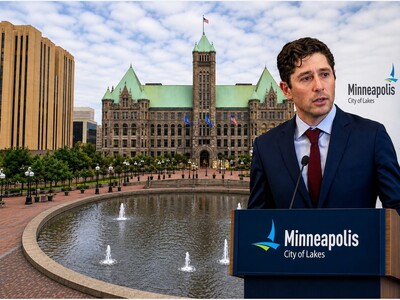
In Minneapolis, Mayor Jacob Frey's proposed budget includes a city levy increase approaching 12%. Earlier reporting by the Star Tribune found that many homeowners could experience increases closer to 20% on the city portion of their taxes.
St. Paul's City Council has approved a preliminary levy plan reflecting a 6.8% increase.
Neither figure represents the complete property tax bill paid by an individual household. County, school district and other applicable levies also contribute to the total.
The preliminary notices arriving in mailboxes this month are therefore an important warning, but they are not necessarily the final amounts residents will owe.
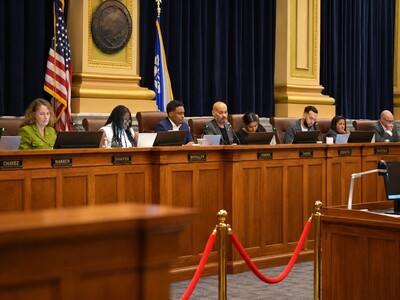
Local governments are scheduled to hold public budget hearings before finalizing their levies in December.
DAKOTA COUNTY'S FINANCIAL WARNING
Dakota County illustrates how years of relatively restrained tax increases can eventually create difficult budget decisions.
County officials maintained modest levy growth for much of the previous decade while operating expenses continued to rise.
According to the Star Tribune's reporting, Dakota County's cash reserves fell from more than $130 million in 2015 to less than $30 million in 2025.
The county also received a credit-rating downgrade in October after concerns emerged about the relationship between its spending and revenue.
Officials are now considering an 18.5% levy increase, a proposal intended in part to restore financial stability.
The situation presents residents with an uncomfortable trade-off.
Keeping taxes artificially low can postpone difficult decisions, but it can also leave a government less prepared for unexpected expenses or economic changes. Raising taxes sharply to correct the imbalance transfers the consequences of those earlier decisions to current property owners.
The question for county officials is not simply whether the proposed increase is necessary. It is how the county reached this position and what financial safeguards will prevent another crisis.
ANOKA COUNTY OFFERS A DIFFERENT EXAMPLE
Anoka County has already experienced a similar adjustment.
In 2024, county leaders raised the property tax levy by nearly 17% after years of deficit spending, according to the Star Tribune.
For 2027, the county's proposed increase is expected to remain below 8%.
The contrast illustrates how local financial decisions made over several years can influence the timing and severity of tax increases.
For residents of Coon Rapids, Blaine, Anoka, Fridley and other communities, the county levy represents only one component of the total bill.
Municipal budgets, school district obligations and property valuation changes can still produce different outcomes from one household to another.
That complexity makes it difficult for residents to determine which decisions are responsible for the largest share of an increase.
It also places a greater burden on elected officials to explain their budgets clearly.
THE COST OF GOVERNMENT RESPONSIBILITIES
Local officials across Minnesota have argued that some of the financial pressure originates outside their jurisdictions.
Changes to federal assistance programs and state funding arrangements can shift administrative and service costs to counties.
Those governments remain responsible for delivering services involving public health, social assistance, transportation, child welfare and other essential functions.
When outside funding fails to cover the full cost, local leaders may face a choice between reducing services, drawing down reserves or increasing property taxes.
But those explanations do not eliminate the need for scrutiny.
Residents are entitled to know which costs are legally required, which reflect discretionary policy decisions, how efficiently services are delivered and whether alternative revenue or spending choices were considered.
The same questions apply to proposed increases driven by employee compensation, public safety spending and infrastructure maintenance.
A GROWING AFFORDABILITY CONCERN
Property tax increases do not affect all homeowners equally.
Retirees living on fixed incomes may have limited flexibility to absorb an additional several hundred dollars a year. Families with mortgages may see monthly escrow payments rise. Owners of modest homes may face increases that consume a meaningful share of household income.
Landlords may also seek to recover higher property expenses through rent increases, although the relationship between taxes and rents depends on market conditions and individual property finances.
The consequences can extend beyond one year's bill.
Repeated increases can change whether residents believe they can afford to remain in neighborhoods where they have lived for decades.
That concern is especially significant in communities already experiencing rising housing costs and economic displacement.
THE DECISIONS STILL AHEAD
The proposed levies remain subject to final decisions.
Truth in Taxation hearings will give residents opportunities to question local officials about proposed spending and revenue needs before budgets are adopted.
Those hearings should provide more than explanations of why costs have increased.
They should clarify how much of each increase reflects unavoidable obligations, how much results from new priorities, and what steps governments are taking to limit future pressure on homeowners.
Minnesota's local governments face legitimate financial challenges. Residents face legitimate affordability constraints.
The difficulty of reconciling those realities is becoming one of the most consequential local-government questions heading into 2027.
For homeowners opening their preliminary tax statements, the debate is no longer abstract. It is measured in dollars they must find, services they expect to receive and confidence that public officials are managing their money responsibly.

STAY CONNECTED TO MINNEAPOLIMEDIA
Local stories matter. Subscribe free to MinneapoliMedia and receive independent news, community reporting and important updates from Minneapolis, the North Metro and communities across Minnesota.
SUBSCRIBE FREE: https://minneapolimedia.town.news/subscribe
MinneapoliMedia | Community. Culture. Civic Life