Image
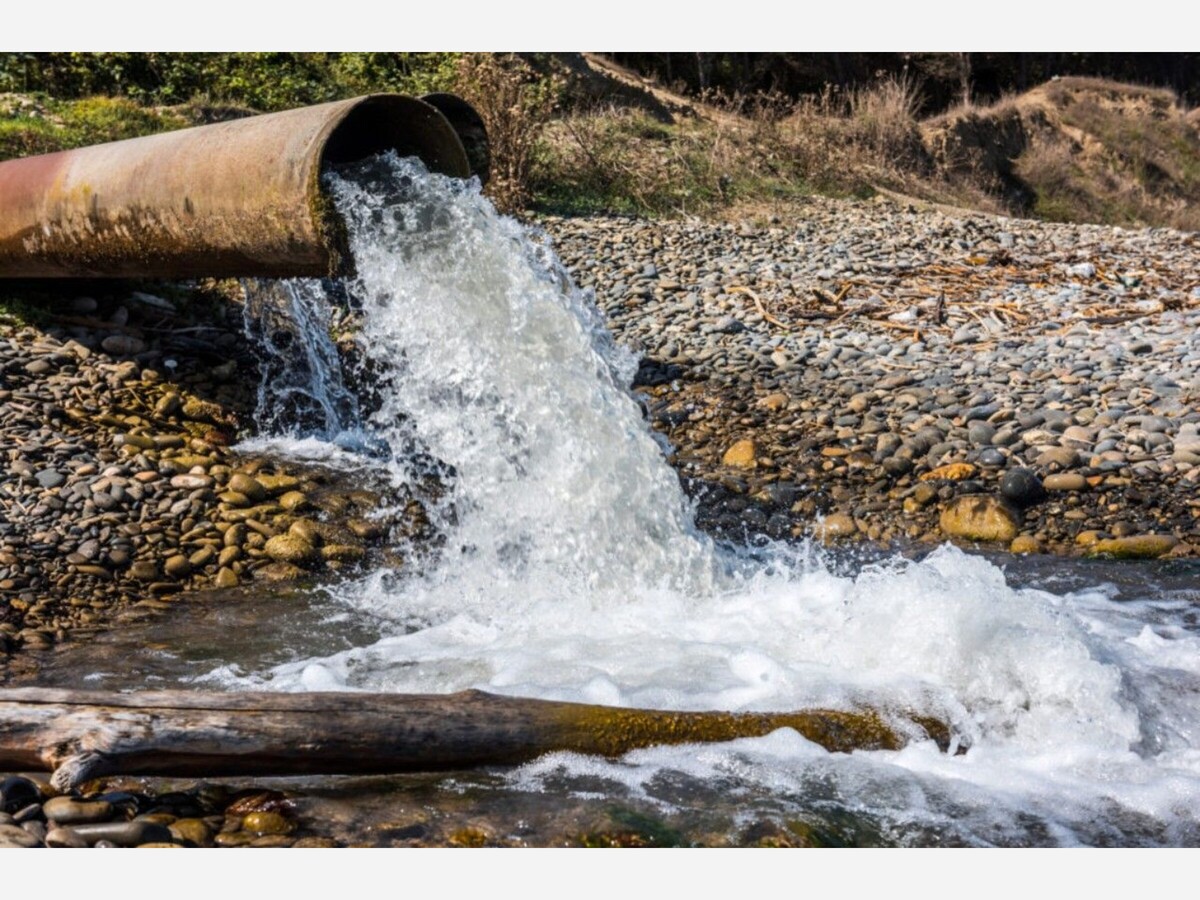
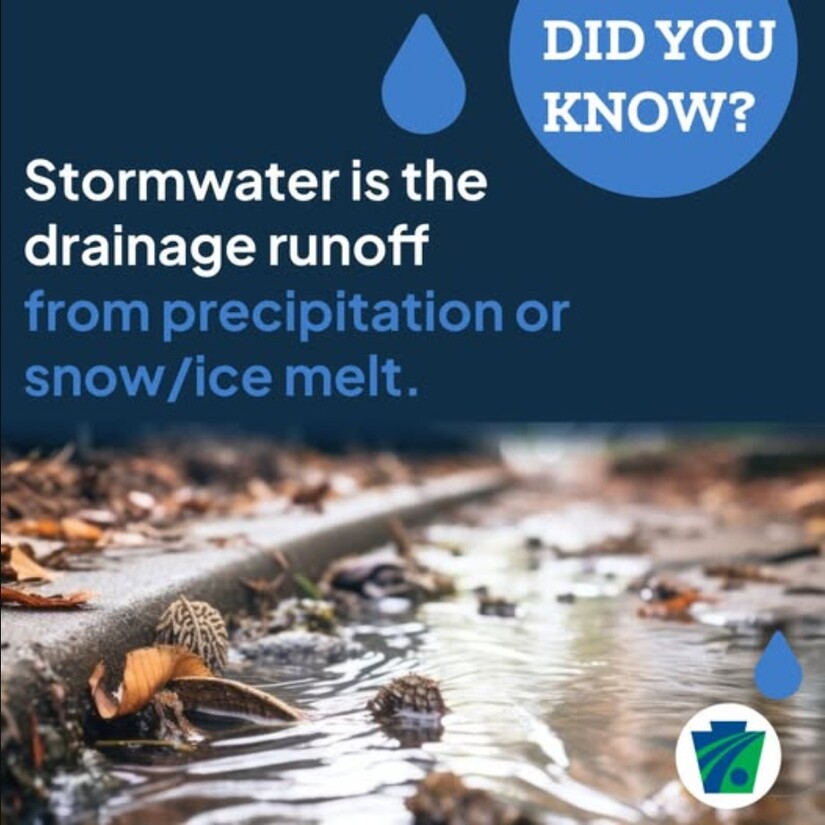
Winter in Minnesota demands vigilance. Snow and ice control keep sidewalks passable and roads safe, but the byproducts of winter maintenance often tell a quieter story beneath the snowpack. Each season, deicing chemicals and vehicle-related pollutants accumulate on streets, parking lots, and driveways. When snow melts, those materials are carried by stormwater directly into lakes, rivers, wetlands, and groundwater, largely untreated.
Storm sewers are designed to move water quickly off paved surfaces, not to clean it. As a result, winter runoff becomes a concentrated form of urban pollution, particularly rich in chlorides and petroleum-based contaminants.
Salt is the most visible winter pollutant, and one of the most persistent. Nearly all sodium chloride spread on roads and sidewalks eventually reaches surface waters. Unlike organic waste, chloride does not degrade over time. Once it enters a lake or stream, it remains there.
High chloride concentrations interfere with the ability of fish, insects, and amphibians to regulate fluids in their bodies. Prolonged exposure can reduce species diversity and damage sensitive aquatic ecosystems, particularly in smaller lakes and ponds. Chlorides also alter soil structure, limiting a plant’s ability to absorb water and nutrients, which increases erosion and sediment entering storm drains. Over time, these same chemicals accelerate corrosion in bridges, reinforced concrete, and even underground stormwater infrastructure.
Minnesota monitoring data consistently shows winter spikes in chloride levels that approach or exceed federal water quality thresholds for aquatic life. Because chloride accumulates, even small reductions in winter salt use can make a meaningful difference over time.
Winter creates another less visible stormwater problem. Oil, gasoline, antifreeze, brake dust, and other contaminants leak slowly from vehicles and equipment throughout the season. In freezing temperatures, these pollutants become trapped in snowbanks and ice along curbs and driveways.
When a rapid thaw or heavy rain arrives, those accumulated contaminants are released in a short, highly concentrated pulse. This “first flush” of spring melt can deliver a higher toxic load to waterways than a typical summer rainstorm, overwhelming local ecosystems and degrading water quality downstream.
Environmental agencies and winter maintenance professionals emphasize precision rather than volume. The guiding principle is often described as the Four Rs of salt application: right material, right place, right amount, and right time.
Mechanical removal comes first. Shoveling or plowing snow early, before it becomes compacted, significantly reduces the need for chemicals later. Ice that forms from packed snow requires far more salt to break.
When salt is necessary, quantity matters. Research-backed guidance shows that about 12 ounces of salt, roughly a standard coffee mug, is enough to treat a 20-foot driveway or ten sidewalk squares. Granules should be spaced several inches apart. If salt remains visible on dry pavement after ice is gone, too much was used.
Temperature awareness is equally critical. Standard rock salt becomes largely ineffective when pavement temperatures drop below about 15 degrees Fahrenheit. In extreme cold, salt use wastes material and increases pollution without improving safety. In those conditions, small amounts of sand can provide traction without adding chlorides to the environment.
Vehicle maintenance also plays a role. Cold weather can cause seals and gaskets to shrink, increasing leaks. Noticing dark spots or colored stains in snow is often the first sign of a problem. Absorbing spills and fixing leaks early prevents pollutants from reaching storm drains.
Different winter products carry different environmental tradeoffs. Sodium chloride is effective and inexpensive but contributes directly to long-term chloride pollution. Sand improves traction but can clog storm sewers and transport nutrients like phosphorus into lakes. Alternatives such as calcium magnesium acetate have lower toxicity and are biodegradable, though they can reduce oxygen levels in water. Liquid brine treatments, increasingly used by municipalities, can reduce salt use by as much as three quarters by keeping material in place and preventing ice from bonding to pavement.
The science is clear. Winter safety and clean water are not competing goals. With informed choices and careful application, communities can maintain safe winter conditions while reducing harm to Minnesota’s lakes and rivers.
Every shovel of snow removed early, every measured cup of salt, and every vehicle leak fixed before spring melt helps protect the waters that define the state. In winter, what stays off the pavement is often just as important as what stays on it.



Sunny, with a high of 67 and low of 42 degrees. Sunny in the morning, partly cloudy during the afternoon and evening, clear overnight.