46° and Clear
Image
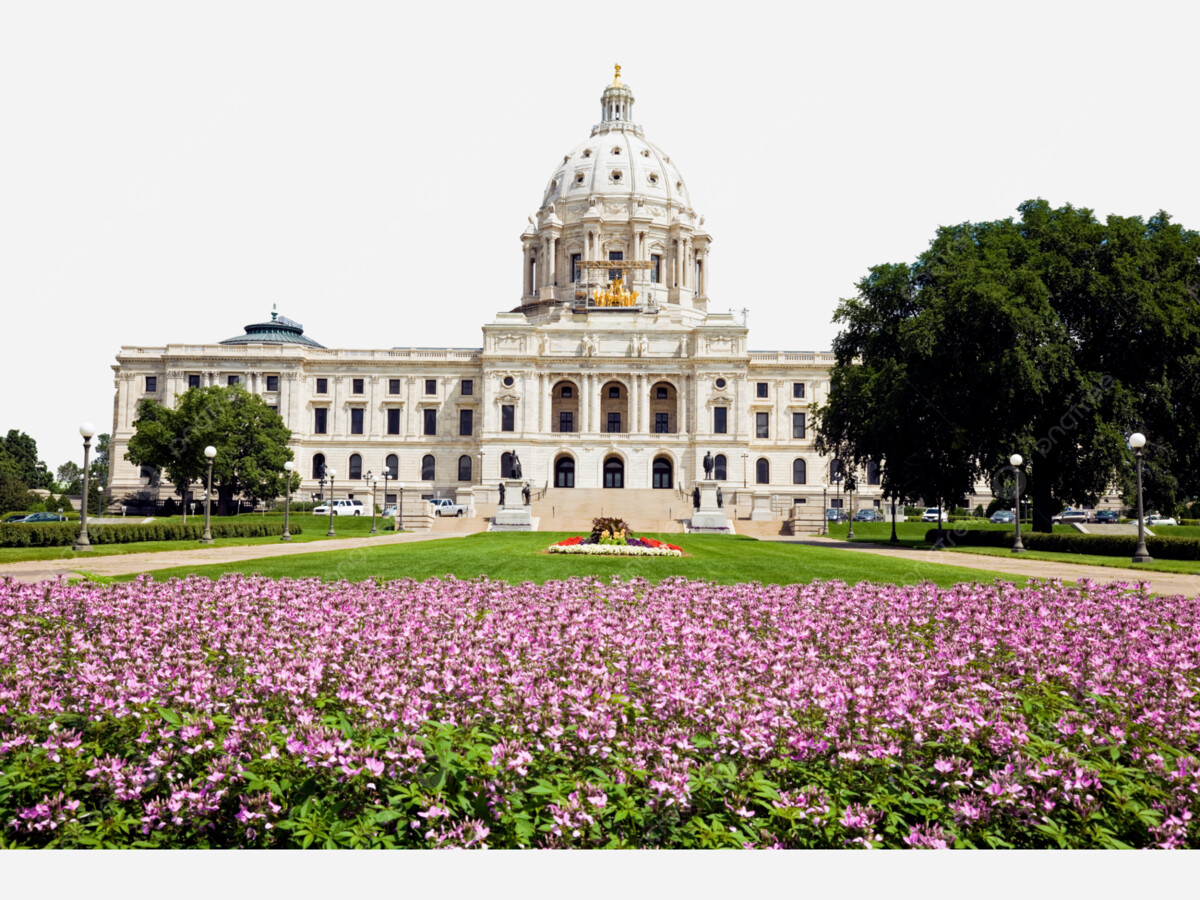



As of Jan. 1, 2026, Minnesota has implemented a wide-ranging package of new laws adopted during the 2023 to 2025 legislative sessions. Together, the changes represent one of the most consequential updates to the state’s labor, elections, and natural resources policies in decades, with impacts felt by workers, employers, voters, and outdoor enthusiasts alike.
Below is a fact-checked overview of the most significant laws now in effect, based on state statutes and official agency guidance.

For the first time, Minnesota workers are guaranteed access to paid family and medical leave, administered by the Minnesota Department of Employment and Economic Development (DEED). The program is structured similarly to unemployment insurance, with benefits paid directly by the state rather than employers.
What the program provides
How it is funded
The program is financed through a 0.88 percent payroll tax on covered wages. By law, employers must pay at least 50 percent of the premium, though they may choose to cover more. The remaining share may be deducted from employee wages.
Wage replacement
Benefits are progressive. Lower wage workers can receive up to 90 percent of their average weekly wages, while higher earners receive a smaller percentage, capped at the state’s average weekly wage.
The program was enacted by the Democratic-Farmer-Labor-led Legislature in 2023. Efforts by Republicans in 2024 and 2025 to delay or repeal the law were unsuccessful.
A labor omnibus bill replaces vague standards with clear, enforceable rules.
Previously, Minnesota law required only “adequate” or “sufficient” time, language that left wide discretion to employers.
Minnesota’s minimum wage, which is indexed to inflation, rose on Jan. 1.
Local wage ordinances in cities such as Minneapolis and St. Paul remain higher and continue to supersede the state minimum.
By contrast, the federal minimum wage has remained at $7.25 per hour since 2009.
Minnesotans requesting absentee ballots online now face updated identification requirements under the 2025 state and local government and elections law.
Applicants using the Secretary of State’s online portal must provide:
Voters who do not have one or both forms of identification may still apply by certifying that fact, or by using a paper absentee ballot application.
The legislation was sponsored by Rep. Ginny Klevorn of Plymouth and Sen. Tou Xiong of Maplewood.
The Minnesota Department of Natural Resources has restructured the annual watercraft surcharge that funds aquatic invasive species prevention and control.
The surcharge now ranges from $14 to $62, depending on vessel size and use:
Processing and application fees for water use permits also increase in 2026, reflecting updated cost recovery schedules.
Minnesota has repealed the long-standing “shotgun zone” that restricted most deer hunters in southern Minnesota to shotguns, muzzleloaders, and handguns.
Beginning with the 2026 deer season, hunters may use any legal firearm statewide during the regular firearms season. Counties within the former zone retain authority to adopt local ordinances restricting rifle use if public safety concerns warrant it.
|
Category |
2025 Rate |
2026 Rate |
|
State minimum wage |
$11.13 |
$11.41 |
|
Training wage |
$9.08 |
$9.31 |
|
Paid leave payroll tax |
0.00% |
0.88% |
|
Base watercraft surcharge |
$10.60 |
$14 to $62 |
Taken together, the 2026 laws mark a clear shift in Minnesota’s policy direction, strengthen


Sunny, with a high of 73 and low of 46 degrees. Sunny in the morning, clear overnight.