49° and Sunny
Image
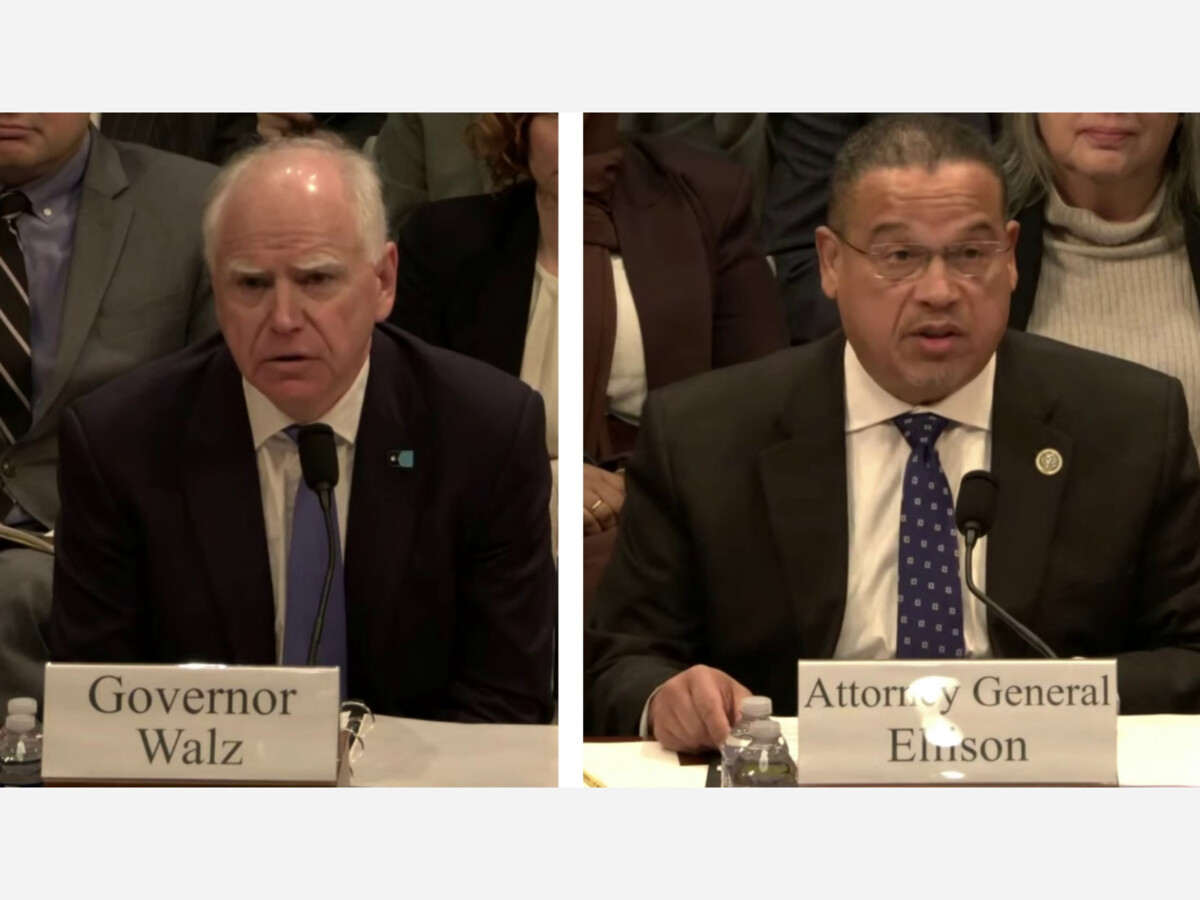



The hearing placed Minnesota’s government under rare national scrutiny as lawmakers examined how large scale fraud schemes were able to operate within programs funded by federal taxpayers.
At the center of the discussion was the massive fraud investigation involving the nonprofit Feeding Our Future, founded by Aimee Bock, which federal prosecutors say helped facilitate a scheme that diverted more than $250 million from a pandemic era child nutrition program.
The case, described by federal investigators as the largest pandemic related fraud scheme uncovered in the United States, has resulted in charges against more than 70 individuals and has become a focal point in national debates about oversight of federal relief programs.
Wednesday’s hearing marked a rare moment in which the top elected leaders of a U.S. state were called before Congress to answer questions about fraud tied to programs administered at the state level.
Members of the House Oversight Committee pressed Walz and Ellison about the effectiveness of Minnesota’s monitoring systems and asked whether earlier warning signs of fraud were acted upon quickly enough.
The committee released a 54 page investigative report shortly before the hearing began, outlining its findings and raising questions about how state agencies responded to allegations of irregularities within federally funded programs.
Republican members of the committee argued that fraud risks were visible long before federal prosecutors began bringing criminal charges. Democratic members countered that investigations were already underway and warned against drawing conclusions while criminal cases remain active in federal court.
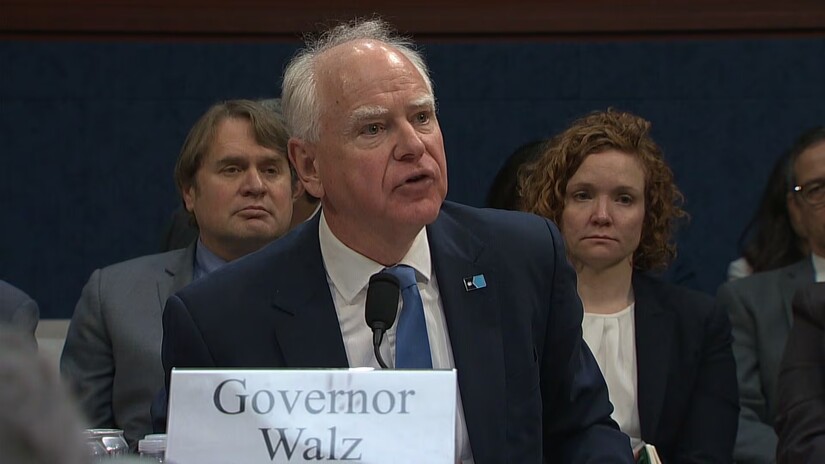
Governor Walz told lawmakers that his administration has worked closely with federal investigators and has implemented measures intended to strengthen oversight of government programs.
Walz emphasized that Minnesota agencies have increased cooperation with law enforcement and have taken steps to improve fraud detection systems within programs administered by the state.
He also noted that many of the programs under scrutiny expanded rapidly during the COVID 19 emergency, when federal policy changes were designed to distribute food and other assistance quickly to families in need.
That rapid expansion, he suggested, created vulnerabilities that criminal networks were able to exploit.
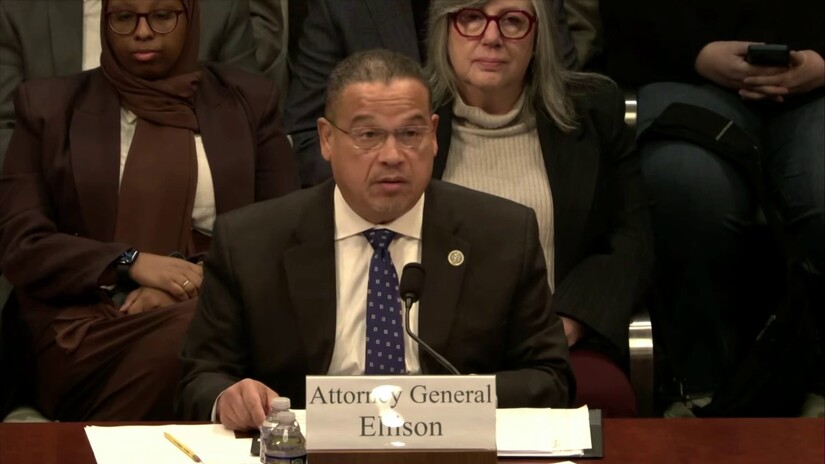
Attorney General Ellison told the committee that prosecutors at both the state and federal levels have pursued aggressive legal action against individuals accused of defrauding government programs.
Ellison pointed to the extensive federal investigation into Feeding Our Future and the dozens of criminal cases that have followed.
He emphasized that complex financial crimes involving large networks of defendants often require years of investigation and coordination among multiple agencies before charges are filed.
Ellison also noted that his office has worked with federal prosecutors and investigators throughout the ongoing cases.
Much of the congressional discussion centered on the alleged fraud connected to Feeding Our Future, a Minnesota nonprofit that participated in a federally funded child nutrition program administered through the U.S. Department of Agriculture and overseen at the state level by the Minnesota Department of Education.
Federal prosecutors allege that the organization approved dozens of fraudulent meal distribution sites that falsely claimed to serve thousands of meals to children during the pandemic.
According to the U.S. Department of Justice, those false claims generated more than $250 million in federal reimbursements intended to feed children during the public health emergency.
Prosecutors allege that many of the meal sites existed largely on paper, submitting inflated reimbursement claims for meals that were never served.
The scheme allegedly involved a network of individuals who created shell companies and fake food distribution sites to obtain federal funds.
More than 70 individuals have been charged in the broader investigation, making it one of the largest white collar criminal prosecutions ever pursued in Minnesota.
The Feeding Our Future case has already reshaped policy discussions across Minnesota and in Washington.
Lawmakers are examining how emergency pandemic programs, which were designed to move aid quickly to communities during the crisis, may have created opportunities for fraud.
Congressional investigators are also evaluating whether oversight mechanisms within federal and state agencies were sufficient to prevent large scale abuse.
For Minnesota leaders, Wednesday’s testimony marked a moment when a state level scandal became the subject of national congressional scrutiny.
As federal prosecutions continue and additional defendants move through the courts, the investigation remains one of the most consequential fraud cases to emerge from the pandemic era.



Patchy rain nearby, with a high of 64 and low of 46 degrees. Sunny for the morning, clear overnight.