Image
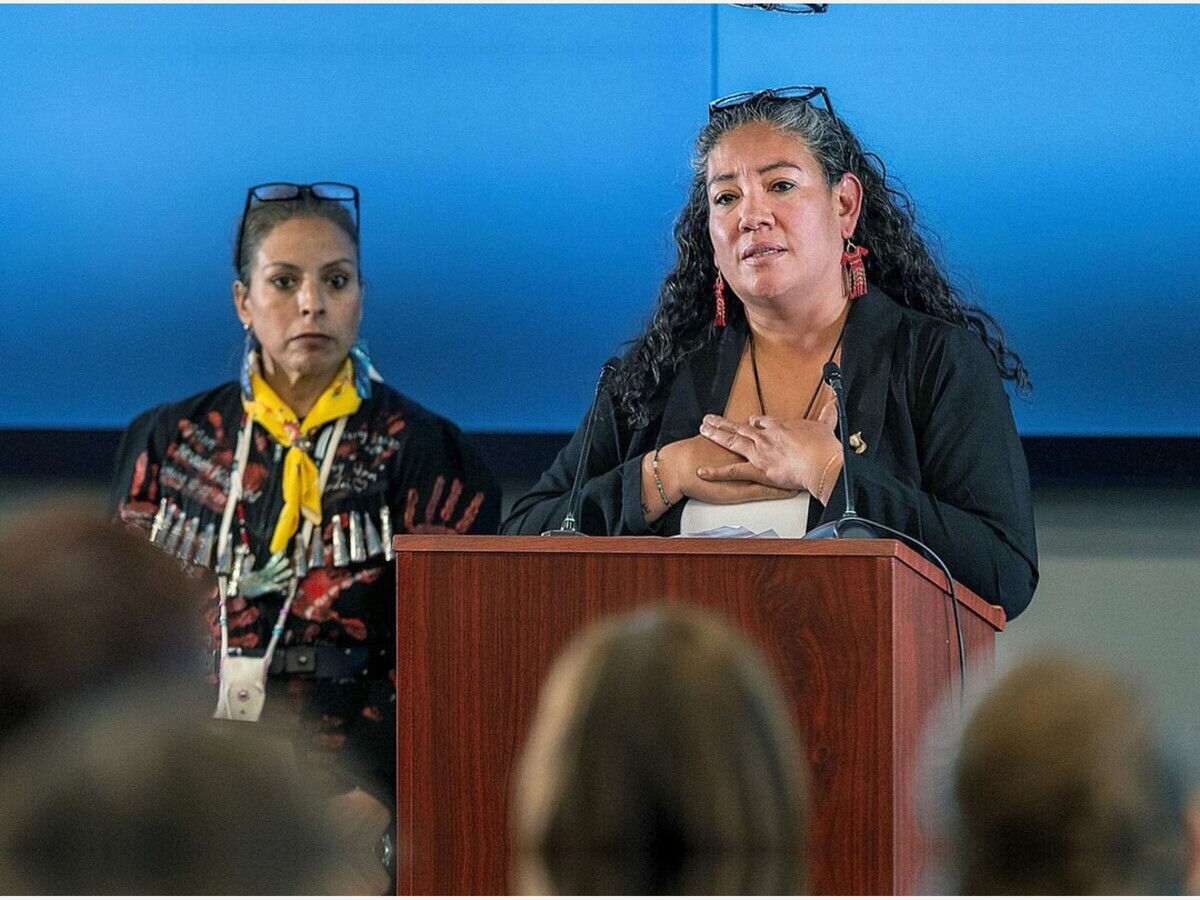



Lopez, an enrolled member of the Leech Lake Band of Ojibwe, confirmed Wednesday that she had been terminated from her position overseeing the statewide office focused on missing and murdered Indigenous relatives. Her dismissal came one day after she led a statewide ceremony in Minneapolis recognizing National Missing and Murdered Indigenous Relatives Day of Awareness.
The Minnesota Department of Public Safety confirmed Lopez’s termination but declined to provide specific details regarding the decision, citing Minnesota personnel privacy laws.
During the awareness ceremony Tuesday at the Minneapolis American Indian Center, Lopez joined tribal leaders, advocates, and families honoring Indigenous relatives who remain missing or who have been killed. Attendees observed honor songs, remembrance activities, and calls for continued public awareness surrounding violence affecting Indigenous communities across Minnesota and North America.
In interviews following her dismissal, Lopez said she was informed the decision involved what she described as “poor leadership decisions.” She also told MPR News that her advocacy-centered leadership approach often conflicted with the structure of state bureaucracy.
“The cultural competency definitely wasn’t there,” Lopez said, adding that state systems frequently lack the “leeway for humanness” necessary for work involving grieving families and Indigenous communities.
Lopez also questioned whether the office itself had been structurally positioned for long-term success. When asked whether the role had adequate institutional support, she responded, “No, it wasn’t.”
Lopez became director of the MMIR Office in July 2025 after previously serving as executive director of Violence Free Minnesota, a statewide coalition focused on ending relationship abuse and violence. At the time of her appointment, Department of Public Safety Commissioner Bob Jacobson described Lopez as a “nationally respected advocate” with deep relationships throughout Minnesota’s Indigenous communities.
The Minnesota MMIR Office was established in 2021 and became the first office of its kind in the United States dedicated specifically to addressing the Missing and Murdered Indigenous Relatives crisis. The office was created to coordinate statewide responses involving tribal governments, law enforcement agencies, advocates, and affected families.
Its responsibilities include reviewing cold cases, assisting families navigating missing persons investigations, coordinating intergovernmental partnerships, and examining systemic causes of violence affecting Indigenous women, children, men, and two-spirit relatives.
Minnesota lawmakers and tribal leaders created the office following years of advocacy highlighting disproportionately high rates of violence against Indigenous people and longstanding concerns regarding investigative gaps, jurisdictional conflicts, and limited coordination between agencies.
According to advocates and state reports, Indigenous women and girls continue to experience significantly higher rates of violence compared to the general population. Community organizations throughout Minnesota have repeatedly called for expanded resources, culturally responsive support systems, and greater accountability in investigations involving Indigenous victims.
Lopez is the third person to lead the MMIR Office since its establishment five years ago, a turnover rate that has raised additional questions among advocates regarding continuity, institutional support, and long-term sustainability within the office.
Following Lopez’s dismissal, Commissioner Jacobson announced an interim leadership structure intended to maintain operations while the state searches for a permanent replacement.
Under the temporary arrangement, Kim Babine, executive director of the Office of Justice Programs, will oversee MMIR Office operations. Juliet Rudie, who previously served as director of the MMIR Office, will provide additional strategic and tribal relations support during the transition period.
As of Friday, state officials had not announced a timeline for selecting a permanent director.
The leadership change comes during a week of heightened public attention surrounding Missing and Murdered Indigenous Relatives awareness efforts across Minnesota. Tribal nations, advocacy organizations, and community groups throughout the state hosted remembrance walks, educational forums, and ceremonial gatherings tied to National MMIR Day of Awareness.
The Department of Public Safety has not publicly indicated whether Lopez’s dismissal will affect ongoing investigations, outreach initiatives, or existing partnerships between the MMIR Office and tribal communities.
MinneapoliMedia | Community. Culture. Civic Life.



Sunny, with a high of 85 and low of 60 degrees. Sunny in the morning, clear overnight.