66° and Partly cloudy
Image
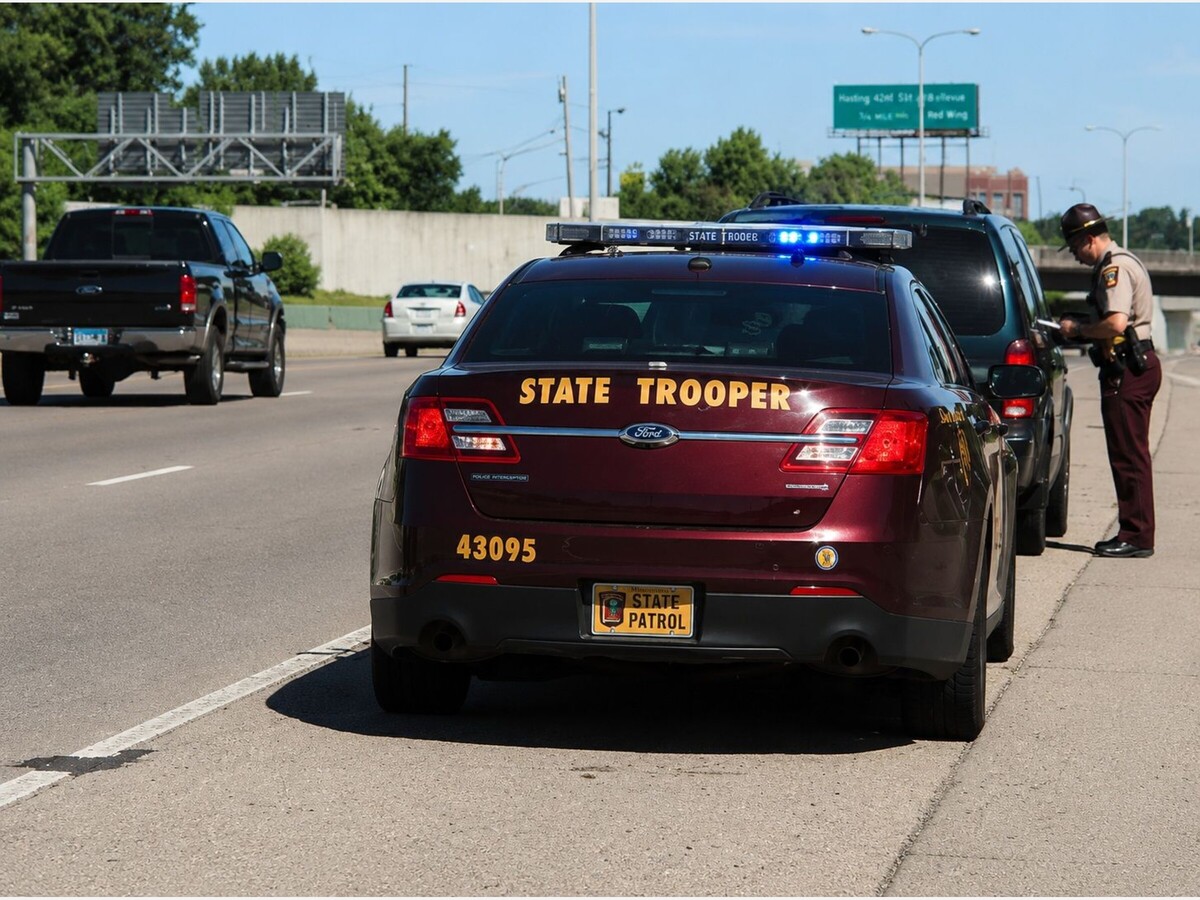



The period between Memorial Day and Labor Day, widely referred to by traffic safety officials as the “100 deadliest days of summer,” historically produces some of the state’s highest concentrations of serious crashes and roadway fatalities despite warmer weather and clearer driving conditions.
Officials with the Minnesota Department of Public Safety and the Minnesota State Patrol formally launched their annual summer traffic enforcement and awareness campaign ahead of Memorial Day weekend, urging motorists to slow down, wear seat belts, avoid distractions, and never drive impaired as traffic volumes increase statewide.
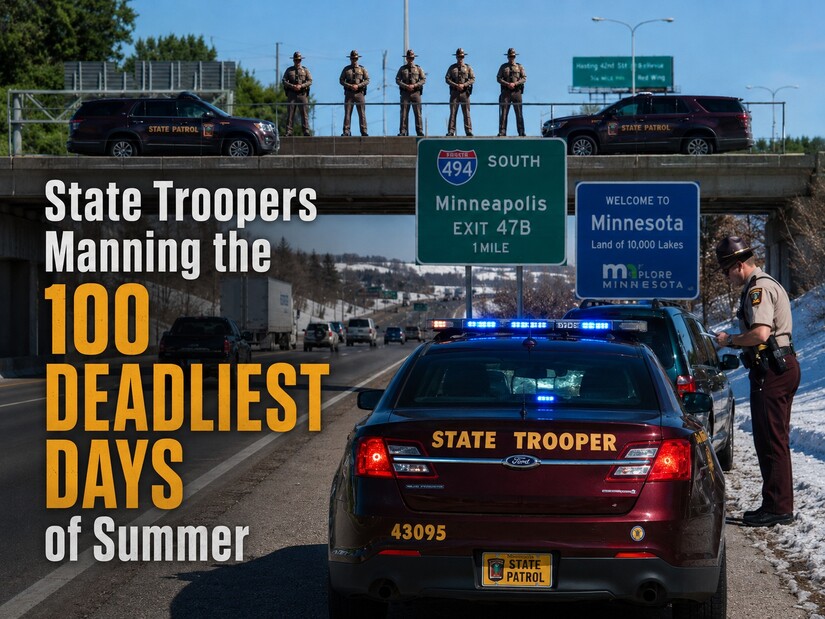
While winter storms and icy roads often dominate public perception of dangerous driving in Minnesota, crash statistics consistently show summer months can be equally deadly. Public safety researchers and traffic enforcement officials say warmer weather frequently creates a false sense of security among drivers, leading to higher speeds, reduced caution, and riskier decision-making behind the wheel.
With schools closed for the summer, tourism activity increasing, motorcycles returning to the roads, and thousands of Minnesotans traveling for holidays and recreation, traffic density rises sharply between late May and early September. State officials say that combination significantly elevates the likelihood of severe crashes.
According to data released by the Minnesota Department of Public Safety, 111 people were killed on Minnesota roads between Memorial Day and Labor Day last year alone. Authorities say the overwhelming majority of those fatalities involved preventable driving behaviors such as speeding, alcohol impairment, distracted driving, and failure to wear seat belts.
Minnesota State Patrol Lt. Mike Lee said the emotional consequences of deadly crashes extend far beyond citations and enforcement campaigns, leaving permanent psychological impacts on troopers, emergency responders, and grieving families.
“When most people think about dangerous driving, they think about getting a ticket or having some sort of fine,” Lee said during the state’s summer safety campaign announcement. “What troopers and other first responders see are the moments that stick with us for the rest of our careers. We knock on doors to deliver tragic news. We speak to families on the side of the road during the worst times.”
Lee emphasized that most fatal crashes are not unavoidable tragedies, but predictable outcomes tied directly to driver behavior and preventable choices.
“The frustrating part is that the deadly crashes we respond to are not accidents in the way people sometimes think of them,” Lee said. “They are the result of choices. Choices to drive too fast, choices to drive distracted, choices to drive impaired, and choices to not wear their seatbelts.”
Traffic safety officials often describe those behaviors as the “Big Four” contributors to fatal crashes across Minnesota roadways.
Speeding remains the single largest contributing factor in many deadly crashes statewide. Officials with the Minnesota Office of Traffic Safety say even small increases in speed dramatically reduce driver reaction time, lengthen stopping distance, and magnify the physical force generated during collisions.
Preliminary state data shows Minnesota law enforcement agencies issued more than 166,000 speeding citations during the past year alone. Authorities also linked excessive speed to more than 100 traffic deaths and hundreds of serious injuries statewide.
Shannon Grabow, a supervisor with the Minnesota Office of Traffic Safety, said many motorists continue to underestimate how rapidly crash severity escalates at higher speeds.
“Some drivers think a few extra miles per hour doesn’t matter, but physics tell us otherwise,” Grabow said. “Every one mile per hour over the speed limit increases both the force of a crash and the likelihood of serious injury or death.”
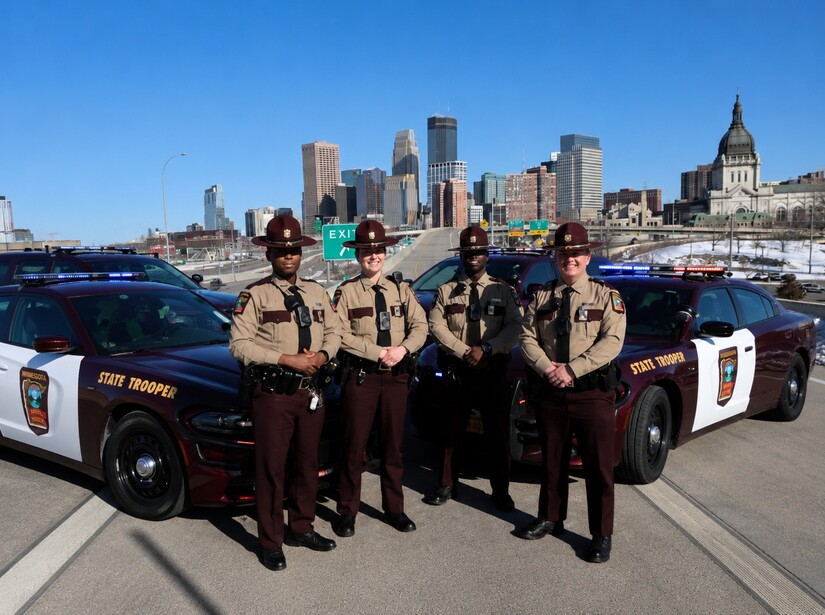
Public safety officials also continue to warn about impaired driving during summer weekends and holidays, particularly around lake travel, festivals, sporting events, concerts, and backyard gatherings where alcohol consumption increases significantly.
According to state fatal crash statistics from last summer, alcohol impairment contributed to at least 37 roadway deaths during the Memorial Day-to-Labor Day period alone.
Distracted driving remains another major concern entering the summer season. State officials say texting, phone use, adjusting GPS systems, and other in-vehicle distractions continue causing devastating lane-departure crashes and rear-end collisions throughout Minnesota.
During a recent statewide distracted driving enforcement campaign leading into summer, Minnesota law enforcement agencies cited more than 6,400 drivers for violating the state’s hands-free cellphone law.
Authorities additionally continue emphasizing seat belt compliance as one of the simplest and most effective life-saving measures available to motorists. Last summer, at least 16 people killed during the 100 deadliest days period were not wearing seat belts at the time of their crashes, according to state data.
Traffic safety groups are also expressing concern about elevated crash risks involving teenage drivers during summer months. National and state-level crash studies consistently show fatal collisions involving drivers between ages 15 and 20 increase during summer vacation periods when younger drivers spend more time on the road without school-related structure and supervision.
In response, the Minnesota State Patrol and more than 300 law enforcement agencies across the state are deploying additional patrols and targeted enforcement operations throughout the summer months. Authorities say enforcement efforts will focus heavily on speeding, impaired driving, distracted driving, and seat belt violations.
The broader traffic safety campaign comes as officials nationwide continue confronting increases in aggressive driving behavior that intensified during and after the COVID-19 pandemic. Transportation safety agencies across the country have documented spikes in reckless speeding, street racing, road rage incidents, and high-speed fatal crashes over the past several years.
Despite those ongoing concerns, Minnesota officials say recent statewide fatality data may show signs of improvement. Preliminary Department of Public Safety figures indicate overall roadway deaths declined substantially over the past year, with total annual fatalities estimated between 363 and 370 statewide, down significantly from 475 deaths recorded the previous year. If finalized, the figure would represent Minnesota’s lowest annual roadway fatality total since 2019.
Still, authorities caution that progress remains fragile entering the busy summer travel season.
State officials are encouraging passengers to intervene when they observe dangerous driving behavior and are reminding Minnesotans to call 911 when they witness suspected impaired or reckless driving on public roads.
For troopers and emergency responders preparing for another summer season of crashes, notifications, and roadside trauma, officials say the central message remains both urgent and simple: slow down, buckle up, stay sober, and put the phone away.
“Speeding rarely saves time,” Grabow said. “But it dramatically increases the risk of a deadly crash.”
MinneapoliMedia | Community. Culture. Civic Life.



Sunny, with a high of 87 and low of 64 degrees. Sunny during the morning, patchy rain nearby overnight.