Image


MINNEAPOLIS, MN (July 9, 2026)
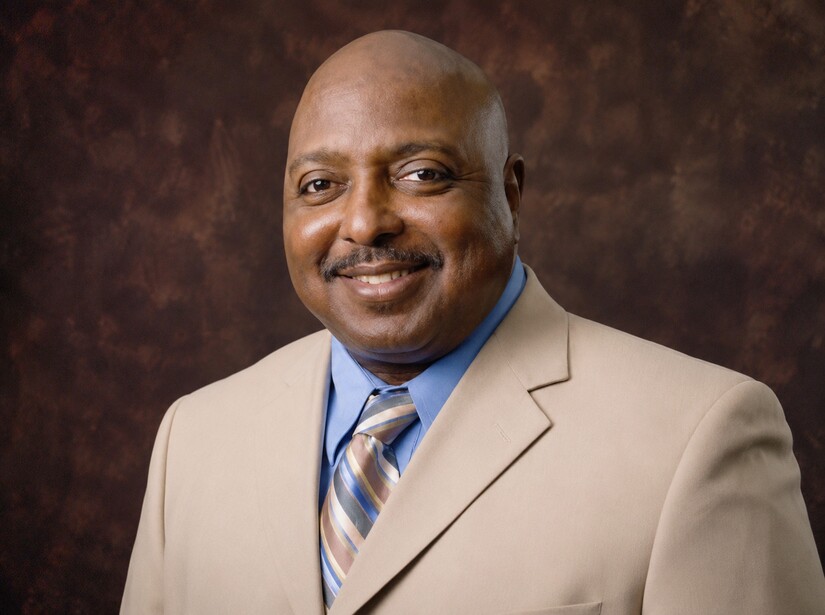
For more than four decades, Dr. Oliver J. Williams has dedicated his life to helping people navigate some of life's most painful realities.
As a professor in the University of Minnesota's School of Social Work, he educated generations of social workers, advocates, physicians, clergy, and law enforcement professionals while helping shape the national conversation on domestic violence and family violence.
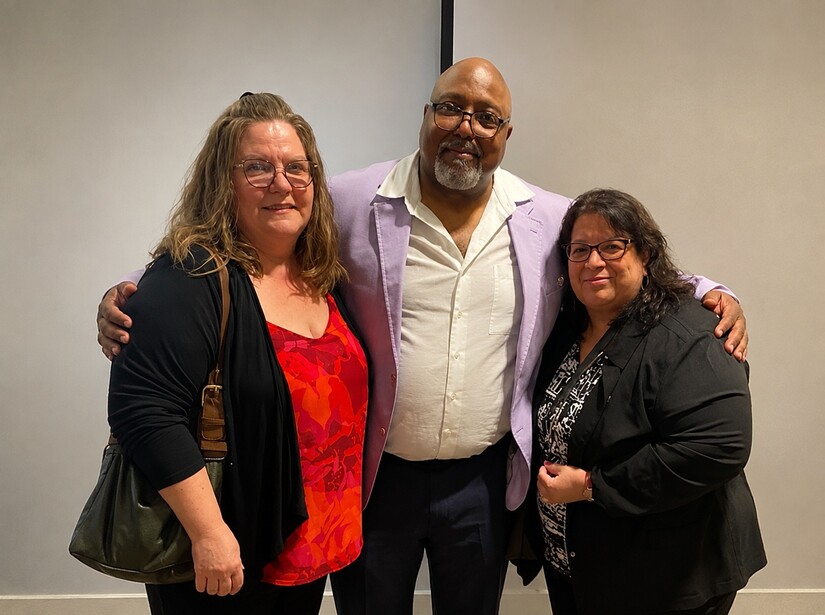
By founding the Institute on Domestic Violence in the African American Community (IDVAAC), he established one of the nation's most influential research centers, challenging institutions to become more responsive while encouraging communities to confront difficult truths with compassion, accountability, and hope. For countless families, many of whom he will never know personally, his life's work helped shape policies and conversations that continue to strengthen communities today.
Now, for perhaps the first time in his remarkable career, Dr. Williams finds himself on the other side of that relationship. The man who has spent a lifetime helping others now needs others to help him.
Dr. Williams is living with Chronic Kidney Disease (CKD) and End-Stage Renal Failure.
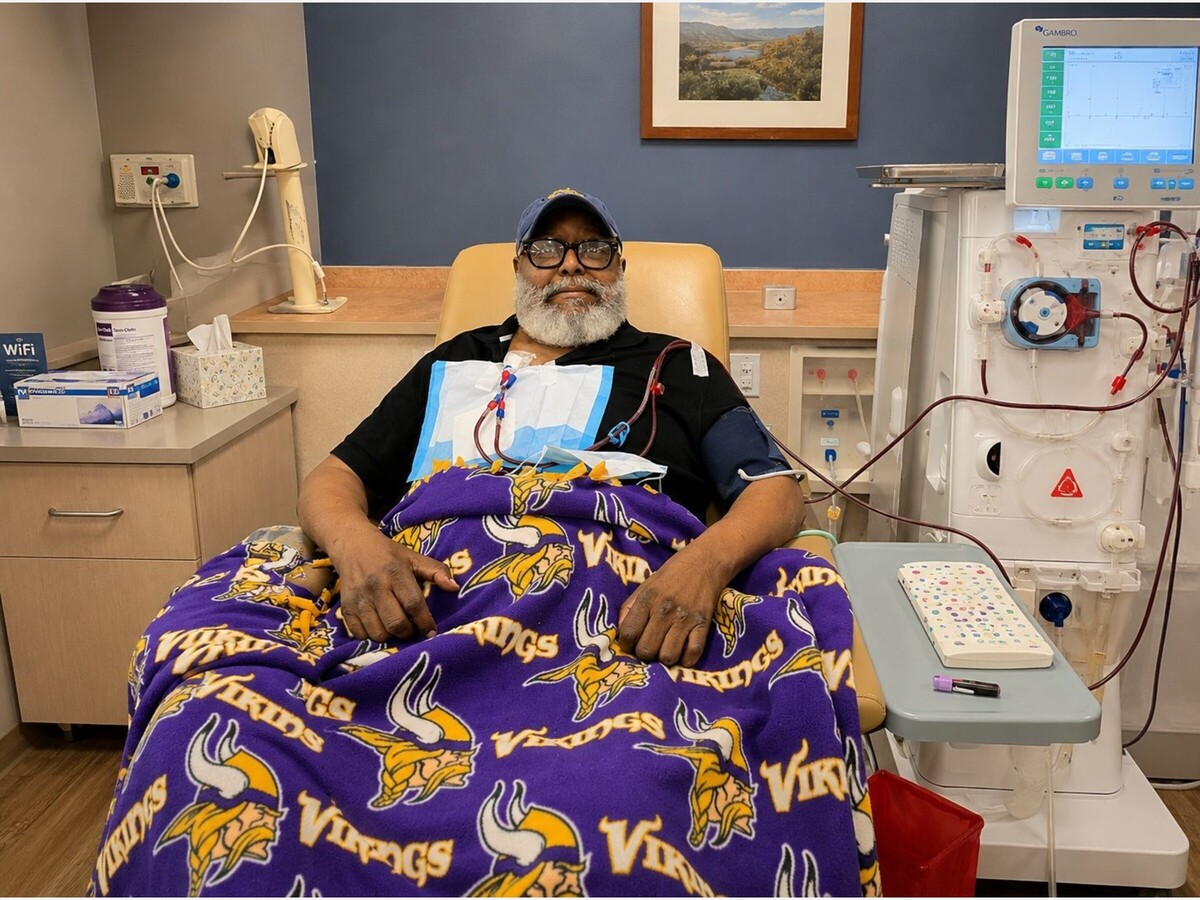
Three days each week, he undergoes dialysis at the DaVita Minneapolis Dialysis Unit, where machines perform the work his kidneys no longer can. His transplant care, including evaluation and coordination for a kidney transplant, is being managed through M Health Fairview at the University of Minnesota Transplant Unit, where his physicians have determined that a living kidney donor represents his best path forward.
Yet, during a recent conversation with MinneapoliMedia, Dr. Williams spent remarkably little time talking about himself. Instead, he spoke about educating others. He wanted readers to understand the warning signs of chronic kidney disease; he wanted families to take diabetes and high blood pressure seriously; and he wanted potential donors to know that living kidney donation is far less mysterious, and often far less frightening, than many people imagine. Even while facing one of the greatest challenges of his own life, he remained what he has always been: a teacher.
That instinct emerged almost immediately during our conversation. When asked how he was doing, Dr. Williams answered with characteristic calm and a complete absence of self-pity or dramatic descriptions of suffering.
"I'm okay," he said simply. "It's been a busy day today, but it's been good."
With the quiet honesty of someone accustomed to helping others understand complex issues, he explained that years of high blood pressure and Type 2 diabetes had gradually damaged his kidneys. Those chronic conditions had already placed him at significant risk when a medical procedure in February caused his kidneys to shut down completely. Following that medical crisis, he began dialysis. His physicians waited, hoping his kidneys might recover, but they did not.
Today, dialysis keeps him alive while he waits for the opportunity to receive a life-saving kidney transplant.
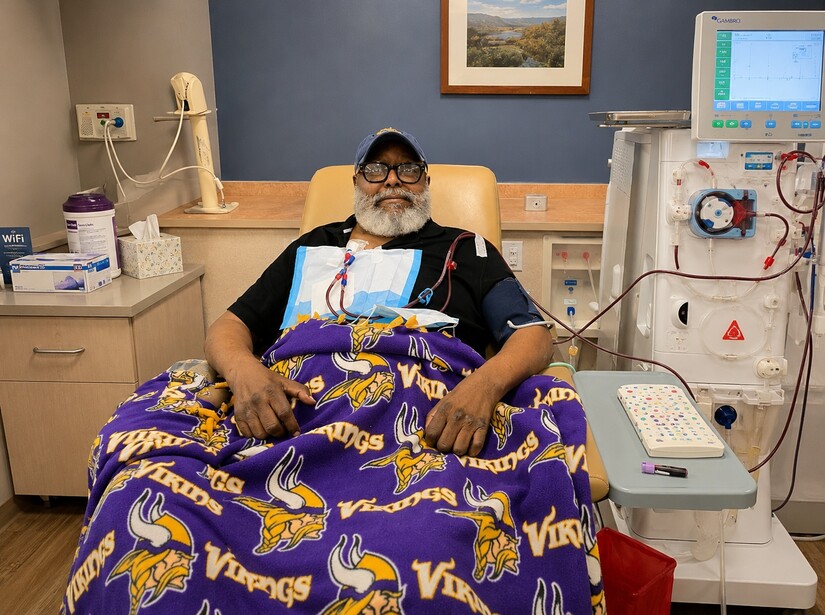
Few people truly understand dialysis until they experience it themselves, and Dr. Williams admits he was no exception. Before his own diagnosis, he had heard people describe the treatment, but those descriptions never fully conveyed what life would actually become. Now, three days each week, he spends approximately four hours connected to a machine.
His blood leaves his body, passes through a dialysis machine that filters and cleans it because his kidneys can no longer perform that function, and then returns to his body.
"You have to stay still for four hours," he reflected. "The staff is wonderful. They do everything they can to make you comfortable."
Still, comfort has its limits. The treatment room is perpetually cold, his left hand often becomes numb because of the catheter used during treatment, and spontaneity has vanished from his calendar. Travel must now be meticulously planned around clinic schedules, and food and fluids require constant attention. "You don't have as much freedom," he said.
It was a sentence spoken without bitterness. Instead, he quickly balanced hardship with gratitude, noting that considering the alternative, dialysis remains a blessing because it keeps him alive. That perspective surfaced repeatedly throughout our conversation. Dr. Williams never minimized the difficulty of his regimen, but neither did he allow the disease to define him. Rather than dwelling on what had been taken away, he spoke about what still remained possible. He still hopes to teach, to mentor, and to continue strengthening families and communities. Most of all, he hopes for the opportunity to keep serving others.
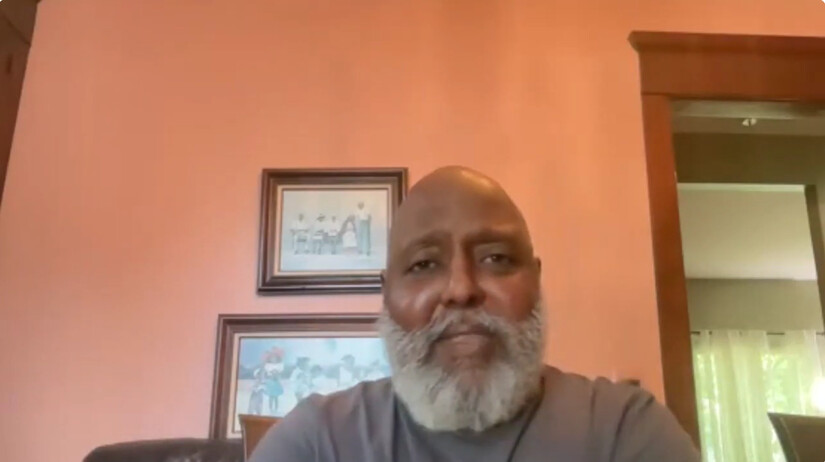
There are moments in life that quietly divide time into a before and an after. For Dr. Oliver Williams, one of those moments arrived not with drama, but with reflection, as the diagnosis changed the way he thinks about life itself.
"I think it has made me consider my mortality in ways that I didn't expect," he said. "I always assumed those were things I would think about much later in life, but now I'm at a place where I have to consider my mortality."
For decades, Williams' work placed him alongside people confronting some of life's most difficult moments, listening to survivors recount unimaginable trauma and encouraging others to persevere through grief, uncertainty, and hardship. Now, unexpectedly, he found himself confronting his own vulnerability. It is not a statement of despair, but one of perspective, prompting him to think about the practical matters that accompany any serious illness, from putting his affairs in order to appreciating the people who matter most.
"It has caused me to appreciate my family in ways that perhaps I had thought about before, but now I think about much more intentionally and much more presently," he reflected.
Throughout the conversation, Williams never allowed the discussion to linger in hopelessness, balancing every difficult thought with another rooted in heritage and faith.
"I continue to keep my faith," he said. "I'm hopeful that someone will become a kidney donor. If that happens, hopefully I'll have the opportunity to think about those things much later in life rather than right now."
Perhaps the most moving moments of the conversation came when he spoke about family. Serious illness changes more than the life of the patient; it alters conversations around the dinner table, changes the future people imagine, and impacts how children look at their parents. Asked how the diagnosis has affected his family, Williams paused before answering.
"I think they're having to think about the possibility of losing me in ways they never expected they would have to," he said, before shifting to something deeply personal. "I've always wanted grandchildren."
He noted that his son and his fiancée now talk about the future a little differently than they might have before. Behind every patient waiting for an organ transplant stands a family waiting with them, futures temporarily placed on hold. For Dr. Williams, receiving a kidney transplant would mean far more than ending dialysis; it would mean the possibility of witnessing milestones still ahead, more birthdays, more holidays, and perhaps one day, grandchildren.
Long before Dr. Oliver Williams found himself sitting in a dialysis chair, he had spent decades helping others navigate some of the most painful moments of their lives. His calling was to confront a reality that, for many years, received far too little attention. While domestic violence was being discussed nationally, the unique experiences of African American families often remained absent from the conversation. Williams believed that had to change, operating on the simple but profound observation that communities cannot solve problems they refuse to understand.
Under his leadership, IDVAAC became a national center for research, training, policy development, and community engagement. The Institute brought together researchers and practitioners, developed culturally responsive approaches to prevention, and encouraged collaboration among faith leaders, healthcare providers, and policymakers. Williams consistently broadened the scope, addressing child abuse, elder maltreatment, fatherhood, and the unique challenges faced by formerly incarcerated individuals returning to their families. He championed efforts to engage African American men as partners in ending violence through initiatives like the African American Domestic Peace Project, proving that harm could not be reduced simply by reacting after violence occurred.
Today, Dr. Williams' personal health journey reflects challenges that affect many families in the communities he has spent a lifetime serving. Chronic kidney disease, diabetes, and high blood pressure continue to disproportionately affect African Americans, making prevention, early detection, and access to quality care critical public health priorities.
Yet, during the weeks following news of his illness, the breadth of the lives his work touched became a powerful source of reciprocal healing. Former students, colleagues, advocates, and individuals he met briefly at conferences years ago began reaching out from across the country.
"Sometimes you do your work without fully knowing its impact on others," he reflected softly. "To hear people say that something I did helped shape their lives or careers has been incredibly meaningful to me."
Throughout our conversation, Dr. Oliver Williams returned repeatedly to the remarkable generosity of people willing to become living kidney donors, speaking about them with deep admiration.
"I have a friend who received a kidney transplant," Williams said. "He told me that people who donate a kidney are angels. I just hope there's an angel out there who is willing to donate a kidney to me."
One of Dr. Williams' primary goals in speaking publicly is to demystify the donation process. Like many Americans, he once believed that donating a kidney carried far greater risks than it actually does, assuming it led to a lifetime of personal health complications. As he learned more through educational programs offered by the University of Minnesota Transplant Unit and the National Kidney Registry, he discovered that most healthy people can live full, active lives with just one kidney.
He also discovered that a person interested in helping him does not necessarily have to share his blood type. Through a process known as paired kidney exchange, a healthy donor who is incompatible with Williams can donate to another patient, while that patient's incompatible donor can, in turn, donate to Williams.
In practical terms, a paired kidney exchange can create another pathway through which Dr. Williams may receive a compatible kidney, even if an initial volunteer is not a direct match.
The stringent evaluation process exists for one purpose above all others: to protect the donor. Williams knows this firsthand. Several close friends volunteered to donate a kidney for him, and though each came forward with extraordinary generosity, medical evaluations ultimately determined they were not eligible. One person discovered an underlying heart condition, another uncovered a different medical issue, and a third was found to have health concerns related to weight. Rather than viewing those outcomes as disappointments, Williams saw another lesson in safety, noting that the evaluation process inherently protects volunteers, sometimes helping them discover critical health issues they did not know they had.
Throughout our conversation, Dr. Oliver Williams never asked for sympathy, nor did he speak with bitterness about his restricted routine. Instead, he spoke about a lifetime woven with faith, a heritage passed down from his mother, grandmother, and father.
"Believing that God has a plan has given me strength," he said. "It has allowed me to remain hopeful that something good can still come from this. Perhaps this journey is something I needed to experience so that, in some way, I can continue helping someone else."
Even while facing End-Stage Renal Failure, Williams speaks less about retirement than about returning to the classroom, the mentorship, and the community building that has defined his adult life. When asked what a successful kidney transplant would mean, his answer focused only briefly on his own physical relief before shifting back to his lifelong purpose.
"Thank you for even considering it," he said, speaking directly to anyone weighing the decision to become a donor. "Thank you for being willing to think about donating a kidney. It would truly be a blessing to me, and it would relieve an enormous amount of stress in my life. But more importantly, it would allow me to spend less time thinking about my illness and more time engaging fully in life again. It would give me the opportunity to continue serving others and doing the work that has meant so much to me throughout my life."
Perhaps no sentence better captures who Dr. Oliver Williams is. He is not a man defined by illness, but a teacher, a scholar, a husband, a father, and a community builder who has spent decades helping others carry burdens that often seemed impossible to bear. Today, he carries one of his own, and perhaps somewhere, someone reading these words may become the reason he is able to continue carrying hope to others for many years to come.
Dr. Oliver Williams is currently receiving care through M Health Fairview at the University of Minnesota Transplant Unit. If you are interested in exploring living kidney donation, please consider the following steps:
Prospective donors do not need to determine compatibility on their own. The transplant team will guide volunteers through every safety protocol and paired exchange option.
Every inquiry is confidential, and learning more about the donation process does not obligate anyone to become a donor.
Over the years, MinneapoliMedia has had the privilege of telling the stories of individuals whose lives have strengthened our communities in ways both visible and unseen. Dr. Oliver Williams is one of those individuals. His life's work has helped shape conversations about domestic violence, family well-being, public health, and community healing across Minnesota and throughout the nation.
Today, we have the opportunity to stand beside him. If this story informs you, please consider sharing it. If it inspires you, please encourage others to read it. And if you believe you may be able to help, we encourage you to contact the transplant team and learn more about becoming a living kidney donor. Sometimes changing a life begins with simply saying, "I'd like to find out more."
MinneapoliMedia | Community. Culture. Civic Life.


Sunny, with a high of 85 and low of 49 degrees. Sunny for the morning, overcast for the afternoon and evening, clear overnight.