57° and Clear
Image
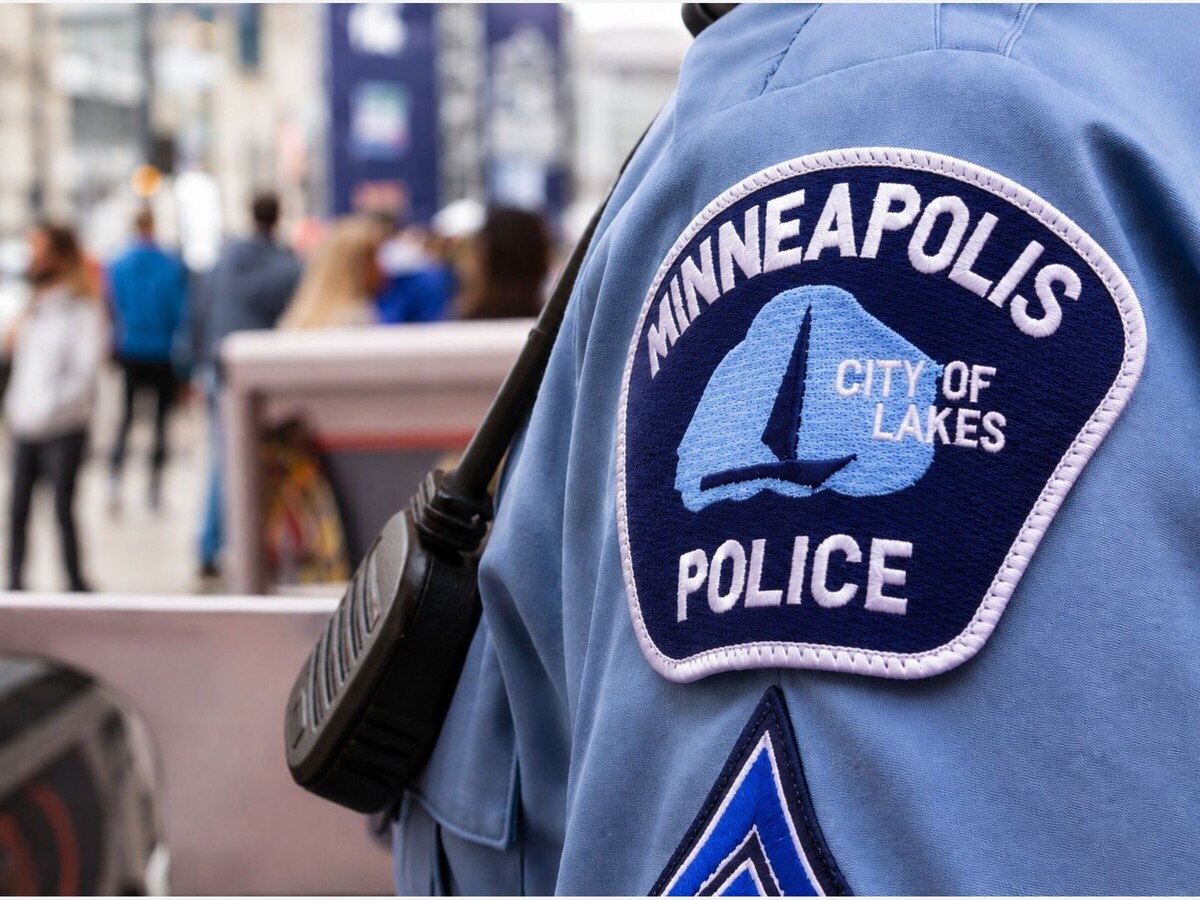



MINNEAPOLIS, MN (July 30, 2026). A specialized Minneapolis Police Department unit established to investigate nonfatal shootings is showing early progress as the city works to solve firearm assaults and interrupt cycles of retaliatory violence.
The Firearm Assault Shoot Team, known as FAST, began operating March 23. The unit responds directly to shootings in which victims survive and conducts immediate follow-up investigations similar to the response provided in homicide cases.
Minneapolis formally announced the multiagency team in May. Local television reports revisited its work Wednesday as investigators discussed how the unit is handling the city’s nonfatal shooting cases.
Minneapolis has recorded 123 nonfatal shooting incidents during 2026, according to information reported by KARE 11. Many of those investigations remain open.
The team includes one Minneapolis police lieutenant, seven Minneapolis officers and personnel from the Minnesota Bureau of Criminal Apprehension, Hennepin County Sheriff’s Office, Ramsey County Sheriff’s Office and Metro Transit Police. The Bloomington Police Department was also expected to participate.
Before FAST was established, Minneapolis homicide investigators were responsible for many nonfatal shootings. City officials said staffing shortages made it difficult to provide every surviving shooting victim with the same sustained investigative attention given to a homicide.
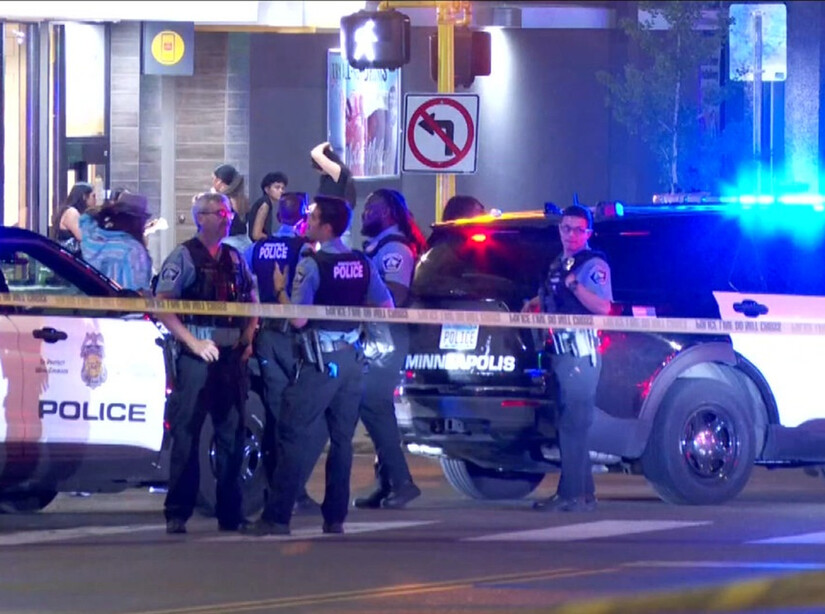
Under the new system, a FAST investigator is sent directly to the scene of a reported nonfatal shooting. The investigator can begin collecting evidence, interviewing witnesses and coordinating follow-up work without waiting for a homicide detective managing other cases.
City officials argue that the distinction between fatal and nonfatal shootings can sometimes be a matter of circumstance rather than intent. A victim’s survival does not make the underlying conduct less serious, and unsolved shootings can contribute to continued violence when victims, associates or suspected offenders retaliate.
Minneapolis crime data show that nonfatal shooting victims declined from 583 in 2021 to 255 in 2025. The proportion of cases the city classified as closed improved to 47 percent in 2025, compared with 27 percent in 2024.
The meaning of a closed case must be treated carefully. A closed investigation does not always mean that prosecutors obtained a conviction. Cases may be closed through arrest, charging, exceptional clearance or other investigative determinations.
The city has not published a complete FAST performance report showing how many 2026 cases have resulted in arrests, charges or convictions. Early statements from police and city leaders should therefore be understood as preliminary assessments rather than a final measure of the unit’s effectiveness.
The team operates within the Police Department’s major-crimes structure and works alongside other regional law-enforcement agencies. Officials say that cooperation is important because victims, suspected offenders, firearms and vehicles can move across city and county boundaries.
The city has described FAST as one component of a broader violence-reduction strategy that includes investigative work, community partnerships and violence-prevention programs.
Police Chief Brian O’Hara said when the unit was announced that the collaboration would help investigators share intelligence, pursue people responsible for shootings and provide a more consistent response to gun violence.
The unit’s longer-term effectiveness will depend on measurable results, including the number of cases solved, arrests supported by evidence, charges filed by prosecutors and whether targeted neighborhoods experience continued reductions in shootings.
Sources:
KARE 11, “MPD Resurrects Non-Deadly Shooting Investigation Team,” July 29, 2026;
City of Minneapolis, “Minneapolis Launches 2026 Summer Safety Plan,” June 3, 2026
MinneapoliMedia | Community. Culture. Civic Life



Sunny, with a high of 72 and low of 52 degrees. Sunny during the morning, clear during the afternoon and evening,