45° and Partly Cloudy
Image



ST. PAUL, MN (November 17, 2026).
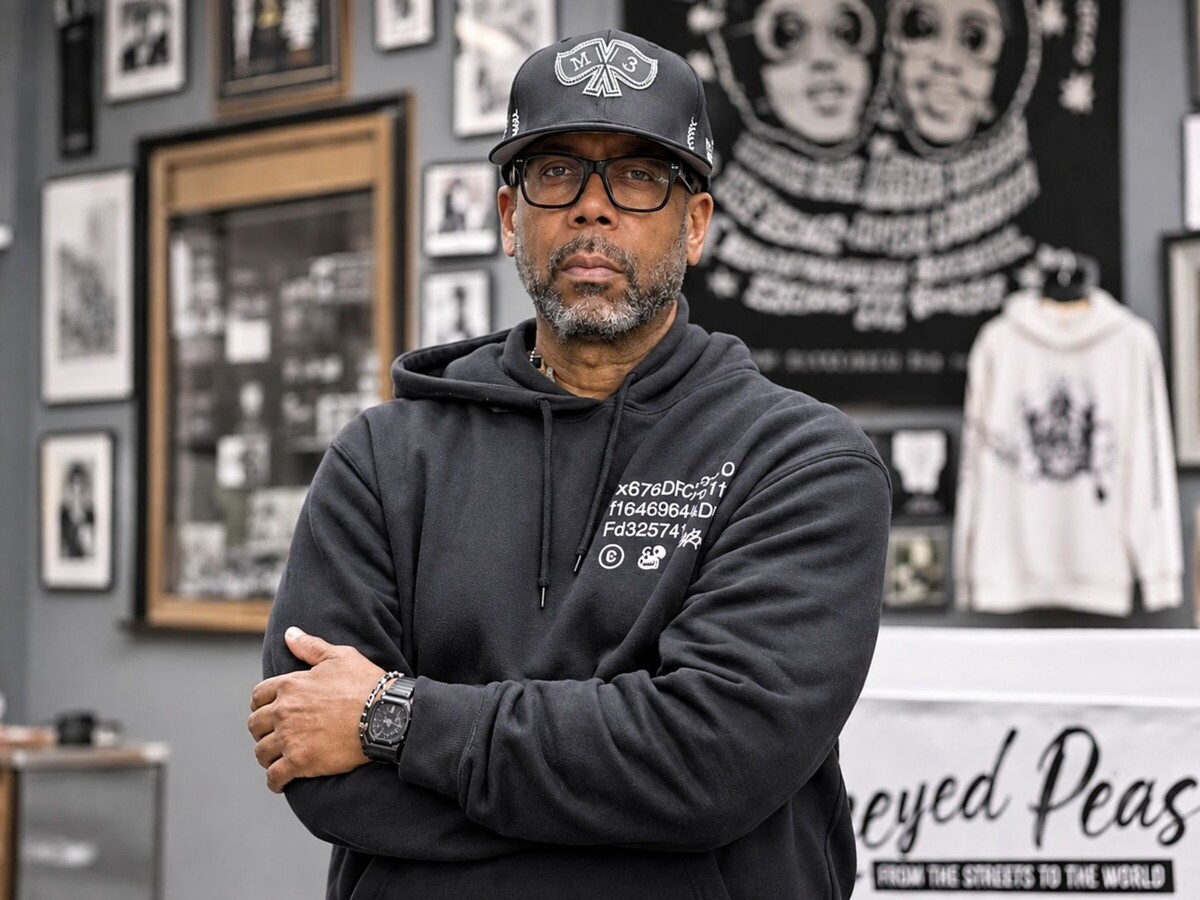
Timothy Wilson had just finished dealing with a customer when he joined MinneapoliMedia for an interview on November 4. Another group of visitors had occupied much of his day. A documentary crew from Russia had been inside Urban Lights Music, the independent record store he has operated on University Avenue in Saint Paul since 1993.
The filmmakers, Wilson explained, had discovered Urban Lights online while researching Minnesota's underground music culture. They were looking for places where they could learn about local artists, the music community and the people who had helped shape it.
Their search led them to his store.
For Wilson, the visit was another reminder that the reputation of Urban Lights has traveled considerably farther than its modest storefront in Saint Paul's Midway neighborhood. The business has attracted internationally recognized recording artists, journalists, documentary filmmakers, DJs and music enthusiasts for more than three decades. Yet its owner continues to manage the ordinary responsibilities of an independent retailer, including serving customers, maintaining inventory and finding enough revenue to keep the doors open.
At 33 years, Urban Lights is widely recognized as Minnesota's only Black-owned record store. Its survival is particularly significant in an industry that has experienced the collapse of major retail chains, the rise of digital downloads and the dominance of streaming services.
The store has endured those changes while maintaining a connection to the community that helped establish it.
Wilson's contribution to Minnesota music extends beyond the records he has sold. He helped distribute promotional recordings to DJs before digital platforms transformed music discovery. He developed relationships with major record labels and independent artists. He shared retail knowledge with people associated with Rhymesayers Entertainment, witnessed important developments in Minnesota hip-hop and provided space for young musicians to practice and perform.
His store has also become a place where generations of customers have formed relationships around music.
In an exclusive conversation for MinneapoliMedia's Builders of Minnesota, Wilson reflected on the experiences that brought him into the industry, the people who helped him along the way, the financial pressures that have threatened Urban Lights and the sacrifices he has made to sustain a business that has occupied much of his adult life.
The interview revealed a man whose professional achievements are closely connected to his personal history, including a high school football injury, a mother's prayers, friendships that developed into business partnerships and a determination to create opportunities for people who might otherwise struggle to find them.
Wilson's introduction to the music business began with an experience that had little to do with records.
As a young man, he expected sports to play an important role in his future. He spent much of his childhood playing football, basketball and baseball, and believed he might have the ability to pursue athletics seriously.
He joined his high school football team as a running back but was primarily assigned to the practice squad.
An injury to another player eventually created an opportunity for him to enter a game or scrimmage. His coach called him in, and Wilson approached the moment with confidence.
He had spent years playing football with friends, making difficult runs and imagining what he could accomplish on the field.
The experience was considerably different when he faced an opposing player.
Wilson recalled taking a hit so hard that he lost consciousness. When he regained awareness, people were standing over him, asking whether he was all right.
The incident ended his football ambitions.
He returned his equipment and turned his attention to music, obtaining turntables and beginning a journey that would eventually lead him into the recording industry.
By the 10th grade, he was making music mixes for fellow students.
His locker became an informal distribution center. Football players, basketball players, cheerleaders and student leaders came to him looking for recordings.
Wilson had discovered that his knowledge of music could attract customers long before he understood the larger possibilities of running a business.
He began DJing at park board events and other gatherings. As his interest developed, he found opportunities to observe experienced performers in professional settings.
One of those opportunities came at First Avenue in Minneapolis.
Wilson recalled that he and his friends gained access to the club as teenagers through a bouncer they knew. They were permitted to remain in the DJ booth during Thursday-night events.
The resident DJ, Roy Freedom, occasionally stepped outside, allowing the young visitors to work with the equipment.
Wilson remembered those opportunities as an important part of his development. He also spoke warmly about Freedom, who had died recently.
The experiences introduced Wilson to professional DJing and helped him establish relationships with people already working in music.
He was learning through observation, practice and access to individuals willing to give younger people an opportunity.
Decades later, that experience would influence how he approached mentorship at Urban Lights.
Wilson's interest in music eventually led him to Wide Angle Records in Minneapolis, where he gained experience in retail and promotional distribution.
He became involved in operating a record pool, a system that connected record companies with DJs who could introduce new recordings to audiences.
The work required regular communication with record labels, distributors and performers.
Wilson recalled developing relationships with representatives associated with Luke Records, Tommy Boy Records and Rap-A-Lot Records.
He was learning how the recording industry operated beyond the music itself, including how labels promoted artists, how DJs influenced consumer demand and how independent retailers contributed to the success of new releases.
At the same time, he was pursuing his education.
Wilson eventually graduated from college and began working in professional sales. His career provided financial stability and sharpened skills that would become important when he entered retail ownership.
Saint Paul was among his sales territories.
During his workday, he frequently stopped at a Northern Lights record-store location on University Avenue. He ate lunch there, read industry publications and spent time behind the counter before returning to his appointments.
By late 1992, the store's owners were preparing to sell the location.
Someone suggested that Wilson buy it.
He initially treated the proposal as a joke, but the possibility stayed with him.
Wilson approached friends he had known since high school. They had previously talked about the possibility of owning a record store, although those conversations had never developed into a concrete plan.
Now an opportunity existed.
The friends gathered money through personal resources and assistance from people close to them. Wilson also drew on the financial position he had established through his sales career.
In 1993, they purchased the business.
The store became Urban Lights Music.
Wilson explained that the name reflected their desire to create something positive within the surrounding community.
They wanted the business to provide music and good customer service, but they also wanted it to contribute to neighborhood life.
The idea of being a light in the community became part of the store's identity.
The decision would shape the next 33 years of Wilson's life.
When Urban Lights opened, the music retail industry was dominated by companies with far greater resources than Wilson and his partners possessed.
Target, Best Buy, Musicland and other retailers maintained significant positions in the market. Large stores could purchase substantial quantities of recordings, negotiate with distributors and attract customers through advertising and competitive pricing.
Wilson remembered having major competitors nearby, including a Target location and Tidal Wave across the street.
Urban Lights could not match their financial resources.
Wilson believed it could offer something different.
His years working with record labels and DJs had given him extensive knowledge of artists, recordings and emerging musical trends. His sales background had taught him the importance of understanding customers.
When someone entered Urban Lights, Wilson could discuss the music they liked, recommend unfamiliar artists and explain why a particular album might or might not meet their expectations.
He believed that giving customers reliable information was more important than persuading them to make an immediate purchase.
A customer who trusted his recommendations was more likely to return.
That approach became a competitive advantage.
Wilson's relationships with recording companies also helped him obtain music and stay informed about developments in the industry.
The store developed its reputation through personal relationships, local radio and community promotion.
Before social media, Wilson and his colleagues relied on flyers distributed at clubs and events, announcements through radio stations such as KMOJ, and conversations among music enthusiasts.
Customers recommended Urban Lights to friends because they trusted the people working there.
The business grew through those connections.
Wilson's experience illustrates the importance of specialized knowledge in independent retail. He was not simply selling the same product available elsewhere. He was providing information, recommendations and access to a community of people who shared an interest in music.
That distinction would become increasingly important as the industry changed.
Wilson's career placed him near several important developments in Minnesota's musical history.
During the interview, he recalled spending time with people connected to Prince and the production partnership of Jimmy Jam and Terry Lewis.
He described visits to Flyte Tyme, encounters at Paisley Park and occasions when Prince came to watch him DJ.
Those relationships connected Wilson to an important period in Minnesota's recording history.
But his involvement was not limited to established performers.
Wilson also witnessed the emergence of Minnesota's independent hip-hop community, including the development of Rhymesayers Entertainment.
He recalled knowing people associated with the label from his younger years and sharing experiences with them before their business became nationally recognized.
Brent Sayers, one of the people associated with Rhymesayers, visited Urban Lights to observe how the store operated, Wilson said.
The conversations involved practical aspects of the business, including ordering inventory, working with distributors and competing against large retailers.
Wilson remembered sharing what he had learned through his own experiences.
Rhymesayers later established Fifth Element, its own retail operation, while developing a roster of artists who would help bring Minnesota hip-hop to audiences across the country.
Wilson spoke about Atmosphere, Brother Ali and the growth of Soundset, the music festival associated with Rhymesayers.
He remembered watching the event develop from smaller gatherings into a major attraction drawing tens of thousands of people.
He also recalled receiving inquiries from record-label representatives who wanted introductions to people associated with Rhymesayers.
According to Wilson, the label's leadership was not particularly interested in conventional recording contracts. They had established an independent business model and wanted to maintain control of their work.
Wilson respected that approach.
His recollections demonstrate how Minnesota's independent music community developed through relationships among artists, DJs, retailers, producers and entrepreneurs.
Not everyone involved appeared onstage or received a recording credit.
Some contributed by sharing information, distributing music or helping others understand how the industry worked.
Urban Lights was one of the places where those exchanges occurred.
Wilson's relationships with national recording artists developed partly because of Minnesota's importance to the retail music industry.
For years, major retailers maintained corporate operations in the Twin Cities. Record labels needed relationships with companies such as Target, Best Buy, Musicland and Sam Goody because those businesses purchased and distributed large quantities of recordings.
That commercial presence brought recording-industry representatives and artists to Minnesota.
Wilson explained that performers visiting corporate retailers also wanted opportunities to connect with independent stores and the audiences they served.
Urban Lights benefited from those relationships.
Wilson recalled visits involving Destiny's Child, the Fugees and other prominent recording artists.
The appearances were important to customers, but they also reflected the store's position within the music business.
Independent retailers and DJs often helped introduce recordings before they achieved widespread commercial success.
Wilson recalled the role of mixtapes in promoting emerging performers, including artists who later became major names in hip-hop and R&B.
Urban Lights helped connect those recordings with listeners who were interested in discovering new music.
For record labels, the store offered access to an audience that could influence broader demand.
For local music enthusiasts, it provided opportunities to encounter artists whose work they followed.
The relationships also strengthened Wilson's professional network.
He had developed connections through record pools, retail sales and years of direct contact with industry representatives.
Those relationships helped establish Urban Lights as a destination for people working in music.
Among the most revealing portions of Wilson's interview was his explanation of the record-pool system.
Before streaming platforms made new recordings immediately available, record labels depended on physical distribution and relationships with DJs.
Wilson described receiving promotional records from companies seeking to introduce new artists or releases.
A label might send approximately 90 copies of a recording and ask that they be distributed to DJs working in clubs, on college campuses, at private gatherings or through independent radio outlets.
Wilson recalled having more than 50 DJs involved in his record pool at one point.
Participants would visit on Saturdays to collect recordings assigned to them.
The music came from both independent companies and major recording labels.
The DJs were expected to play the records and report how audiences responded.
Wilson gathered that information, prepared charts and communicated the results to the companies supplying the recordings.
The feedback helped labels understand which songs were connecting with listeners and which were struggling to gain attention.
The system required considerable coordination.
Wilson had to maintain relationships with labels, distribute recordings, collect responses and prepare reports.
He described the process as an important part of how the industry promoted music before digital platforms transformed distribution.
The record pool also gave DJs access to music that might otherwise have been difficult to obtain.
That access mattered to performers working outside major commercial radio stations.
A DJ could introduce a recording to an audience long before it became available in a large retail store.
Wilson's role placed him within a network that helped determine which songs reached listeners.
The work was not always visible to the public, but it was an important part of the recording industry's promotional system.
For Minnesota artists and audiences, it also created a connection to developments occurring elsewhere in the country.
Wilson's experience provides a firsthand account of a distribution system that has largely disappeared from everyday public view.
Wilson remembers a conversation with an artist who asked what he would do when streaming eventually transformed the music business.
At the time, Wilson did not believe the change would happen.
He expected physical recordings to remain central to the industry.
The artist's prediction proved correct.
Digital downloads and streaming services changed how consumers obtained music. Customers no longer needed to visit stores to purchase albums or discover recordings.
Major music retailers disappeared or reduced their physical music operations.
Independent stores faced pressure to find new sources of revenue.
Wilson acknowledged that Urban Lights could have adapted more quickly.
The business eventually expanded into digital services, including filling MP3 players, organizing music libraries and preparing playlists for customers.
Mixtape CDs remained important for a period.
Wilson said those recordings helped sustain the business during years when the broader market for physical music was declining.
He also observed that consumer preferences continued to change.
Vinyl records, once considered an outdated format by many younger listeners, regained popularity.
Wilson welcomed the renewed interest because he understood the value of owning a physical recording.
As a child, he had spent time examining his uncle's record collection during family gatherings.
He remembered studying albums by Cameo, Parliament-Funkadelic and Earth, Wind & Fire.
He wanted to know who wrote the songs, who produced the recordings and who contributed to the finished albums.
Those details helped him develop his understanding of music.
Wilson believes younger listeners are rediscovering that experience.
They are interested in album artwork, production credits, photography and the physical experience of collecting recordings.
The renewed interest has provided opportunities for stores such as Urban Lights.
But Wilson's experience also demonstrates that changing formats alone cannot explain why the business has survived.
The store has continued to offer relationships and services that are not easily replaced by digital platforms.
The COVID-19 pandemic presented one of the most difficult periods in Urban Lights' history.
Wilson recalled closing the store for approximately two months.
When the business began reopening, the unrest following George Floyd's murder created additional uncertainty.
The store's windows were boarded up.
Wilson faced difficult questions about whether continuing the business was financially and personally sustainable.
He acknowledged that there were moments when he wondered whether he should keep going.
His response to those difficulties was shaped partly by his faith.
Wilson spoke about his late mother and the prayers she offered for him throughout his life.
He believes her influence remains important to his ability to continue.
During the pandemic, a group of younger creatives approached him about organizing an open-mic event inside Urban Lights.
They wanted somewhere to perform and connect with others at a time when opportunities were limited.
Wilson initially hesitated.
The store was already experiencing financial pressure, and the circumstances surrounding public gatherings were uncertain.
He eventually agreed.
The open mic became a recurring event, attracting musicians, rappers, singers, producers and other creatives.
Wilson recalled the gatherings becoming crowded over time.
The experience changed how he thought about the business.
Retail remained essential because sales provided the revenue needed to operate. But the store could also serve as a place where artists developed their skills, met collaborators and gained experience performing before an audience.
Wilson began placing greater emphasis on those opportunities.
The events provided encouragement during a difficult period and helped strengthen the store's relationship with younger members of the music community.
They also demonstrated that Urban Lights had developed a purpose extending beyond the sale of recordings.
The business had become a gathering place where creative work could develop.
Despite its cultural significance, Urban Lights has continued to face financial difficulties.
In May 2026, FOX 9 reported that supporters had organized a crowdfunding campaign seeking $13,000 to help the business remain open.
The report described the combined effects of the pandemic, unrest, construction and changes in the Midway neighborhood.
The challenges reflected broader pressures facing independent businesses in areas experiencing significant economic and physical change.
Urban Lights depends on customers visiting the store, purchasing music and using its services.
Its reputation cannot substitute for the revenue needed to maintain inventory, pay operating expenses and support community programming.
The fundraising effort demonstrated the importance many supporters attach to the business.
It also exposed the vulnerability of an institution that has served the community for decades.
Wilson has spent much of his adult life developing relationships, supporting artists and maintaining a space for music.
Those contributions have not eliminated the financial uncertainty associated with independent retail.
The store's survival has required continued adaptation and assistance from people who believe it should remain part of Minnesota's cultural landscape.
For the community, the possibility of losing Urban Lights raises questions about what disappears when an independently owned cultural business closes.
A neighborhood can lose access to specialized knowledge, a gathering place, mentorship opportunities and a connection to its history.
Those losses are difficult to measure financially.
Wilson considers opportunities for younger people an important part of Urban Lights' purpose.
He described allowing aspiring DJs to use equipment and learn from more experienced performers.
Some eventually began working professionally at clubs, weddings and corporate events.
Others found opportunities to sing, rap, produce music or participate in creative gatherings.
Wilson sees those activities as a continuation of the vision he and his partners established when they renamed the store.
They wanted Urban Lights to contribute positively to the neighborhood.
Providing young people with access to equipment, knowledge and relationships is one way of fulfilling that ambition.
His own experiences help explain that commitment.
As a teenager, Wilson benefited from opportunities to observe established DJs and practice with professional equipment.
He learned the recording business through relationships with retailers and record-label representatives.
He developed the confidence to purchase a store because people around him shared information and helped him recognize an opportunity.
Now he offers similar opportunities to others.
The results are not always immediate.
A young person may spend time learning how to DJ without knowing whether music will become a career.
Another may observe how the store operates and later decide to establish a business.
Wilson has seen those possibilities develop over time.
For him, the work is part of maintaining a place where people can learn and connect.
Running Urban Lights for 33 years has required personal sacrifices.
When asked how the business had affected his family life and relationships, Wilson explained that he does not take vacations.
The demands of operating the store have made it difficult to spend extended periods away from work.
He acknowledged that his commitment has placed strain on his marriage and other personal relationships.
There have been positive consequences, but also significant costs.
Wilson recalled a recent family wedding in Houston.
Relatives coordinated travel arrangements so that he could leave after closing the store, attend the wedding and return in time to reopen on Monday.
He spent approximately 24 hours in Houston.
The experience illustrated how closely his personal schedule is tied to the business.
Wilson acknowledged that he sometimes feels uncomfortable when he is not working.
His identity has become closely connected to Urban Lights, and the responsibility of maintaining the store remains with him even during family occasions.
The admission provides an important perspective on the sacrifices behind long-term business ownership.
Wilson's dedication has helped preserve a cultural institution, but it has also limited his ability to participate in parts of life outside the store.
The business has created opportunities for other people while requiring him to surrender some opportunities of his own.
His reflections complicate the familiar celebration of entrepreneurial perseverance.
The years of commitment have produced meaningful achievements, but they have also involved difficult personal choices.
Wilson spoke about those consequences without attempting to minimize them.
When Wilson was asked what gave him the greatest pride after 33 years, he spoke first about the ordinary experience of opening the store.
He enjoys unlocking the door, welcoming customers and discussing music.
He appreciates introducing people to unfamiliar recordings and learning about artists from customers who bring their own knowledge into the store.
Those conversations remain central to his enjoyment of the business.
But Wilson also described encounters that have become particularly meaningful as the years have passed.
Adults sometimes return to Urban Lights and remind him that they visited the store as children with their parents.
They remember seeing him behind the counter.
Some explain that watching him operate the business influenced their decisions about education and entrepreneurship.
They tell him that they have graduated from college, established businesses or achieved goals they once hoped to pursue.
They want him to know that his example mattered.
Wilson considers those conversations among the most rewarding experiences of his career.
They demonstrate an influence that extends beyond music sales.
A child visiting a neighborhood business may observe how its owner interacts with customers, manages responsibilities and remains committed to a profession.
Those observations can shape expectations about what is possible.
Wilson did not necessarily know that young customers were learning from him.
Years later, some returned to explain what they had taken from those experiences.
For a man who has spent decades trying to create opportunities for others, the encounters provide a personal measure of the store's contribution.
Urban Lights has served generations of customers, and some of those customers have carried its influence into their own lives.
Near the end of the interview, Wilson was asked what advice he would offer the young man who purchased the Northern Lights location in 1993.
His first response was delivered with humor.
He said he would tell his younger self to stay in sales.
Then he reconsidered.
He would warn the young Timothy that the journey ahead would be difficult, but he would encourage him not to quit.
Wilson explained that he does not consider money the ultimate measure of a meaningful life.
Financial resources are necessary, but he places greater importance on opportunities and what people do with them.
That outlook helps explain why he has remained committed to Urban Lights despite the challenges.
The store has provided relationships, experiences and opportunities that might not have existed had he followed a different professional path.
It has also allowed him to help others.
Wilson's answer did not dismiss the financial difficulties or personal sacrifices he had described earlier.
He understood those experiences as part of the life he had chosen.
His advice to his younger self reflected both the hardship and the satisfaction of that decision.
At the conclusion of the interview, Wilson was invited to recommend another Minnesotan whose contributions deserved recognition through MinneapoliMedia's Builders of Minnesota series.
He recommended Sam Nedley, whom he described as a fraternity brother, educator and leader associated with Phi Beta Sigma.
Wilson spoke about Nedley's knowledge of financial resources, nonprofit organizations and opportunities that support entrepreneurship.
He also agreed to help arrange an introduction.
The recommendation reflected a theme that had emerged throughout the conversation.
Wilson's career has been shaped by relationships with people who shared knowledge and created opportunities.
His willingness to introduce another community leader continued that practice.
Urban Lights Music remains at 1449 University Avenue West in Saint Paul, where Wilson and his partners established the business in 1993.
The neighborhood has changed considerably.
So has the music industry.
The major retail chains that once competed with Urban Lights have largely withdrawn from physical music retail or disappeared. Recording formats have changed, and digital services now shape how much of the public discovers and consumes music.
Wilson has adapted to those developments while maintaining a business built around personal relationships.
His history includes encounters with internationally recognized performers, relationships with influential Minnesota musicians and a role in the distribution networks that once helped determine which recordings reached audiences.
It also includes difficult financial periods, years without vacations, family occasions arranged around store hours and the responsibility of keeping a business operating when its future was uncertain.
For Minnesota's Black music community, Urban Lights represents an increasingly rare example of independently owned cultural infrastructure.
Its importance is found in the artists who have visited, the DJs who have practiced, the musicians who have performed and the customers who have returned across generations.
It is also found in the people who learned something about business, opportunity or perseverance simply by watching Wilson work.
The documentary crew from Russia that visited on the day of his MinneapoliMedia interview came looking for a connection to Minnesota's underground music culture.
Wilson had spent more than three decades helping create and sustain one.
Yet when asked what continued to bring him satisfaction, he returned to the ordinary routine of opening the store and talking with customers.
For all the changes he has witnessed, that part of the business remains familiar.
Each morning offers another opportunity to share music, exchange knowledge and welcome someone through the door.
And after 33 years, Timothy Wilson is still there to open it.

Local stories matter. Subscribe free to MinneapoliMedia and receive independent news, community reporting and important updates from Minneapolis, the North Metro and communities across Minnesota.
SUBSCRIBE FREE: https://minneapolimedia.town.news/subscribe
MinneapoliMedia | Community. Culture. Civic Life


Cloudy, with a high of 55 and low of 43 degrees. Cloudy during the morning, partly cloudy overnight.