45° and Partly Cloudy
MINNEAPOLIMEDIA NEWS | Minneapolis Property Owners Owe More Than $12 Million in Utility Bills as City Moves to Recover Delinquent Payments



Nearly one in five property owners have fallen behind on municipal utility charges. The city is using property-tax assessments to recover the money, while tenants question why some large landlords have accumulated substantial unpaid balances.
MINNEAPOLIS, MN (November 17, 2026).
Minneapolis is confronting more than $12 million in unpaid municipal utility bills, a substantial increase in delinquent accounts that has prompted questions about collection practices, landlord accountability and the financial consequences for city services.
A city assessment document spanning approximately 892 pages identifies overdue charges for water, sewer, garbage collection and related services.
The outstanding balances affect nearly 20 percent of property owners, according to figures reported by the Minnesota Star Tribune.
The delinquency rate has risen sharply since 2022, when approximately 3 percent of accounts were behind on payments.
The increase follows a pandemic-era policy change under which Minneapolis stopped disconnecting water service for nonpayment.
The policy protected residents from losing essential water access during an economic emergency, but the growth in unpaid balances has created a new challenge for the city's utility operations.
A collection system under pressure
Minneapolis has a mechanism for recovering delinquent utility charges.
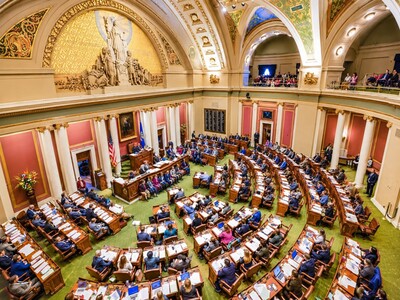
Rather than treating unpaid accounts as permanently lost revenue, the City Council can certify the balances to Hennepin County for collection through property-tax bills.
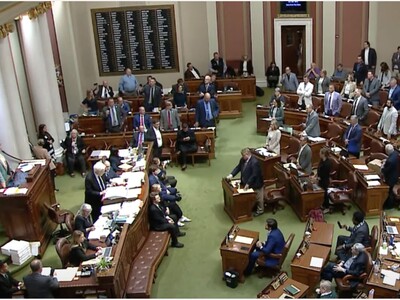
FOX 9 reported that the council voted November 12 to send delinquent charges to the county for assessment.
City officials have said that approximately 98 percent of such assessed bills are eventually paid.
That collection rate is significant, but it does not eliminate the financial consequences of delayed payment.
When customers fail to pay throughout the year, the city must continue operating water, sewer and sanitation services while waiting for revenue to arrive through a later collection process.
The delay also requires staff time for notices, account management and collection procedures.
Minneapolis Deputy Chief Finance Officer Jayne Discenza told the Star Tribune that the city has continued paying its vendors on time despite the overdue balances.
The utility debt is separate from the city's general-fund budget shortfall. Recovering the outstanding charges would therefore not automatically resolve the city's broader budget problems.
Large landlord balances raise additional concerns
Among the accounts drawing attention are properties associated with Fine Associates.
FOX 9 reported that the company had accumulated more than $1 million in unpaid utility charges across five properties.
Two downtown apartment buildings were identified as owing approximately $500,000 and $363,000, respectively.
The amounts have prompted questions from tenants who say they have continued paying rent while experiencing unresolved building maintenance problems.
Residents of 110 Grant West and Marquette Place have organized and pursued legal action over conditions they describe as unsafe or inadequately maintained.
Their allegations are separate from the city's utility collection process and should not be treated as established court findings.
The connection between the two issues nevertheless raises a question for renters: what happens when a landlord collects rent that includes housing-related operating expenses but fails to pay municipal utility charges?
FOX 9 reported that Fine Associates did not respond to its requests for comment.
MinneapoliMedia has not independently obtained a response from the company.
City leaders examine the incentives
Council Member Linea Palmisano has raised concerns about the increase in delinquency and the limited financial consequences for owners who postpone payment.
Minneapolis currently imposes a one-time 5 percent late fee, according to the Star Tribune.
City finance officials are considering whether additional administrative fees should be authorized.
That discussion presents a policy dilemma.
Stronger penalties might discourage property owners from delaying payment, but additional charges could also affect households already struggling with rising living costs.
A collection system must distinguish between customers experiencing genuine financial hardship and property owners who may be using delayed payment as a routine financial practice.
The available figures do not establish how much of the $12 million belongs to either category.
Implications for tenants and taxpayers
For tenants, utility debt can create uncertainty even when payments are included in rent.
For property owners, unpaid charges can eventually become obligations collected through property taxes.
For the city, widespread delinquency creates administrative costs and delays the receipt of money needed to operate essential services.
The central question is not simply whether Minneapolis can eventually recover most of the debt.
It is whether the existing system provides adequate incentives for timely payment while protecting residents who cannot afford immediate payment.
With nearly one in five accounts delinquent, the issue has grown beyond a collection problem affecting a small number of properties.
It is now a municipal finance and accountability question that will require continued attention from City Hall.

STAY CONNECTED TO MINNEAPOLIMEDIA
Local stories matter. Subscribe free to MinneapoliMedia and receive independent news, community reporting and important updates from Minneapolis, the North Metro and communities across Minnesota.
SUBSCRIBE FREE: https://minneapolimedia.town.news/subscribe
MinneapoliMedia | Community. Culture. Civic Life