67° and Cloudy
Image



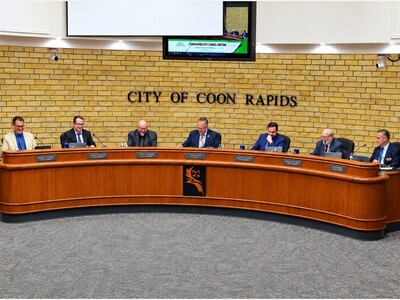
Officials described the changes during a packed City Council meeting Monday, where residents questioned how information collected by Fridley’s Flock Safety cameras had been accessed and used.
Patrick Faber, Fridley’s deputy director of public safety, said the network had previously been open to law-enforcement agencies outside Minnesota and had been searched heavily.
“Some of that access was used for immigration-related searches, a purpose the program was never meant to serve,” Faber said, according to FOX 9 and CBS Minnesota.
The data presented by the department showed that agencies searched the Fridley camera network 494,812 times in January. After the city limited access, the number dropped to 22,480 in February.
Immigration-related searches declined from 107 in January to zero in February, according to information presented at the meeting.
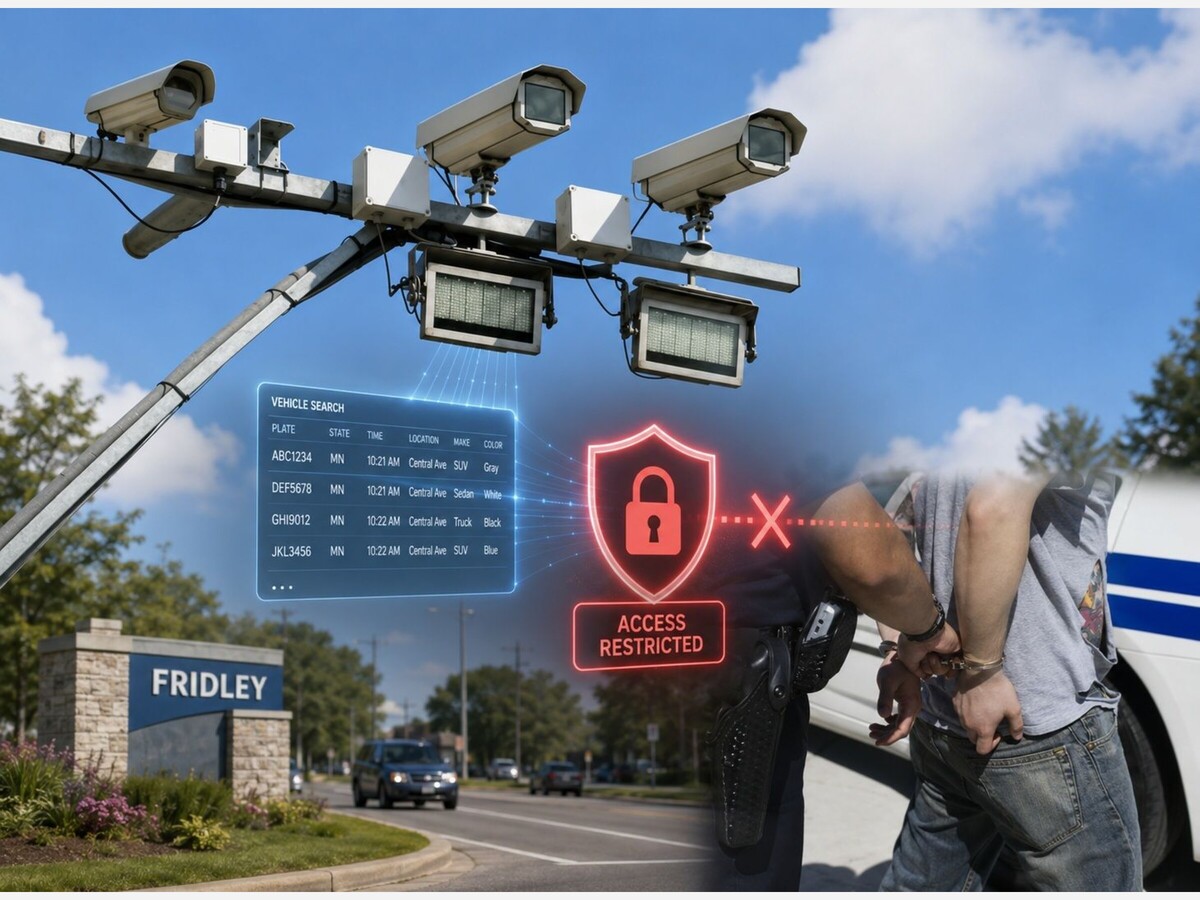
Fridley says it blocked immigration-related queries on January 27. On February 3, the city restricted immediate access to Minnesota law-enforcement agencies. Officials said agencies participating in federal 287(g) immigration-enforcement agreements would no longer be allowed direct access as of July.
A 287(g) agreement permits participating state or local law-enforcement officers to perform certain immigration-enforcement functions under federal supervision.
Flock Safety told CBS Minnesota that it does not have a contract with U.S. Immigration and Customs Enforcement. The company said individual law-enforcement agencies decide whether to share access to their camera networks with other agencies.
Fridley began using automated license-plate readers in 2009 and switched to Flock Safety technology in October 2023.
The cameras capture still images of the rear of passing vehicles and record license-plate numbers. Those numbers can be checked against law-enforcement lists associated with stolen vehicles, missing people, active warrants and other public-safety investigations.
According to the city, the cameras do not use facial-recognition technology and do not have direct access to criminal-justice databases. Officers must manually verify an alert before taking enforcement action.
The city says all searches are logged and require written justification. Images are automatically deleted after 60 days, and officers need a judge-signed warrant to track the historical movements of a vehicle.
Police say the technology has assisted investigations involving stolen vehicles, homicides, armed robberies, missing people, child-abduction alerts and hit-and-run crashes.
Residents nevertheless questioned whether those public-safety benefits outweigh the risks created when data can be searched by agencies outside the community that collected it.
The controversy intensified during Operation Metro Surge, when residents and civil-liberties advocates raised concerns that locally collected license-plate information could be used to locate people for immigration enforcement.
The disclosure is particularly significant in Anoka County because other communities are also evaluating the balance between crime-fighting technology, privacy and local control. Columbia Heights ended its Flock Safety contract after similar concerns emerged.
Fridley has published its license-plate reader policies, query records, safeguards and camera information online. That disclosure gives residents an opportunity to examine not only how the system is intended to operate, but how frequently its information has actually been searched.
Sources: City of Fridley; CBS Minnesota; FOX 9



Overcast, with a high of 86 and low of 67 degrees. Moderate rain for the morning, overcast in the afternoon,