Image



ST. PAUL, MN (July 9, 2026) For thousands of Minnesota families living one paycheck, one medical emergency, or one unexpected financial setback away from losing their homes, the difference between housing stability and homelessness can be measured in a matter of weeks.
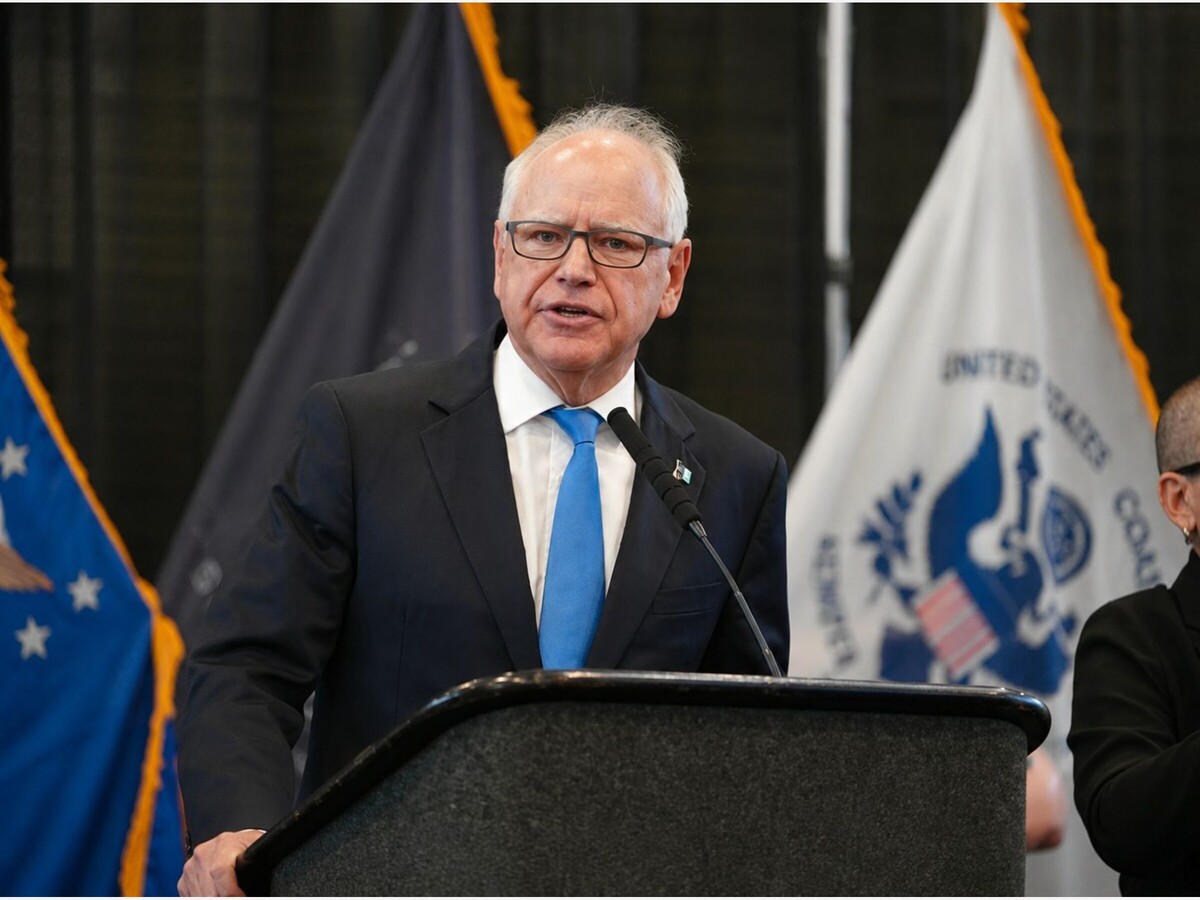
Seeking to prevent those crises before they escalate into evictions or homelessness, Governor Tim Walz announced Thursday that Minnesota Housing will distribute a $40 million emergency investment to help an estimated 11,000 households remain safely housed across the state.
The funding, approved by the Minnesota Legislature during the 2026 legislative session, will flow through the state's Family Homeless Prevention and Assistance Program (FHPAP), one of Minnesota's longest-standing homelessness prevention initiatives. Rather than waiting until families become homeless, the program provides emergency financial assistance and supportive services designed to stabilize households before they lose their housing.
The investment represents one of the state's largest recent commitments to homelessness prevention and comes as Minnesota communities continue to grapple with rising housing costs, elevated eviction rates, and growing demand for emergency rental assistance.
"Minnesotans are working hard, but too many families are feeling squeezed by the rising cost of everyday life," Walz said in announcing the investment. "One unexpected setback shouldn't mean losing your home."
Unlike emergency shelter programs that primarily respond after people have become homeless, the Family Homeless Prevention and Assistance Program is built around a different philosophy: preventing housing loss whenever possible.
Established under Minnesota law, FHPAP provides grants to regional organizations that work directly with households experiencing homelessness or those facing an imminent risk of eviction or displacement. Eligible assistance may include emergency rent or mortgage payments, utility assistance, security deposits, temporary housing support, housing navigation, landlord mediation, case management, and other stabilization services tailored to each family's circumstances.
The program serves families with children, individuals, youth, and other households experiencing housing instability, with local administrators prioritizing assistance based on documented need and available resources. State law authorizes the program to serve households with incomes generally at or below 200 percent of the federal poverty guidelines, while allowing regional providers flexibility to address local housing conditions.
Housing experts have long argued that relatively modest financial interventions can prevent far more costly outcomes, including emergency shelter stays, prolonged homelessness, disruptions to children's education, increased health care utilization, and greater demands on county social service systems.
Rather than creating a new statewide bureaucracy, Minnesota Housing will distribute the funding through 24 regional Family Homeless Prevention and Assistance Program administrators, including community action agencies, county organizations, tribal governments, and nonprofit housing providers that already operate within their communities.
Because those organizations have established relationships with landlords, social service agencies, schools, legal aid providers, and local governments, officials say assistance can often reach families more quickly than through newly created programs.
Minnesota Housing expects grant contract amendments with participating organizations to be finalized during the summer, allowing the additional funding to begin reaching communities later this year.
Several participating agencies have indicated that demand for assistance has remained exceptionally high and that the new funding will help reduce waiting lists for households already seeking emergency housing assistance.
The new investment comes against a backdrop of persistent housing instability across Minnesota.
According to Minnesota Judicial Branch data, more than 25,000 eviction cases were filed statewide in 2025, the highest annual total since pandemic-era eviction protections expired. Court records also showed thousands of additional eviction filings during the opening months of 2026, underscoring continued pressure on renters confronting higher housing costs and inflation.
Housing providers across Minnesota have likewise reported sustained increases in requests for emergency rental assistance, utility assistance, and housing stabilization services as many working families continue to face rising costs for housing, food, transportation, child care, and health care.
Community organizations have also cited localized economic disruptions that temporarily affected employment and household incomes in some communities, further increasing demand for emergency housing assistance.
State officials say the additional funding is intended to intervene before those financial challenges become housing crises.
Through local administrators, FHPAP funding can be used for a range of emergency interventions intended to stabilize households quickly.
Eligible assistance includes short-term rent payments to prevent eviction, mortgage assistance in qualifying circumstances, overdue utility payments to prevent service disconnections, security deposits for families transitioning into stable housing, temporary housing assistance, housing search support, landlord mediation, case management, and referrals to employment, financial counseling, and other supportive services.
Rather than requiring households to become homeless before qualifying for assistance, the program allows local providers to intervene earlier, often by making payments directly to landlords, utility companies, or other service providers to resolve immediate housing threats.
The homelessness prevention funding forms part of a broader package of housing investments approved by lawmakers this year.
Alongside the $40 million appropriation for FHPAP, the Legislature authorized $100 million in Housing Infrastructure Bonds to support the development and preservation of affordable rental housing, permanent supportive housing, and other housing initiatives intended to expand Minnesota's long-term housing supply.
State officials have described the combined investments as complementary strategies: increasing affordable housing over the long term while helping families remain housed in the immediate future.
Minnesota Housing expects grant agreements with regional administrators to be completed this summer, with the additional funding scheduled to begin reaching communities before the end of 2026.
For many households, the assistance may amount to a single rent payment, a utility bill, or a security deposit. Yet housing researchers have consistently found that timely interventions of that scale can prevent far more disruptive and costly outcomes for families and communities alike.
As eviction pressures continue to challenge households across Minnesota, state leaders say the investment is intended to reinforce a simple principle: preventing homelessness is not only less expensive than responding to it, but it also helps preserve family stability, educational continuity, employment, and community well-being before a crisis takes hold.
MinneapoliMedia | Community. Culture. Civic Life.



Sunny, with a high of 85 and low of 49 degrees. Sunny for the morning, overcast for the afternoon and evening, clear overnight.