59° and Mist
Image



COON RAPIDS, Minn. (July 9, 2026)
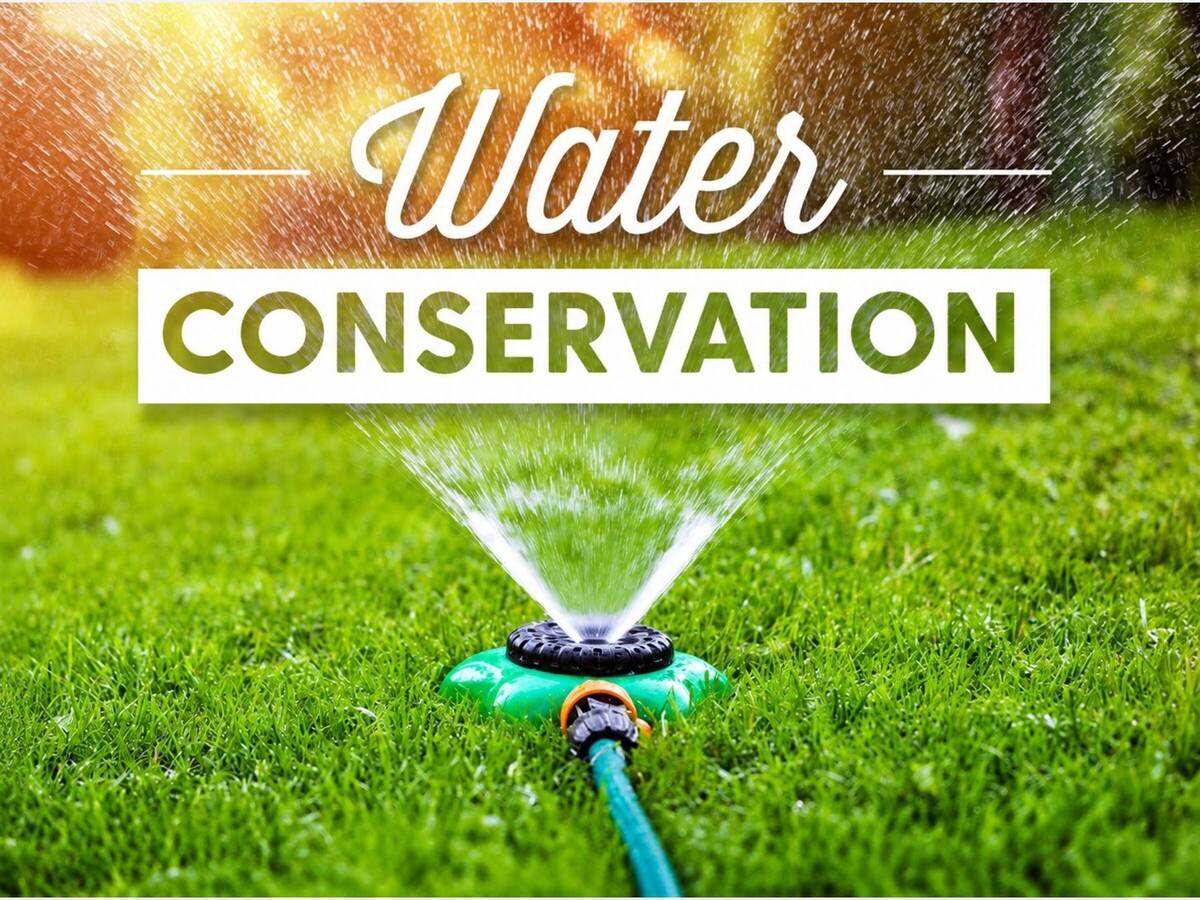
Residents and businesses in Coon Rapids are being asked to further reduce their water use this summer as city officials respond to continuing drought pressures that have strained groundwater resources across much of Minnesota.
The City of Coon Rapids this week announced additional water conservation guidelines designed to reduce peak demand on the municipal water system while ensuring sufficient water remains available for homes, businesses, and emergency fire protection. The measures supplement the city's long-standing seasonal watering restrictions and come after the Minnesota Department of Natural Resources urged public water suppliers to strengthen conservation efforts in response to persistent dry conditions affecting much of the state.
Dry Conditions Extend Beyond Recent Rainfall
Although recent rainfall has brought temporary relief to portions of the Twin Cities metropolitan area, city officials say the precipitation has not erased the cumulative effects of several consecutive years of dry summers coupled with below-average winter snowfall. Those long-term conditions have reduced groundwater recharge and increased pressure on municipal water systems that rely heavily on underground aquifers to meet daily demand.
Unlike many communities that draw drinking water from rivers or lakes, Coon Rapids depends on groundwater wells. During the summer, outdoor irrigation can cause water demand to spike dramatically, particularly during morning and evening hours when thousands of sprinkler systems operate simultaneously. High demand during those peak periods can temporarily reduce available water pressure throughout the distribution system, creating operational challenges and potentially affecting the city's ability to maintain adequate reserves for firefighting and other essential services.
New Conservation Measures Focus on Peak Water Demand
To reduce those risks, city officials are asking customers served by the municipal water system to follow three primary conservation measures.
First, lawn sprinkling and irrigation should occur only between 4:00 a.m. and 9:00 a.m. Watering during the middle of the day is discouraged because higher temperatures and stronger sunlight cause significantly greater evaporation, meaning a larger portion of the water never reaches plant roots. Restricting irrigation to the early morning hours also helps distribute demand more evenly across the municipal system.
Second, residents must continue observing the city's annual odd-even watering schedule. Properties with odd-numbered addresses may water only on odd-numbered calendar days, while even-numbered addresses may water only on even-numbered days. Townhome associations whose developments include both odd and even addresses may choose either schedule but must remain consistent throughout the watering season.
Third, the city is asking residents and businesses to voluntarily reduce non-essential outdoor water use. Officials specifically encourage limiting the washing of vehicles, heavy equipment, buildings, sidewalks, driveways, parking lots, and other paved surfaces, while also reducing or suspending the operation of ornamental fountains whenever possible.
While many residents may view the additional guidance as a new policy, the seasonal watering schedule itself has been part of Coon Rapids' water management strategy for years. Every summer, from June 1 through August 31, the city implements its odd-even sprinkling restrictions to moderate water demand and maintain stable system pressure during periods of highest consumption. The city's 2040 Comprehensive Plan identifies water conservation as one of the municipality's long-term priorities, recognizing the need to protect groundwater resources, maintain adequate fire protection, rehabilitate aging water infrastructure, and ensure reliable service for future growth.
The city's authority to impose additional restrictions during periods of drought is established under Coon Rapids City Code Section 13-222, which authorizes limitations on irrigation, lawn sprinkling, vehicle washing, building washing, outdoor surface cleaning, ornamental fountains, and other non-essential water uses when conditions warrant. The ordinance provides municipal officials with a range of conservation tools that can be implemented individually or in combination depending on the severity of water supply conditions.
Exceptions for New Landscaping
City officials have not prohibited outdoor watering altogether. Instead, the enhanced conservation measures are intended to spread demand more evenly throughout the day while reducing unnecessary consumption that can place additional stress on the municipal system during periods of elevated demand. According to the city's public notice, limiting irrigation to the designated morning hours and following the address-based watering schedule will help prevent water supplies from dropping to critically low levels during peak usage periods.
Exceptions remain available for recently established landscaping. New sod, grass seed, and newly planted shrubs installed within the previous 30 days are exempt from the standard odd-even watering schedule to allow adequate establishment. City officials also recommend that homeowners inspect and activate rain sensors on automated sprinkler systems to prevent unnecessary irrigation after rainfall.
Part of a Broader Statewide Conservation Effort
The conservation measures reflect a broader statewide effort to encourage responsible water use during prolonged dry conditions. The Minnesota Department of Natural Resources has continued to monitor groundwater levels, streamflow, precipitation, and drought impacts across the state while encouraging communities to reduce unnecessary water consumption before more severe shortages develop. State drought planning emphasizes voluntary conservation and demand management as the first line of defense against declining water supplies, particularly in communities dependent on groundwater resources.
Water conservation experts note that reducing peak demand often has a greater impact than simply lowering total daily consumption. Municipal water systems must be capable of meeting the highest hourly demand each day, not merely average usage. By spreading irrigation over different days and limiting watering to designated hours, communities can significantly reduce stress on wells, pumping equipment, storage towers, and distribution infrastructure while maintaining reliable service for essential public needs.
Small Changes Can Have a Significant Community Impact
For most households, complying with the updated guidance requires only modest adjustments to established routines. Scheduling irrigation before 9:00 a.m., adhering to the odd-even calendar, postponing non-essential washing projects, and ensuring sprinkler systems do not run during or immediately after rainfall can collectively reduce demand across the city's water system.
As summer temperatures continue and outdoor water use increases, city officials say those small individual actions become increasingly important when multiplied across tens of thousands of residents. The goal, they emphasize, is not only to preserve groundwater resources but also to maintain reliable water service for everyday living while ensuring firefighters have immediate access to the water supplies they may need during emergencies.
Additional information regarding watering restrictions, exemptions, and conservation guidance is available through the City of Coon Rapids' Watering Restrictions webpage and municipal communications.
MinneapoliMedia | Community. Culture. Civic Life.


Patchy rain nearby, with a high of 59 and low of 53 degrees. Patchy rain nearby during the morning, overcast in the afternoon, patchy rain nearby overnight.