66° and Partly cloudy
Image
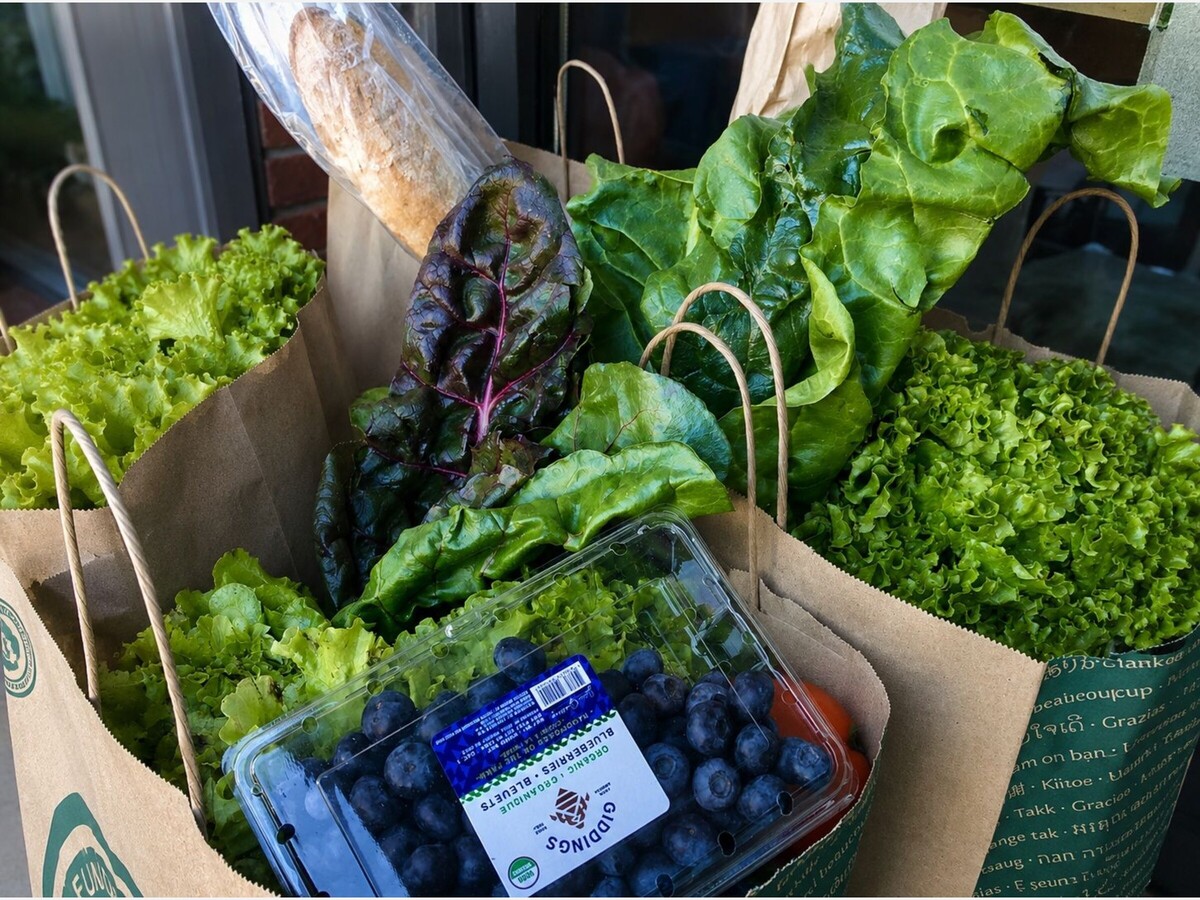



The distribution, scheduled from 2:30 p.m. to 3:30 p.m. or until supplies are exhausted, will take place at Saint Mary's University of Minnesota, located at 2540 Park Avenue South. Organizers said attendees are encouraged to bring reusable shopping bags, boxes, carts, or other sturdy carriers to transport groceries and additional produce typically made available during the event.
For nearly three decades, Sisters’ Camelot has operated quietly but persistently inside Minnesota’s growing conversations surrounding hunger, food access, sustainability, and waste reduction. Founded in 1997, the Minneapolis-based nonprofit collective describes itself as a volunteer-run food justice organization focused on recovering edible organic food before it enters the waste stream and redistributing it directly into communities facing food insecurity.
According to information published by the organization, Sisters’ Camelot rescues between 6,000 and 8,000 pounds of organic groceries and produce each week from distributors and suppliers that would otherwise discard unsold food despite it remaining safe for consumption. The recovered food is redistributed through neighborhood food shares, mobile deliveries, community kitchens, and direct outreach programs serving residents across Minneapolis and surrounding communities.
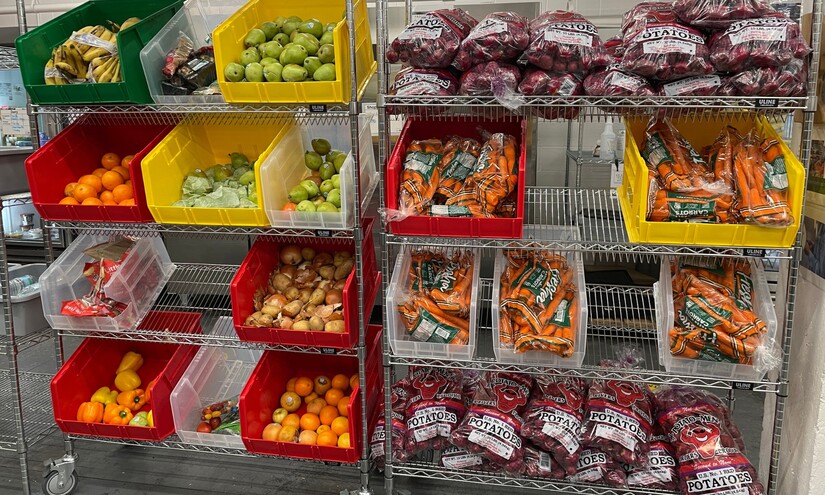
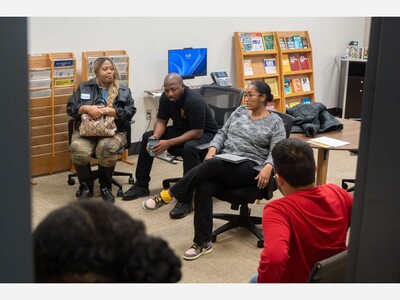
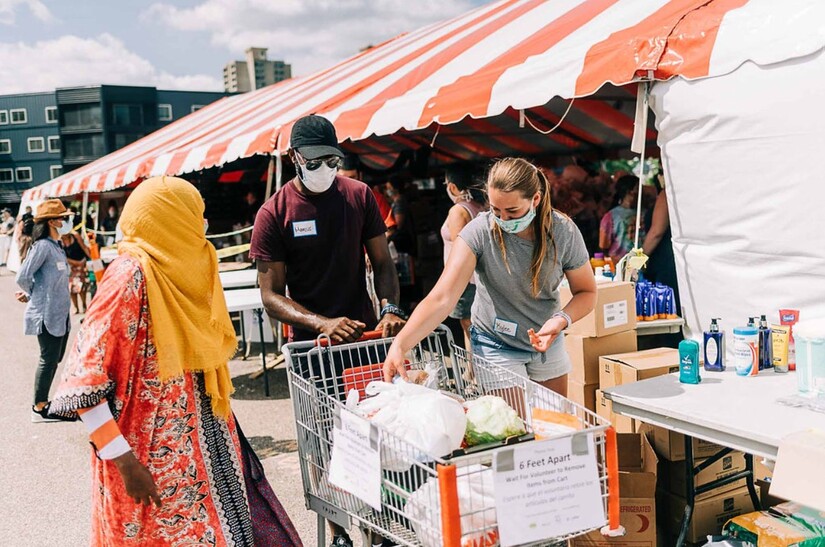
The Tuesday distribution at Saint Mary’s University reflects an ongoing institutional partnership between the university and the nonprofit collective. Faculty, students, staff members, and neighborhood volunteers regularly assist with sorting, packing, and distributing groceries during recurring food share events hosted on the university’s Twin Cities campus.
The partnership has become part of a broader network of localized mutual-aid and food-access efforts that expanded significantly across Minnesota following the COVID-19 pandemic, rising grocery costs, inflationary pressures, and continued concerns surrounding food insecurity among working families, elders, unhoused residents, and immigrant communities.
Unlike traditional food shelf operations that rely primarily on fixed locations, Sisters’ Camelot operates through a mobile distribution model intentionally designed to reach neighborhoods with limited access to fresh produce and healthy groceries. The organization rotates food share locations throughout the week, particularly on Tuesdays and Thursdays, in an effort to reach communities often described by public health researchers as food deserts.
From spring through fall, the collective also deploys what it calls the “Kitchen Bus,” a converted vintage bus transformed into a licensed mobile commercial kitchen capable of preparing and serving free hot meals during community events and outreach efforts. The program combines meal distribution with broader goals centered on community building and public engagement.
The organization’s operational philosophy connects food insecurity and environmental sustainability as part of the same structural issue. In addition to recovering edible food, Sisters’ Camelot states that unusable produce is redirected to local gardens and composting operations, while pallets and cardboard materials used during transport are recycled rather than discarded.
The nonprofit also coordinates direct grocery deliveries for vulnerable residents, including low-income seniors and immunocompromised individuals unable to travel to public distributions. Volunteers additionally provide bulk food support to food shelves, encampment outreach programs, and nonprofit kitchens serving unhoused populations throughout the Twin Cities region.
Tuesday’s distribution comes as food assistance organizations across Minnesota continue reporting elevated demand levels amid persistently high household costs, including housing, utilities, transportation, and groceries. According to data from hunger-relief organizations operating statewide, many food shelves and mutual-aid groups have experienced sustained increases in first-time visitors over the past several years.
Organizers for Tuesday’s event said masks remain welcome for attendees who choose to wear them and requested that individuals experiencing symptoms of viral illness remain home.
Additional information regarding Sisters’ Camelot’s programs, volunteer opportunities, and distribution schedule is available through the organization’s official website.
MinneapoliMedia | Community. Culture. Civic Life.



Sunny, with a high of 87 and low of 64 degrees. Sunny during the morning, patchy rain nearby overnight.