66° and Partly cloudy
Image
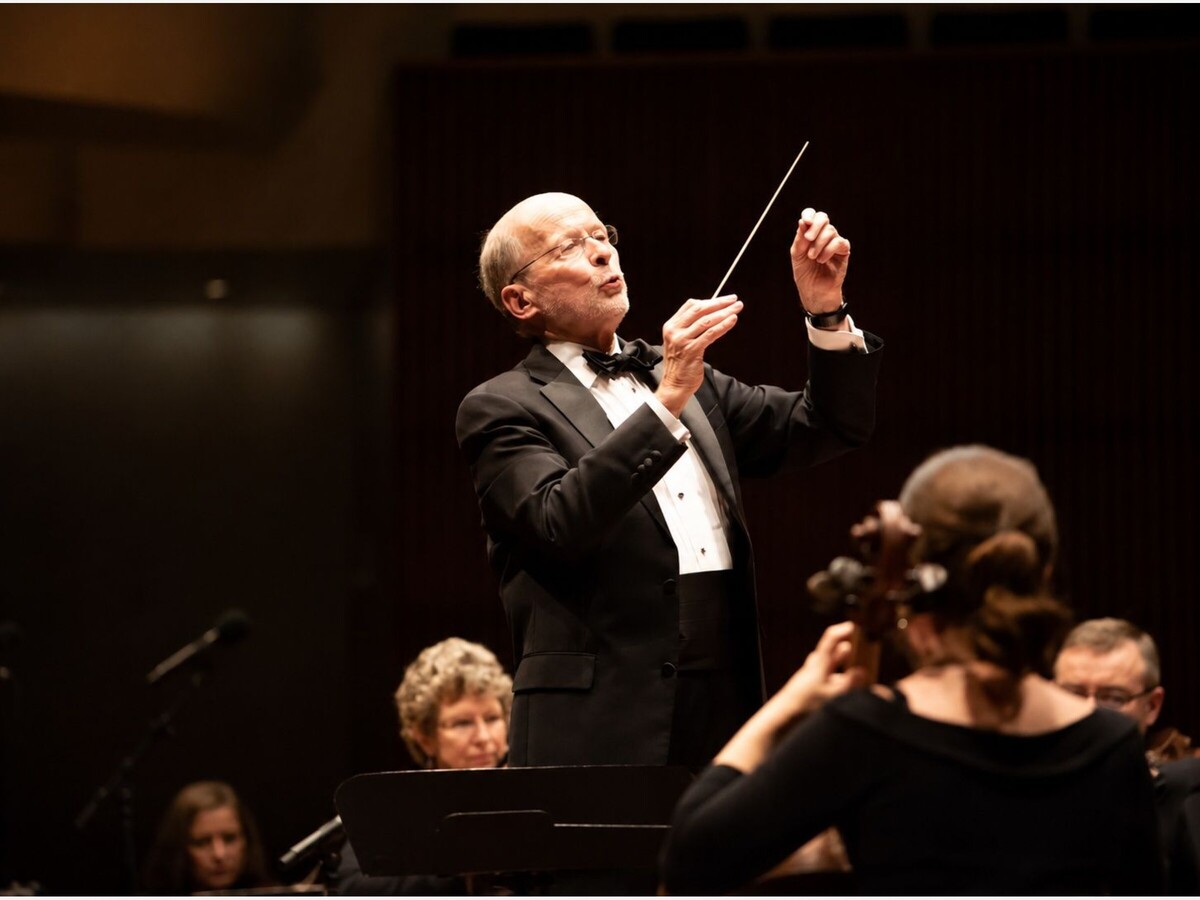



For more than half a century, Brunelle has occupied a singular position within American choral music. He is internationally respected as a conductor, educator, artistic director, commissioner of new music, interpreter of sacred and classical traditions, and founder of VocalEssence, the nationally recognized Minnesota choral organization he launched in 1969. Yet to understand Brunelle solely through titles or accolades is to miss the deeper significance of what he has spent his life constructing. What Brunelle built in Minnesota was not simply an arts organization; he helped build a comprehensive cultural ecosystem.
Across decades of artistic leadership, Brunelle transformed Minnesota into one of the most influential centers for choral music in the United States while simultaneously redefining what community-centered classical music leadership could look like. Through commissions, educational initiatives, collaborations across racial and cultural communities, international partnerships, youth engagement, and relentless artistic experimentation, he created a model rooted not in exclusivity, but in invitation. That philosophy has shaped generations of singers, composers, educators, students, conductors, and audiences both inside Minnesota and far beyond its borders.

Today, long after many arts leaders would have stepped away from the podium, Brunelle continues to move with the restless curiosity that has defined nearly every chapter of his life. During a recent long-form interview with MinneapoliMedia for the Builders of Minnesota series, Brunelle spoke with the same energetic immediacy that has characterized his public life for decades: curious, optimistic, disciplined, humorous, deeply informed, and still remarkably future-oriented. Even now, after decades of international recognition, hundreds of commissioned works, global collaborations, and honors from multiple countries, Brunelle speaks less like a retired institution and more like a man still discovering music in real time.
"If there was a word to describe me," he said during the interview, "it would be curious." That curiosity became the engine behind one of the most consequential artistic careers in Minnesota history.
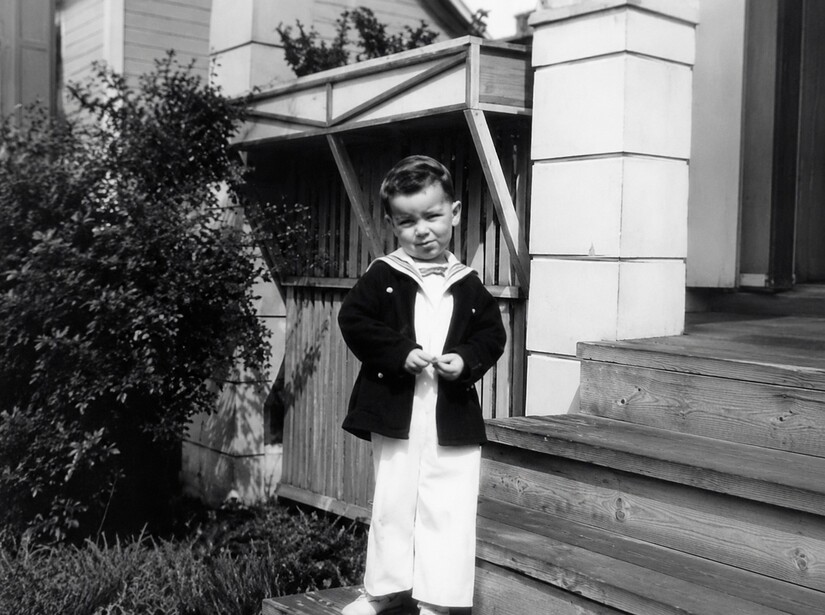
Although Brunelle was born in Faribault, his upbringing primarily took place in Austin before his family later moved to Minneapolis. Music entered his life almost immediately. He began piano lessons at the age of four, sang as a boy soprano, and immersed himself in the music that filled the churches, conventions, and family spaces shaping his childhood. His mother accompanied him on piano while his father served as a minister.
Unlike many artists who describe a gradual discovery or uncertainty about their vocation, Brunelle speaks about music as something that was always present, always central, and never truly questioned. "I just knew it was going to be music," he said.
That certainty survived profound personal hardship. When Brunelle was 13 years old, his father died unexpectedly, leaving his mother to raise five children with limited financial resources. The moment could easily have destabilized the trajectory of a young musician. Instead, it became one of the defining emotional foundations of Brunelle’s worldview. He still remembers his mother gathering the children together after their loss and calmly telling them: "Well, I don’t know how this is going to work. This will be an adventure and God will provide."
What followed was not self-pity, Brunelle explained, but adaptation. "There was never, 'Oh poor us. Oh life is terrible. Give up.' No, no, no."
The experience profoundly shaped his understanding of independence, resilience, preparation, and optimism. It also introduced him to a form of generosity he would spend the rest of his life attempting to pay forward. After his father’s death, Brunelle’s longtime piano teacher privately contacted his mother and informed her that he would continue teaching Philip for free because the boy’s musical development could not be interrupted. Brunelle’s mother did not reveal this sacrifice to him until years later, after he graduated from high school.
The lesson remained with him permanently. Throughout his career, Brunelle repeatedly emphasized the importance of identifying young talent early and actively supporting it. "You must find in your life some special people that you need to encourage," he said. That belief became one of the philosophical anchors underneath his work with singers, composers, and young artists across generations.
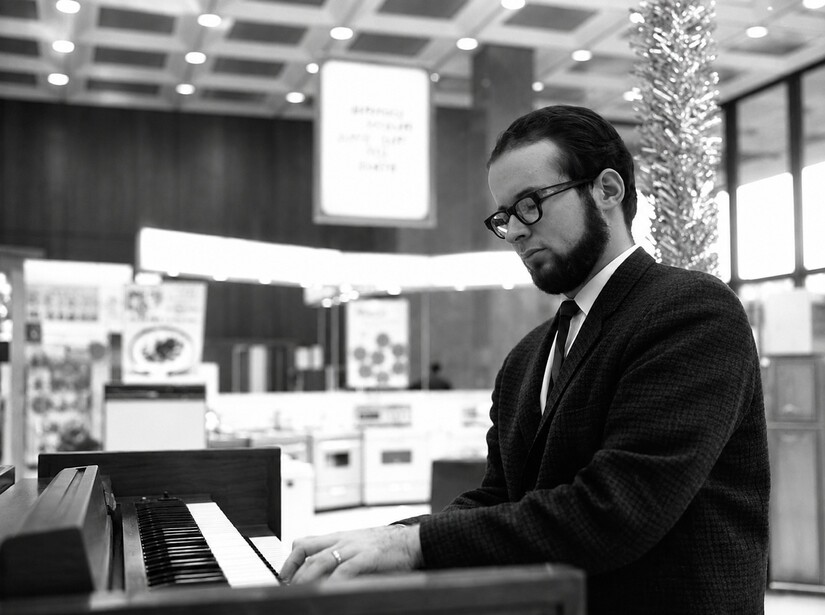
By the time Brunelle entered the University of Minnesota, music already occupied nearly every aspect of his daily life. He was accompanying performers on piano, serving as a church organist, and immersing himself in multiple musical disciplines simultaneously.
Then came an extraordinary opportunity. At just 19 years old, Brunelle auditioned for a percussion opening with the Minnesota Orchestra and won the position. Most musicians entering a major professional orchestra at that age would likely describe intimidation or fear, but Brunelle remembers excitement. "I knew I could do it," he said plainly. "I would never have auditioned if I didn’t think I could do it."
The position exposed him to some of the most influential musicians and conductors in the world. During those years, Brunelle encountered legendary figures including Igor Stravinsky and numerous internationally renowned soloists and conductors passing through Minnesota. The experience reinforced something Brunelle already suspected: Minnesota possessed the artistic infrastructure necessary to support serious musical excellence. That realization would become central to nearly every major decision he made afterward.
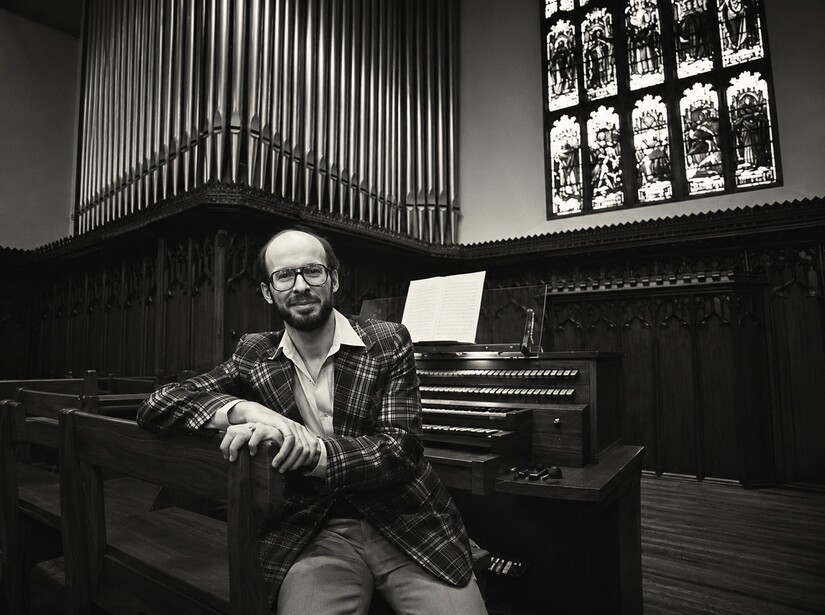
In 1969, Brunelle entered one of the most pivotal periods of his life. Within the same stretch of time, he assumed leadership at Minnesota Opera, became choir master at Plymouth Congregational Church, and founded what would become VocalEssence. The convergence was remarkable not only because of the workload involved, but because Brunelle was simultaneously building institutional structures while still defining his own artistic identity.
At the time, Minnesota already possessed strong school and church choir traditions, but Brunelle identified a major gap in the broader choral landscape. "There were about ten pieces of choral music that were very performed," he recalled. "Handel’s Messiah, Mendelssohn Elijah, Brahms Requiem. Beautiful pieces. But there were about ten and that’s all you heard."
Brunelle made a radical decision. VocalEssence would not build itself around the predictable choral canon dominating concert programming across the country. Those pieces would survive regardless, he reasoned. Instead, he would focus on the enormous world of underperformed and newly created music that audiences rarely had access to hear. "That’s my job," he said. The decision fundamentally altered Minnesota’s artistic trajectory.
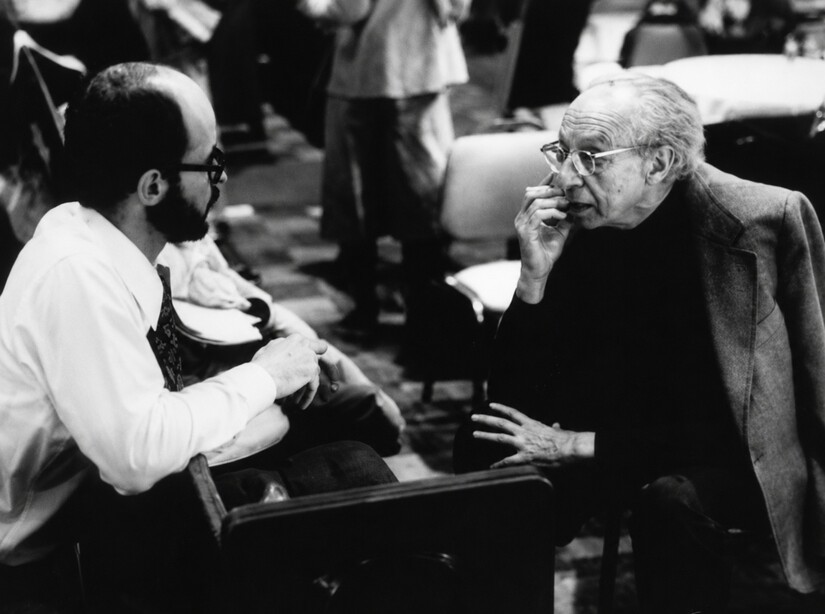
One of Brunelle’s earliest instincts as founder of VocalEssence was that if the organization hoped to survive, it needed immediate visibility and artistic credibility. So he did something that many young arts founders would have considered impossible: he telephoned Aaron Copland directly.
Brunelle invited the legendary composer to Minnesota to conduct his own choral works. Copland reportedly responded by saying that no one had ever asked him to do that before. "He said, 'Young man, no one ever asked me to do that. I would love to come.'"
The event succeeded spectacularly. Audiences packed the venue to witness one of America’s greatest composers appearing in Minnesota under the direction of a young arts organization many had barely heard of months earlier. For Brunelle, the experience confirmed his instincts. "I realized then I could make this work," he said.
The moment established a pattern that would define his entire career: identify extraordinary artists, create unique opportunities unavailable elsewhere, and invite the community directly into the experience. Over time, that approach would bring internationally renowned artists, composers, actors, and conductors into collaboration with VocalEssence and Minnesota audiences. At one point, Brunelle even persuaded James Earl Jones to participate in a commissioned work created specifically for him.
Brunelle’s confidence in approaching major figures often came from an unusual mixture of preparation and optimism. "Of course they’re going to say yes," he recalled thinking about invited collaborators. "What other choice do they have?" The line was humorous, but underneath it sat something deeper: a refusal to self-limit before opportunity even arrived.
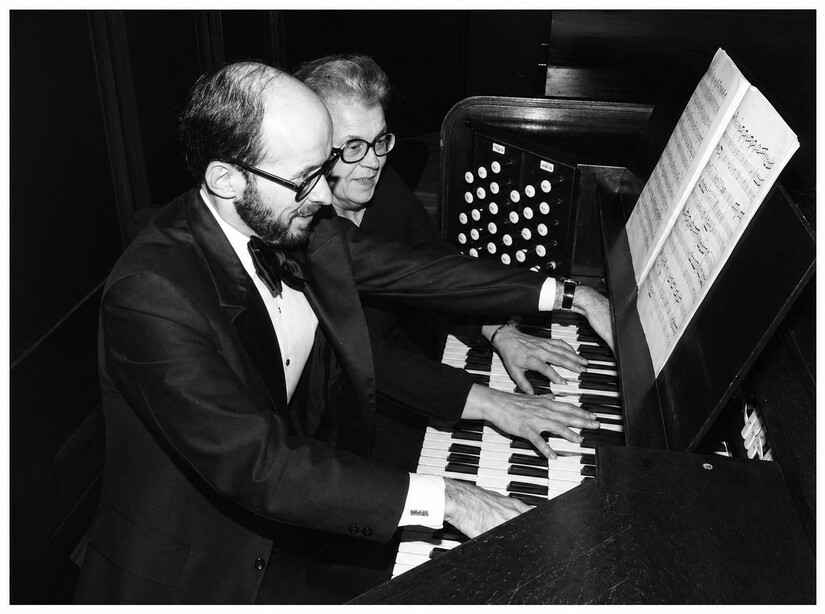
Perhaps no aspect of Brunelle’s legacy has had greater long-term impact than his commitment to commissioning and supporting living composers. Over the decades, VocalEssence has commissioned more than 300 works. For Brunelle, commissioning was never merely about adding repertoire; it was about ensuring that choral music remained a living art form rather than an exercise in historical preservation.
"There are so many talented composers," he explained. "I wanted to give these composers a chance to be heard."
At the beginning, Brunelle admitted he knew little about the commissioning process. He learned by directly asking composers and agents how the system worked. That willingness to learn publicly and experimentally became another defining characteristic of his leadership style. He never pretended to possess complete mastery before beginning something new. Instead, he trusted preparation, instinct, and persistence.
Not every commissioned piece succeeded. Brunelle openly acknowledged that some works never found enduring life beyond their premiere performances, but he never allowed the possibility of artistic failure to stop experimentation. "You won’t know if you don’t try," he said repeatedly throughout the interview. That philosophy allowed VocalEssence to become one of the country’s most important incubators for contemporary choral music.
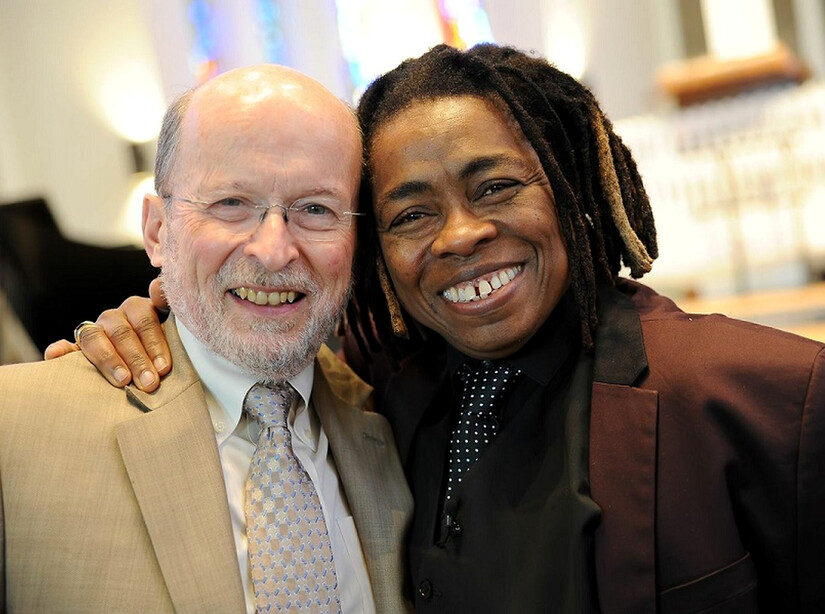
Long before many mainstream arts institutions began serious conversations about representation, Brunelle intentionally sought out composers and musical traditions historically marginalized within classical programming. One of the clearest examples emerged through VocalEssence’s long-running Witness program, which focused extensively on music by African American composers and traditions.
"At that time," Brunelle explained, "no one was championing music of Black composers."
Rather than waiting for institutional consensus, he decided to act independently. Brunelle contacted trusted colleagues, researched composers, requested scores, and actively sought emerging talent. Eventually, these efforts connected him to figures like Moses Hogan, whose spiritual arrangements would later become internationally celebrated.
For Brunelle, the issue was never symbolic inclusion; it was artistic truth. He believed talent existed across every community and culture. The responsibility of arts leadership, in his view, involved discovering that talent and giving it serious institutional support. "I knew that every society had talent," he said. That mindset helped position VocalEssence as a space where choral traditions could expand beyond narrow historical boundaries while remaining artistically rigorous.
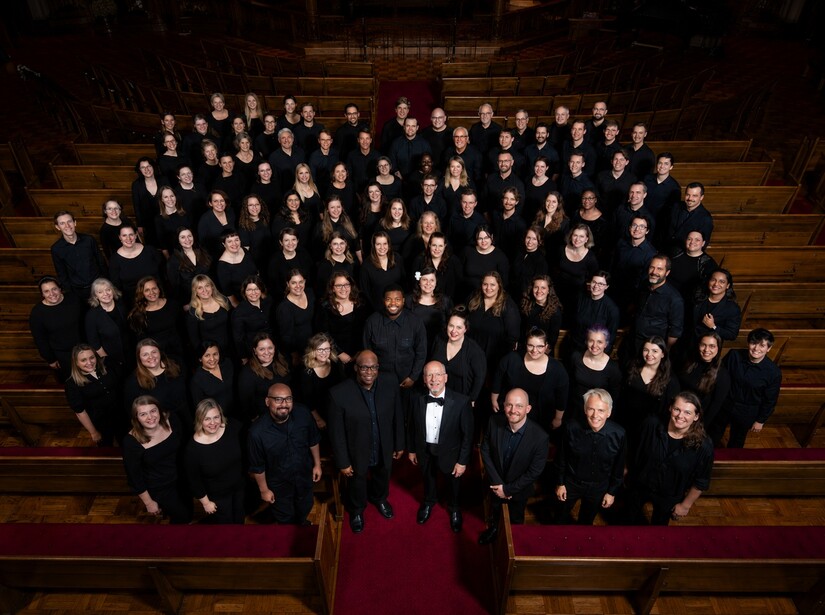
When the COVID-19 pandemic disrupted public life and closed performance spaces across the world, many arts organizations struggled to maintain meaningful connection with audiences. Brunelle responded with another experiment. He created a digital series called "Musical Moments," during which he sat at the piano and spent roughly ten minutes discussing individual composers and their music.
The episodes blended performance, education, storytelling, and historical reflection. Brunelle discussed both legendary figures and living artists he had personally known throughout his career. Eventually, he produced approximately 350 installments.
The project reflected something consistent throughout Brunelle’s life: an instinctive understanding that music functions not only as entertainment, but as emotional sustenance. "I knew there were many people who were now stuck at home," he explained.
The goal was not simply distraction; it was human connection. During the interview, Brunelle repeatedly returned to the idea that people remain spiritually hungry for meaning, beauty, learning, and emotional restoration. Music, for him, serves as one pathway toward that restoration.
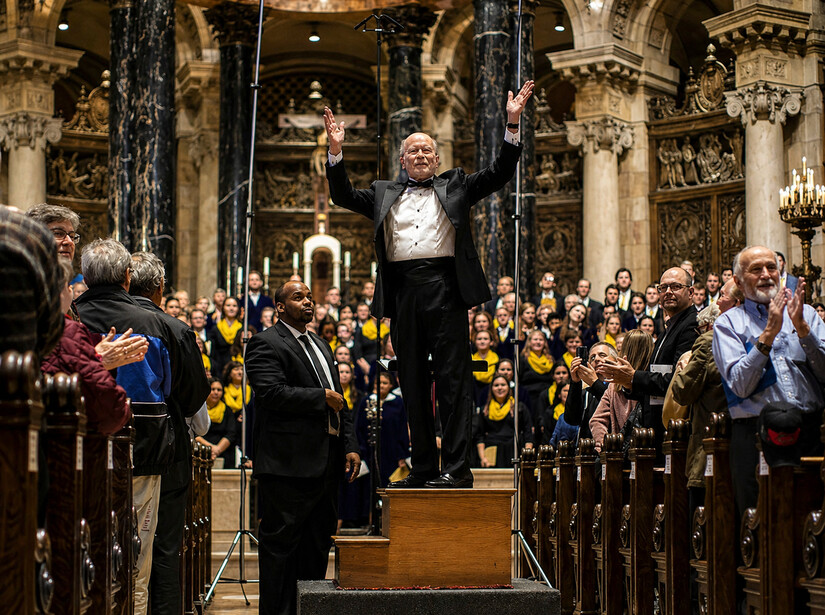
Over the course of his career, Brunelle received opportunities to leave Minnesota for prestigious national positions, including roles connected to New York and Yale. He declined them, choosing instead to remain rooted in the Midwest.
Why? Because he believed Minnesota already possessed the conditions necessary to build something extraordinary. "Minnesota has always been a state for music," he said.
He pointed to the state’s unusually dense network of choirs, school programs, churches, community ensembles, and immigrant musical traditions as evidence of a uniquely fertile cultural ecosystem. He also believed Minnesota audiences genuinely valued music as a civic good rather than elite decoration. "People believe in the power of music," he said.
That belief allowed Brunelle to build long-term rather than constantly restart. "If you’ve got a good thing, why not keep it going?" he said later in the conversation. The result is that generations of Minnesotans grew up inside a musical environment shaped, directly or indirectly, by Brunelle’s influence.
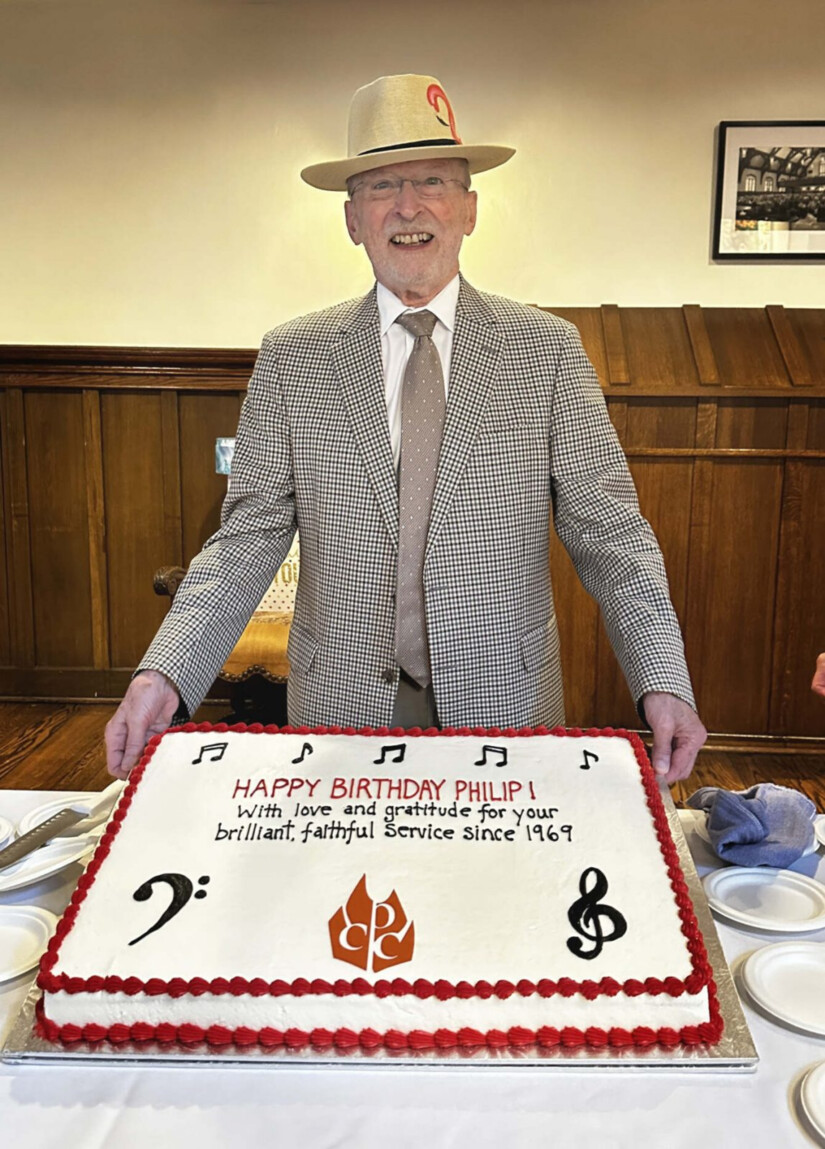
For all the warmth and optimism visible in Brunelle’s public presence, his philosophy of artistic leadership remains deeply disciplined. "Don’t ever arrive unprepared," he said emphatically during the interview.
Preparation, in Brunelle’s view, creates trust. Audiences may not recognize every composition being performed, but they recognize seriousness, intentionality, and excellence. That reputation mattered enormously to him throughout his career.
At the same time, Brunelle emphasized that artistic leadership extends far beyond conducting rehearsals. A conductor, he explained, must simultaneously study music, build relationships, advocate publicly for the arts, raise financial support, and continually communicate why music matters to civic life.
"If you think music will just always be there," he warned, "it will go away if you’re not careful."
That understanding has become increasingly relevant in an era where arts organizations across the country face financial instability, shifting audience habits, and political pressure surrounding public funding. Brunelle’s career offers a counterargument to the idea that classical arts institutions inevitably become culturally detached. His work suggests that institutions survive when they remain deeply connected to community curiosity, education, and emotional life.
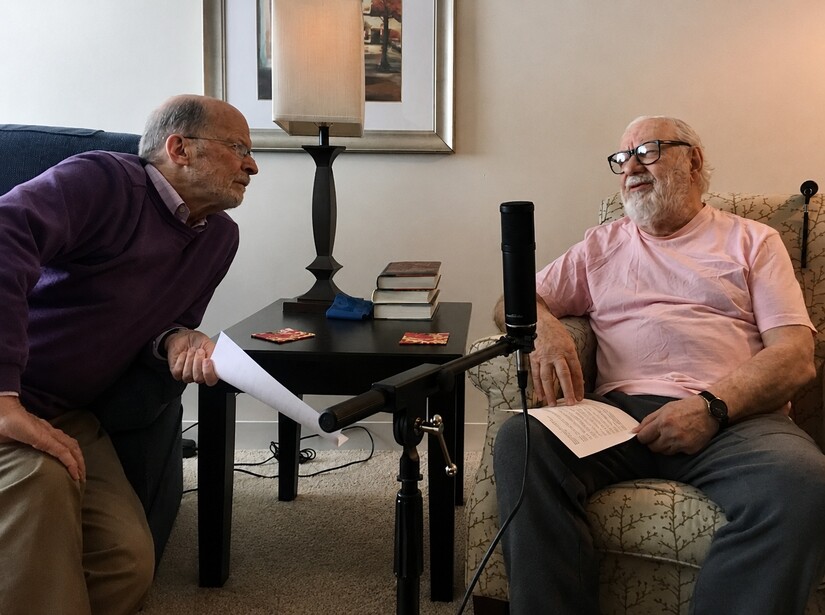
One of the most revealing moments of the interview came when Brunelle discussed listening. Conductors are often stereotyped as authoritarian figures whose role centers on control and direction, but Brunelle described something far more relational. "Oh, I am listening all the time," he said.
He listens to audiences, singers, young people, collaborators, composers, and communities. Sometimes he rejects ideas; other times he absorbs them immediately. That openness helps explain why VocalEssence remained adaptable across changing generations and demographics. Brunelle consistently resisted artistic isolation, choosing instead to treat music as an evolving conversation between cultures, traditions, histories, and lived experiences.

Near the end of the interview, Brunelle reflected on music’s ability to bypass argument and speak directly to the human spirit. He recalled audience members approaching him after performances during periods of social tension and uncertainty, telling him: "I needed this."
For Brunelle, these moments reaffirmed something he has understood for decades. Music can heal, not in simplistic or sentimental ways, but through the creation of shared emotional experience powerful enough to momentarily reconnect fragmented communities with themselves and with one another. That belief has quietly shaped nearly everything he has built.

When asked how future generations might remember him, Brunelle laughed first. "They would say there was this really weird guy," he joked.
But beneath the humor sat a profound truth. Philip Brunelle never built his career around conventional limits. He called famous composers directly. He launched ambitious organizations before possessing full institutional security. He commissioned new music when safer programming existed. He expanded classical spaces before inclusion became fashionable. He stayed in Minnesota when larger national prestige opportunities emerged elsewhere. And through all of it, he operated from an unusually durable optimism that preparation, courage, and curiosity could continue opening doors.
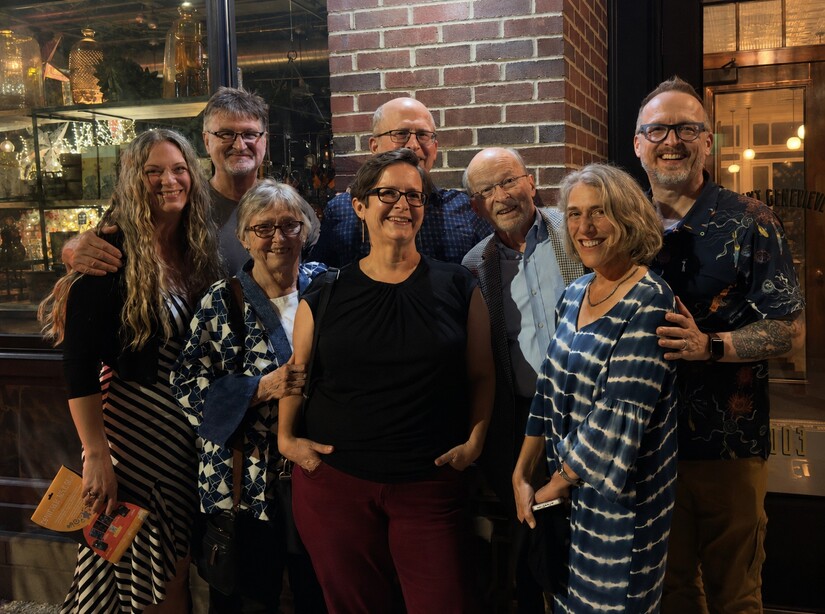
Behind the public accomplishments stood a family that shared the journey.
Brunelle has been supported throughout his life and career by his wife, Carolyn, a studio artist, and their three accomplished children: Tim, who works in artificial intelligence at St. Thomas University; Christopher, who works in development at Carleton College; and Elise, CEO of the Vermont Symphony Orchestra.
Today, Minnesota’s choral landscape bears his fingerprints almost everywhere. The singers he mentored continue teaching new generations. The composers he championed continue shaping modern repertoire. The collaborations he initiated expanded definitions of belonging inside classical music. The audiences he cultivated continue expecting artistic seriousness from community-rooted institutions. And VocalEssence itself remains one of the clearest examples of how an arts organization can simultaneously pursue excellence and accessibility without sacrificing either.
In many ways, Philip Brunelle’s story is not only about music; it is about institution building, cultural stewardship, and believing communities deserve beauty, seriousness, emotional nourishment, and artistic ambition regardless of geography. Most of all, it is about what becomes possible when one person decides not merely to participate in a cultural ecosystem, but to help build one. For more than half a century, that is precisely what Philip Brunelle has done.
MinneapoliMedia | Community. Culture. Civic Life



Sunny, with a high of 87 and low of 64 degrees. Sunny during the morning, patchy rain nearby overnight.