69° and Partly Cloudy



Image
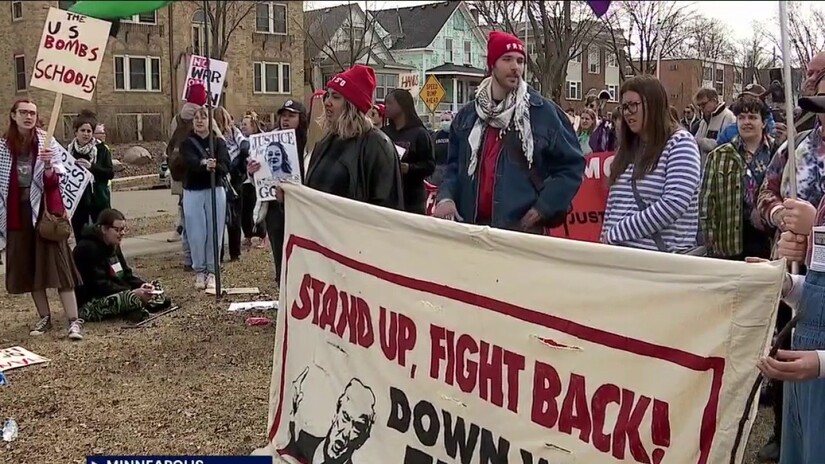
The march, held on March 8, drew activists, community leaders, immigrant advocates, and families from across the Twin Cities. What began as a rally in the park soon transformed into a procession through South Minneapolis streets, where participants carried banners calling for dignity, safety, and equality for women and girls.
For many who attended, the event was both celebration and protest.
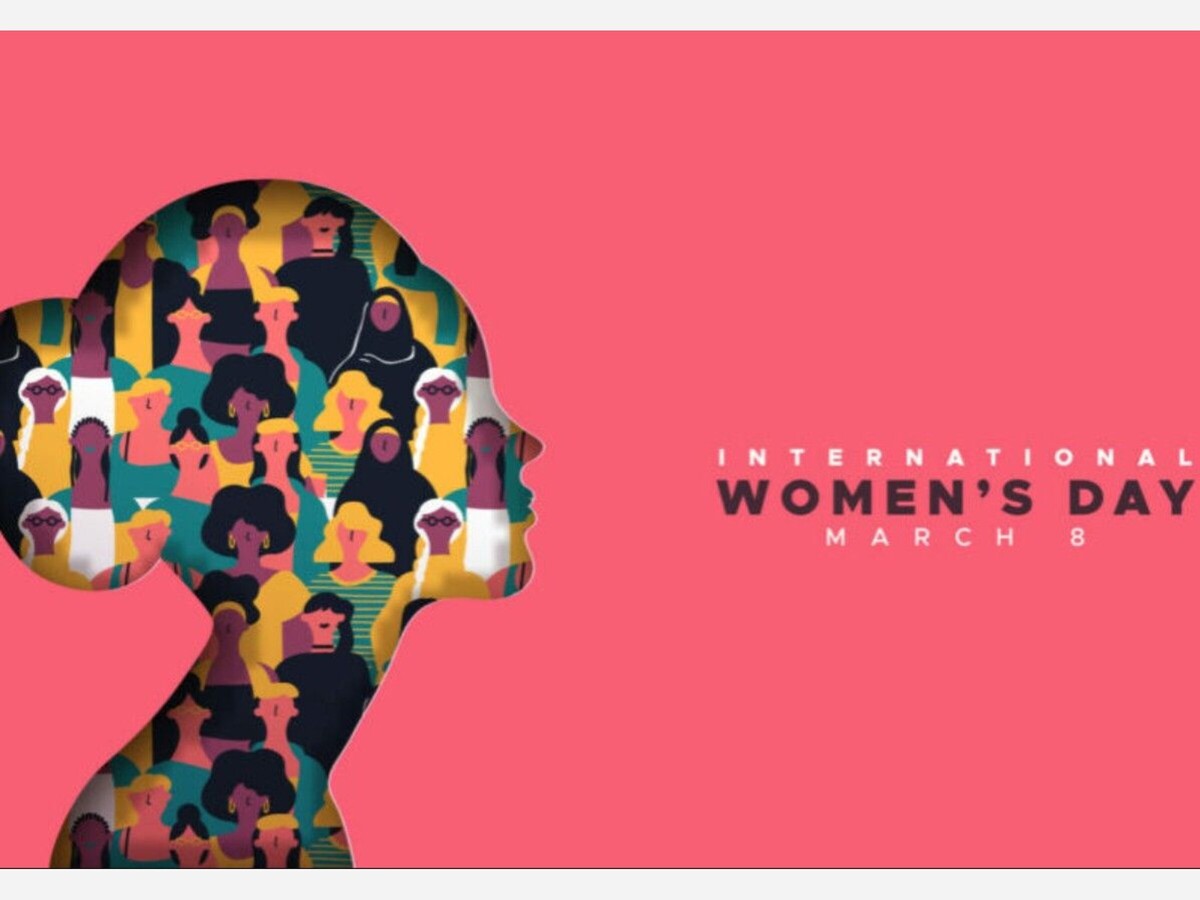
International Women’s Day traces its roots to the early twentieth century labor and suffrage movements in Europe and the United States. Today it is recognized worldwide as a day to reflect on progress toward gender equality while acknowledging persistent disparities in wages, representation, and personal safety.
In Minneapolis, the themes of the day reflected the city’s own civic landscape.
Organizers, including members of the Minnesota Abortion Action Committee and several immigrant rights groups, framed the march as a call for solidarity with women whose lives are shaped by immigration policy, economic inequality, and violence in the home.
Speakers emphasized that women often stand at the center of family stability, community leadership, and cultural continuity. When policies threaten immigrant families, they said, women frequently carry the emotional and economic consequences.
A central focus of the march was the experience of immigrant women and girls.
Community leaders used the rally to criticize federal immigration enforcement practices and to call attention to the impact of deportations and detention on families in Minnesota and across the United States. Activists argued that enforcement actions often separate mothers from children and destabilize households that rely on women as primary caregivers.
Several speakers expressed support for policies that would provide legal protection and a pathway to permanent status for undocumented residents.
The rally echoed broader national debates about immigration enforcement that intensified during the late 2010s and early 2020s. Demonstrators carried signs calling for family unity and immigration reforms, with chants urging an end to family separations and expanded protections for immigrant communities.
Amid the chants and speeches, some of the most powerful moments came when family members of local victims of domestic violence took the microphone.
Their stories were personal and deeply painful. Parents, siblings, and friends spoke about loved ones whose lives were cut short by intimate partner violence, urging the crowd to remember that behind statistics are families still living with grief.
Advocates pointed to data compiled by Violence Free Minnesota, the statewide coalition working to end relationship abuse. The organization has documented persistent domestic violence fatalities across Minnesota, underscoring the continuing need for prevention programs, survivor services, and coordinated law enforcement responses.
Speakers called for increased funding for shelters, expanded legal protections for victims, and stronger community awareness efforts to identify warning signs before violence escalates.
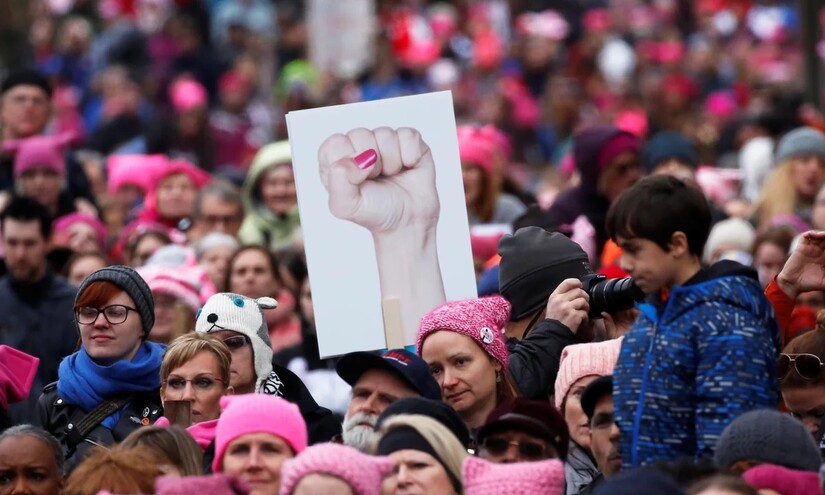
What distinguished the Minneapolis march was its intersectional focus. Organizers deliberately linked several policy concerns affecting women and families into a shared call for justice.
Participants spoke about the need to protect reproductive healthcare access, defend immigrant communities, and ensure safe workplaces with fair wages. Many framed these issues as interconnected, arguing that economic security, bodily autonomy, and personal safety are inseparable components of gender equality.
The gathering reflected a broader shift within women’s movements toward coalition building across issues of immigration, labor, and racial equity.
In hindsight, the 2020 International Women’s Day march in Minneapolis would soon take on additional historical significance.
Within weeks of the rally, the spread of the novel coronavirus prompted emergency measures across the United States. In Minnesota, Governor Tim Walz would soon declare a peacetime emergency and issue statewide restrictions that limited large public gatherings.
For many who attended the march at Powderhorn Park, it would become one of the last large public demonstrations in the city before the COVID-19 pandemic transformed daily life.
As the march concluded that Sunday afternoon, participants returned to the park where the rally had begun. Organizers reminded the crowd that International Women’s Day is not only a symbolic celebration but a continuing commitment.
The issues raised that day, immigration policy, domestic violence, economic justice, and reproductive healthcare, remain deeply intertwined in the lives of women across Minnesota.
For those gathered in Minneapolis, the message was clear: honoring women’s achievements also requires confronting the structures that still limit safety, equality, and opportunity.
And in cities like Minneapolis, the work continues.
MinneapoliMedia
Community. Culture. Civic Life.



Sunny, with a high of 88 and low of 53 degrees. Sunny in the morning, clear in the afternoon and evening,