74° and Overcast
Image




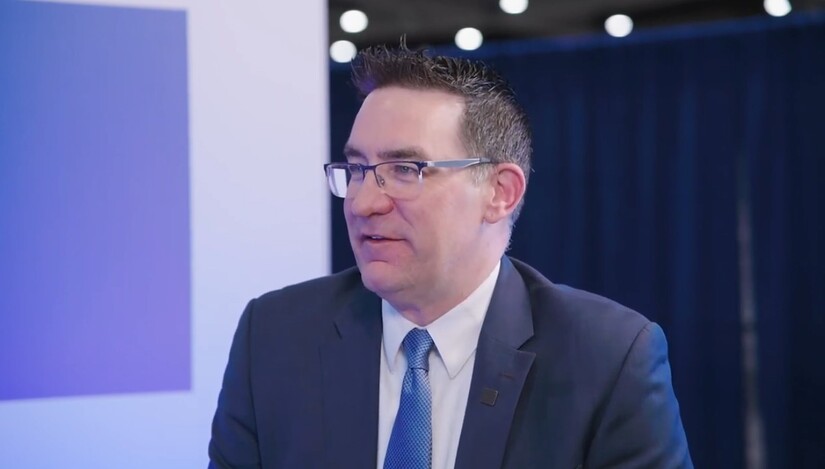
Superintendent Cory McIntyre of the Anoka-Hennepin School District has formally notified the school board that he will not seek renewal of his contract when it expires on June 30, 2026, setting in motion a leadership transition for the state’s largest public school system.
McIntyre announced his decision on March 11, 2026, giving the board several months to conduct a search and prepare for the 2026–2027 academic year. District officials said the timing was intentional, allowing for what they described as a deliberate and orderly process to identify the district’s next superintendent.
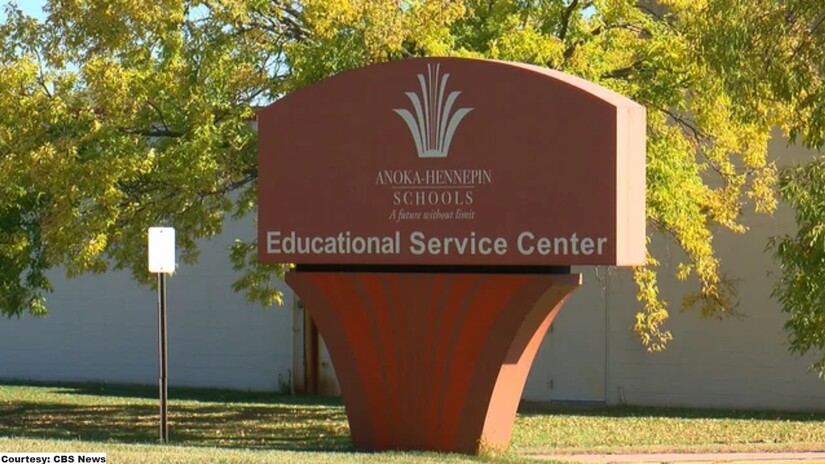
Serving more than 38,000 students across communities including Anoka, Coon Rapids, Blaine, Andover, Champlin, and parts of Brooklyn Park, the Anoka-Hennepin district is widely considered one of the most influential public education systems in Minnesota. Decisions made by its leadership often ripple across the state’s broader education policy landscape.
McIntyre assumed leadership of the district on July 1, 2023, following a national search that concluded the previous winter when the board selected him to lead the system.
His appointment marked a return to familiar territory. Earlier in his career, McIntyre served in senior leadership roles within Anoka-Hennepin, including associate superintendent and executive director of student services from 2016 to 2019.
Before returning to the district as superintendent, he spent four years leading the Osseo Area Schools, serving as superintendent from 2019 until 2023.
Across nearly a decade of top-level leadership in two of Minnesota’s largest districts, McIntyre has become a well-known figure in Twin Cities educational administration.
McIntyre’s tenure at Anoka-Hennepin coincided with a period of considerable change and pressure for Minnesota school systems.
Among the most significant initiatives during his leadership was the implementation of the state’s new literacy law, the Minnesota READ Act, which requires districts to adopt evidence-based reading instruction and invest in teacher training.
District leaders say McIntyre also guided the system through difficult budget realignments tied to rising operational costs, enrollment fluctuations, and ongoing debate over the adequacy of state funding for public schools.
Those pressures are not unique to Anoka-Hennepin. Across Minnesota, districts have faced a combination of:
• Post-pandemic academic recovery
• Teacher recruitment and retention challenges
• Increased special education costs
• Implementation of new state mandates for literacy instruction
In Anoka-Hennepin specifically, the past year also included tense labor negotiations with teachers, which drew regional attention as contract talks approached the possibility of a strike before a tentative agreement was reached.
McIntyre’s upcoming departure comes at a moment when school governance in Minnesota, and nationally, has grown increasingly politicized.
In recent years, debates over curriculum, budgets, and district priorities have intensified at school board meetings across the country. The Anoka-Hennepin School Board has experienced its own share of high-profile disagreements, often reflecting broader ideological divides shaping education policy debates in the state.
Observers say superintendent turnover has become more common in this environment. According to the Minnesota Association of School Administrators, school district leadership changes have accelerated across the state as administrators navigate rising political pressure, financial constraints, and shifting expectations from communities.
With McIntyre’s decision now official, the Anoka-Hennepin School Board has begun outlining the early stages of a leadership transition plan.
Board members say their immediate focus will be establishing a search timeline and process that ensures continuity for the district’s students, educators, and families.
The central question facing the board is how the search will be conducted.
In large districts, superintendent searches often involve national recruitment efforts managed by professional search firms. These processes typically include stakeholder surveys, candidate screening, and multiple interview rounds before finalists are selected.
Whether Anoka-Hennepin will follow that model has not yet been formally announced.
Even before the formal search has begun, the transition has already sparked debate among parents, educators, and community leaders about how transparent the process should be.
Local stakeholders are raising several key questions:
Public Engagement
Will teachers, parents, and students have opportunities to participate in candidate forums or advisory panels during the search?
Candidate Transparency
Will the names and backgrounds of finalists be made public before the board makes its final decision?
Search Structure
Will the district hire an external search firm or conduct the process internally through board leadership?
These discussions are not uncommon in large districts. Superintendent searches often balance two competing priorities: attracting high-quality candidates who may require confidentiality, while also maintaining public trust through open governance.
While details are still emerging, the leadership transition is expected to follow a general timeline.
March 11, 2026
McIntyre announces he will not seek contract renewal.
Spring 2026
School board expected to finalize search criteria and open the superintendent position.
June 30, 2026
McIntyre’s contract ends and he steps down as superintendent.
July 1, 2026
Target date for either a newly appointed superintendent or an interim leader.
For now, McIntyre will continue serving as superintendent through the end of the school year, overseeing district operations while assisting with the leadership transition.
The coming months will determine who ultimately guides the district into its next chapter.
For the communities served by Anoka-Hennepin, the decision carries considerable weight. With tens of thousands of students and hundreds of millions of dollars in annual public investment, the district’s superintendent shapes not only educational outcomes but also the broader civic and economic life of the region.
As the search unfolds, families, educators, and policymakers across the Twin Cities will be watching closely.
The question is no longer whether change is coming.
It is who will lead Minnesota’s largest school district next, and how that leadership will shape the future of public education in one of the state’s fastest-growing regions.
MinneapoliMedia
Community. Culture. Civic Life.



Overcast, with a high of 64 and low of 51 degrees. Overcast for the morning,