58° and Clear
Image
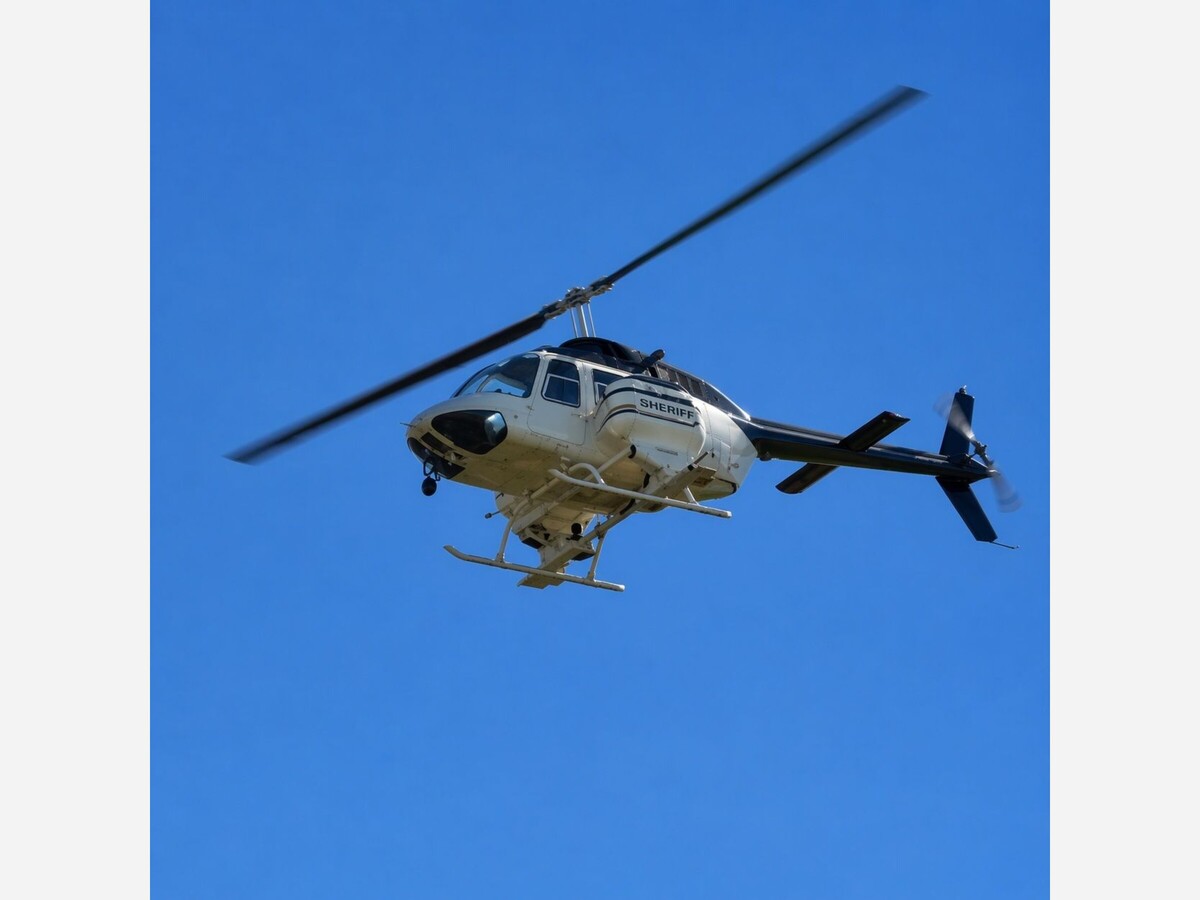



The treatments, which started Wednesday, April 22, are part of MMCD’s integrated mosquito management program and focus on wetlands, floodwater zones, and other large breeding sites that cannot be effectively reached by ground crews.
MMCD uses helicopters to apply a dry granular larvicide over standing water bodies, typically those exceeding several acres in size. Smaller or more accessible sites are treated by field crews using backpack or hand-spread equipment.
The aerial approach allows for rapid coverage of extensive wetland areas, particularly during spring conditions when snowmelt and rainfall increase the number of stagnant water sites suitable for mosquito development.
Treatment locations are determined through routine field surveillance. MMCD staff collect and analyze larval samples and initiate control measures only when populations exceed established operational thresholds.
A daily list of planned treatment areas is published each morning on MMCD’s website.
The larvicide used in these operations contains Bacillus thuringiensis israelensis (Bti), a naturally occurring soil bacterium widely used in mosquito control programs in the United States.
Bti functions by producing toxins that are activated when ingested by mosquito larvae. These toxins disrupt the larvae’s digestive system, preventing them from maturing into adult mosquitoes.
According to the U.S. Environmental Protection Agency, Bti is highly specific in its action:
The granular formulation used by MMCD is designed to disperse across water surfaces, allowing larvae to ingest the active ingredient as they feed.
Federal and state reviews consistently characterize Bti as low risk when used according to labeled directions.
The EPA has determined that Bti does not pose a toxicity risk to humans and does not require evacuation or protective action during application. MMCD similarly states that its larvicides do not pose a danger to people, pets, or wildlife, including animals that may drink treated water.
Independent research, including long-term monitoring of Minnesota wetlands, has found no measurable impact on bird populations, aquatic ecosystems, or broader environmental health in areas treated with Bti compared with untreated sites.
While some studies have examined potential effects on certain non-target aquatic insects, regulatory and field data continue to support Bti as a targeted and environmentally compatible control method.
MMCD’s larval control strategy is designed to reduce mosquito populations before they emerge as flying adults.
By intervening at the larval stage, the agency aims to:
Mosquitoes lay eggs in standing water, and larvae remain confined to those sites until they mature. Treating those habitats early in the lifecycle allows for more precise and efficient population control.
No special precautions are required for residents during Bti applications.
Helicopter activity may be visible over wetlands and low-lying areas during treatment periods. Operations are typically brief and targeted to specific sites identified through surveillance.
Residents can monitor daily treatment plans through MMCD’s helicopter activity page:
https://mmcd.org/helicopter-activity/
Aerial larval treatments are expected to continue as environmental conditions support mosquito breeding. Additional applications will be scheduled based on surveillance data throughout the spring and early summer.
MinneapoliMedia | Community. Culture. Civic Life.


Sunny, with a high of 83 and low of 57 degrees. Sunny in the morning, partly cloudy in the afternoon and evening, clear overnight.