68° and Clear
Image
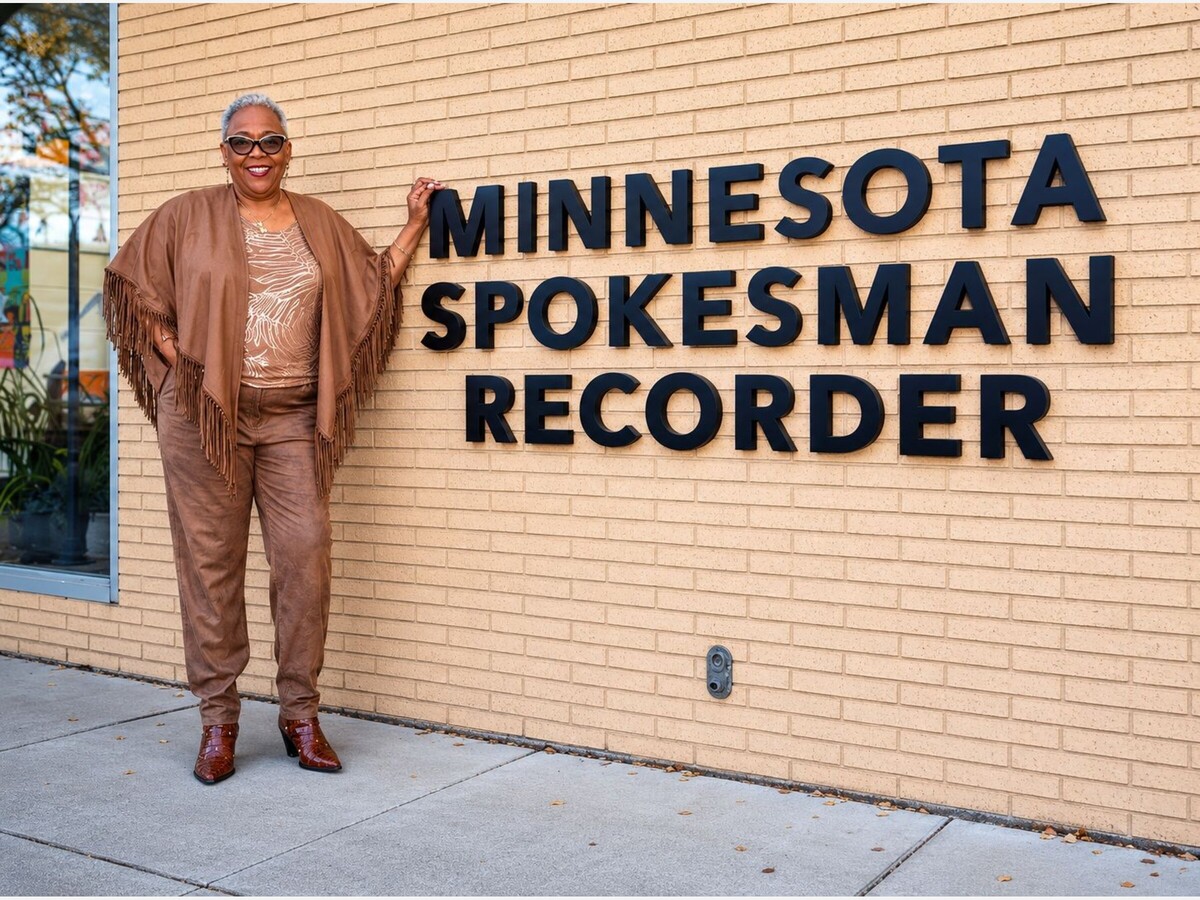



There are leaders who build institutions. There are leaders who inherit them. And then there are those rare figures who spend their lives ensuring that institutions simply survive long enough to serve the next generation.
Tracey Williams-Dillard belongs completely to that third group.
As President, CEO, and Publisher of the Minnesota Spokesman-Recorder, Williams-Dillard serves as the custodian of one of the state’s most historically significant media institutions. Founded in 1934 by her grandfather, Cecil E. Newman, the publication has spent more than ninety years documenting generations of African American life, leadership, struggle, and cultural history in Minnesota. It has stood as a trusted archive, preserving vital stories that the mainstream press routinely overlooked or forgot.
Yet when speaking with Williams-Dillard, it quickly becomes clear that she does not view her role through the flattering lens of title or status. Instead, she views it through the sobering lens of sheer responsibility.
That responsibility weighs on her, not because she doubts her ability to carry it, but because she understands exactly what is at stake.
"It feels heavy," Williams-Dillard says, her voice carrying the quiet resonance of someone who wakes up every day holding history in her hands.
When she reflects on her position, she bypasses the typical executive talking points. She does not mention circulation numbers, digital metrics, business growth, or industry accolades. She talks about people. She talks about community. She talks about the human cost of making a difference.
"When I really think about the importance of what we do and the importance it has on people's lives, and just really making sure that we're providing information that's going to be beneficial to the people we're reaching out to, it's not just information," she notes, pausing as if measuring the gravity of her own words. "It's information that they can use. It does begin to feel heavy because I'm committed to the community. I'm not just committed to providing news. I'm not just committed to talking about events. I'm committed to making a difference in people's lives. And that's what I'm committed to."
Those words serve as the recurring heartbeat of her tenure. For Williams-Dillard, journalism is not a mere career or a standard commercial enterprise. It is an act of pure, uncompromised service, an understanding that took root long before she ever walked into the executive suite.
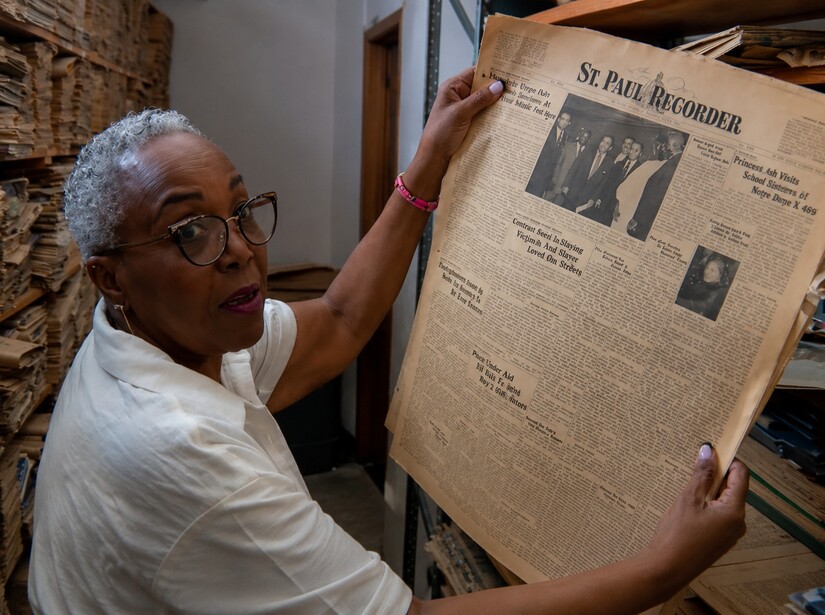
Growing up around the Minnesota Spokesman-Recorder gave Williams-Dillard a front-row seat to authentic community leadership. Her education did not come from formal corporate training manuals or elite management seminars; it came from quiet, daily observation.
What she remembers most vividly about her grandfather was not just his relentless work ethic, but his stubborn refusal to let the work obscure humanity.
"What I learned in the early stages is just the amount of dedication that you had to have to it," she recalls. "My grandfather was always busy. His desk was always loaded with papers. But I also learned that he took time for people. He was never so busy that he couldn't take a few minutes and give people time."
As a child, she watched residents, organizers, and leaders drift in and out of that paper-laden office. Years later, she realized that the immense reverence her grandfather commanded throughout Minnesota was directly tied to that willingness to be present.
"He couldn't just sit there and have his door shut and never have time for people," she says. "He would have never built the empire that he built and the community that has so much respect for him if he hadn't done it that way."
That template of accessibility became her own compass. Today, despite the frantic, modern demands of steering a multimedia operation, she fights to maintain that same open-door policy. "Sometimes I have time and sometimes I don't," she smiles. "But I always try to make the time either way."
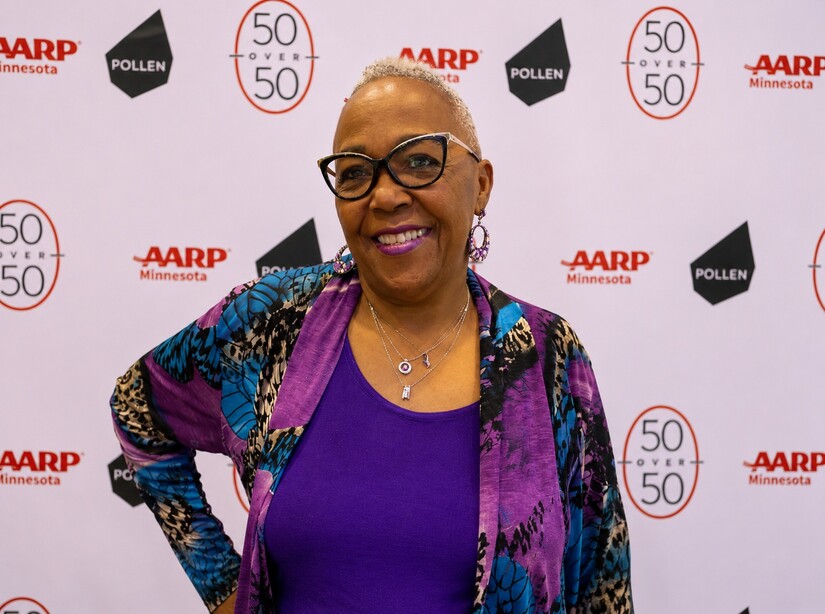
Remarkably, journalism was not the destination Williams-Dillard originally envisioned for her life. For a long time, her heart pulled her toward the field of social work, specifically studying to become a chemical dependency counselor.
Yet, looking back across the decades, she sees the invisible thread that connects both chapters of her life: an unwavering commitment to human welfare.
"I felt like both of them were service to people," she reflects. "I was working with people as a chemical dependency counselor, and I was working with people from the newspaper perspective."
The turning point came when she realized the sheer scale of the platform her family had built. While a counselor could heal individuals and repair fragmented families, a newspaper possessed the unique power to uplift an entire population.
"The more I worked with the community through the paper, my thought was, I can reach more people," she says. "I felt like the impact that I could have was bigger coming through the paper."
Even with that realization, assuming the mantle of leadership was never guaranteed. The definitive crossroads arrived suddenly, in the year 2000, when her grandmother asked a question that would alter the course of her life forever: Did she want to take over the newspaper?
The question immediately forced her to confront the complex realities of a legacy family business.
"My first thought was, would I make the family mad at me?" Williams-Dillard admits. It was a valid, deeply human anxiety. Her grandmother had children of her own, and Williams-Dillard knew that leaping a generation could trigger delicate family dynamics.
But her grandmother was looking at the long horizon. She knew the institution needed longevity, energy, and, above all, a proven stamina to survive the coming digital storm.
"She knew that if she had given it to them, another five years from now they'd be ready to retire," Williams-Dillard says. "She wanted continuity. And she also knew that I was committed to doing the work long before I was offered the position."
Williams-Dillard accepted the call. But accepting a legacy and understanding its isolation are two very different things. About a year into her tenure, the full weight of the desk settled in.
"I realized, wow. I'm really in this by myself," she says, letting out a soft, reflective laugh. "There were no other executive-level family members standing beside her, no corporate safety net, and no succession handbook. Just responsibility. And I thought, this is a lot. I'm up for the challenge. I just didn't realize how big of a challenge."
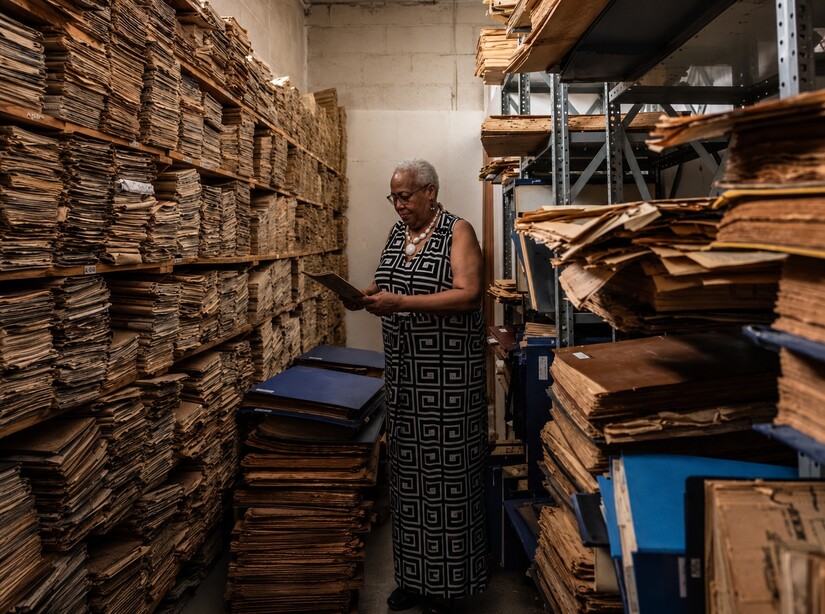
While the public often associates leadership with outward displays of strength, the true test is the internal endurance required to sustain that strength through seasons of drought. Williams-Dillard speaks with striking candor about the periods when the challenges felt vastly larger than the resources available to meet them.
Yet, turning back was never an option. "I'm not a quitter," she states matter-of-factly, with the quiet defiance of a fighter who views adversity as a condition of the job. "I don't care if it's tough. I'm a fighter."
The breakthrough was not learning to work harder, but learning the vulnerability of accepting help.
"There was a time when people would ask me if I needed help and I'd say no," she admits. "Now, I approaches those moments differently. I learned how to say yes."
It is a calculated vulnerability. "I have to think: Is that somebody that can help? Or is it somebody that's just being kind and offering their help?"
The distinction is critical because the economic headwinds facing community journalism are brutal. The modern local news landscape is defined by revenue pressures, fractured audience habits, and technological disruption.
"We're struggling more now than ever," she notes transparently. Yet, her optimism remains uncompromised, fueled by a deeply personal motivation. "I keep making myself know that it's something I can do. It's something I have the strength to do. And I'm going to do... I'm leaving a foundation for my daughter."
That statement hangs powerfully in the air. For Williams-Dillard, this tireless preservation of the past is ultimately an investment in the future.
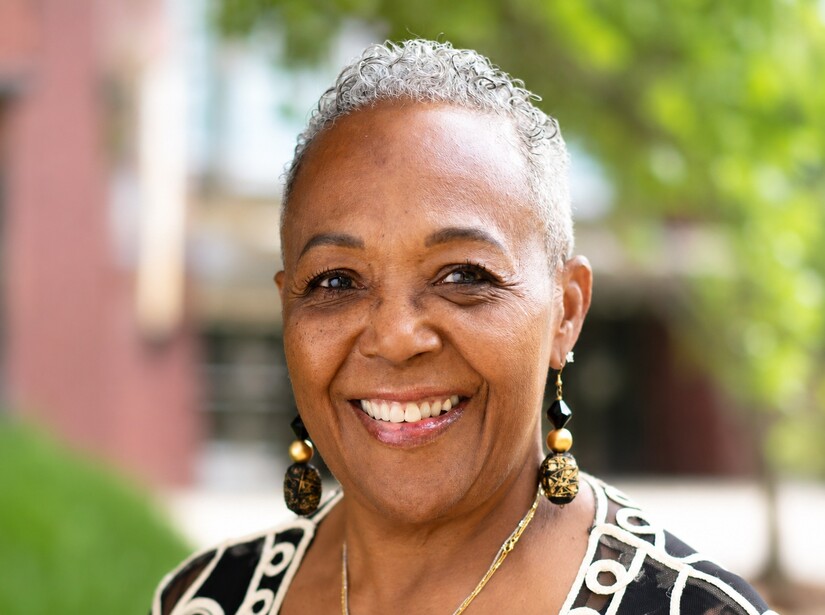
When asked what has required her greatest determination over the last twenty-six years, her answer is instantaneous: "The determination to not let it die."
It is a battle for survival that transcends standard market strategies or business templates. She knows exactly what would vanish if the African American press disappeared from the civic fabric of Minnesota.
"The average CEO of their own company would have folded a long time ago," she says with plain honesty. "Because I'm not making money. I'm just striving to stay alive."
In her world, survival itself is a profound victory, because survival guarantees a voice for those who have been systematically silenced. "Being able to make a difference and be the voice for the voices that the paper started off being in the first place is important to me."
To meet the future, she is actively leading the Spokesman-Recorder through a profound evolution, transforming the historic print staple into a modern multimedia powerhouse encompassing social media, digital publishing, and podcasting. "We're not just a newspaper now," she notes with excitement. "We're a multimedia organization. I feel our opportunities are right there on the other side of that door."
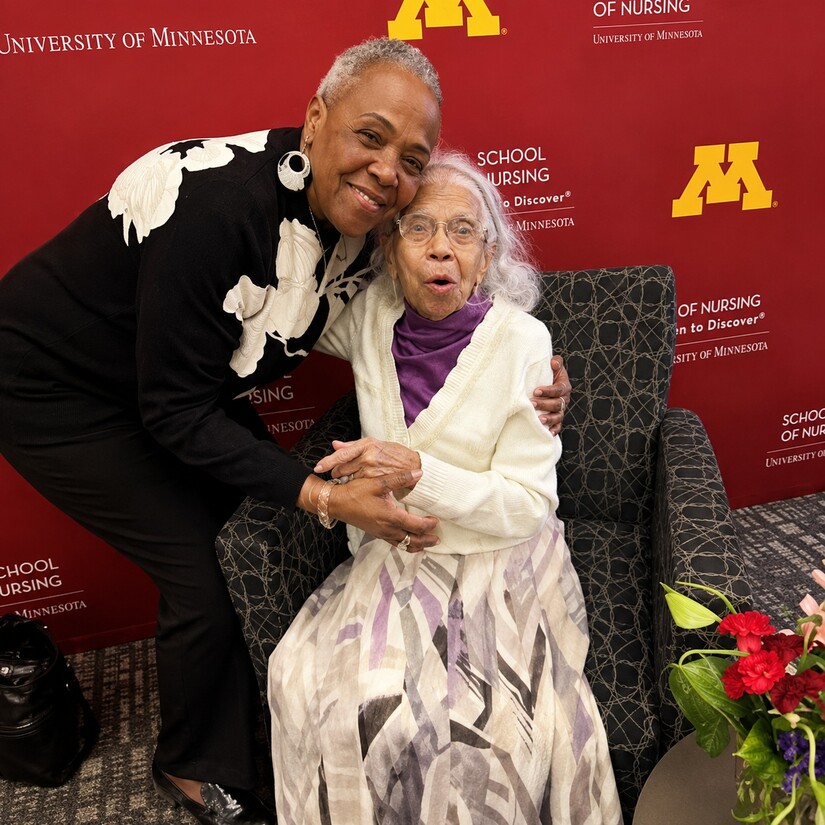
At the center of this digital expansion sits a foundational, non-negotiable value: trust. In an era routinely compromised by misinformation and polarizing discourse, Williams-Dillard believes hyper-local community publications hold a sacred obligation to accuracy.
"They have to know there's one place they can go," she emphasizes. "And anything that we're telling them, whether it's a whole bunch or whether it's just a few things, it's reliable, it's consistent, and they can trust it."
For her, credibility is not a branding exercise; it is an extension of personal character.
"I always used to say my word is my bond," she says with a warm smile. "I stand by that today. If you cannot trust a person, there's nothing. If you don't have a lot of money and you don't have a lot of anything else, you've got two things. You've got your word and you've got love. And those two things will carry you a long way."
This dedication to independence has kept the Spokesman-Recorder out of the hands of corporate consolidation, ensuring it remains locally owned and deeply connected to its readers. "It means so much to me to protect that independence," she pauses. "This isn't just a newspaper. This isn't just information. This is information that is making a difference in people's lives. I've always just felt good when I'm able to help. And this paper helps."
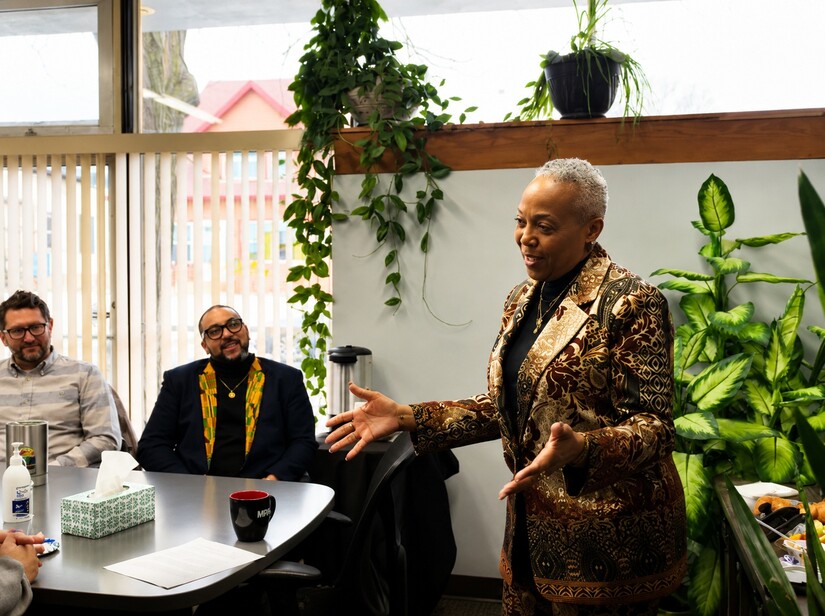
The public witnesses the awards, the anniversaries, and the prestigious legacy, but the true measure of stewardship is often found in the sacrifices hidden from public view. Williams-Dillard reveals that during one particularly acute financial crisis, she and her late husband made a quiet, definitive choice to keep the presses rolling.
"We ended up using house money to support the paper," she shares flatly, without an ounce of self-pity. "We had to do that one other time since then. I've ended up investing some of my own personal money into keeping the paper going. It means enough to me."
It is this profound, personal skin in the game that redefines what the Spokesman-Recorder is. It is not merely a business; it is a living relational institution.
"They're looking for the media to be a part of the community now versus just reporting the news," she observes of modern audiences. "You have to be able to balance that. They have to be able to see you. They have to almost be able to touch you... When they're in the community, they see you. They know you're real. So when you print the news, you trust your friends."

At MinneapoliMedia, we believe that true leadership never exists in a vacuum. Behind every visionary leader stands a constellation of unsung figures doing critical work away from the flashbulbs. When asked to shine a light on the women who embody this spirit, Williams-Dillard instantly redirects the spotlight.
She points first to Rozenia Fuller, a local force of quiet altruism. "I'm always seeing her helping people in the community," Williams-Dillard notes with deep admiration. "She just seems to do it unselfishly."
She then honors legendary activist Nekima Levy Armstrong, celebrating her relentless, uncompromising advocacy. "She fights for everybody," Williams-Dillard says. "She doesn't have to do it. She chooses to do it. And she does it fearlessly. It's something she believes in and she puts her heart and soul into it."
As our conversation draws to a close, the focus naturally shifts to the ultimate horizon: the legacy that will outlast the current news cycle. When asked how she hopes history will judge her tenure twenty or thirty years from now, Williams-Dillard's response is beautifully simple. She does not ask to be remembered as powerful, wealthy, or influential.
"I'd like to leave behind the legacy that people realized that I was sincere and genuine," she says softly. "That I really did care. It wasn't just a job. I really do care about the community. I want that to be something people really remember me by. I want them to know the efforts I put forth were not in vain."
The story of the Minnesota Spokesman-Recorder remains an ongoing, vital testament to the power of community memory. On behalf of MinneapoliMedia, it has been an absolute privilege to chronicle the journey of a publisher who has turned survival into an art form, ensuring that future generations inherit not just a newspaper, but an unbroken, sovereign legacy of truth.
Ms. Williams-Dillard, the record is safe in your hands, and we look forward to welcoming you back as its next chapters are written.
MinneapoliMedia | Community. Culture. Civic Life.



Sunny, with a high of 94 and low of 67 degrees. Sunny during the morning, clear overnight.