68° and Clear
Image



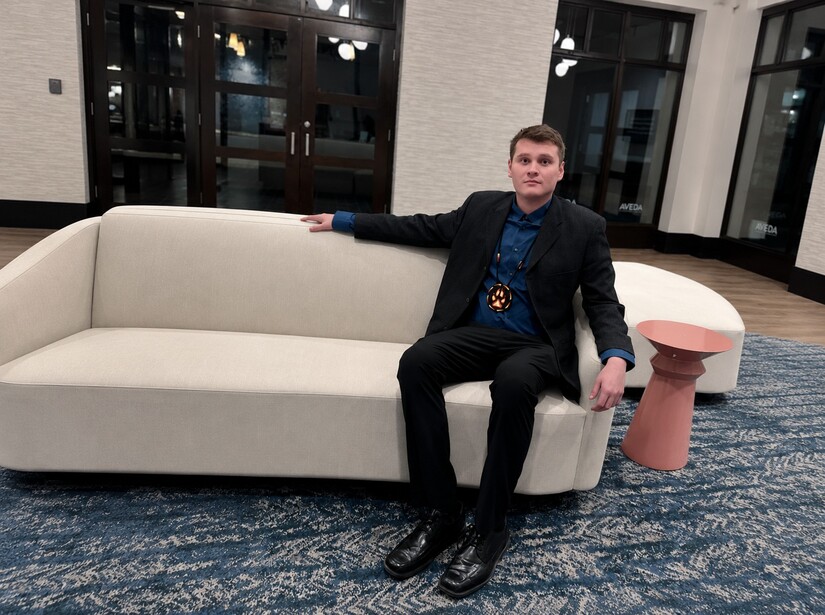
Dr. Luke Warnsholz belongs to that latter group.
An enrolled member of the White Earth Nation, Warnsholz has built a career at the intersection of leadership, governance, organizational development, technology, and strategic planning. His professional journey has taken him from a small tribal community in northwestern Minnesota to executive leadership roles focused on helping tribal institutions navigate an increasingly complex future.
Yet throughout our conversation, it became clear that the themes driving his work are remarkably simple: Take care of people. Protect culture. Preserve language. Prepare future generations. And never stop adapting.
Those ideas surfaced repeatedly during a wide-ranging conversation that explored everything from growing up in Mahnomen, Minnesota, to artificial intelligence, cybersecurity, language revitalization, leadership challenges, and the responsibilities that come with serving tribal communities. For Warnsholz, leadership is not primarily about authority. It is about stewardship. And stewardship, he says, begins with understanding where you come from.
Tom Akaolisa: Dr. Luke, I would love to begin at the beginning. Can you take me back to your early years growing up in Minnesota? What kind of environment shaped you, and who were some of the people or experiences that helped influence the person and leader you would eventually become?

Dr. Luke Warnsholz: I am a proud enrolled member of White Earth Nation, and so is my mother. My mother was a single mother, and we grew up in Mahnomen, Minnesota, which is located on White Earth Nation.
Growing up in a rural tribal community shaped much of who I am today. I attended reservation schools from kindergarten through high school. The majority of my classmates were Native students, and that environment gave me a strong sense of identity and community.
I was fortunate to grow up in a good household. I always credit my mother and my stepfather for everything they gave me. They worked hard and made sacrifices for me, and I will always be grateful for that.
Growing up on the reservation, you see a lot at a young age. You see challenges affecting families. You see struggles that friends and community members experience. You also see resilience. You see people helping one another. Those experiences shape you.
Throughout school, I was involved in sports. I played football and basketball, and I was fortunate to have a lot of mentors around me. My parents always pushed me to do well and stay focused. White Earth Nation has so many great people. I am very proud of where I come from, and I am proud to carry that with me today.
Editorial Note: His answer reflects a theme that would continue throughout the conversation. While many leadership stories focus on individual achievement, Warnsholz repeatedly returned to community, family, mentorship, and place. For him, leadership appears rooted less in personal ambition than in responsibility to something larger than himself.
Tom Akaolisa: Long before executive leadership, governance work, and institutional responsibilities, there were probably earlier moments where leadership lessons first began forming. When you look back now, what were some of the earliest lessons you learned about discipline, teamwork, responsibility, or leadership that still stay with you today?
Dr. Luke Warnsholz: My parents played a huge role in that. They always pushed me in the right direction. One of my earliest mentors was John Courneya Jr. He was hard on me, but in a good way. One thing he always used to say was, "Pay now or pay later."
That stayed with me. The idea is simple. You either put in the work today, or you deal with the consequences later.
Sports taught me a lot, too. Football and basketball taught me teamwork, accountability, preparation, and discipline. Even when I was young, I was interested in business and statistics. My mother worked in the casino industry, and I became fascinated with numbers, probability, and strategy. I would spend time looking at statistics and trying to understand how systems worked. Over time, that interest expanded into business, leadership, and organizational development.
I have been fortunate to have many mentors throughout my life, including tribal leaders and community members who helped me get to the next level. One thing I have learned is that you need people who believe in you. You will always have critics. You will always have challenges. But you have to focus on the people who support you and help you grow.
Editorial Note: The answer provides insight into something often overlooked when discussing leadership. Many leaders talk about confidence. Warnsholz talks about preparation. The distinction matters. His recurring emphasis on discipline, mentorship, and learning suggests a leadership philosophy built less on charisma and more on steady development over time.
Tom Akaolisa: Your path has moved across education, administration, strategic leadership, and tribal governance. What initially drew you toward this line of work and responsibility?
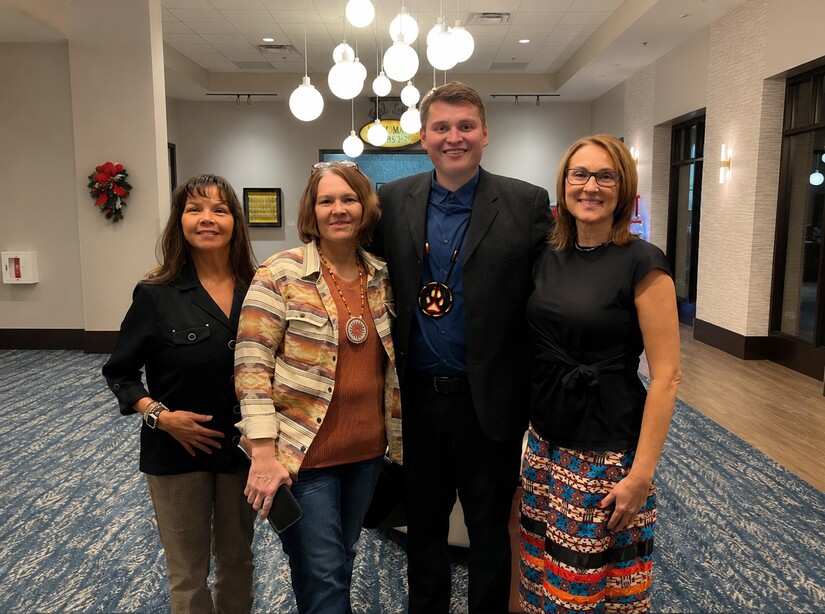
Dr. Luke Warnsholz: I actually have a funny story about that. When I graduated from high school, I needed a summer job. At the time, I thought I would eventually move somewhere like California, New York, or Florida. I wanted to leave and build a career elsewhere.
I ended up getting an internship with White Earth Natural Resources. My title was something like Assistant Park Manager, and part of my job involved mowing lawns and helping around the department. But the experience ended up changing my life.
There was an elder named Jeff Work who became an important mentor to me. He spent that summer showing me the reservation. He knew the history. He knew the families. He knew the roads. He knew the stories. He would drive me around and explain how things connected. He introduced me to people and helped me understand the larger story of the community.
That was the first time I became truly interested in tribal governance. Before that, I thought I would leave and never look back. But that summer changed my perspective. I started paying attention to tribal politics, tribal administration, and tribal leadership. I became fascinated by how institutions worked and how decisions affected people. That was when I first thought maybe one day I would become a tribal executive. It took a lot of hard work and a lot of long nights to get there, but that dream started during that summer.
Editorial Note: Many leadership journeys begin with a defining moment. For Warnsholz, that moment was not a promotion, a degree, or a title. It was a mentor taking the time to explain a community to a young man who was still deciding what role he wanted to play within it.
Tom Akaolisa: One thing I have been thinking about while preparing for this conversation is that leadership within tribal institutions seems to carry a different kind of responsibility than what many people see from the outside. How do you personally define institutional stewardship?

Dr. Luke Warnsholz: The first responsibility is taking care of your people. That sounds simple, but it means a lot of things. It means protecting land and resources. It means protecting water. It means protecting culture and language. It means helping tribal members grow and succeed.
Every tribal nation is different. Some tribes are highly developed economically. Others are more rural and face different challenges. But ultimately, the goal is the same. You want to improve the lives of your people. You want to create opportunities. You want to protect what previous generations worked so hard to preserve.
One of the areas I care deeply about is language revitalization. Many of our elders carry knowledge that cannot be replaced. As they get older, there is a real urgency around preserving language, culture, history, and traditional knowledge. We have a responsibility to make sure that knowledge survives and reaches future generations. That, to me, is stewardship.
Editorial Note: Leadership conversations often focus on growth. Warnsholz repeatedly returned to preservation. Not preservation as resistance to change, but preservation as preparation for the future.
Tom Akaolisa: A major part of your work and research has involved modernization, technology integration, operational systems, and strategic development. When you talk about modernization within tribal institutions, what does that actually mean to you in practical terms? And how do organizations modernize in ways that strengthen communities rather than disconnect from them?
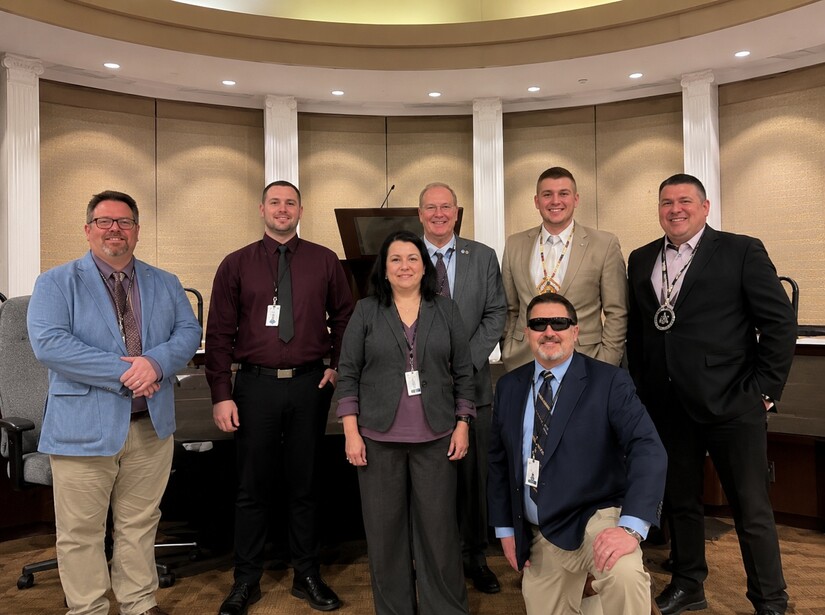
Dr. Luke Warnsholz: That's a great question. A lot of my doctoral research focused on modernization, technology integration, leadership, and organizational systems. One of the topics that continues to come up is artificial intelligence and what that means for tribal governments and organizations. Some people are excited about it. Some people are skeptical. Some people are concerned about it.
Personally, I believe that organizations have to be open to change. When you look at how much the world has changed over the last twenty-five years, it's remarkable. Think about where we were around the year 2000. Technology was completely different. The internet was still developing. Many communities, especially rural communities, were only beginning to experience what digital connectivity could offer.
Now imagine what the next twenty-five years might look like. Artificial intelligence, automation, advanced data systems, and emerging technologies are likely to reshape nearly every industry. The question is not whether change is coming. The question is whether institutions are prepared for it.
For me, modernization means remaining adaptable. It means being willing to learn. It means being willing to explore tools that can improve services, increase efficiency, and create new opportunities for the people we serve. I often tell people that organizations must learn to work smarter, not harder. That does not mean replacing people. It means helping people perform their jobs more effectively.
Healthcare, transportation, gaming, public administration, education, and many other sectors are already being transformed by technology. Tribal institutions need to be part of those conversations. At the same time, modernization cannot come at the expense of culture or community. Technology should support our mission, not replace it. The challenge is finding the right balance.
Editorial Note: As our conversation continued, it became increasingly clear that Warnsholz does not view technology as an end in itself. He views it as a tool. The larger objective remains service. Technology matters because people matter. Innovation matters because communities matter. That distinction would emerge again when our conversation turned toward cybersecurity.
Tom Akaolisa: Technology and cybersecurity are becoming increasingly important across every sector today, including tribal governments and organizations. Why do you believe those conversations are so important right now? And what risks do institutions face when operational systems, cybersecurity, or organizational structures fail to evolve with the times?
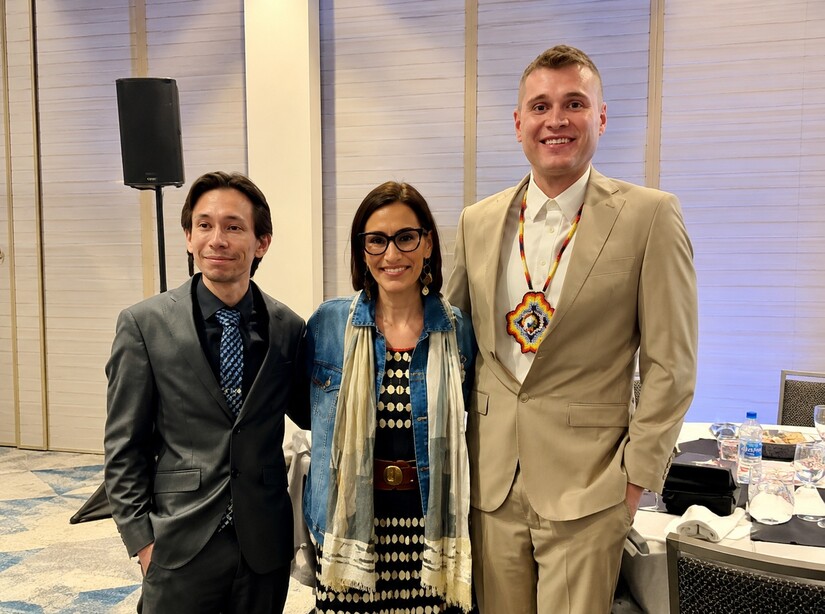
Dr. Luke Warnsholz: The conversations are happening because the risks are real. Today, many tribal governments and tribal enterprises operate highly sophisticated systems. Some tribal casinos are major economic engines. Some healthcare systems serve thousands of people. Many tribal governments manage large amounts of sensitive information.
The reality is that cyber threats are increasing everywhere. If major corporations can be targeted, then tribal organizations can be targeted as well. We've seen situations across the country where large organizations with enormous resources have experienced cyber incidents. That should get everyone's attention.
For tribal governments, cybersecurity is not just a technology issue. It is a governance issue. It is a financial issue. It is a public trust issue. When people trust an institution with their information, their healthcare, their employment, or their community resources, that institution has a responsibility to protect those systems. That is why cybersecurity has become such an important topic.
Technology creates opportunities, but it also creates responsibilities. If organizations fail to evolve, they expose themselves to unnecessary risks. You cannot simply stand still. You have to continue moving forward.
Editorial Note: His answer reflected something broader than cybersecurity. It reflected a larger leadership philosophy: Preparation. Anticipation. Responsibility. Throughout the interview, Warnsholz repeatedly returned to the idea that leaders cannot simply react to change after it arrives. They must prepare for it before it does.
Tom Akaolisa: A phrase that comes up often in leadership spaces is long-term vision, but in reality, building sustainable systems is incredibly difficult work. When you think about strategic planning and institution-building, how do you approach creating systems that are not just effective today, but sustainable and trusted years into the future?
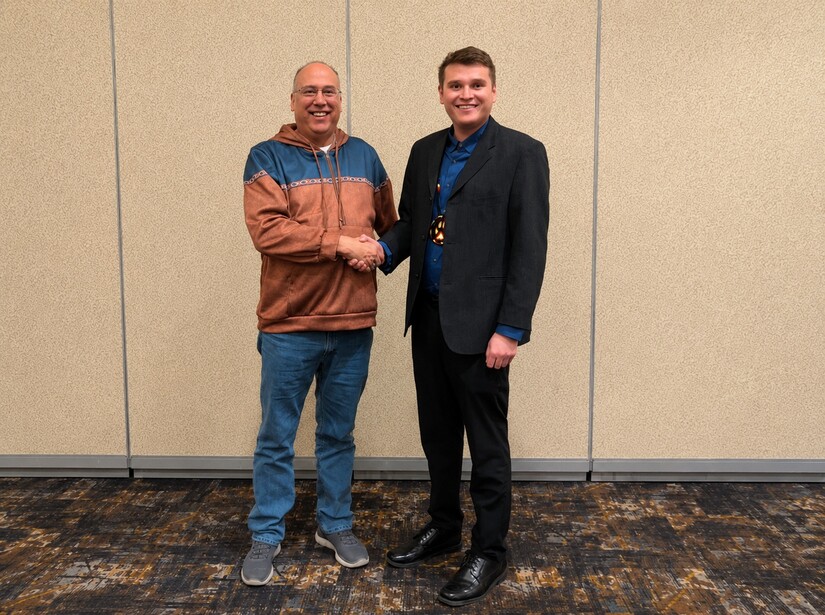
Dr. Luke Warnsholz: Strategic planning is incredibly important. I often describe it as a roadmap. A strategic plan gives people direction. It gives employees, leadership teams, and organizations a shared understanding of where they are trying to go. Without that roadmap, it becomes much more difficult to navigate uncertainty.
One of the most important lessons I have learned is that strategic planning cannot exist only at the executive level. Employees need to be involved. Directors need to be involved. Teams need to be involved. People support what they help create.
I strongly believe in investing in employees. When you invest in your people, they take care of the organization. That investment pays dividends over time.
Another important part of planning is understanding the world outside your organization. Leaders have to pay attention to markets, economic conditions, technology trends, and broader developments that may affect their communities. You have to understand what is happening around you. You also have to understand that plans will not always unfold exactly as expected. That is why flexibility matters. Sometimes Plan A works. Sometimes you need Plan B. Sometimes you need Plan C. The important thing is having a framework that allows you to adapt while continuing to move forward.
Good strategic planning is not about predicting the future perfectly. It is about preparing for multiple possible futures.
Editorial Note: That answer may have been one of the most revealing of the interview. Much of public discussion about leadership focuses on personality. Warnsholz consistently redirected attention toward systems. Processes. Teams. Structures. Planning. The conversation repeatedly returned to the idea that sustainable institutions are built collectively, not individually.
Tom Akaolisa: One of the most important conversations happening across Indigenous communities today involves balancing modernization with cultural identity, sovereignty, and community grounding. How do you personally navigate that balance between innovation and preserving the cultural and foundational values that communities hold deeply?
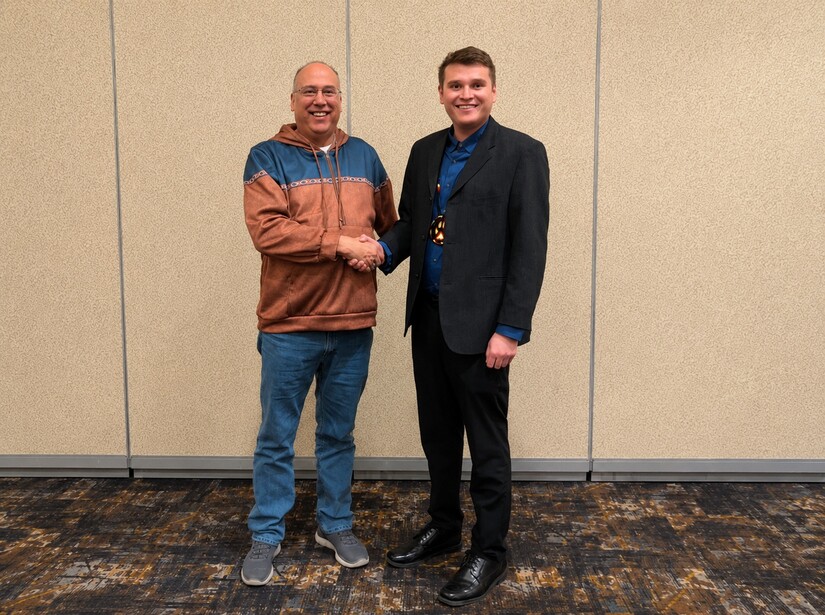
Dr. Luke Warnsholz: That is a very important question. It was actually one of the questions that emerged during my doctoral research as well. Communities have been wrestling with this issue for decades. How do you embrace change while preserving identity? How do you modernize without losing culture?
I believe technology can actually play a role in cultural preservation. Language revitalization is a good example. Many of our communities are working hard to preserve and strengthen their languages. Technology creates new opportunities for that work. Imagine language-learning applications. Interactive educational tools. Digital archives. Resources that allow younger generations to learn from elders and cultural experts. Those possibilities are exciting.
When many of our language resources were originally recorded, they were preserved on cassettes, recordings, and other formats available at the time. Today we have opportunities to expand access and reach more people. Technology can become a bridge. It can help preserve knowledge. It can help teach language. It can help connect future generations with their cultural heritage.
Of course, technology is only a tool. The culture itself remains the foundation. But I do think technology can help support that work in meaningful ways.
Editorial Note: For many readers, this may be the most unexpected part of the conversation. Public discussions often frame technology and tradition as opposing forces. Warnsholz sees them differently. He sees opportunities for collaboration between the two. The challenge, in his view, is ensuring that technology serves culture rather than replacing it. That distinction sits at the center of how he appears to think about modernization itself.
Tom Akaolisa: Leadership often comes with pressures and responsibilities that many people never fully see publicly. As someone operating within executive leadership and institutional spaces, what have been some of the biggest lessons you have learned about leadership through both difficult moments and successful ones?
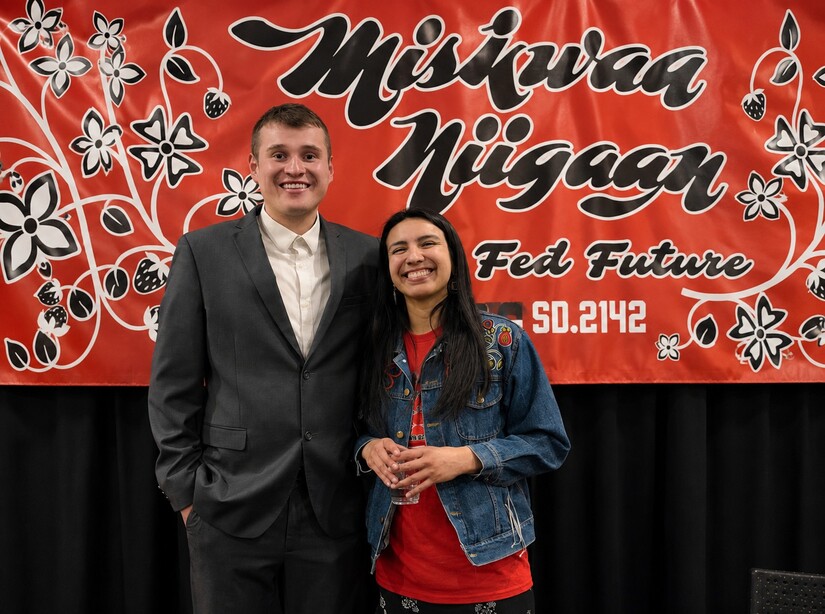
Dr. Luke Warnsholz: That is a great question. I would probably break it down into a few different lessons.
The first is not to be afraid. You are going to make mistakes. Every leader makes mistakes. But if fear controls your decisions, you will never move forward. Leadership requires courage. Sometimes you have to make difficult decisions without having every answer. Sometimes you have to take calculated risks. That is part of leadership.
The second lesson is to take care of your people. I have always believed that relationships matter. Good teams matter. Strong organizations are built by people who feel valued and supported. If you invest in people, they invest back into the organization.
The third lesson is to be your own best friend. Leadership can be lonely. In tribal government, just like in state government, federal government, or private organizations, there are going to be difficult days. There will be criticism. There will be disagreements. There will be moments where people question your decisions. You have to learn how to remain grounded.
And finally, take care of yourself. That may be one of the most important lessons of all. Take care of your physical health. Take care of your mental health. Exercise. Sleep. Eat well. Find balance. These jobs can be demanding. Sometimes leaders are the first to be blamed and the last to receive credit. That is simply part of the responsibility. But if you do not take care of yourself, eventually the job will take a toll on you.
Editorial Note: As he spoke, it became clear that these lessons were not theoretical observations. They were lessons learned through experience. Warnsholz belongs to a younger generation of tribal executives. At just twenty-nine years old, he has already spent years navigating leadership environments where expectations are high, public scrutiny is real, and decisions can have consequences for entire communities. That experience has given him a practical view of leadership. Not romanticized leadership. Not performative leadership. Practical leadership. The kind that requires showing up every day and continuing to move forward even when circumstances become difficult.
Tom Akaolisa: As we begin to close, I want to ask a future-focused question. When you think about younger Native and Indigenous leaders entering spaces like governance, technology, administration, and institutional leadership, what advice or encouragement would you want to leave with them? And ultimately, what kind of impact or legacy do you hope your own work contributes toward over time?
Dr. Luke Warnsholz: I would say first and foremost: be open to change. The world is changing constantly. Technology is changing. Organizations are changing. Communities are changing. You have to be willing to learn and adapt.
You also have to remember why you are there. You are there to serve. One thing I have learned over the years is how important it is to listen to people. I have always tried to return calls. That sounds simple, but it matters. People want to be heard. Sometimes they have concerns. Sometimes they have ideas. Sometimes they simply want to know that someone is listening.
I have always believed in returning the call. I have always believed in making myself available. Because when people feel ignored, problems often become bigger. When people feel heard, you can begin working toward solutions. I have developed friendships with many people who initially came to me with concerns or questions. Those relationships matter.
At the end of the day, public administration is service. Leadership is service. Our responsibility is to serve our members and do the best job we can.
I would also tell younger leaders to be fearless. You never know what challenges are coming. You never know who is going to walk through the door. You never know what situation is going to land on your desk. Hope for the best. Prepare for the worst. And embrace the opportunity while you have it.
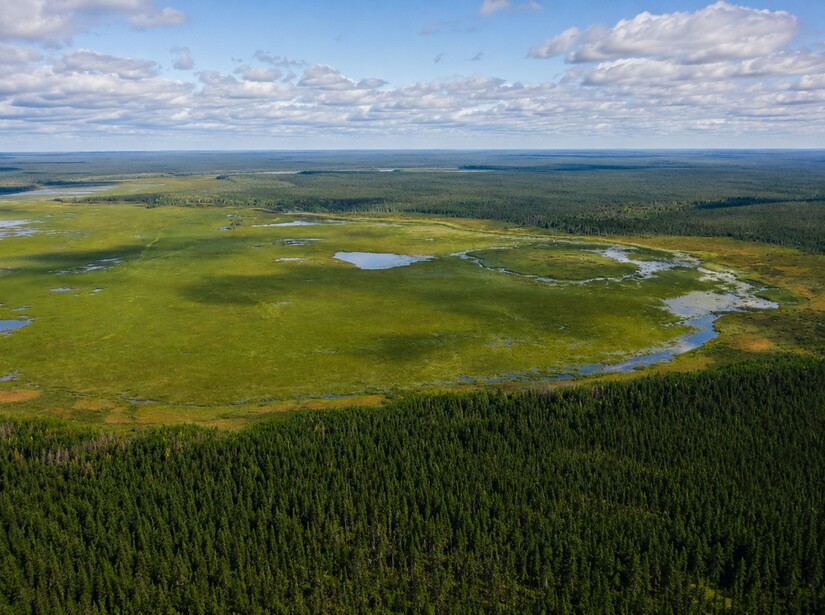
Throughout Minnesota, there are countless conversations about the future. Conversations about economic development. Conversations about technology. Conversations about workforce challenges, public policy, community growth, and institutional sustainability.
Yet some of the most important conversations involve questions that receive far less attention: How do communities preserve language while embracing technology? How do institutions modernize without losing their identity? How do leaders prepare future generations while honoring the generations that came before them? How do organizations remain adaptable without abandoning their core values?
Those are the questions sitting at the center of Dr. Luke Warnsholz's work.
His answers may not satisfy everyone. The future rarely arrives without disagreement, debate, or uncertainty. But throughout our conversation, one principle remained remarkably consistent: Stewardship.
Stewardship of people. Stewardship of culture. Stewardship of language. Stewardship of resources. Stewardship of institutions. And stewardship of opportunity.
In an era often dominated by short-term thinking, that perspective may be one of the most important contributions leaders can make. For Warnsholz, leadership is not simply about managing the present. It is about preparing communities for a future that is already beginning to take shape.
That future will almost certainly look different from the world in which he grew up in Mahnomen. Technology will continue evolving. Institutions will continue changing. New challenges will emerge. New opportunities will follow. Yet the principles he described throughout our conversation remain remarkably steady: Take care of your people. Protect what matters. Invest in the next generation. Remain open to change. And never forget that leadership is ultimately an act of service.
Those ideas may not fit neatly into a strategic plan or organizational chart. But they may be the most important leadership lessons of all.
Tom Akaolisa: Dr. Luke, I truly appreciate you taking the time to sit down with me today and share your experiences, your perspective, and your insights. I think this conversation is important because it gives people a deeper understanding not only of leadership, but also of the quiet institutional work involved in building systems, strengthening organizations, preserving culture, and helping communities move forward responsibly and sustainably. Thank you for joining me on Builders of Minnesota.
Dr. Luke Warnsholz: Thank you very much. I appreciate what you are doing. Keep up the good work. And if you ever need anything, I am always just a phone call away.
MinneapoliMedia | Community. Culture. Civic Life.



Sunny, with a high of 94 and low of 67 degrees. Sunny during the morning, clear overnight.