66° and Overcast
Image
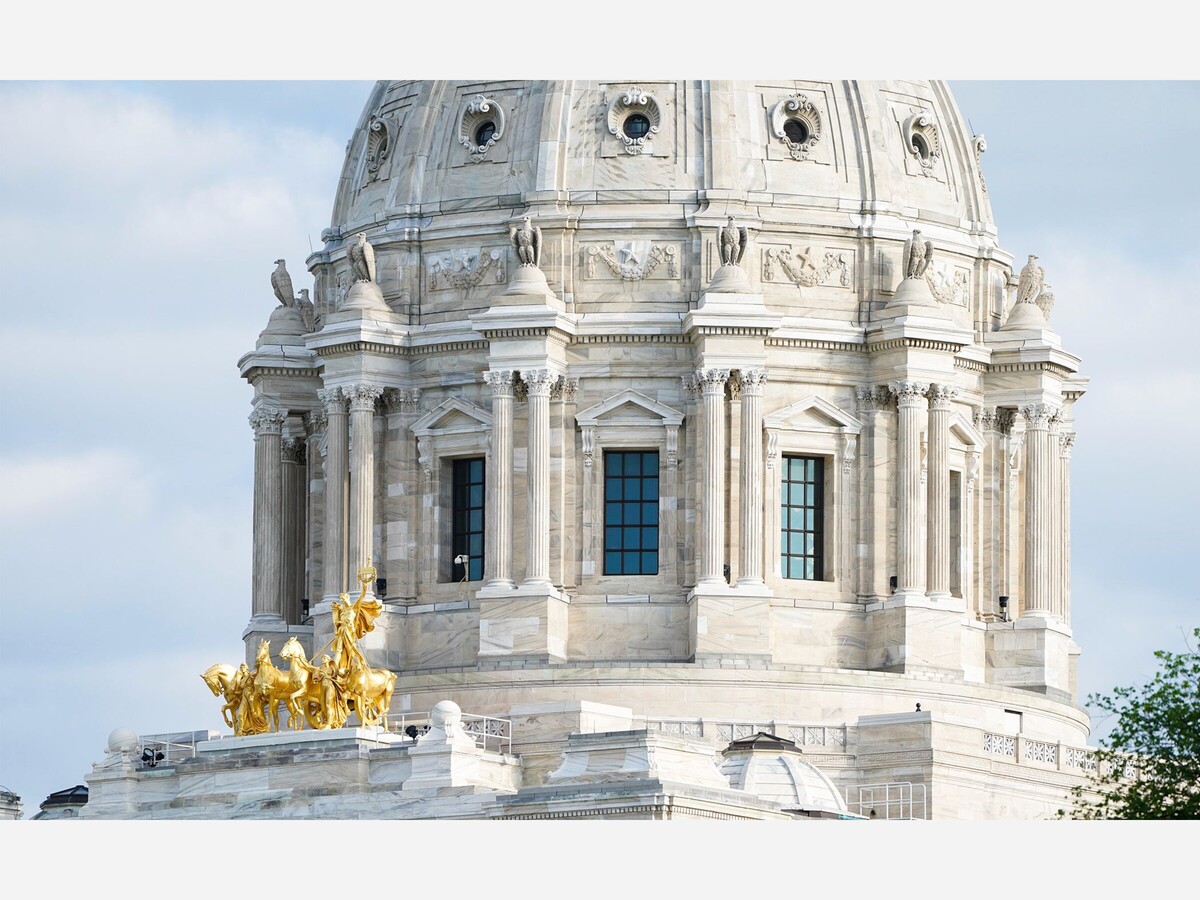



Less than three years after lawmakers sharply limited the use of suspensions for students in kindergarten through third grade, legislators are now weighing whether to partially reverse course. The shift comes amid mounting reports from school districts that early-grade classrooms are experiencing rising levels of physical aggression, staff injuries, and repeated safety disruptions.
At stake is not simply a disciplinary rule, but a broader question about how schools balance inclusion, safety, and the evolving realities of post-pandemic education.
In 2023, Minnesota enacted one of the nation’s most restrictive policies on early-grade discipline, largely prohibiting suspensions and expulsions for students in kindergarten through third grade. The law allowed exceptions only in cases involving serious and immediate safety threats.
The policy was rooted in longstanding research showing that exclusionary discipline at a young age can disrupt academic development, increase disengagement, and disproportionately affect students of color and students with disabilities.
Now, that framework is being tested.
Lawmakers are currently considering Senate File 2066, along with companion legislation in the Minnesota House, which would introduce a narrow but consequential adjustment.
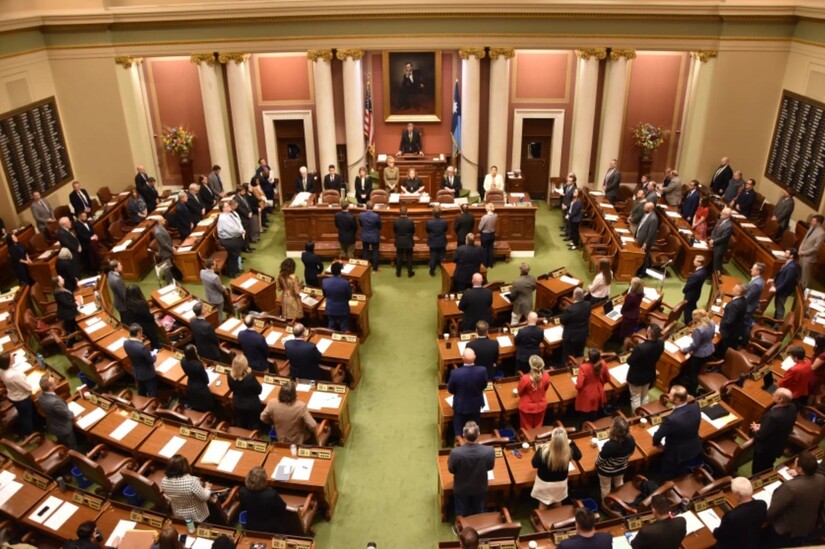
The legislation does not seek a full repeal. Instead, it introduces a targeted mechanism intended to give schools more immediate flexibility in volatile situations.
Under the proposal:
Supporters describe the measure as a necessary “pause button,” a limited intervention designed to restore order without abandoning the broader goals of the 2023 reforms.
But even that narrow adjustment has ignited a sharp and consequential divide.
No district has been more central to the legislative push than Anoka-Hennepin School District, the largest school system in the state.
Superintendent Cory McIntyre has presented lawmakers with data that illustrates a significant escalation in classroom incidents during the 2025–26 school year:
The figures represent a marked increase from the previous year, when 101 staff injuries were recorded across the district.
District leaders say the numbers reflect not only more frequent incidents, but more intense ones.
“The severity of behaviors among our youngest students is increasing,” McIntyre told lawmakers in recent testimony, adding that current restrictions leave schools with limited options when situations escalate beyond control.
McIntyre has also announced plans to conclude his tenure in June 2026, placing the issue at a pivotal moment of leadership transition within the district.
While lawmakers are working from aggregate data, it is individual incidents that have sharpened the urgency of the debate.
At Ramsey Elementary School, district officials have cited multiple high-impact events that illustrate the challenges educators are facing in real time.
In one case, a third-grade student struck Principal Denise Schnabel during a behavioral escalation, an incident that underscored the risks administrators themselves now face.
In another, a second-grade student caused extensive damage to classroom furniture and infrastructure, forcing school officials to close an entire wing of the building while repairs and safety assessments were completed.
Though such incidents remain relatively uncommon when viewed across an entire district, educators argue they are no longer isolated, and that their frequency is increasing in ways that strain existing systems of response.
The proposal has revealed a clear philosophical divide within Minnesota’s education policy landscape.
School districts, administrators, and many educators argue that the 2023 law, while well-intentioned, has left them without adequate tools to respond to dangerous situations.
Teachers and school leaders describe moments in which classrooms must be evacuated, learning is halted, and staff are placed at risk, with few immediate interventions available.
Supporters of the bill argue that:
For them, the proposed change is not about punishment, but about restoring balance.
Education advocates and civil rights organizations warn that even a limited rollback could reverse progress made in reducing disparities in school discipline.
Groups including Solutions Not Suspensions argue that exclusionary practices have historically been applied unevenly.
Data has consistently shown that African American students in Minnesota have been suspended at disproportionately higher rates than their white peers for similar behaviors, as well as students receiving special education services.
Opponents argue that:
They are calling instead for increased funding in:
To them, the issue is not whether classrooms are facing challenges, but how the state chooses to respond.
Underlying the debate is a broader transformation in student behavior following the COVID-19 pandemic.
Educators across Minnesota report that many young children entered school having missed key stages of social and emotional development. Combined with rising mental health needs and instability in home environments, classrooms are now absorbing pressures that extend far beyond academics.
In districts like Anoka-Hennepin, attendance has declined significantly from pre-pandemic levels, reflecting broader disengagement trends that educators say are closely tied to behavioral challenges.
What is unfolding is not simply a disciplinary issue, but a systemic one.
The future of Minnesota’s K–3 discipline policy now rests with lawmakers who must navigate competing priorities:
If passed, the proposed changes would mark a significant recalibration rather than a full reversal, introducing limited flexibility into one of the most restrictive early-grade discipline policies in the country.
For now, the debate continues at the Capitol, shaped by data, lived classroom experiences, and a shared recognition that the stakes extend far beyond policy language.
Inside Minnesota schools, the outcome will determine how educators respond in the moments when classrooms become unpredictable, and when the line between support and safety is tested in real time.
MinneapoliMedia | Community. Culture. Civic Life.



Patchy rain nearby, with a high of 66 and low of 53 degrees. Overcast in the morning, partly cloudy in the afternoon, clear in the evening, patchy rain nearby overnight.