59° and Partly Cloudy
Image
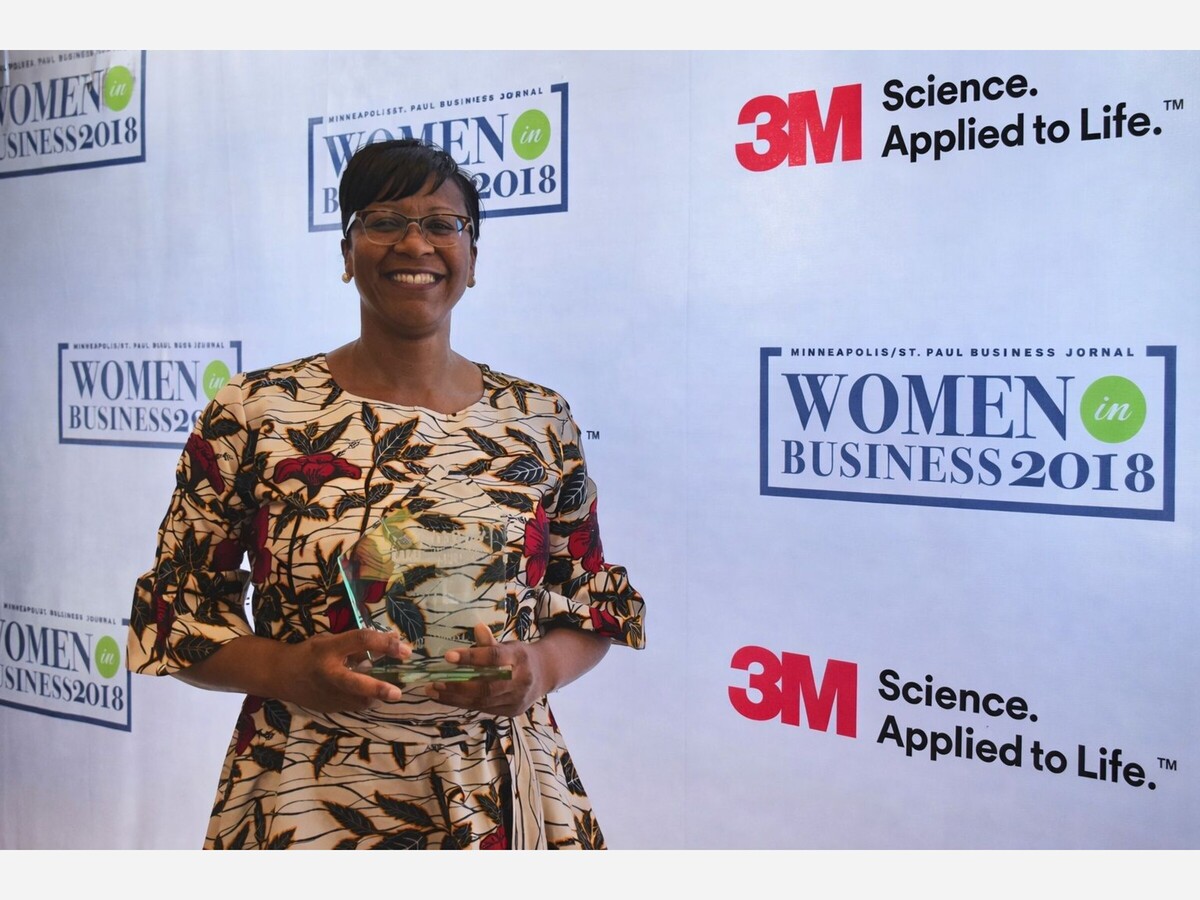



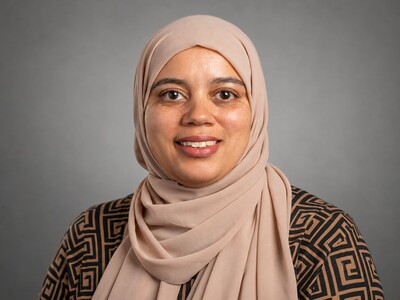
The interview was supposed to start at a desk. Instead, it begins in a car pulled to the side of a snow-slowed road, Dr. Artika R. Tyner composing herself between one obligation and the next. Someone has just appeared unexpectedly at her office door. Traffic is moving slowly across Minnesota. She does not cancel. She does not ask to reschedule.
That moment, minor and unremarkable, is also, in a specific way, the whole story. Her work has always proceeded under imperfect conditions. The conditions are not the point.
"The law is a language of power," she says, once the conversation finds its footing.
It is not a boast. It is a framework, one she has spent decades applying, testing, and translating for others. For Dr. Tyner, the law is not a destination. It is a tool for reading the world, and for remaking it.
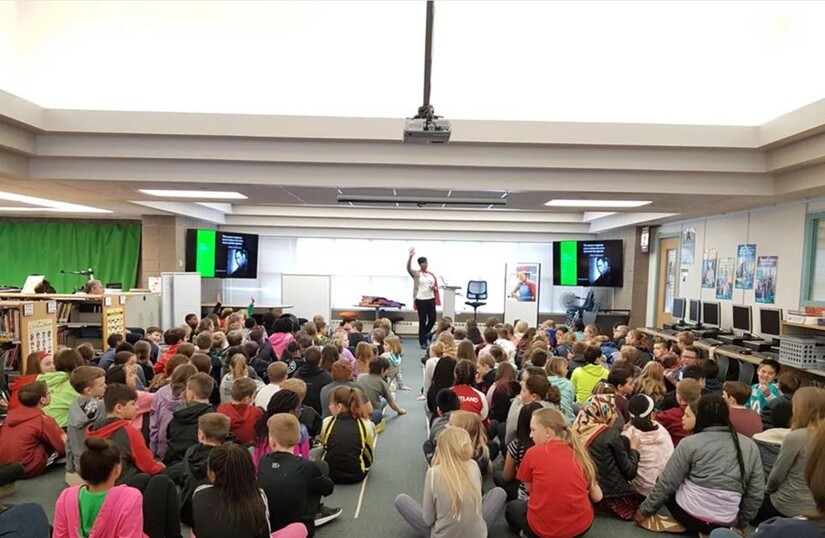
She was born and raised in the Rondo neighborhood of Saint Paul, a community most public narratives approach through the lens of loss: the construction of Interstate 94 in the mid-twentieth century, which cut through the neighborhood and displaced hundreds of families. That history is real. But it is not where Dr. Tyner begins.
"I knew very early on, being born and raised in Rondo, you have a clear sense of what injustice looks like," she says. But alongside that awareness was something equally formative: a community that provided structure, cultural grounding, and proximity to people who were already doing the work of dismantling barriers. She took music lessons at Walker West Music Academy, one of the oldest Black cultural institutions in the region. Youth development programs run by community figures emphasized discipline and growth.
She came to understand the policy decisions behind Interstate 94 later, during college, when she gained the language to name what she had previously known only through experience. But she resists the displacement narrative as a defining frame.
"We didn't define ourselves by displacement. We defined ourselves by our resilience and our power."
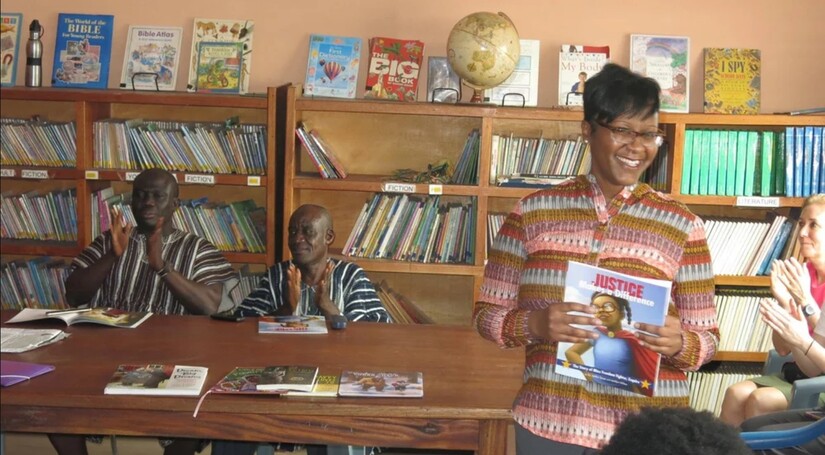
When Dr. Tyner talks about literacy, she is not talking about reading scores. She is talking about infrastructure, the kind that determines who gets access to opportunity and who does not.
"One in four American children struggle to read at grade level," she says. Children who are not reading proficiently by fourth grade are four times more likely to drop out of school. Those who drop out are three and a half times more likely to be arrested in their lifetime. She presents these statistics not as background detail but as an indictment of choices that have already been made.
"How can I say this and predict this, but we can't predict the strategies needed to make sure that all children are proficient in reading?" The question is rhetorical, but it carries a specific challenge: if the outcomes are knowable, then so are the interventions. The failure to act is itself a decision.
She expands the frame further. "Literacy is more than whether a child can decipher words on a page. It's about how you connect to words, how you connect to social action and purpose." Her own experience animates this. Growing up in Rondo, books gave her access to worlds beyond her immediate geography. "I lived all over the world through the pages of books," she says.
"It breaks my heart when I see children who cannot read proficiently because they can't enter that gift." The word gift is deliberate. It reframes literacy not as something imposed on students but as something owed to them.
Planting People Growing Justice did not begin with a strategic plan. It began with a conversation in a living room, the kind that identifies every problem and solves none of them, until Dr. Tyner redirected it.
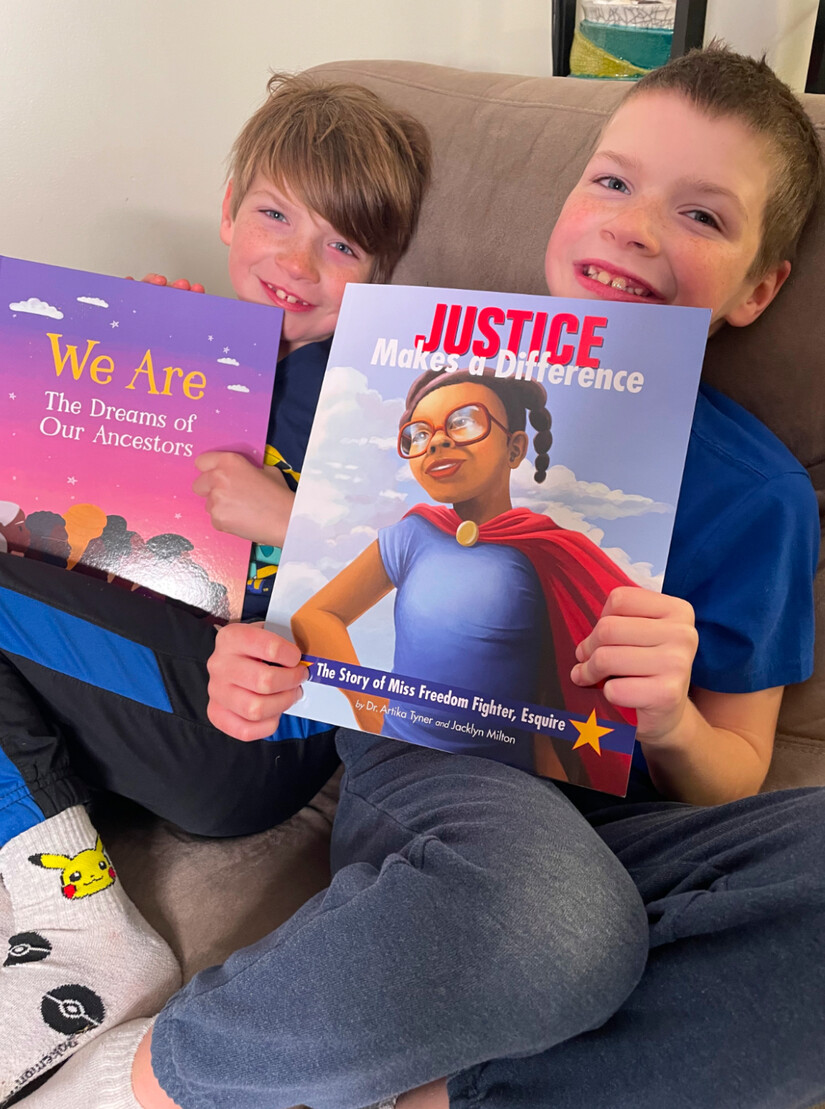
"When we see a problem, we create a solution." The group agreed on a concrete first step: write a book, print a thousand copies, finish a defined project. That effort produced Justice Makes a Difference: The Story of Miss Freedom Fighter, Esquire. The scope was narrow by design.
But the response it generated kept pushing outward. "Once we got started, people kept asking, what's next?" What began as a single project became a set of initiatives, and those initiatives became something larger: what she now calls an ecosystem of justice, where literacy connects to leadership, leadership connects to community engagement, and community engagement connects to policy.
The word ecosystem is precise. It implies interdependence, growth, and the idea that removing any single element weakens the whole. At the center of it is a specific orientation: not delivering services to communities, but building the capacity within them for people to reshape their own circumstances.
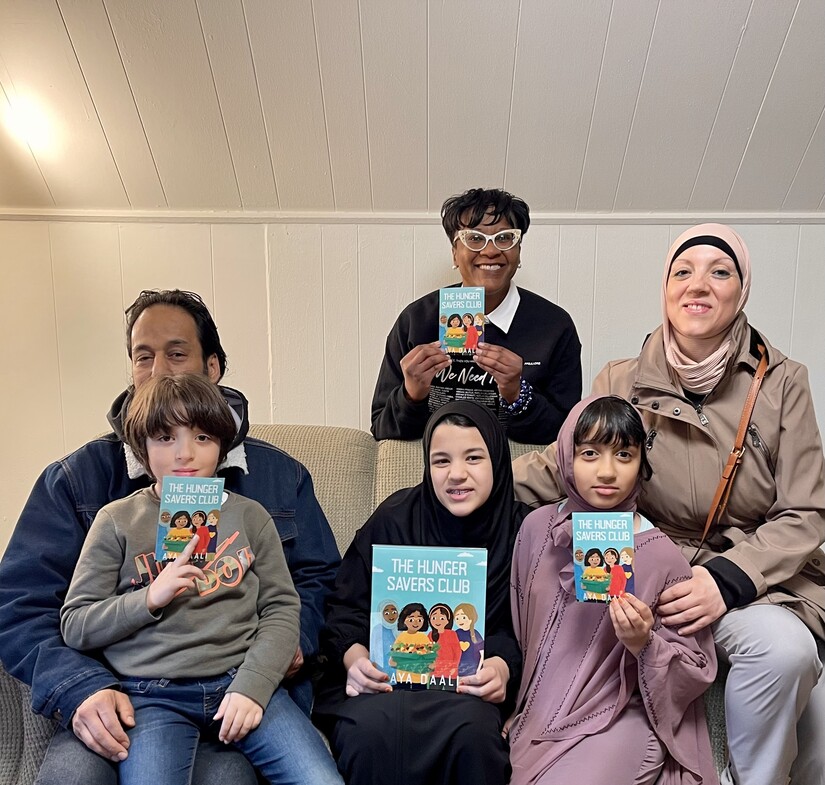
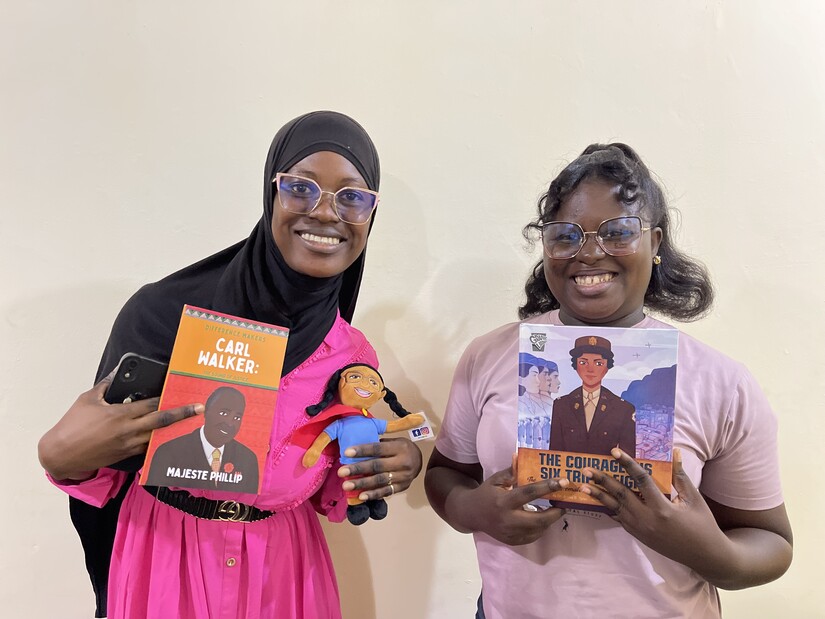
Through PPGJ Press, Dr. Tyner has worked to address gaps in representation in children's publishing. But she is clear-eyed about what that actually requires. "What does justice-centered publishing look like? It looks like the wholeness of humanity." That answer sounds expansive. The work behind it is granular.
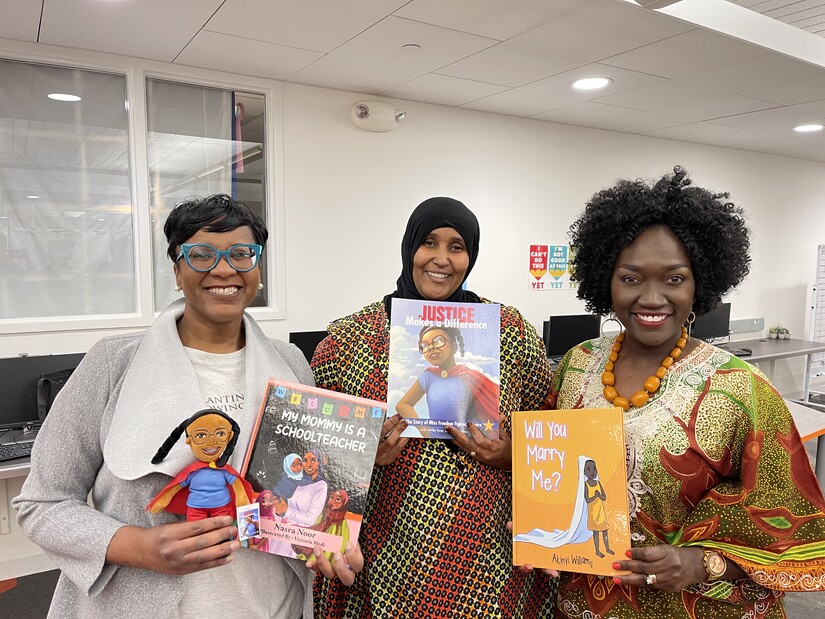
"This was one of the most difficult things I've ever had to do," she says, and she has done many difficult things. The challenge is not only producing books. It is building every piece of the infrastructure that surrounds them: training authors and illustrators, managing editing and design, navigating distribution in an industry not built for new entrants.
"The first 10,000 books we sold, I sold them by hand." She used pre-order sheets, like selling Girl Scout cookies she says, because that was the path available. The approach was not elegant. It worked.
To describe what she does, Dr. Tyner uses a term with a long and specific history. Social engineering. She is careful to note she did not invent it.
"The concept comes from none other than the legendary pioneering attorney Charles Hamilton Houston," she says. Houston, mentor to Thurgood Marshall, architect of the legal strategy that eventually dismantled segregation, defined social engineering as an integrated practice: law, policy, business, and economics working together to reshape systems toward justice. It was not about winning individual cases. It was about changing the terrain.
That is the lineage Dr. Tyner situates herself within. Her contribution, as she describes it, is translation: making the logic of these systems legible to people who have not encountered them with a map. Systems that appear fixed often do so because no one has explained how they were built. Once you understand that they were constructed, you can understand that they can be reconstructed. That shift in perception is where the work begins.
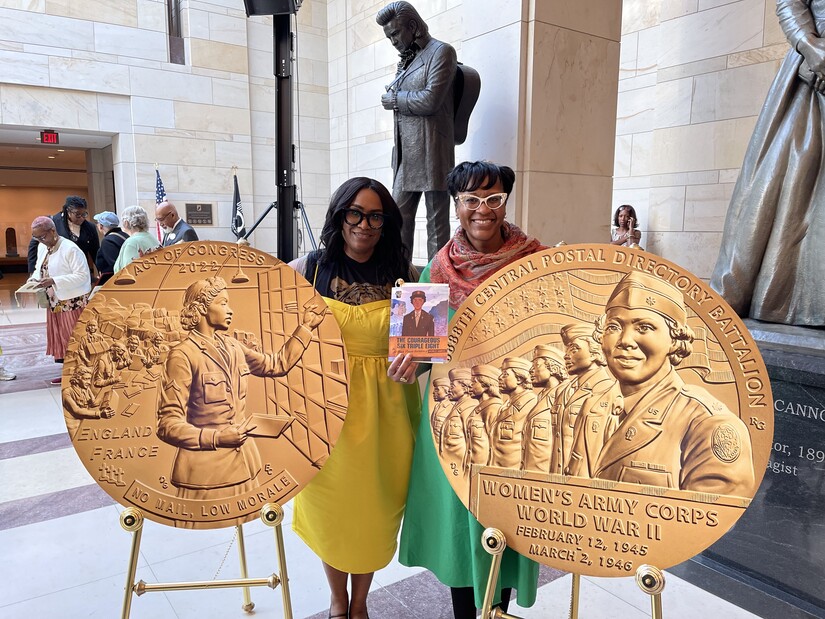
For a significant portion of her career, Dr. Tyner worked within established academic institutions, leading programs focused on race, leadership, and social justice, building platforms for influence within existing structures. Her decision to step away was not sudden. It emerged from a hard-won observation.
"Institutions evolve. Institutions can oppress. Institutions can misguide." She does not say this with bitterness. She says it with the precision of someone who has watched it happen and drawn the necessary conclusion: alignment with the work requires, at some point, accountability to something other than an institution's shifting priorities.
"It becomes important to have a sense of agency, to be accountable to your own destiny." Moving outside institutional structures meant losing their infrastructure, and taking on full responsibility for building her own. She does not describe the tradeoff as easy. She describes it as necessary.
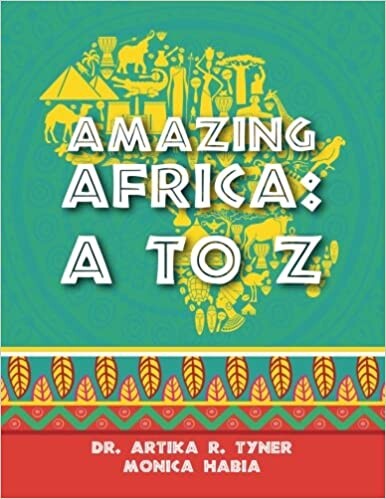
Her work extends beyond Minnesota. Engagement in Ghana, in education and STEM initiatives, has expanded how she thinks about leadership and scale. She draws on Kwame Nkrumah's ideas as part of that framework, and she situates her work within a diaspora that numbers, in her words, 1.4 billion strong.
"Not because we were born in Africa, but because Africa was born in us." The statement reframes the conversation about opportunity. New systems can be built when existing ones fail to serve, and the resources for building them are not limited by geography. They are defined by connection.
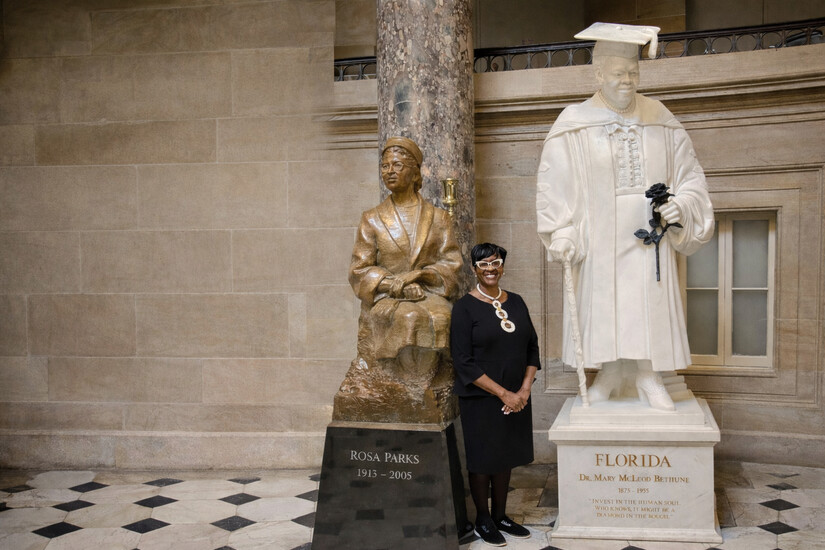
Sustaining this kind of work requires more than strategy. Dr. Tyner grounds herself in a verse from the book of Micah: seek justice, love mercy, walk humbly. She returns to it daily, as a framework for evaluation. What have you done for humanity? How have you helped someone else? The questions are simple. The accountability they create is not.
"This work requires stamina," she says, and stamina, in her definition, is more than endurance. It is the capacity to maintain clarity over the long arc, when progress is incremental and the distance between effort and outcome is hard to see.
"You have to have a future you won't live to see." That sentence defines the temporal frame of her ambition. The work is not measured in quarters or grant cycles. It is measured in generations.
She also credits solitude. "I'm an introvert. I can spend a lot of time by myself." That time is used for reading, for analysis, for the kind of sustained thinking that public-facing work rarely permits. It is not a retreat. It is refueling.
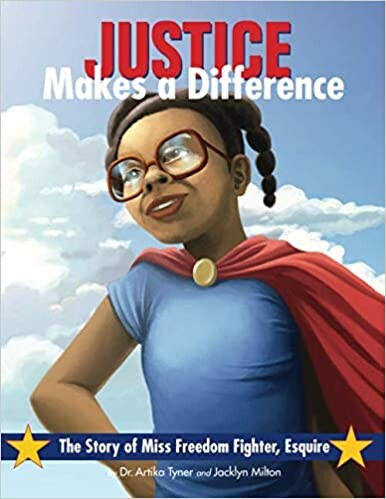
When asked about legacy, Dr. Tyner narrows the frame to something specific and demanding.
"I hope there's a young Artika that picks up one of our books and says, I see myself in that book." Recognition, in her telling, is not abstract: it is a turning point. But recognition alone is not enough. "I see the possibilities. I see the potential. But more importantly, I've got a blueprint on how to get started."
She measures her own effectiveness the same way. "My impact is only as effective as the people I help discover their leadership." It is a definition that moves the measure of success from the individual to the collective, from what she has built to what others go on to build because of it.
"It's not just one person, not just one organization. It's a legacy of the African diaspora. We've always done the impossible." The statement is not triumphalism. It is historical memory pressed into the service of the present.

Asked to name women whose leadership deserves recognition, she pauses. "There are so many." She settles on two.
Judge LaJune Lange, she says, has spent her career building toward future generations, working across legal education, community engagement, and global citizenship in a way that reflects the integrated approach Dr. Tyner herself practices. Leadership measured not by direct achievement but by who it produces.
Victoria Davis she describes as a champion of affordable housing, someone who shaped systems so that families did not have to choose between paying their bills and having stable shelter. The connection is personal. "My early scholarships when I was a first-generation student to go to college, she organized those through the Urban League."
"I wouldn't be here without those African American women. They not only encouraged me: they paved the way for me." Progress, in her telling, is always cumulative. Always built on what others laid down first.
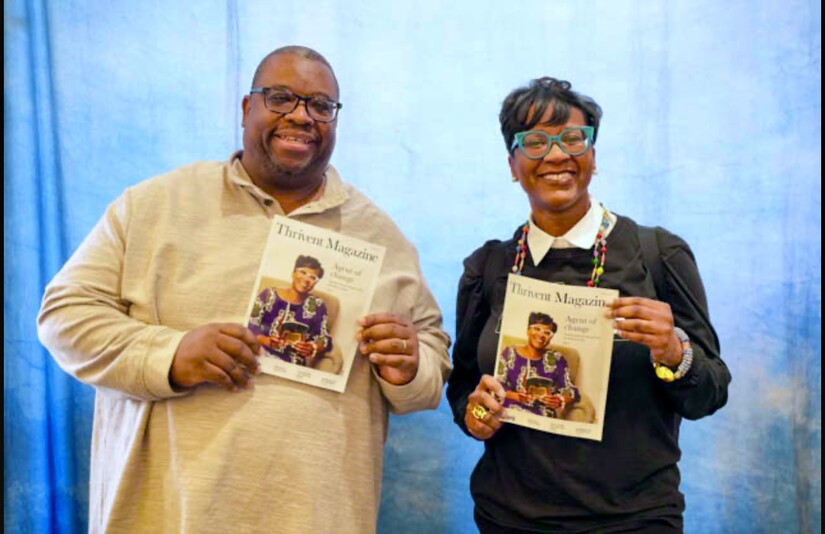
The call ends where it began, between appointments, the snow still falling, the day still full. Before signing off, she mentions that her organization hosts a monthly gathering: community members, books, conversation, intergenerational learning. The kind of access that shaped her own path, kept in motion.
The framework she has laid out over the course of the conversation is not abstract. The law as a language of power. Literacy as infrastructure. Leadership as the practice of developing other leaders. Systems as constructs that can be understood, and therefore changed.
"My students give me hope," she says, when asked where optimism comes from. "There will always be new generations of students that are hopeful and engaged." She does not position herself as the author of what comes next. "I hope to be a part of their journey."
Then she returns to the day. The work does not pause.
MinneapoliMedia | Community. Culture. Civic Life.

Sunny, with a high of 66 and low of 46 degrees. Overcast in the morning, sunny in the afternoon, clear during the evening, cloudy overnight.