68° and Clear
Image



Volunteer-powered organization leaves behind a legacy measured in second chances, transformed lives, and thousands of animals who found homes across Minnesota and beyond
MINNEAPOLIS, MN (June 5, 2026) For nearly two decades, Wags & Whiskers Animal Rescue of Minnesota occupied a unique place in the state's animal welfare landscape.
It operated without a shelter.
Without kennels.
Without a central facility.
Instead, it relied on something less visible but no less powerful: a network of volunteers willing to open their homes, hearts, and lives to animals in need.
That chapter is now coming to an end.
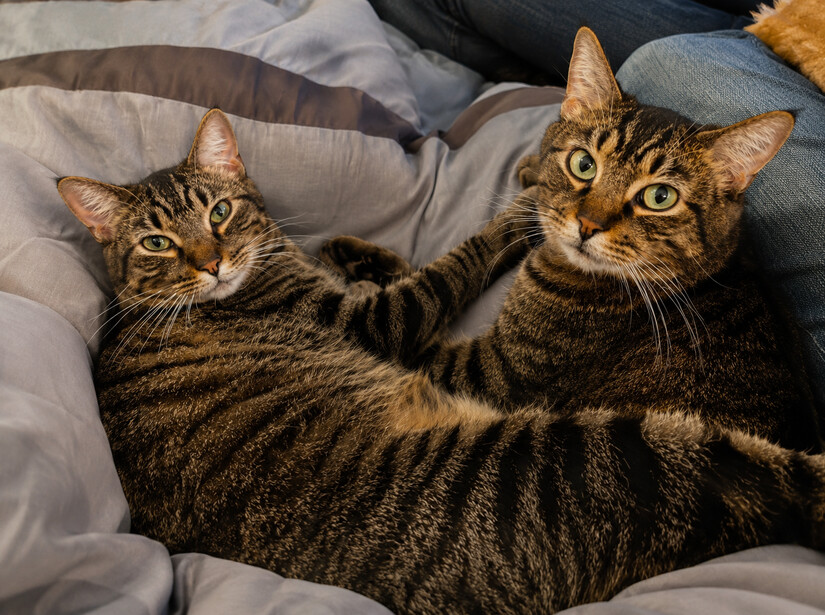
Wags & Whiskers Animal Rescue of Minnesota announced Thursday that it will permanently cease operations after 17 years of service, bringing to a close one of the Twin Cities region's longest-running foster-based rescue organizations.
The announcement, shared with supporters through social media and the organization's communication channels, described the decision as one reached only after extensive reflection and "deep heartbreak and sadness."
"After much thought and reflection, we are saddened to share that Wags & Whiskers Animal Rescue will be closing its doors," the organization said. "This decision was made only after careful consideration and comes with deep heartbreak and sadness."
The closure marks the end of an organization that, according to rescue leaders, helped more than 12,000 animals find permanent homes during its lifetime.
For thousands of Minnesota families, the announcement felt deeply personal. Within hours, social media became a living archive of memories as adopters, foster families, volunteers, donors, veterinarians, photographers, transport drivers, and animal advocates reflected on the rescue's impact.
The stories stretched across more than a decade and a half of animal welfare work: dogs rescued from overcrowded Southern shelters, cats saved from uncertain futures, animals overcoming illness, abandonment, neglect, and displacement, and families whose lives changed the moment those animals arrived home.
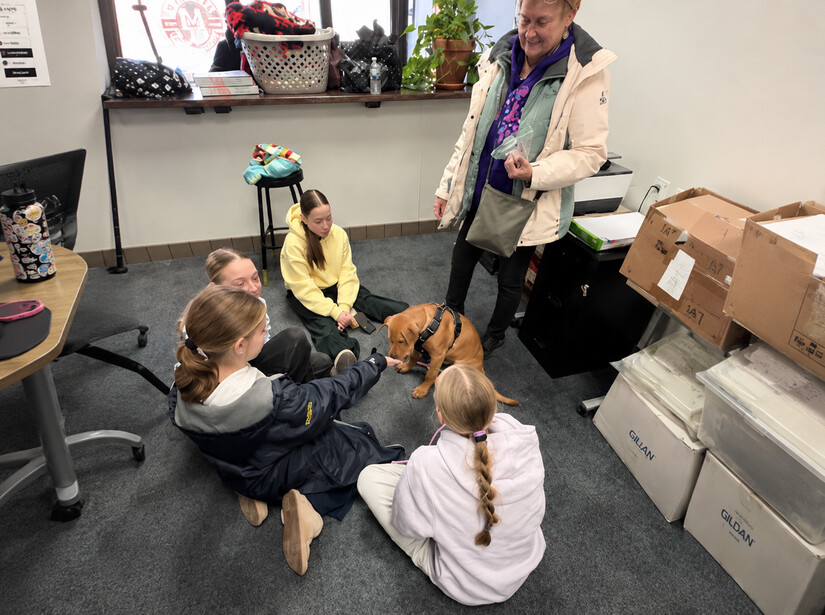
Founded in 2009 as a nonprofit 501(c)(3) organization, Wags & Whiskers embraced a foster-based rescue model that distinguished it from traditional animal shelters. Rather than housing animals in a single facility, the organization relied entirely on volunteer foster homes throughout Minnesota.
Animals awaiting adoption lived with foster families who provided daily care, socialization, training, transportation, and medical support.
The model offered advantages that many animal welfare professionals view as particularly beneficial. Foster caregivers were able to observe animals in real-world home environments, gaining insight into temperament, energy levels, behavioral patterns, compatibility with children, interactions with other pets, and special care needs. Those observations often helped create stronger matches between animals and prospective adopters.
Over time, Wags & Whiskers developed foster networks throughout the Twin Cities metropolitan area while also supporting volunteers and adopters in communities surrounding Duluth, Rochester, Mankato, and other parts of Minnesota. The organization became known not only for facilitating adoptions but also for building a large community of volunteers committed to animal welfare.
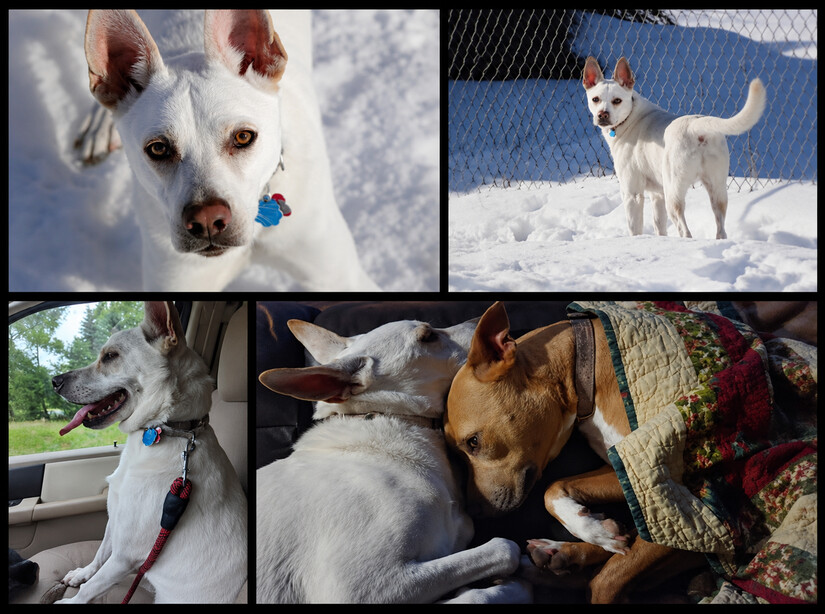
The organization's announcement emphasized a remarkable milestone: more than 12,000 animals rescued, rehabilitated, fostered, and adopted since its founding. For rescue professionals, that number represents years of unseen labor.
Every rescue animal requires transportation, veterinary evaluations, vaccinations, medical treatment, behavioral assessments, foster placement, adoption screening, and ongoing support. Many arrive carrying histories that are unknown or difficult to reconstruct.
Some come from overcrowded shelters operating at capacity. Others arrive through owner surrenders, emergency situations, cruelty investigations, or interstate rescue partnerships.
Wags & Whiskers became particularly known for participating in transportation networks that brought animals from regions experiencing severe shelter overcrowding into Minnesota, where adoption demand often exceeded the number of available animals.
Many adopters recalled welcoming dogs transported from Arkansas and other Southern states. Others remembered animals arriving from Puerto Rico through partnerships with independent rescuers and advocates working to address large populations of homeless dogs.
The rescue's work reflected a broader trend within American animal welfare, where interstate transport partnerships have increasingly become an important strategy for reducing euthanasia rates and connecting adoptable animals with available homes.
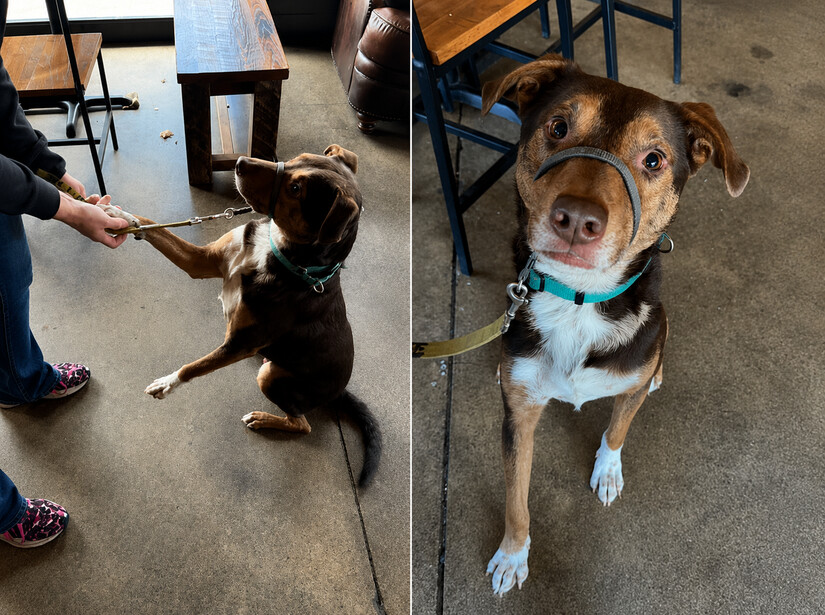
While announcing its closure, Wags & Whiskers stressed that its first priority has been ensuring the continued welfare of every animal still under its care.
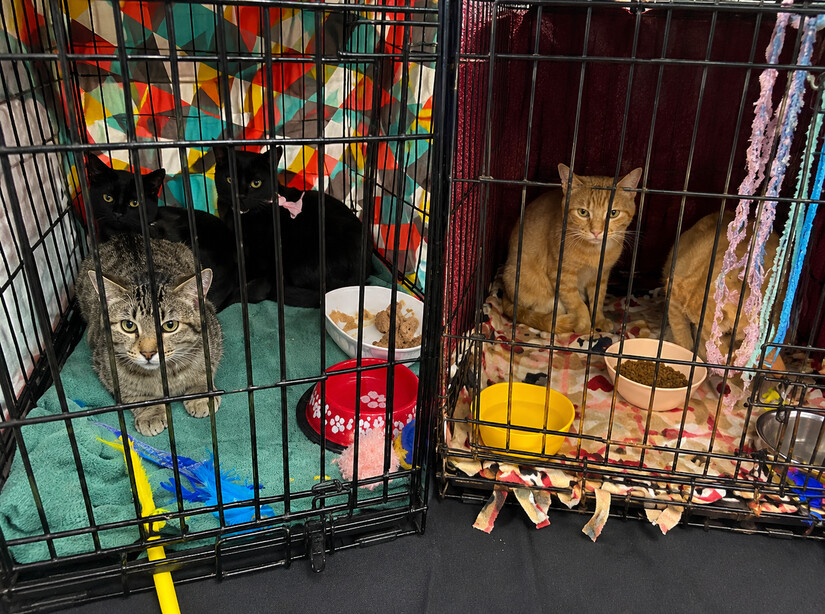
"Our top priority during this transition was ensuring the continued safety and well-being of the animals in our care," the organization said. "We have worked diligently to place each one with another local 501(c)(3) animal rescue, and the rest have found their forever homes."
That assurance provided comfort to many supporters concerned about what would happen to animals still in the rescue's foster system. Animal welfare experts often note that one of the most challenging aspects of any nonprofit rescue closure is safely transitioning animals without disrupting their care.
According to the organization, those efforts have now been completed through a combination of direct adoptions and transfers to partner rescue organizations.
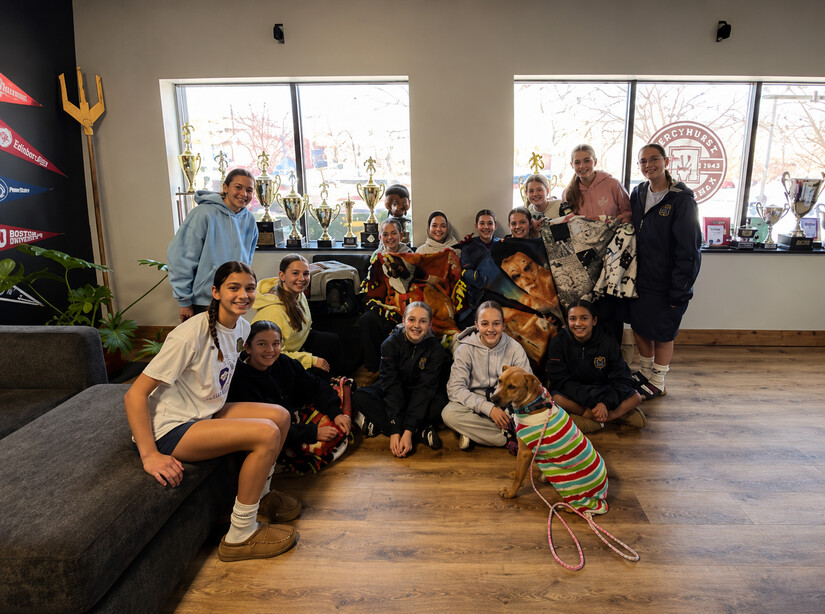
The emotional response to the announcement quickly revealed that Wags & Whiskers' legacy extends far beyond adoption statistics. Comment after comment told stories of dogs and cats who became family members.
Some adopters shared photographs of animals who had recently passed after spending a decade or more in loving homes. Others credited the organization with introducing them to rescue work for the first time.
Many recalled what rescue communities affectionately call "foster failures," meaning animals originally intended for temporary care who ultimately became permanent members of the household.
Former foster volunteer Tara Michelle reflected on helping more than fifty dogs find homes over seven years before adopting one of her own foster dogs, Cora.
"This girl came to me at eight months old from humans who failed her," she wrote. "She successfully overcame heartworm and has been my heart and soul."
Lindy Jane, another longtime volunteer, estimated that she fostered more than one hundred puppies and mother dogs during nearly five years with the organization. She described the experience as one of the most rewarding chapters of her life.
Joe Briol, a volunteer photographer who helped create adoption profiles for rescue animals, remembered the people behind the mission as much as the mission itself.
"Wags is a great organization," he wrote. "It was one of the nicest bunch of people I could ever volunteer my time with."
Together, the comments painted a portrait of a rescue organization whose impact reached well beyond animal placements. It built relationships, it created friendships, it developed future advocates, and it inspired others to continue the work.
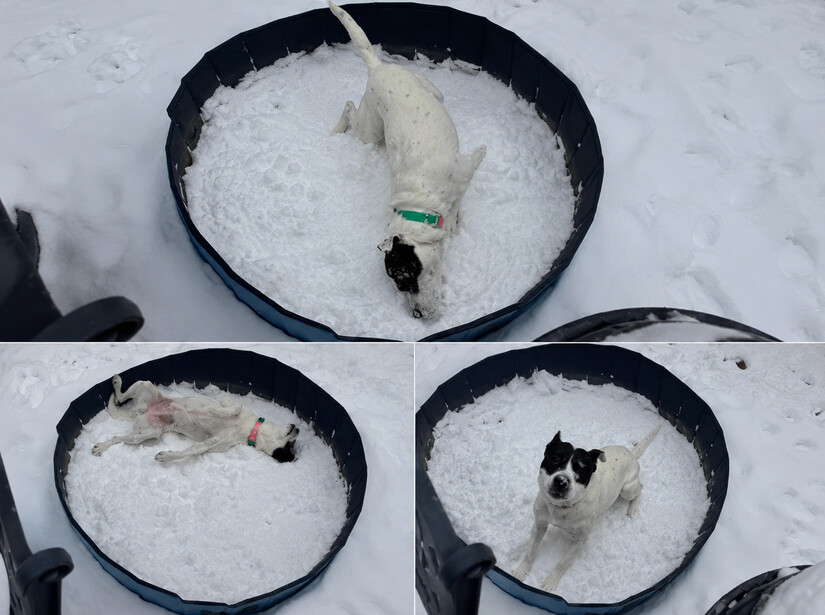
Among the most striking responses came from Anne Dreier Jackson, who recounted adopting a dog named Chica after Wags & Whiskers coordinated the animal's transport from Puerto Rico in 2017. The experience ultimately led Jackson to establish her own rescue effort focused on helping homeless dogs in Puerto Rico.
According to Jackson, that organization has since found homes for nearly 700 dogs.
Her story illustrates how the influence of rescue organizations often extends beyond the animals they directly save. Successful rescues frequently inspire new volunteers, new foster families, and even entirely new organizations dedicated to animal welfare. In that sense, the legacy of Wags & Whiskers is likely to continue through countless people whose involvement in rescue began with a single adoption, foster placement, or volunteer opportunity.
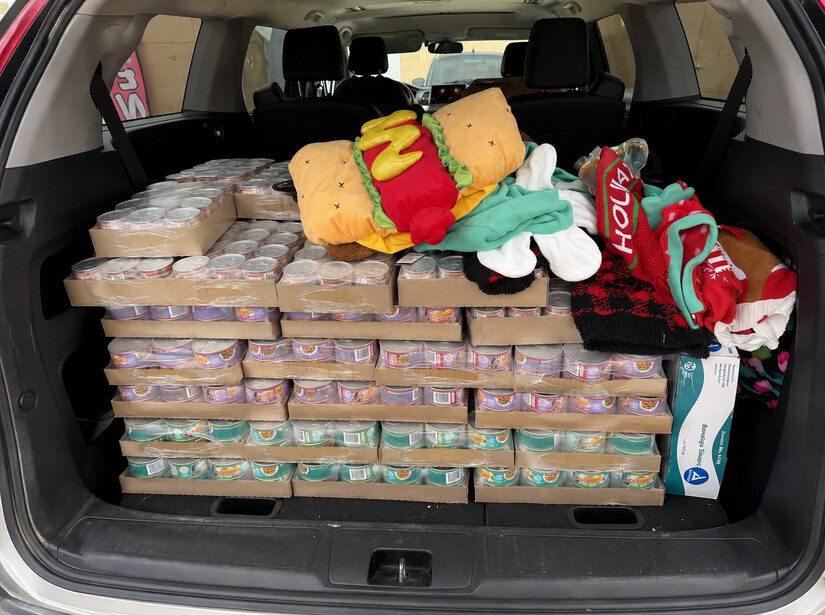
Although Wags & Whiskers did not identify a specific reason for its closure, the announcement arrives during a period of significant challenges for animal welfare organizations nationwide.
Shelters and rescues across the United States have reported increasing operational pressures in recent years, including rising veterinary costs, shortages of foster homes, volunteer burnout, increased owner surrenders, and fluctuating adoption rates.
Animal welfare leaders have also pointed to the long-term effects of the COVID-19 pandemic, which altered adoption patterns, volunteer availability, fundraising capacity, and organizational resources throughout the nonprofit sector.
Against that backdrop, sustaining a volunteer-driven rescue operation for nearly two decades represents a significant accomplishment. The organization's farewell message acknowledged the often unseen work performed by rescue volunteers every day.
"A special thank you to those who continue to dedicate their lives to saving animals in need," the organization wrote. "Only you truly understand what it takes behind the scenes, every minute of every day, to do what's right for these animals."
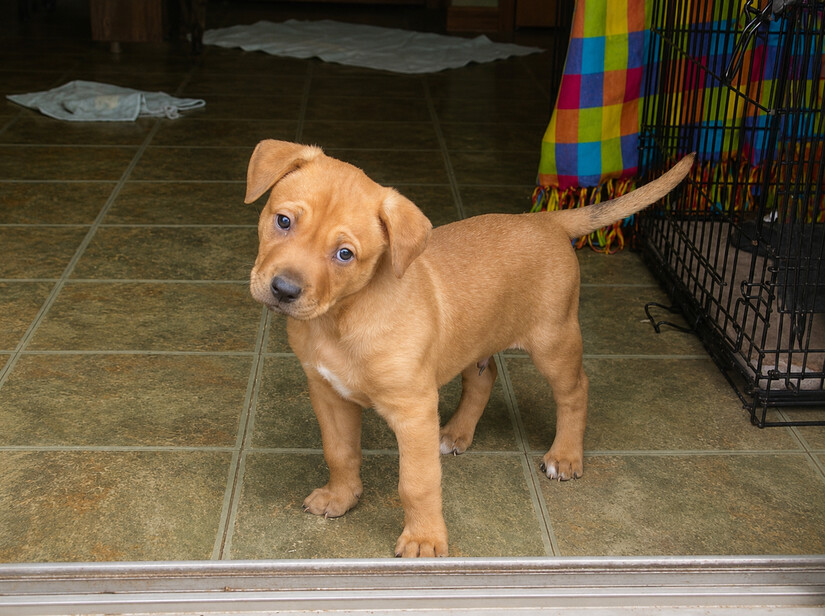
The closure of Wags & Whiskers marks the end of an organization, but not the end of its influence.
Across Minnesota, dogs are still greeting families at front doors because of the rescue's work. Cats are still sleeping in windowsills because someone chose to foster instead of walk away. Children are still growing up alongside animals that once faced uncertain futures.
Thousands of homes continue to carry the legacy of an organization built on compassion, volunteerism, and the belief that every animal deserves a second chance.
For 17 years, Wags & Whiskers served as a bridge between animals in need and families willing to love them. Its operations may be ending, but the lives it changed will continue long after the final adoption file is closed.
As the organization wrote in its farewell message: "While this chapter is coming to a close, the impact of this community will live on in every animal saved and every life changed."
For more than 12,000 animals and the people who welcomed them home, that impact is already part of the family.
MinneapoliMedia | Community. Culture. Civic Life.



Sunny, with a high of 94 and low of 67 degrees. Sunny during the morning, clear overnight.