42° and Clear
Image
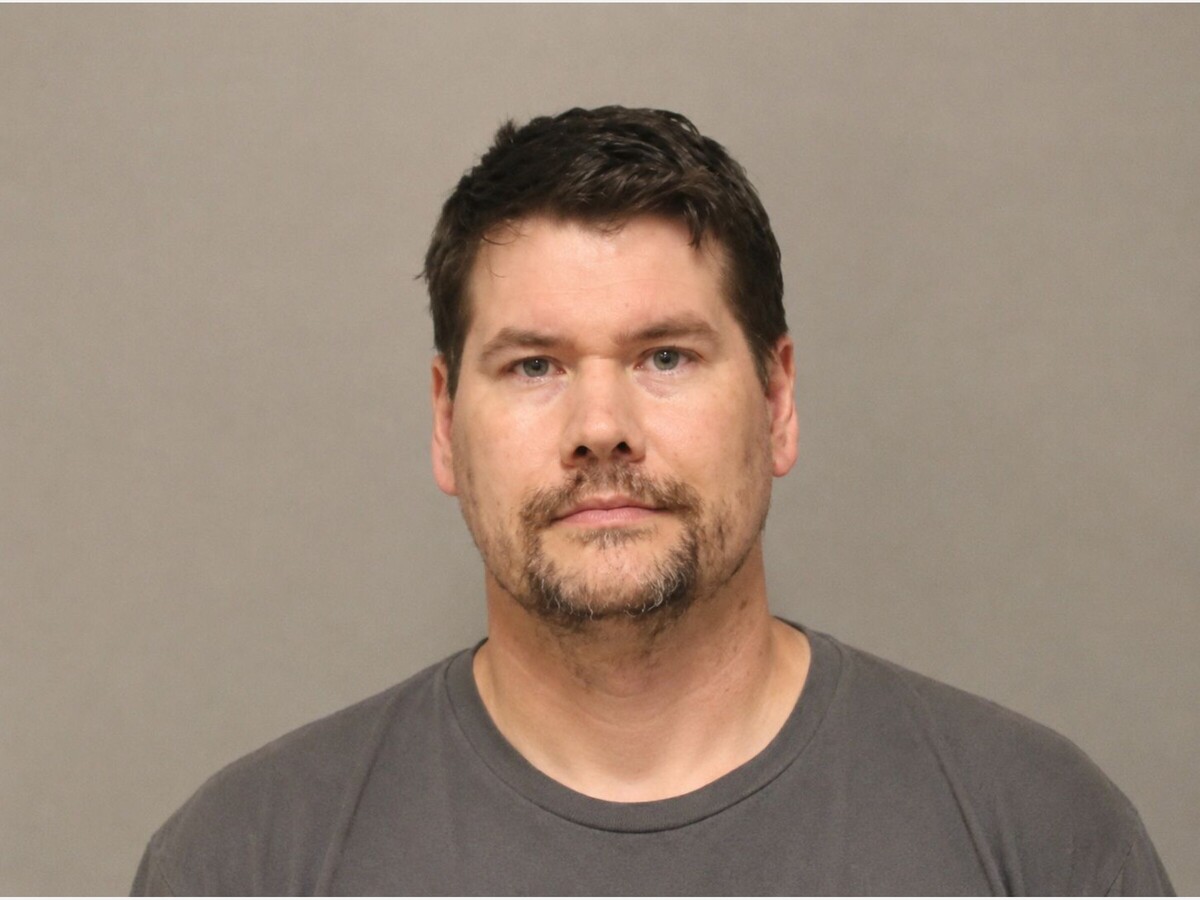



According to a Statement of Probable Cause filed June 4 in Anoka County District Court, 44-year-old John David Lindquist was taken into custody after investigators said he admitted to creating multiple sexually explicit images involving children through the use of an AI image-generation application and acknowledged responsibility for material uncovered during the investigation.
The criminal case, filed under court number 02-CR-26-3416, highlights a rapidly evolving challenge confronting law enforcement agencies nationwide as artificial intelligence tools become increasingly capable of generating realistic images and videos that exploit or depict children.
The investigation began on June 1, when the Minnesota Bureau of Criminal Apprehension received a cybertip from Google. According to court records, the technology company reported that a user account had uploaded 798 images and videos suspected of containing child sexual abuse material.
As part of its reporting process, Google suspended the account and provided subscriber information to investigators. Court documents state that the account was subsequently linked to Lindquist, a resident of Columbia Heights in Anoka County.
Investigators reviewed portions of the reported content and identified seven images in particular that appeared to depict children engaged in sexual activity with adults, according to the probable cause statement. Metadata associated with those files allegedly suggested that the material may have been created by the account holder rather than merely downloaded or shared.
The following day, June 2, BCA agents executed a search warrant at Lindquist's place of business and conducted a Mirandized interview.
According to the court filing, Lindquist admitted during questioning that he had created all seven of the images and videos identified by investigators.
The probable cause statement alleges that Lindquist told investigators he had been experimenting with an artificial intelligence image-generation application and had "taken it too far." He reportedly acknowledged locating photographs of children online and uploading them into the application so that their clothing could be digitally modified or removed.
Investigators further alleged that Lindquist admitted understanding that the conduct was illegal and accepted sole responsibility for creating the images.
The case became more serious when investigators questioned Lindquist about a specific video recovered during the investigation.
According to the probable cause statement, law enforcement personnel confronted Lindquist about a recording that appeared to depict an adult male placing his genitalia against the feet of a young boy.
Court records state that Lindquist admitted the video depicted himself and his 5-year-old son.
Investigators noted that Lindquist has two children under the age of five.
According to the filing, Lindquist told investigators that the video was recorded on May 13, 2026, at his Columbia Heights residence. The probable cause statement further alleges that he stated he had awakened with an erection and was "bored," which led to the conduct. While denying that he was sexually attracted to children, Lindquist allegedly told investigators that he was drawn to what he described as the taboo nature of the act.
Following the interview, authorities placed Lindquist under arrest.
The allegations outlined in the criminal complaint emerge as law enforcement agencies across Minnesota and the nation confront a growing volume of cases involving artificially generated child sexual abuse material.
Federal authorities, including the Federal Bureau of Investigation and the National Center for Missing and Exploited Children, have repeatedly warned that advances in generative artificial intelligence are creating new avenues for the production of exploitative content. Investigators have increasingly encountered cases involving the manipulation of authentic photographs of children through AI-powered software capable of generating realistic sexualized imagery.
Minnesota lawmakers, prosecutors, and child-protection advocates have likewise raised concerns about the technology's potential to accelerate exploitation while complicating traditional investigative methods. Unlike conventional child pornography cases, AI-generated material may involve altered photographs, synthetic imagery, or a combination of authentic and computer-generated content, creating new legal and forensic challenges.
Despite those emerging complexities, prosecutors have maintained that images generated through artificial intelligence can still constitute criminal child sexual abuse material when they depict minors in sexually explicit situations or involve the manipulation of real children's images.
The criminal allegations against Lindquist remain accusations at this stage of the judicial process.
A probable cause statement reflects allegations presented by investigators and prosecutors to support criminal charges. Those allegations have not been proven in court, and Lindquist is presumed innocent unless and until proven guilty beyond a reasonable doubt.
Court proceedings in Anoka County District Court are expected to continue in the coming weeks as prosecutors pursue the case and additional evidence is reviewed through the judicial process.
Anyone who suspects child exploitation or child sexual abuse material can report it through local law enforcement agencies or the CyberTipline operated by the National Center for Missing and Exploited Children.
MinneapoliMedia | Community. Culture. Civic Life.


Sunny, with a high of 60 and low of 41 degrees. Sunny in the morning, overcast during the afternoon and evening, clear overnight.