Image
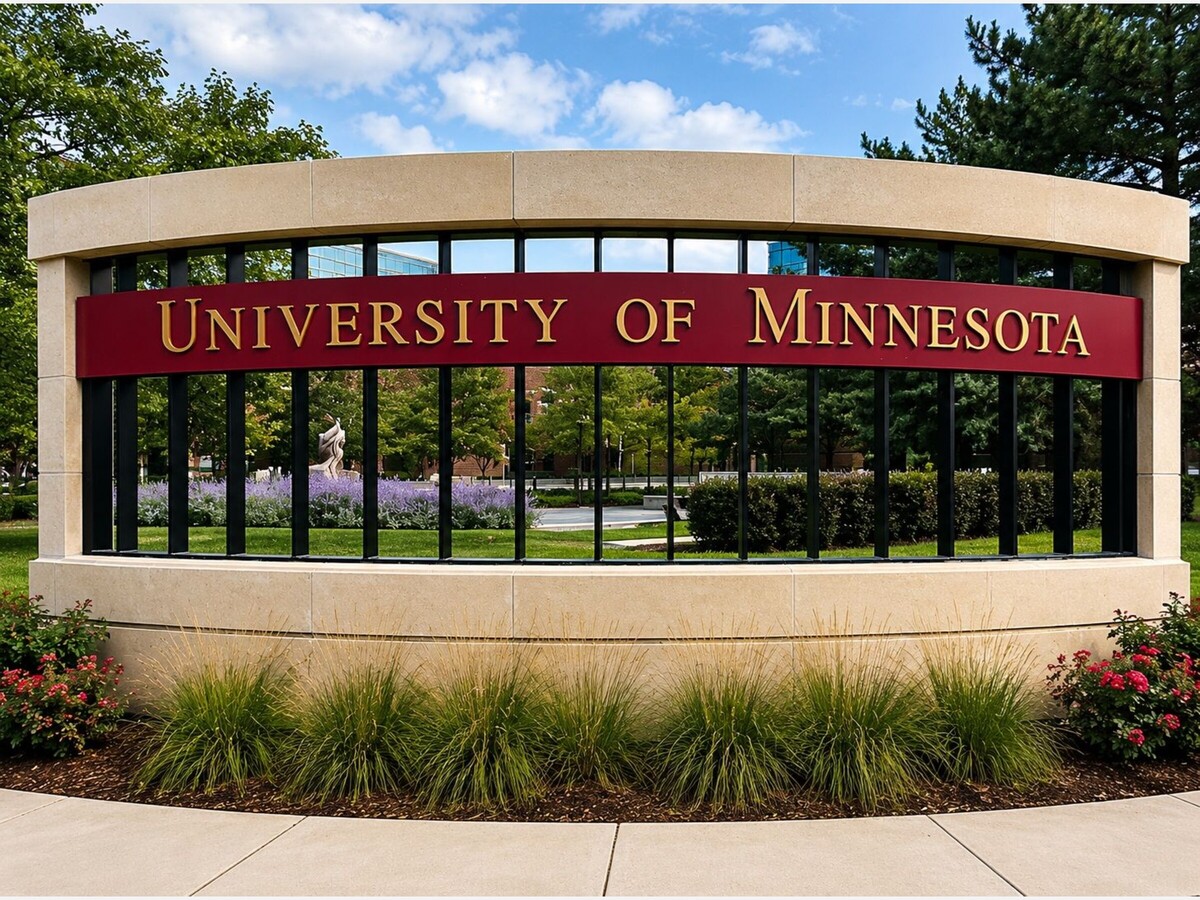



The proposal, now under review by the University of Minnesota Board of Regents, would raise tuition rates for Minnesota resident students while preserving financial aid programs and supporting university operations that administrators say are increasingly strained by inflation, rising employee benefit costs, and stagnant public funding.
University officials characterize the increase as an effort to maintain affordability while preserving academic quality, workforce competitiveness, research capacity, and student support services across the institution's five-campus system.
The proposal is scheduled for a final vote by the Board of Regents on June 26 as part of the university's broader operating budget package for fiscal year 2027.
At its core, the debate reflects a challenge confronting public universities nationwide: how to absorb rising costs without shifting an unsustainable burden onto students and families.
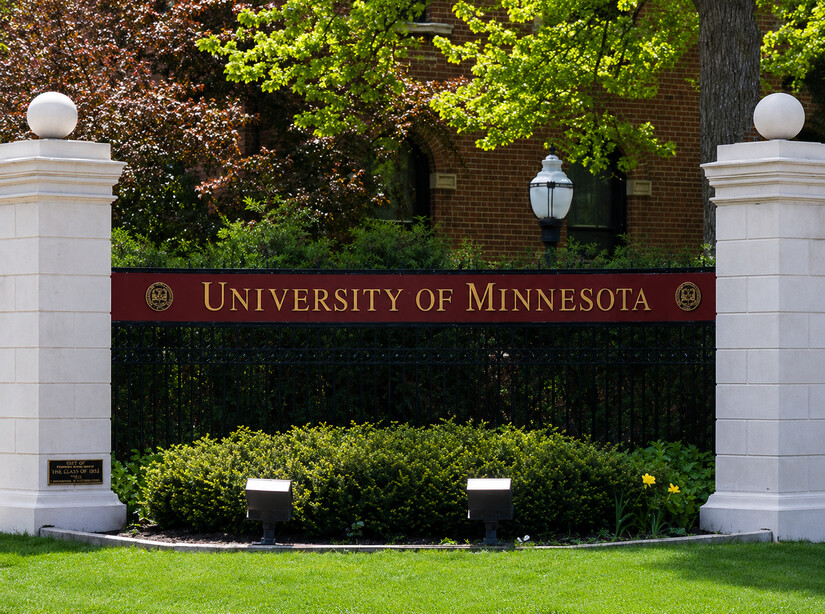
University administrators, led by President Rebecca Cunningham, have framed the proposed tuition adjustment as a response to mounting financial pressures that continue to erode the institution's purchasing power.
According to university budget presentations, the combination of inflation and largely flat operating support from state government has reduced the university's effective purchasing power by an estimated $25 million to $30 million.
While public universities have historically relied on a combination of tuition revenue, state appropriations, grants, and research funding, university leaders say those traditional funding streams have not kept pace with escalating operational costs.
The financial pressures facing the university extend well beyond classroom instruction.
Among the most significant budget drivers is the university's employee health insurance program, which administrators say is projected to absorb approximately $25 million in additional pharmacy and prescription drug costs during the coming fiscal year.
At the same time, university leaders are seeking to maintain competitive compensation packages in an increasingly competitive labor market.
The proposed budget includes a 3% merit pool for eligible faculty and staff members, a move administrators argue is necessary to recruit and retain employees across academic, research, healthcare, and administrative functions.
Taken together, those pressures have forced university officials to seek additional revenue while attempting to avoid the larger tuition increases seen in some previous budget cycles.
Officials argue that the proposed 3.8% increase remains closely aligned with current inflationary trends and is lower than tuition adjustments adopted by many peer institutions.
University leaders say the alternative could involve deeper spending reductions affecting academic programs, student services, research initiatives, or workforce investments.
The institution has already undergone multiple rounds of cost containment measures in recent years as it navigated pandemic-era disruptions, shifting enrollment patterns, inflationary pressures, and growing uncertainty surrounding federal research funding.
Those challenges intensified during recent budget cycles, when university officials warned that structural financial pressures threatened long-term sustainability if additional revenue sources were not identified.
The proposed increase represents a more modest adjustment than some earlier tuition actions adopted in response to extraordinary fiscal pressures, including periods marked by inflation spikes and concerns over federal research support.
Administrators describe the proposal not as an expansionary measure but as a stabilization strategy designed to preserve the university's core mission of teaching, research, and public service.
One of the most frequently cited figures in the university's budget proposal is the assertion that tuition across the University of Minnesota system is approximately 16% lower today than it was a decade ago.
At first glance, that claim may appear inconsistent with annual tuition increases that students and families have experienced over the past ten years.
The explanation lies in inflation-adjusted accounting.
In nominal dollars, tuition has increased over time. However, when economists adjust historical tuition rates to account for inflation, the purchasing power required to pay tuition today is lower than it was ten years ago.
In practical terms, university officials argue that tuition growth has generally lagged behind broader inflationary trends over the last decade.
As a result, they contend that the real economic cost of attending the University of Minnesota has declined despite periodic tuition increases.
That argument forms a central component of the administration's case that the proposed 3.8% increase remains consistent with the institution's long-term commitment to affordability.
The University of Minnesota's proposal arrives as public higher education systems across the Upper Midwest confront many of the same fiscal realities.
In May, the Minnesota State Colleges and Universities system approved an average tuition increase of approximately 6.25% across its 33 colleges and universities after lawmakers provided no significant new operating funding during the most recent legislative cycle.
Minnesota State officials cited inflation, compensation costs, and operational expenses as primary factors behind the increase.
Similarly, the University of Wisconsin System recently approved a 3.8% tuition increase for resident undergraduates, continuing a series of annual adjustments following the expiration of Wisconsin's decade-long tuition freeze.
Against that backdrop, University of Minnesota officials argue their proposal falls within prevailing regional trends while remaining lower than some neighboring systems.
For students and families, however, even relatively modest increases can carry significant consequences when combined with housing costs, textbooks, transportation expenses, food, and other educational expenditures.
University officials emphasize that tuition increases do not necessarily translate into higher out-of-pocket costs for all students.
Much of the institution's affordability strategy now relies on a combination of federal grants, institutional scholarships, state financial aid programs, and Minnesota's North Star Promise program.
Implemented in 2024, North Star Promise provides tuition-free pathways for eligible Minnesota residents attending public colleges and universities.
The program covers remaining tuition and mandatory fees after other federal and state grants are applied for students from families earning less than $80,000 annually.
For many lower-income students, university leaders say the program substantially reduces or eliminates the direct impact of tuition increases.
The university has also continued expanding institutional aid programs aimed at reducing financial barriers for first-generation students, students from lower-income households, and historically underserved populations.
Nevertheless, middle-income families often remain particularly sensitive to tuition increases because they may not qualify for the highest levels of financial assistance while still facing significant educational costs.
The proposed tuition increase now moves to the full Board of Regents, which is expected to debate and vote on the measure during its June 26 meeting at the McNamara Alumni Center in Minneapolis.
Regents will review the tuition proposal alongside a comprehensive operating budget that reflects the competing pressures shaping modern public higher education.
Those pressures include inflation, workforce costs, healthcare expenses, facility maintenance, technology investments, enrollment trends, research funding uncertainty, and public expectations surrounding affordability.
For Minnesota's flagship public university, the decision will carry implications far beyond the upcoming academic year.
The University of Minnesota serves more than 65,000 students across five campuses and functions as one of the state's largest employers, research institutions, and economic engines.
The budget adopted later this month will help determine how the university balances access, affordability, and excellence during a period when public higher education institutions nationwide continue searching for financial stability amid rapidly changing economic conditions.
For students preparing for the 2026-27 academic year, the June 26 vote will provide clarity on one of the most important questions facing Minnesota families: the cost of a University of Minnesota education and the state's continuing commitment to making that education accessible.
MinneapoliMedia | Community. Culture. Civic Life.



Sunny, with a high of 96 and low of 64 degrees. Sunny in the morning, clear overnight.