66° and Overcast
Image
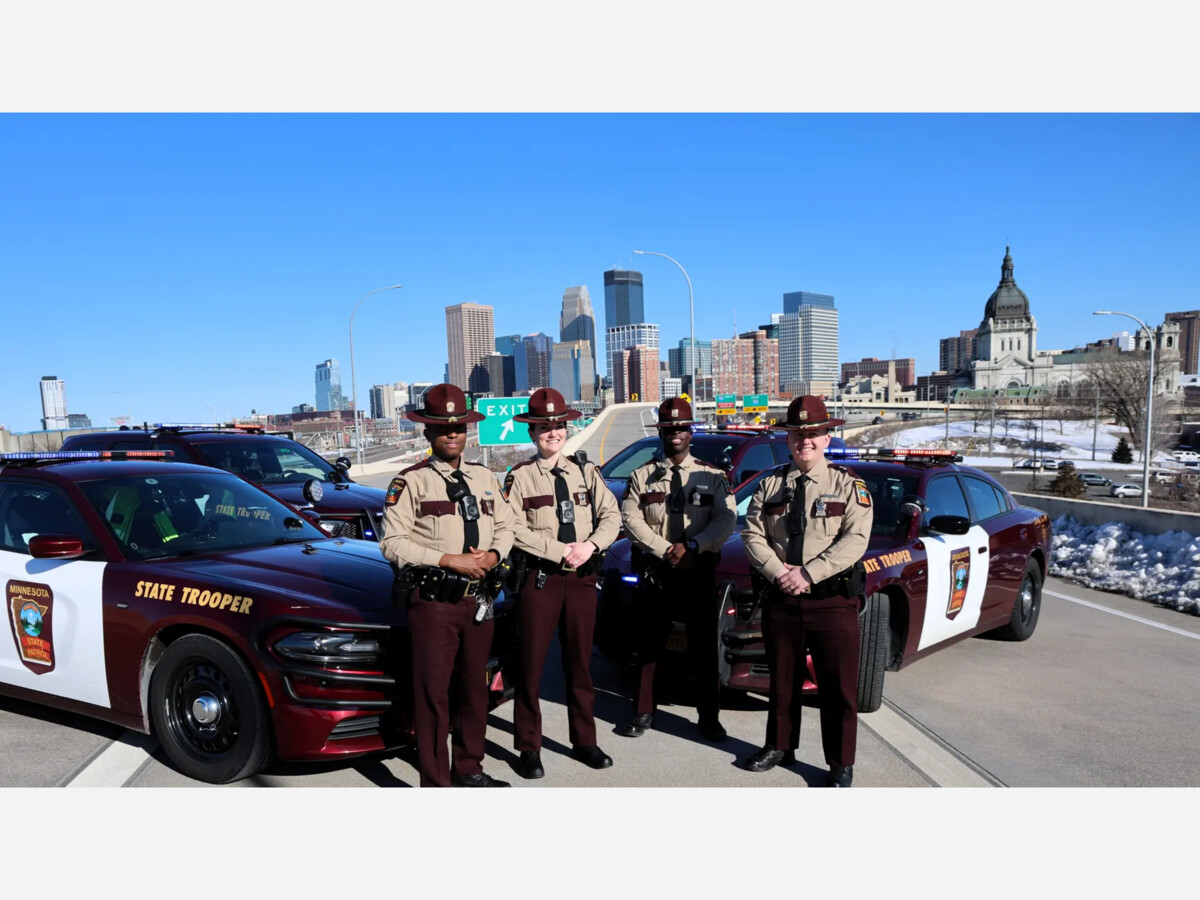
State Patrol Personnel | Courtesy: Minnesota Department of Public Safety



Timed with National Distracted Driving Awareness Month, the campaign, known as “Drop the Distraction,” runs from April 1 through April 30 and involves more than 300 local, county, and state agencies working in coordination to reduce crashes linked to inattention behind the wheel.
Led by the Minnesota Department of Public Safety in partnership with the Minnesota Office of Traffic Safety, the initiative combines high-visibility enforcement with public education in an effort to change driver behavior.
The goal is straightforward: prevent deaths.
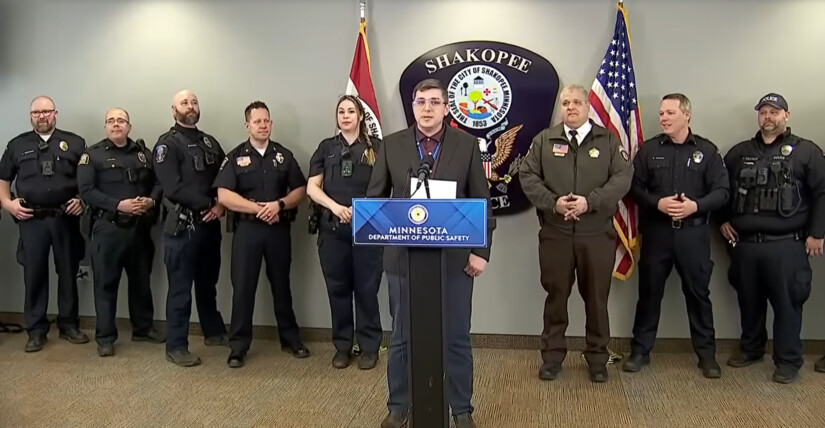 Shakopee Mayor and MN Law enforcement personnel at MN Distracted Driving Campaign launch
Despite recent improvements in overall traffic safety, distracted driving continues to contribute to serious and fatal crashes across the state.
According to data from the Minnesota Office of Traffic Safety:
While total traffic fatalities in Minnesota declined in 2025, officials caution that distracted driving remains a consistent and preventable factor in roadway deaths.
This year’s campaign is shaped by a story that has resonated across the state.
Ashley Lehman, the daughter-in-law of Matt Lehman, was critically injured in July 2025 in a T-bone crash in Scott County after another driver failed to stop.
She sustained a traumatic brain injury and multiple fractures. After months of medical care, she died in November.
At the campaign’s launch, Mayor Lehman stood alongside state officials and delivered a message grounded not in policy, but in loss.
“All of our lives changed instantly,” he said, urging drivers to treat the act of driving as a responsibility that demands full attention.
For officials, the story underscores what statistics alone cannot convey.
The consequences are immediate. And irreversible.
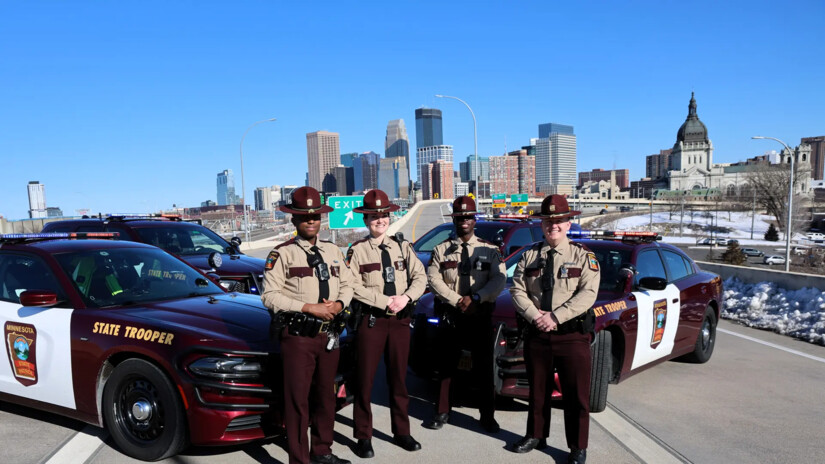
During the month-long campaign, drivers can expect increased patrols and targeted enforcement statewide.
One corridor receiving particular attention is U.S. Highway 169, a major route running from the Iowa border to the Canadian border, where officials report a higher-than-average rate of distraction-related crashes.
On April 1, the campaign’s opening day, law enforcement agencies conducted a saturation effort along portions of the highway, deploying additional officers to monitor and deter distracted driving behaviors.
The strategy reflects a broader enforcement approach focused on visibility as much as citation.
Minnesota’s hands-free law, enacted in 2019, prohibits drivers from holding or using a phone while operating a vehicle, including while stopped at traffic lights.
Under the law:
Officials emphasize that the law is not new. What remains unchanged is the behavior it seeks to address.
Despite enforcement and awareness campaigns, distracted driving remains widespread.
Public safety officials point to a common belief among drivers that brief distractions—checking a message, adjusting a playlist, glancing at a notification—carry minimal risk.
In reality, even a few seconds of inattention can have significant consequences.
At highway speeds, a vehicle can travel the length of a football field in the time it takes to read a text message.
The margin for error disappears quickly.
While enforcement plays a critical role, officials acknowledge that long-term change depends on individual behavior.
The Minnesota Department of Public Safety recommends several practical steps for drivers:
These steps, officials say, are simple but effective in reducing temptation and distraction.
Distracted driving differs from many other roadway risks in one critical way.
It is entirely preventable.
There is no mechanical failure, no unpredictable condition. Only a moment of divided attention.
Even as Minnesota sees encouraging declines in overall traffic deaths, law enforcement leaders stress that progress can be reversed if distracted driving persists.
The “Drop the Distraction” campaign is not solely about enforcement. It is about reshaping how drivers think about attention, responsibility, and risk.
For families like the Lehmans, the message is already clear.
For others, officials hope it arrives before tragedy.
Put the phone down.
Focus on the road.
Make it home.
MinneapoliMedia | Community. Culture. Civic Life.


Patchy rain nearby, with a high of 66 and low of 53 degrees. Overcast in the morning, partly cloudy in the afternoon, clear in the evening, patchy rain nearby overnight.