66° and Overcast
Image
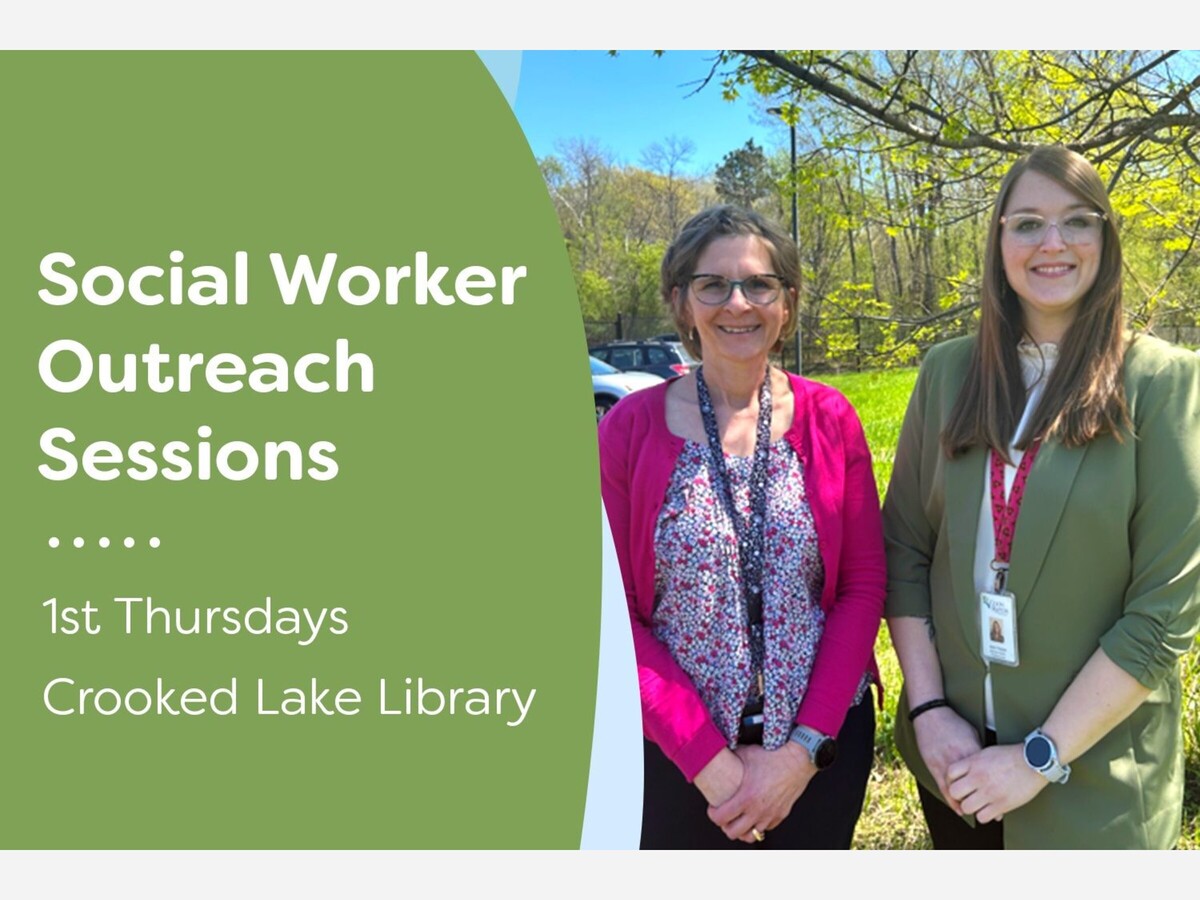



Through a growing initiative led by the Coon Rapids Police Department in partnership with the City of Coon Rapids, licensed social workers are being embedded directly within law enforcement operations while simultaneously extending their reach into the community through recurring, no-appointment-needed sessions at the local library.
The program reflects a shift in how cities respond to crisis, one that recognizes that many calls for help are rooted not in crime, but in unmet needs.
At the center of the initiative is what public safety professionals refer to as a co-response model.
In practice, that means police officers and social workers operate in tandem but with distinct roles. Officers respond to immediate safety concerns. Social workers address what comes next.
The Coon Rapids Police Department Embedded Social Worker program places licensed clinicians inside the department itself, allowing them to engage not only during active incidents but also in the critical hours and days that follow.
That continuity is often where traditional response systems fall short.
Social workers Lori Halbur and Jess Hoppe, who staff the program, focus on connecting individuals to longer-term support systems, including housing, mental health services, and financial assistance. Their role extends beyond referral. It includes follow-up, coordination, and sustained engagement with individuals who might otherwise cycle repeatedly through emergency systems.
To expand access beyond police calls, the city launched the “Meet the Social Worker” program in early 2024, creating a structured opportunity for residents to seek help without entering a law enforcement setting.
The sessions are held at the Crooked Lake Branch of the Anoka County Library, located at 11440 Crooked Lake Boulevard.
The choice of location is intentional.
Libraries function as neutral, community-centered spaces. They are places where people already go for information, support, and connection. By situating services there, the city removes barriers that often prevent individuals from asking for help.
The sessions follow a consistent schedule:
The format is simple. Residents walk in, sit down, and talk.
The scope of assistance reflects the realities facing many individuals and families across the community.
During these sessions, embedded social workers provide guidance and referrals across a wide range of needs, including:
Rather than treating each issue in isolation, the approach recognizes that these challenges are often interconnected.
A missed rent payment may lead to housing instability. Housing instability may contribute to mental health strain. Mental health strain may result in emergency calls.
The role of the embedded social worker is to interrupt that cycle before it escalates.
Programs like this represent a broader evolution in public safety strategy, both within Minnesota and across the country.
Historically, law enforcement has been the primary responder to a wide range of non-criminal crises, from mental health emergencies to welfare checks. Increasingly, cities are recognizing the limits of that model.
By integrating licensed clinicians into response systems, departments can shift from reactive enforcement to proactive intervention.
In Coon Rapids, early outcomes from the program have pointed to a reduction in repeat calls for service at the same addresses, a key indicator that underlying issues are being addressed rather than revisited.
The ability to provide follow-up care is central to that success.
Because these social workers are embedded within the department, they can maintain contact with individuals after an initial incident, ensuring that referrals lead to actual connection with services.
For many residents, seeking help can be as difficult as the problems they are facing.
Concerns about stigma, fear of legal consequences, or uncertainty about where to start often prevent individuals from reaching out.
The “Meet the Social Worker” sessions are designed to lower those barriers.
There is no paperwork required to enter. No formal report is filed. No obligation to involve law enforcement.
It is, by design, a first step.
And for some, it may be the only step needed to change the trajectory of a situation before it becomes a crisis.
Coon Rapids, home to more than 60,000 residents, continues to adapt its services to meet the evolving needs of its community.
Programs like the embedded social worker initiative reflect a broader shift in how cities define public safety, expanding the concept beyond enforcement to include stability, prevention, and support.
The work is not always visible.
It happens in conversations rather than confrontations. In follow-ups rather than first responses. In spaces like libraries, where the goal is not to respond to crisis, but to prevent it.
Residents can attend upcoming sessions at the Crooked Lake Branch Library during scheduled times. Additional information is available through the city’s official website.
For those who walk in, the process begins simply.
A seat. A conversation. And, often, a path forward.
MinneapoliMedia | Community. Culture. Civic Life.



Patchy rain nearby, with a high of 66 and low of 53 degrees. Overcast in the morning, partly cloudy in the afternoon, clear in the evening, patchy rain nearby overnight.