Image
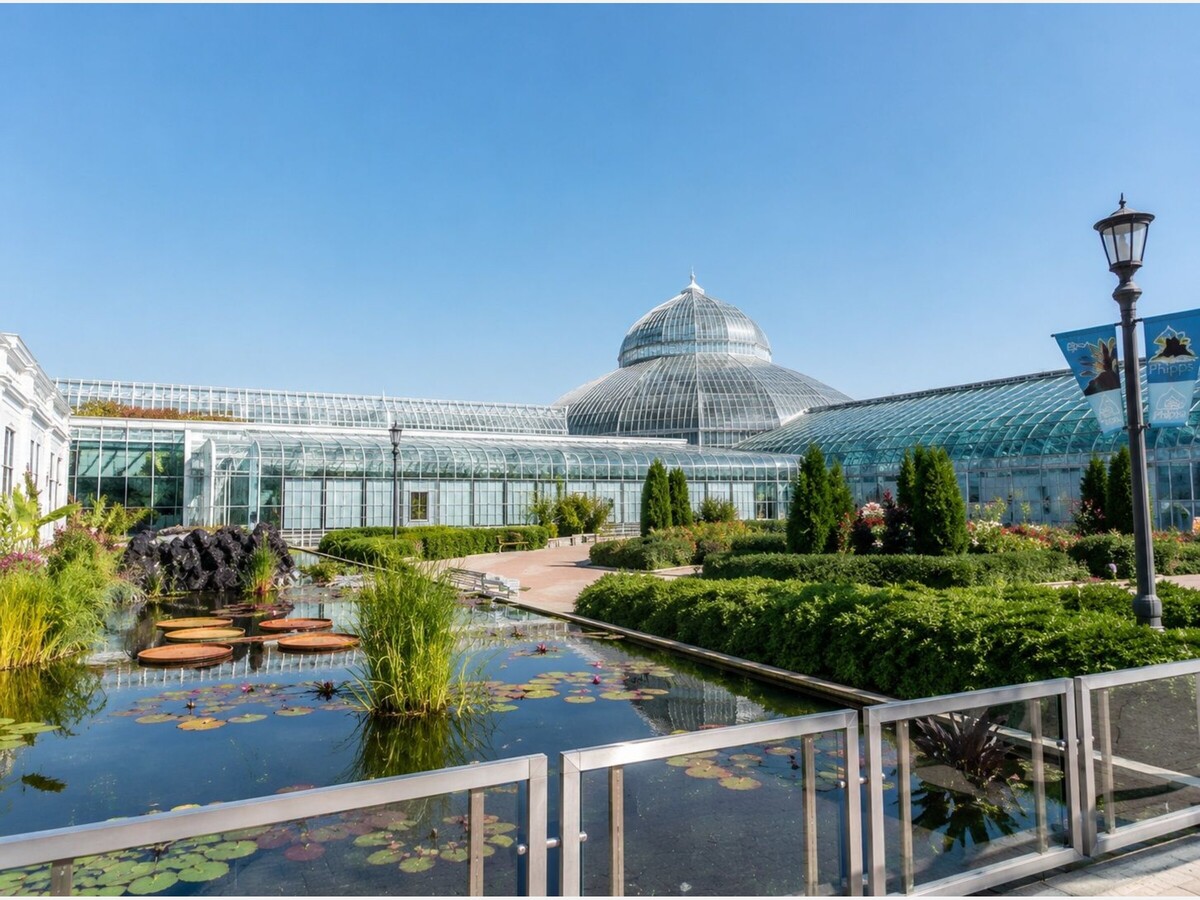



The evacuation occurred just hours before Horace, the conservatory's internationally followed corpse flower, began its brief and highly anticipated bloom.
According to Como Zoo & Conservatory officials, staff received a threat reporting that a pipe bomb had been placed somewhere on the grounds. The threat prompted an immediate emergency response and the evacuation of visitors, employees, and nonessential personnel from the facility.
By the time the evacuation began at approximately 1:50 p.m. Saturday, an estimated 6,000 visitors had already passed through the zoo and conservatory between 10 a.m. and early afternoon, according to facility spokesperson Matt Reinartz.
Despite the unusually high public interest surrounding Horace's impending bloom, officials said attendance levels were generally consistent with a typical early-summer Saturday at the popular St. Paul attraction.
Following established emergency protocols, zoo officials contacted 911 and coordinated with the Saint Paul Police Department, which dispatched officers to conduct a comprehensive search of the property.
As visitors exited the facility, animal care teams simultaneously moved to secure zoo animals within designated holding and care areas.
"Following safety protocols, we immediately contacted 911, evacuated guests and nonessential staff, and secured animals in their care areas while the Saint Paul Police Department conducted a thorough search," Como Zoo & Conservatory said in a public statement.
Law enforcement officers completed a systematic search of the campus and ultimately found no explosive devices or evidence of a credible threat.
Authorities subsequently declared the property safe, though zoo officials elected to keep the facility closed for the remainder of the day out of an abundance of caution.
No injuries were reported.
The timing of the evacuation drew additional attention because it coincided with one of the most anticipated botanical events in Minnesota this year.
The conservatory's famed corpse flower, known as Horace, had spent weeks building anticipation among plant enthusiasts, photographers, scientists, and curious visitors eager to witness the rare bloom.
Horace belongs to the species Amorphophallus titanum, commonly known as the corpse flower, a plant native to the tropical rainforests of Sumatra, Indonesia.
The species is renowned for producing one of the largest flowering structures in the plant kingdom and for emitting a powerful odor often compared to rotting meat, decaying flesh, or decomposing organic matter.
The smell serves a biological purpose.
In the wild, the scent attracts carrion beetles and flesh flies that help pollinate the plant.
Because corpse flowers bloom infrequently and unpredictably, public bloom events routinely attract significant crowds wherever the plants are cultivated.
Horace first captured statewide attention during its inaugural bloom in 2024, when thousands of visitors waited in lengthy lines for an opportunity to see and smell the unusual plant.
Horticultural experts note that cultivated corpse flowers often require seven to ten years before their first bloom. Subsequent blooms typically occur every two to four years, making Horace's return bloom in 2026 a notable event for botanical enthusiasts.
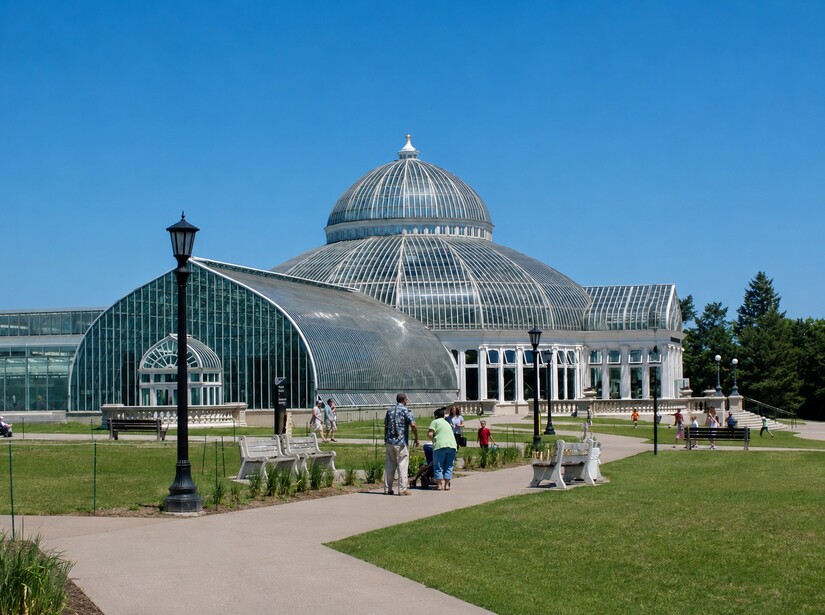
Although visitors were no longer present to witness the moment, Horace continued its natural cycle after the conservatory closed.
At approximately 4 p.m. Saturday, the flower officially began opening, unfurling its massive structure and releasing the characteristic scent that has made corpse flowers famous around the world.
Like most blooms of its kind, Horace's display is expected to be brief.
Corpse flower blooms generally remain at peak condition for only 24 to 48 hours, creating a narrow viewing window for the public.
The limited timeframe prompted conservatory officials to quickly modify Sunday's operating schedule.
To maximize opportunities for public viewing, Como Zoo & Conservatory announced a special staggered reopening plan for Sunday, June 7.
Beginning at 8:30 a.m., visitors were allowed access exclusively to the Ordway Gardens area where Horace is displayed.
The remainder of the Marjorie McNeely Conservatory and the zoo resumed standard operations at 10 a.m.
To manage expected crowds, visitors seeking to view Horace were directed to enter through the Japanese Garden Gates. Staff and volunteers were stationed throughout the route to guide guests through the Bonsai Pavilion and into the viewing area.
"Only the area where Horace is will be open at 8:30 a.m.," Reinartz said. "The rest of the Conservatory and Zoo will be closed until 10 a.m."
Fewer than 1,000 corpse flowers are believed to remain in the wild, where habitat loss continues to threaten native populations in Indonesia.
Because of their rarity and unusual biological characteristics, blooming corpse flowers have become significant educational attractions at botanical gardens and conservatories around the world.
At Como Park Zoo & Conservatory, Horace has evolved into something of a local celebrity, drawing thousands of visitors and extensive media attention whenever bloom conditions emerge.
The plant's rare appearance transformed an ordinary June weekend into one of the year's most anticipated events.
Saturday's bomb threat temporarily interrupted that excitement, forcing the evacuation of thousands and diverting attention from the bloom itself.
Yet by late afternoon, as law enforcement completed its search and visitors awaited Sunday's reopening, Horace continued unfolding behind closed doors.
For a flower that may spend years preparing for a bloom lasting only a day or two, the moment arrived regardless.
And by Sunday morning, visitors once again lined up for the chance to experience one of nature's rarest and most unusual displays.
MinneapoliMedia | Community. Culture. Civic Life.



Sunny, with a high of 96 and low of 64 degrees. Sunny in the morning, clear overnight.