72° and Clear
Image




The opening chapter of the knockout phase officially reached its conclusion Friday night as the final three Round of 32 fixtures completed the tournament bracket for the 2026 FIFA World Cup. Twenty-three days after forty-eight nations embarked upon the largest tournament ever staged, only sixteen operations remain standing on Earth. The complex mathematical calculations, group-stage permutations, and third-place wildcard scenarios have now been permanently retired into the archive. From this point forward, the tournament landscape shifts into a cutthroat single-elimination reality where every 90-minute block removes another contender from the pursuit of football's ultimate prize.
Day 23 delivered perhaps the most emotionally diverse and structurally volatile collection of matches since the competition entered its elimination grid. Egypt authored an iconic landmark in the nation's sporting history by surviving Australia in a dramatic penalty shootout to claim the country's first-ever victory in a men's FIFA World Cup knockout match. In Miami, defending champion Argentina found itself pushed to the absolute limit of its physical endurance by tournament debutant Cape Verde, whose fearless low-block posture nearly produced the most astronomical upset in modern tournament history before the Albiceleste escaped in extra time. The evening concluded in Kansas City, where Colombia demonstrated the pristine tactical discipline that has quietly elevated Los Cafeteros into a premier balanced threat, eliminating Ghana to secure the final remaining ticket into the Round of 16.
The results validated the defining competitive truth of the expanded tournament format: reputation alone provides zero insulation from error. Emerging nations have successfully matched established traditional powers across every tactical, physical, and psychological threshold. With the Round of 16 field officially locked, the surviving squads enter a ruthless frontier where each program stands exactly four victories away from sporting immortality.
|
Match |
Score |
Venue |
Status |
|
Egypt vs. Australia |
1 – 1 (4 – 2 PSO) |
Dallas Stadium, Arlington, TX |
Egypt advances |
|
Argentina vs. Cape Verde |
3 – 2 (AET) |
Miami Stadium, Miami Gardens, FL |
Argentina advances |
|
Colombia vs. Ghana |
1 – 0 |
Arrowhead Stadium, Kansas City, MO |
Colombia advances |
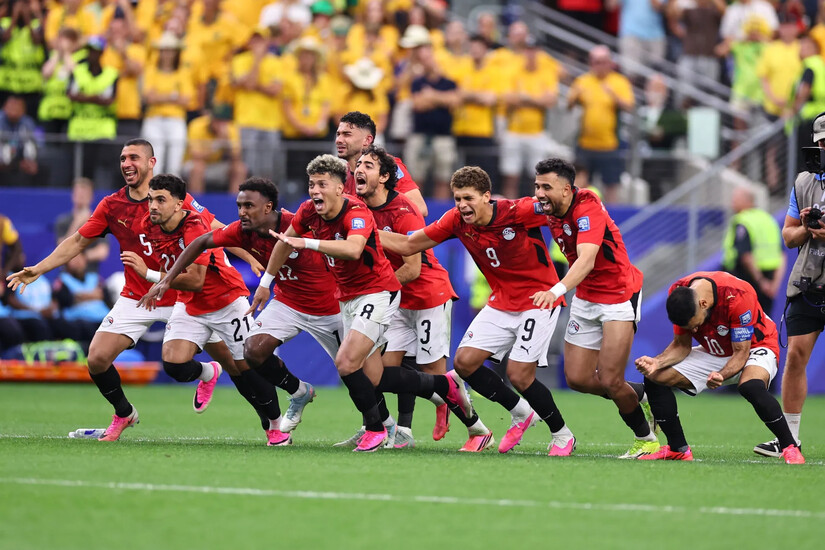
The opening fixture unfolded beneath an immense accumulation of historical pressure inside Dallas Stadium. Neither Egypt nor Australia took the pitch merely chasing a berth in the Round of 16; both programs carried decades of internal dejection into one of the most consequential single-elimination matches in their modern histories. Despite generating world-class talents across multiple generations, Egypt had never won a men's senior World Cup knockout match. Tony Popovic’s Socceroos aimed to sustain the upward trajectory that has established Australia as one of Asia's most rugged international roadblocks.
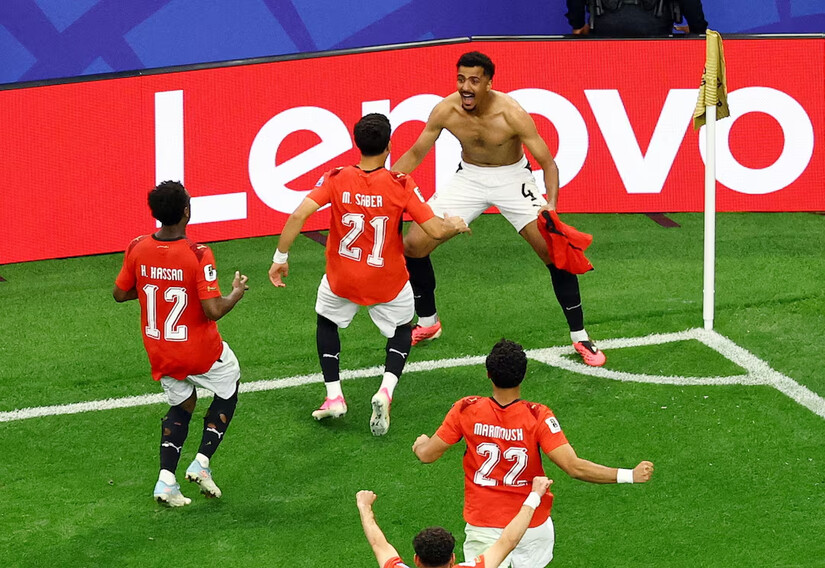
The psychological burden of the setting manifested a deeply calculated, cagey opening phase. Australia attempted to dictate early tempo through patient, low-risk midfield circulation, attempting to stretch Egypt's lateral coverage lines. Operating under the structural direction of Hossam Hassan, the Pharaohs dropped into a highly disciplined 4-4-2 shape, compressing central corridors and waiting to release Mohamed Salah and Omar Marmoush on vertical counters whenever possession inverted.
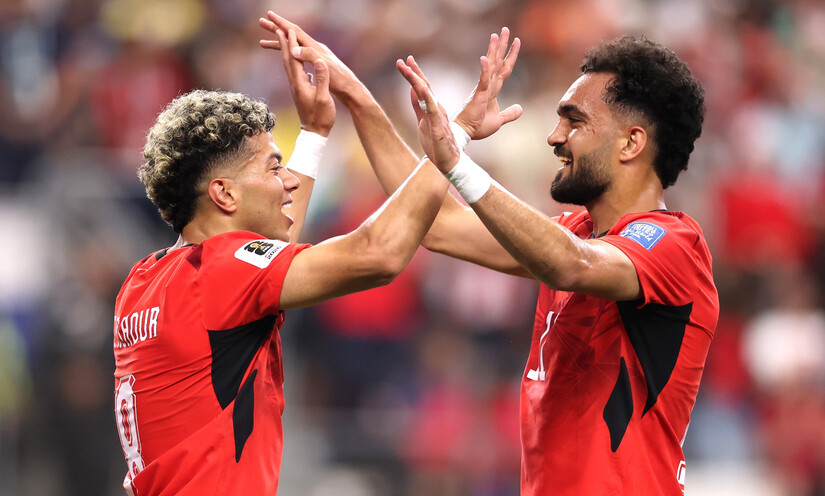
The tactical breakthrough materialized in the 13th minute. Building a patient combination down the right flank, Salah manufactured a pocket of operational space before delivering an exquisite cross into the center of the box. Timing his aerial run perfectly, midfielder Emam Ashour out-jumped Australia's center backs, driving a powerful header past Patrick Beach to forge a 1-0 lead.
Australia responded with excellent structural maturity, refusing to panic under the deficit. Popovic’s side sustained their high possession model, pushing fullbacks further up the touchlines to generate numerical superiorities. Jackson Irvine and Riley McGree assumed command of second balls, forcing Egypt's defensive line into deep survival tracking as the opening half hour dissolved. Despite Australia's territorial weight, Egypt remained lethal in transition, with Salah consistently isolating defenders in high-stakes one-on-one channels.
The equalizing moment arrived via mechanical misfortune in the 55th minute. Forcing another sustained entry sequence inside Egypt's defensive third, Australia delivered a dangerous, low ball across the face of the six-yard area. Attempting to execute an emergency clearance under heavy tracking pressure, fullback Mohamed Hany inadvertently turned the delivery into his own net to level the score at 1-1.
The own goal completely inverted the psychological chemistry of the match, forcing Egypt to battle historic anxieties while Australia surged forward with physical momentum. The final half hour devolved into a grueling, combative war of attrition where neither side committed excessive numbers forward for fear of exposing a fatal transition vacancy.
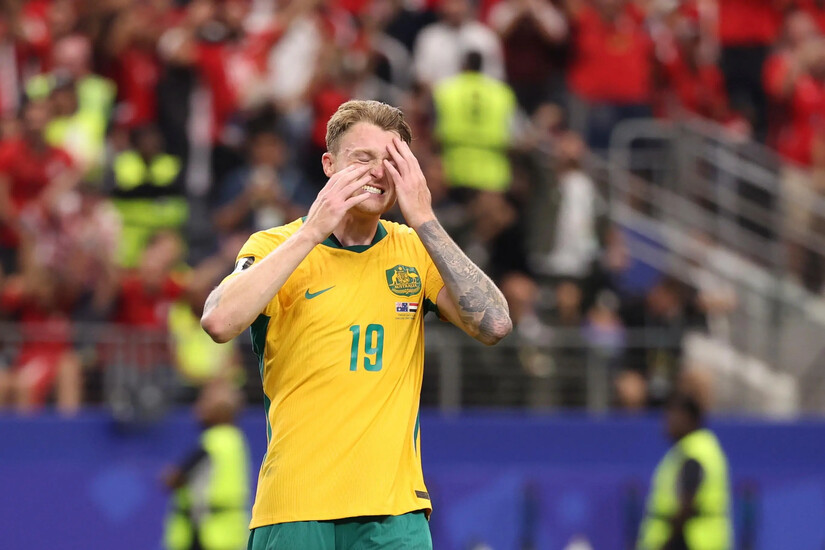
Extra time introduced extreme physical exhaustion, with multiple players requiring treatment for severe cramping. Hassan executed key personnel adjustments to preserve basic functionality rather than tactical innovation. Egypt engineered the premium look of the added period in the 94th minute when Salah picked out Ramy Rabia during a dead-ball sequence, but Beach launched a spectacular diving save to tip the point-blank header wide.
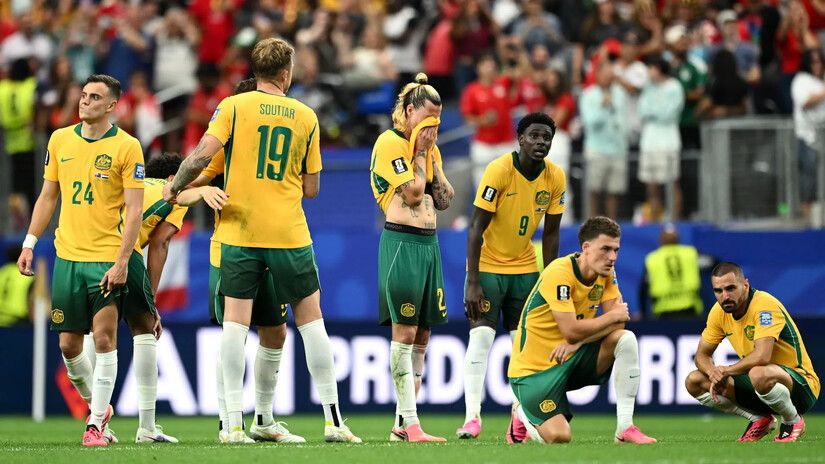
The match drifted into a penalty shootout, prompting Popovic to make a high-stakes managerial decision by introducing veteran goalkeeper Mathew Ryan specifically for the spot kicks. The intervention failed to disrupt Egyptian composure. The Pharaohs executed their penalties with icy execution: Salah converted the opening attempt, and each successive Egyptian kicker clinically matched that standard. Australia blinked under the psychological load, missing two attempts to seal a historic 4-2 shootout triumph for Egypt. The breakthrough officially obliterates an absolute continental glass ceiling, securing Egypt's first-ever knockout victory.
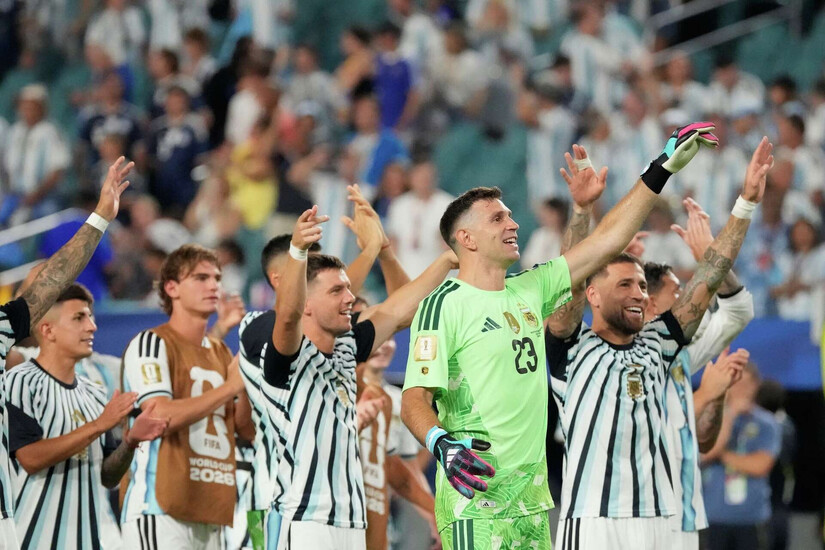
While Arlington produced historical closure, Miami Stadium hosted an absolute classic that came within minutes of delivering the most colossal structural shock in international football history. Defending world champions Argentina entered the stadium facing universal external expectations of a routine victory. Their opponents, Cape Verde, arrived operating as the ultimate Cinderella story of the global summer. Appearing in their first-ever World Cup finals, the tiny island nation of fewer than 600,000 people had already stunned observers by marching unbeaten through a brutal group phase.
Lionel Scaloni restored Lionel Messi to the starting eleven after managing his physical load during Matchday Three, a tactical selection that validated Cape Verde's defensive discipline. The opening twenty minutes verified Scaloni's internal anxieties. Bubista instructed his side to contest the central channel with intense physical aggression rather than retreating into a passive block. Jamiro Monteiro and Deroy Duarte locked down the half-spaces, tracking Enzo Fernández and Alexis Mac Allister with exceptional lateral quickness to prevent Argentina from establishing their trademark short-passing rhythm.
The South American breakthrough arrived in the 29th minute via pure individual genius. Collecting possession just outside the box, Messi drifted laterally to construct a razor-thin pocket of separation. A microscopic shift of balance froze his marker, allowing the captain to unleash a low, left-footed missile that skipped across the surface into the bottom corner.
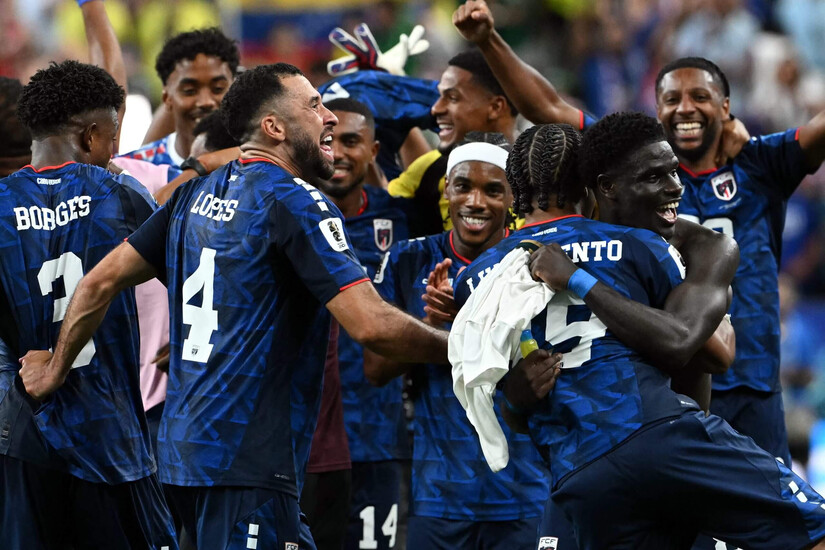
The 1-0 advantage normally signals total tactical control for the Albiceleste, but Cape Verde executed an incredibly courageous response. Refusing to succumb to emotional deflation, the African side capitalized on a rare structural tracking error in the Argentine central defense, striking a sensational transition goal to tie the match.
The match evolved into an epic, back-and-forth vertical war. Argentina reestablished their lead via a clinical finish from Lautaro Martínez, only for a relentless Cape Verde selection to strike back deep in regulation time, capitalizing on a second-ball error to equalize at 2-2 and send shockwaves across the stadium.
Forced into an unexpected 30-minute extra-time block, Scaloni threw all remaining attacking personnel from the bench, instructing fullbacks to advance high up the wings to overload the channels. Cape Verde defended with immense, heroic valor, throwing bodies into shooting lanes to block clear looks from Julian Alvarez.
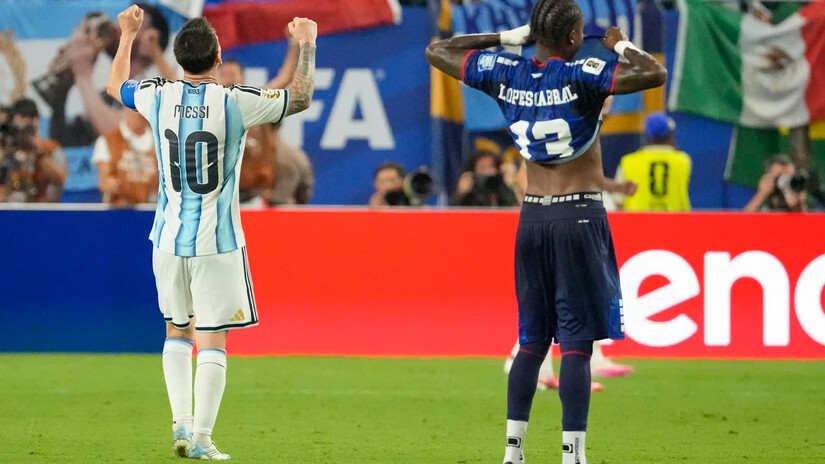
The definitive breakthrough materialized late in the added period when sustained, exhausting Argentine pressure inside the six-yard area induced a chaotic, defensive own goal from a tiring Cape Verde backline. Argentina preserved the narrow 3-2 victory through the final seconds, with Lisandro Martínez and Cristian Romero executing emergency clearances against a final Cape Verde long-ball surge. While Argentina survives to continue their title defense, Cape Verde departs having completely transformed their global sporting reputation.
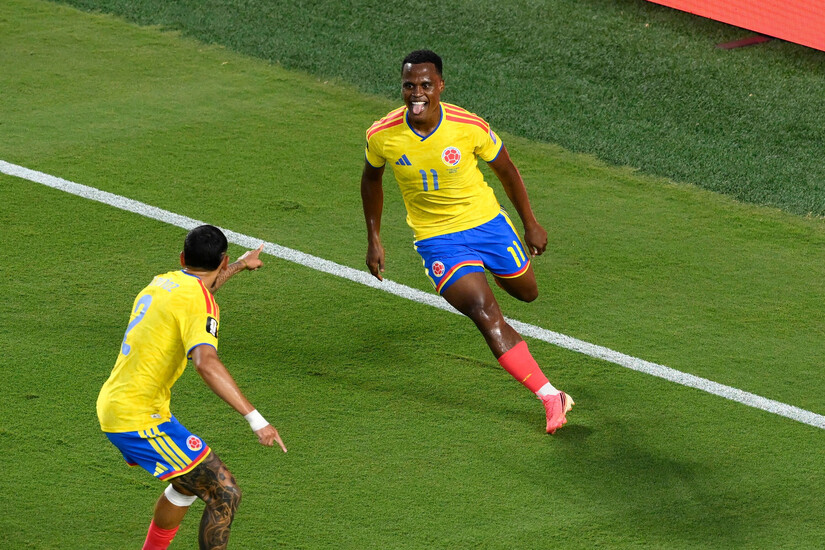
The final fixture of the Round of 32 lacked the volatile scoring drama of Miami, delivering instead a flawless exhibition in pure, high-level defensive game management. Colombia entered Arrowhead Stadium executing a steadily building, high-floor campaign under Néstor Lorenzo, while Otto Addo’s Ghana Black Stars presented a formidable, hyper-athletic obstruction built around raw transition speed.
The opening minutes immediately forced Lorenzo to scrap his structural blueprint. Just moments after the initial whistle, starting striker Jhon Córdoba suffered a severe groin strain while pursuing a vertical ball, forcing an emergency tactical substitution that introduced Luis Suárez far earlier than planned. Far from disrupting Colombia's cadence, the structural modification catalyzed the front line. Suárez’s high physical energy instantly stretched Ghana's center backs, fabricating immediate wide operational corridors for James Rodríguez and Luis Díaz to exploit.
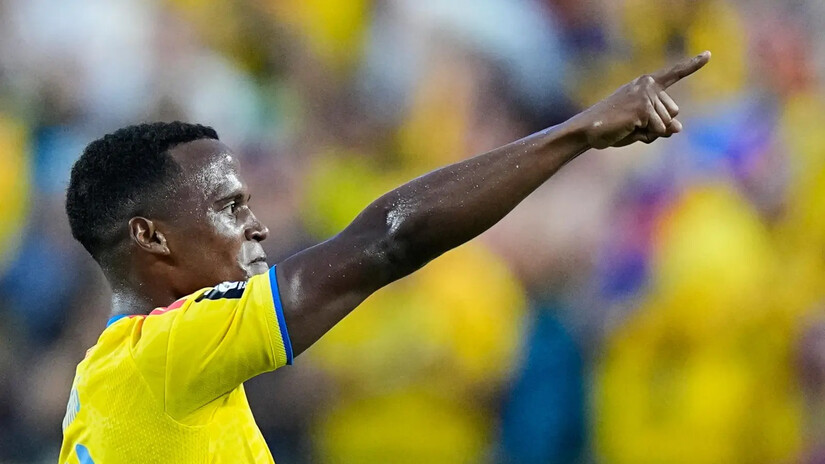
The tactical breakthrough materialized in the 14th minute. Fullback Daniel Muñoz triggered a rapid combination sequence down the right wing, slipping Suárez into open space. Rather than attempting a low-probability shot from an acute angle, the substitute delivered a precise, low ball across the penalty third, allowing Jhon Arias to ghost completely unmarked to slide home a first-time finish past Lawrence Ati-Zigi.
Seizing an immediate 1-0 advantage, Lorenzo demonstrated immense tournament maturity, instructing Colombia to retreat into a highly organized, balanced mid-block shape designed to completely nullify Ghana's counter-attacking speed. Colombia invited the Black Stars to advance, then choked out central possession via the defensive pivots of Jefferson Lerma. Díaz turned in an exceptional individual performance on the left wing, holding the ball up and isolating fullbacks to kill the clock and prevent Ghana from committing full defensive resources forward.
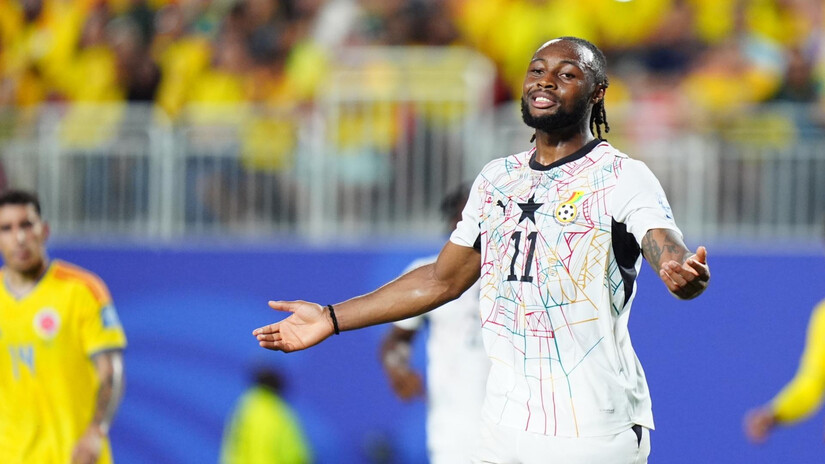
The secondary half completely reflected Colombia's structural stability. Rather than allowing Ghana's late urgency to generate chaotic transitional friction, the South Americans controlled 56 percent of possession, executing short passing sequences that systematically exhausted Ghana’s physical reserves. Carlos Cuesta and Dávinson Sánchez dominated every aerial challenge inside the penalty third, restricting Mohammed Kudus to peripheral, low-probability shooting tracks to lock down a clinical 1-0 victory. The professional clean sheet secures the final remaining ticket to the Round of 16, finalizing a spectacular knockout matrix.
Several definitive tactical pillars emerged from the conclusion of the Round of 32 layout:
The opening sorting process of the expanded layout is officially archived. As the final sixteen programs advance into the next tier of single-elimination play, the margin for error narrows to absolute zero. Reputations are completely discarded; one mechanical breakdown concludes the international dream, leaving tactical maturity as the solitary currency of survival.
MinneapoliMedia | Community. Culture. Civic Life.



Sunny, with a high of 86 and low of 63 degrees. Patchy rain nearby for the morning, partly cloudy for the afternoon, clear for the evening,