Image
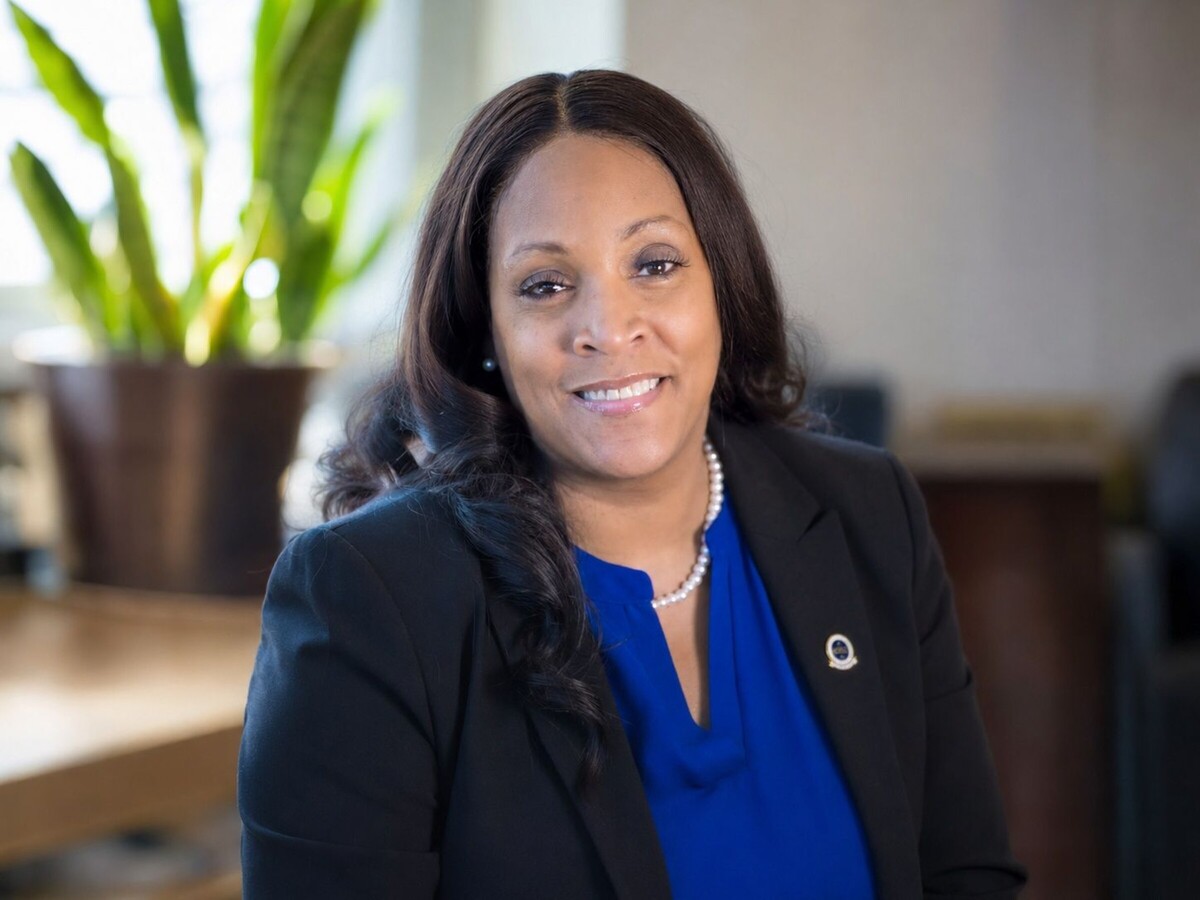



When Suwana Kirkland came home from another 14-hour shift during the weeks after George Floyd's murder, the police radio came inside with her. She'd set it on the kitchen counter, but she couldn't switch off what she heard: officers calling out fires, describing scenes unfolding across St. Paul and Minneapolis in real time. She was a sergeant with the Ramsey County Sheriff's Office then, and president of the Minnesota chapter of the National Black Police Association, responsible at once to colleagues still in the field, to a grieving public, and to the family waiting for her at home.
That family had been watching the same footage all day. Some of her own children had gone out to protest. Kirkland walked in as a law enforcement officer and as a Black mother whose children were confronting what the uniform could mean to people who looked like them.
"You know who I am. Regardless of what you see on TV, you know who I am."
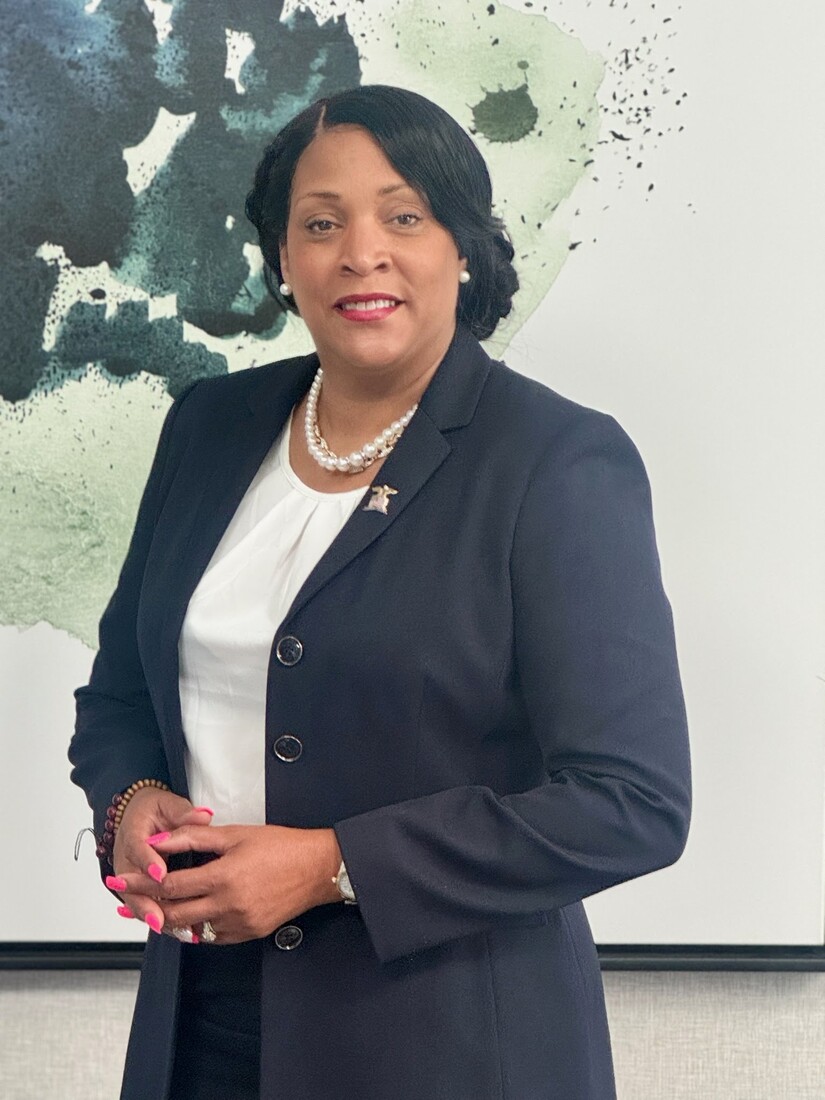
Even now, the memory interrupts her speech. “I get emotional when I talk about it because it was so impactful,” she said. “There's things that we do in this career that will forever shape who you are, what you do, and why you do it.”

That collision between the badge and the home, the institution and the family, did not begin in 2020. Long before Kirkland became a sheriff's deputy, sergeant, commander, corrections director, professor, and national law enforcement leader, she knew public institutions from the other side of the desk. As a child in western Pennsylvania, she came to know police officers because they responded to domestic violence in her home. As a young mother in Minnesota, she stood in line with WIC checks, sought emergency rental assistance at the government center, relied on food support, and lived in Section 8 housing. She had a case number before she had a title.
“I am community at the beginning of the day, in the middle of the day, and at the end of the day,” she said. That conviction runs through every chapter of her story.
A childhood shaped by women, grit and crisis
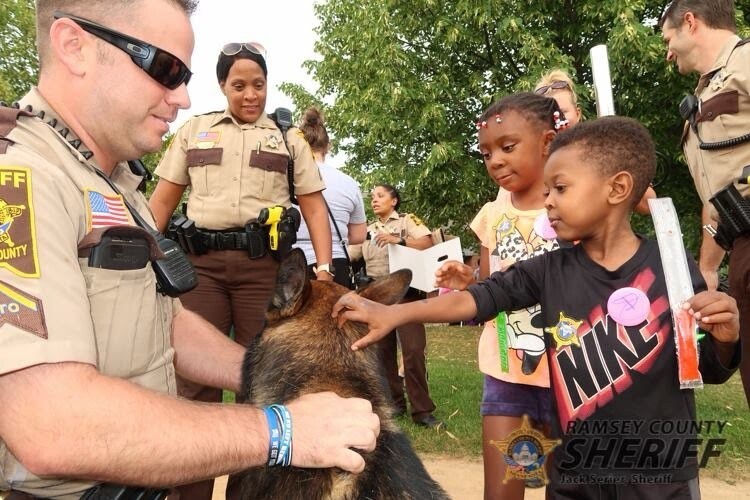
Kirkland grew up in Beaver Falls, Pennsylvania, a small steel city northwest of Pittsburgh, one of six children raised by her single mother. Hard work was the ordinary mechanism of survival; nearly every adult she knew had some tie to the mills, women included.
“They had that kind of grit,” she recalled. “We're going to do what we need to do to take care of our family, and we're not going to shy away from any hard work.”
Her grandmother cleaned office buildings. Her mother put herself through nursing school while raising six kids. The family lived in the projects. It wasn't much, Kirkland says, but it was what they needed, in a community close enough that everyone knew everyone else's difficulties. That closeness could support you. It could also mean your worst moments were witnessed.
Kirkland's mother experienced domestic abuse at the hands of Kirkland's father. “We got very familiar with law enforcement and police,” Kirkland said, not as colleagues or mentors, but as the people who showed up during the worst nights in the house.
She doesn't offer that history as a tidy origin story. She worked service jobs as a young woman and didn't set out to become an officer. But those early encounters left her with something no academy can train into a person: she knows what it costs a family to have its worst moment become a public institution's business, and she knows the children in the next room are forming impressions that will outlast the officer's visit.
Her mother, now 79, is retired and in Kirkland's words “living her best life” back in Pennsylvania, visiting Minnesota for month-long stretches among a family that now includes some 20 grandchildren and great-grandchildren. To all of them, she is simply “Nana.”
“I come from a long line of women leaders,” Kirkland said, meaning it literally. She was frequently the first Black woman to hold a title. She was never the first woman to lead in her own life.
Minnesota, three jobs and the search for a career
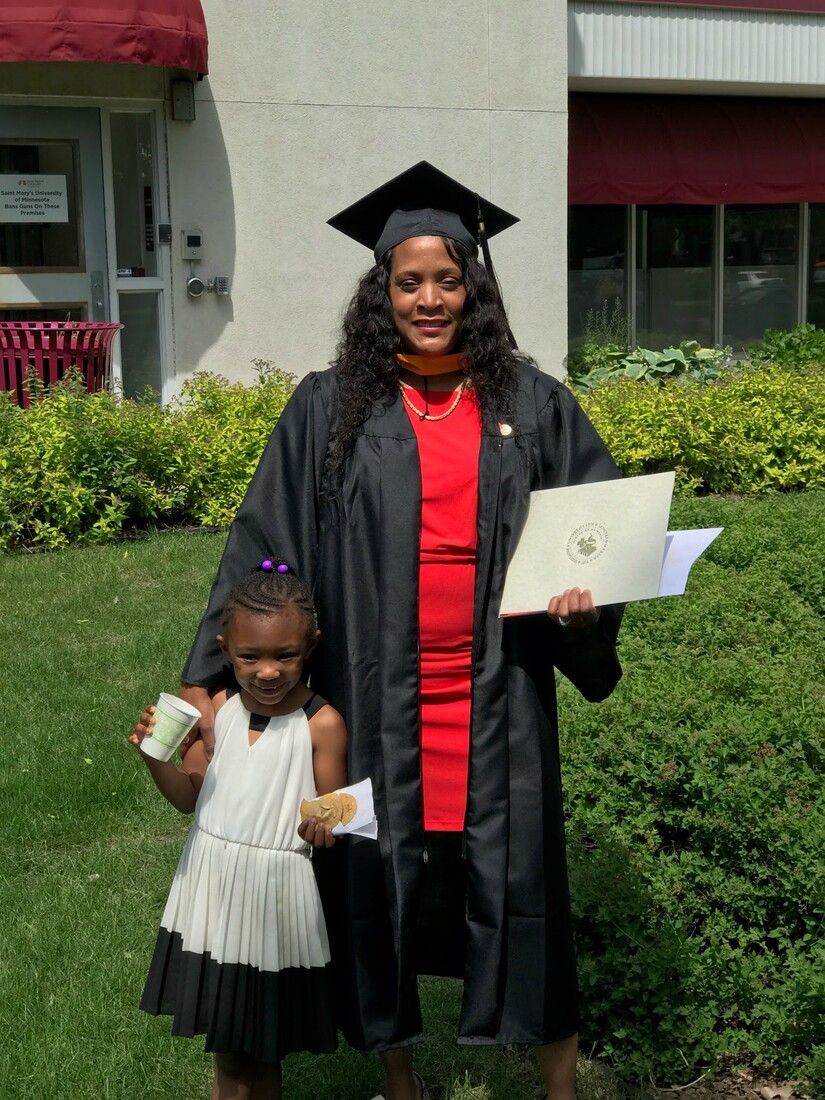
Kirkland moved to Minnesota in March 1999 with three children, following siblings who'd already relocated. She needed income, but she wanted something more durable than a string of jobs.
“I had decided, I need a career,” she said. “I was a single parent at the time, and I was just destined to make a way for me and my children here in the state of Minnesota.”
She hadn't gone straight to college after high school. When she went back as an adult, she did it while working three jobs at once: law enforcement skills training at the old Bandana Square site in St. Paul, classes at Minneapolis Community and Technical College, and shifts as a patient service coordinator on the cardiac renal floor at Hennepin County Medical Center, a fast, unforgiving unit where delay and error mattered immediately.
She changed uniforms three times in a single day, for six to eight months straight. She left home after kissing her sleeping children and came back after they were asleep again. When classmates suggested happy hour or bowling after class, she couldn't join them.
“I needed to get home to my babies,” she said. “And get ready for the next day.”
"Before I became this director that you see today, I was standing in line with WIC checks."
She dates the start of her formal public safety career to 2004. What came before it, the three-job stretch, the case number, the government-center waiting room, never left the way she leads. “My education was important,” she said simply. “Going to college was important.”
Entering law enforcement without forgetting the line
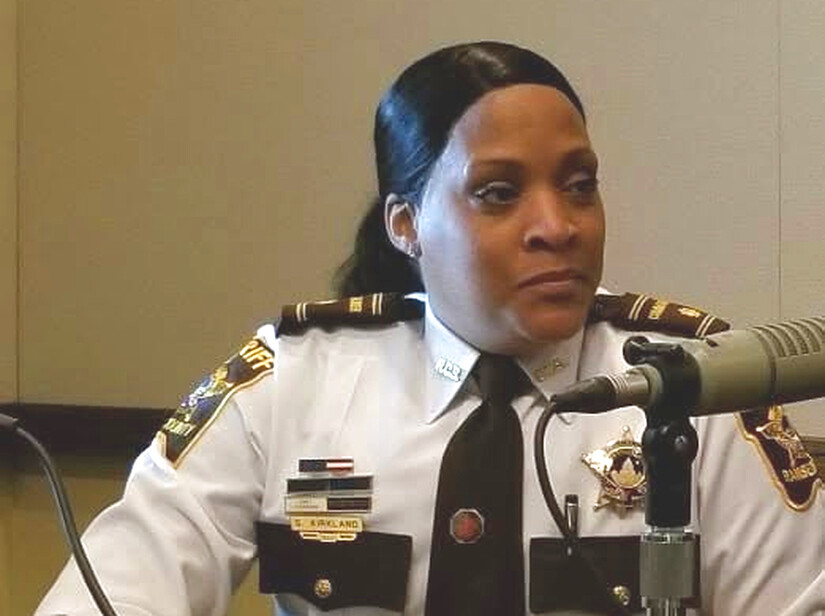
Kirkland's rise placed her inside the same kind of institution that had once entered her home during crisis, and in rooms where almost no Black women had gone before her. She became the first African American woman deputy, sergeant, commander, and executive officer in Ramsey County Sheriff's Office history.
Being first is rarely straightforward. It can mean no predecessor to learn from, ordinary mistakes read as evidence about a whole group, and having to decode the informal networks that quietly govern trust and advancement.
“If they can do it, then I can do it,” she remembers thinking, watching the small number of women ahead of her. Then she extended the logic outward: “If I can do it, then someone else can do it.”
That second sentence is the one that mattered: it turned her own advancement into an obligation to widen the path behind her. She sought mentors and stayed open to hard feedback. “Not avoiding that critical feedback when you need it the most,” she said, describing a discipline that runs against the grain of a profession built to reward certainty, and against the extra scrutiny a Black woman in that profession already carries.
She grounds the ambition in faith, a belief that the “good Lord” placed her in the right place at the right time, not as a guarantee of recognition, but as a reason to keep going when no one is watching. “You're doing it because it's the right thing to do,” she said.
The authority of lived experience
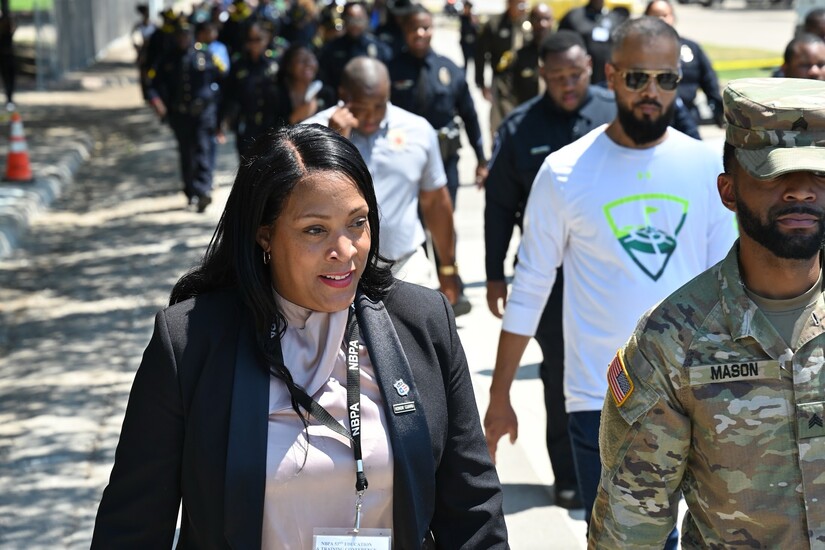
“We are people just like everyone else,” Kirkland said. “We are mothers, we're wives, we're daughters. We're parents. We're community members.” It's a rebuttal to the instinct to treat officers as institutional stand-ins before they're understood as people shaped by class, race, and family.
“It's a different story when you're talking about a system and it's just a technical aspect for you,” she said. “But it's a different feeling when you went through that system.” Someone who has relied on food assistance recognizes the humiliation a careless interaction can cause. Someone who has faced housing insecurity knows a missed appointment often signals a crisis, not indifference. “Those decisions come from deep within,” she said. “They come from years of internal and sometimes external experience.”
In 2019, Kirkland made state history as Minnesota's first African American woman to direct a Community Corrections agency, a field built on probation, parole, juvenile supervision, and the daily reality of poverty, addiction, and family separation.
“We can't do this alone,” she said. “We have to be together. We need to be together. We must stand together.” Trust isn't automatic; in her account it's built by putting people with lived experience at the tables where decisions get made, and giving them real authority once they're there. “You have people in the right places at the right tables,” she said. “You have people who have lived experience who are telling you, ‘This is what we need to do and why,’ but then you have others following that and saying, ‘I believe in you, I trust you.’”
George Floyd and the burden of representing a uniform
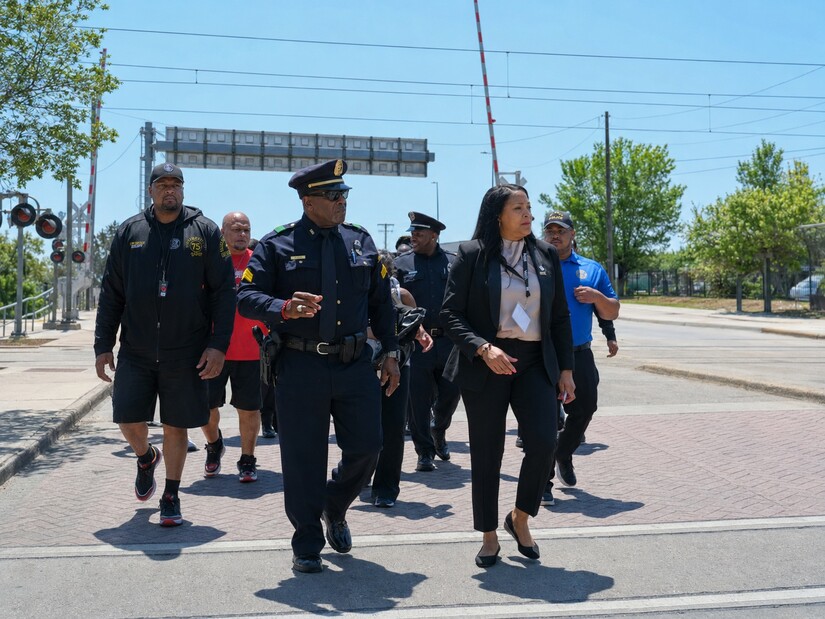
George Floyd's murder on May 25, 2020, forced Minnesota's public safety institutions into a reckoning with global consequences. For Black officers, it carried an added weight: they were asked to do their jobs while grieving an act of police violence against a Black man, facing anger at their own profession from relatives who now saw the uniform through the image of a knee on Floyd's neck.
As president of the Minnesota NBPA chapter, Kirkland became one of the most visible voices for Black and brown officers in the state. “There wasn't a media outlet or a publication that didn't want to speak to Black and brown law enforcement officers in this state,” she recalled.
One interview required a secret meeting location; it became part of the documentary Sins of the City, where Kirkland appeared alongside longtime activist Spike Moss and other law enforcement leaders. She cried through most of the first two hours.
“I felt so responsible,” she said. “At the time, over 10,000 law enforcement officers in this state, and I was just one.” Sheriff's deputies wore brown, city officers wore blue, troopers wore maroon, distinctions that meant nothing to a grieving public. “If you were wearing that uniform, you were one,” she said. Black officers carried a particular dual consciousness: they understood the fear of policing because they or their own children had experienced racial profiling, and they knew colleagues who served with discipline and compassion. Neither identity could be set aside for the other.
Her own children's presence at the protests brought that tension straight into her house. Her neighbors in Rogers, Minnesota, left their outdoor lights on for her every night until she made it home.
“They knew me, Suwana, the neighbor. They knew me, Suwana the mother. They knew me, Suwana the community member,” she said, her voice softening. “To have that community do that for so long was just amazing.”
It took her nearly a year before she could watch the finished documentary. “It was so raw and emotional,” she said. “Those events still touch me to this day. It almost feels like it was yesterday.”
Leading at the national level
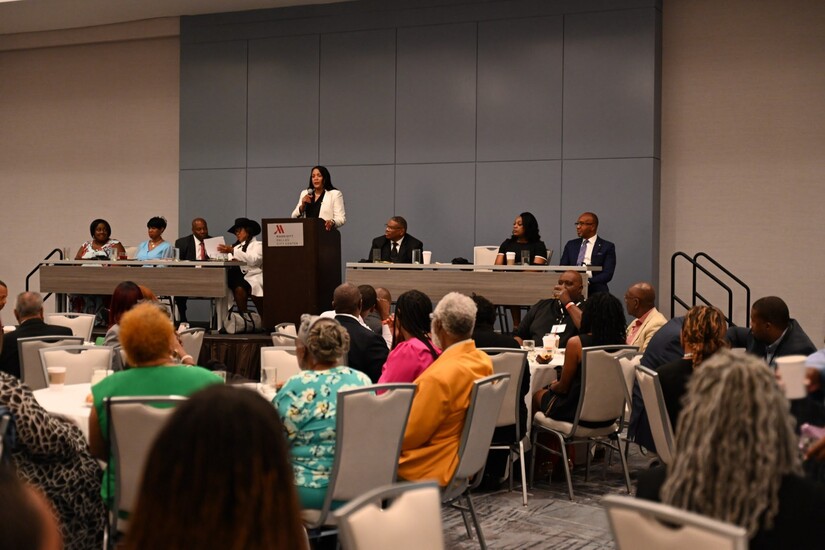
Kirkland's path through the National Black Police Association began in 2014 as a two-year delegate, long before any executive title. The organization gave her training, peer relationships, and models of Black leadership in a profession where isolation is common.
“I reflect back on all the investment that those that I truly love, trust, and respect placed in me,” she said. “All the confidence. All the encouragement. And so I carry that forward.”
Among her mentors: William Finney, the former St. Paul police chief who served three terms under three mayors. “There is not an individual in this state that does not know who he is,” she said. “To have the opportunity to learn under him, to be mentored by him, to just share conversations with him is invaluable.”
That mentorship fed a run for Hennepin County Sheriff. She didn't win, but she counts the campaign itself as a milestone. “To have the opportunity to run for sheriff myself, to know that those qualities lie within me, lie within many of us in this state, it's things like that that I'll never forget,” she said.
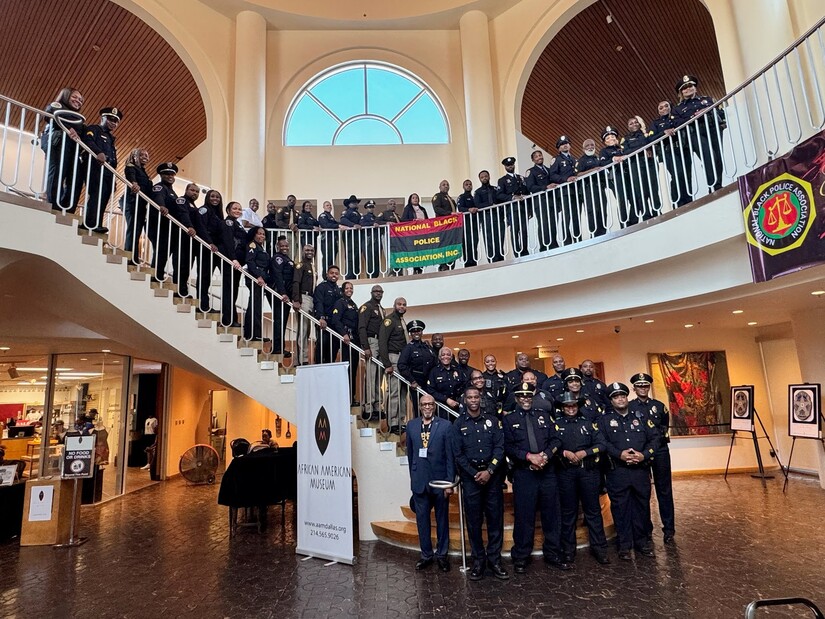
As national chair of the NBPA, she was preparing, at the time of this interview, to travel to Washington, D.C., for Law Enforcement Memorial Week, to stand at the candlelit vigil and read the names being carved into the national memorial wall. “To have the opportunity to actually call names that will be placed on that wall for those officers that have been killed in the line of duty, again, it doesn't get any larger than that in reference to my career in public safety,” she said. “Operating and working at a national level has been one of my greatest honors.”
A career expanded through education: “My life, my story, my journey”
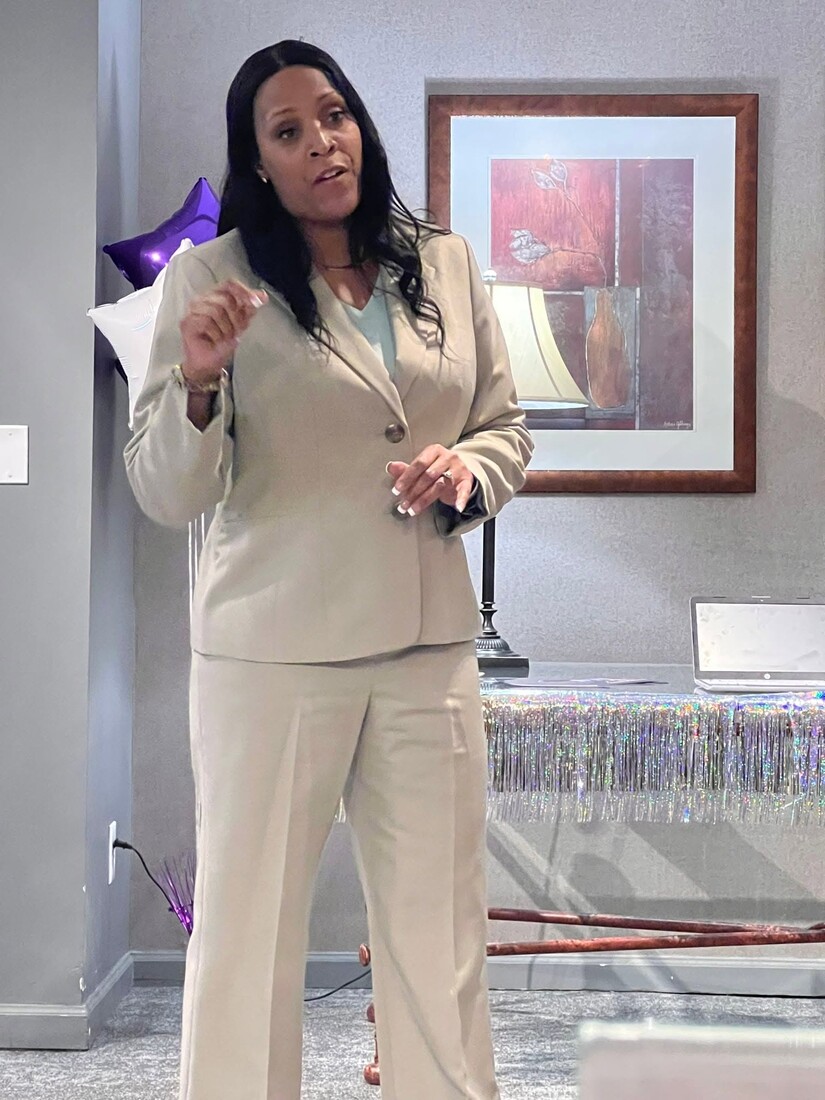
Kirkland earned a bachelor's degree from Saint Mary's University and a master's at the University of St. Thomas in the middle of the pandemic, and has taught as an adjunct professor since 2019.
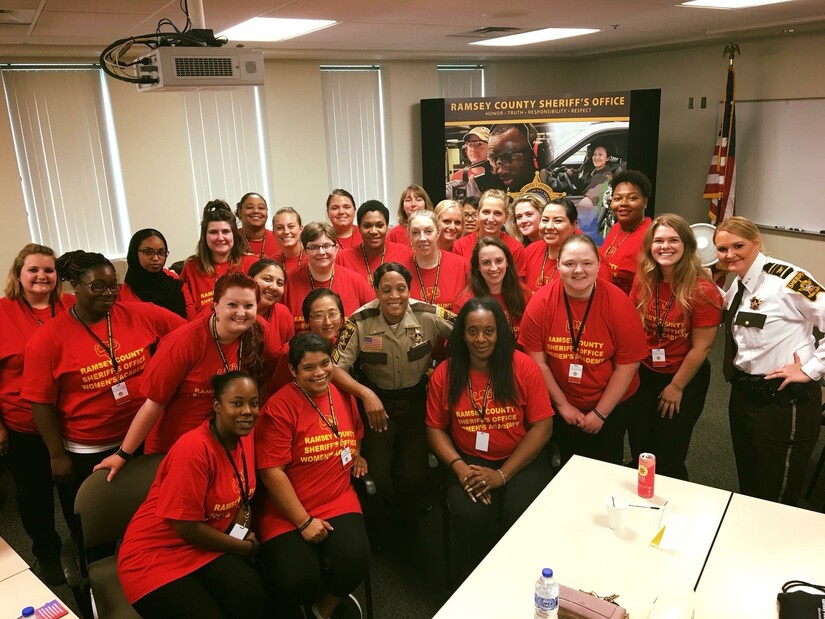
A capstone project at Saint Mary's, carried forward into her graduate work at St. Thomas, grew into the Ramsey County Sheriff's Office Women's Academies, which she built and which ran three successful cohorts under her leadership. Before each day began, she had the women repeat a single line:
"My life, my story, my journey."
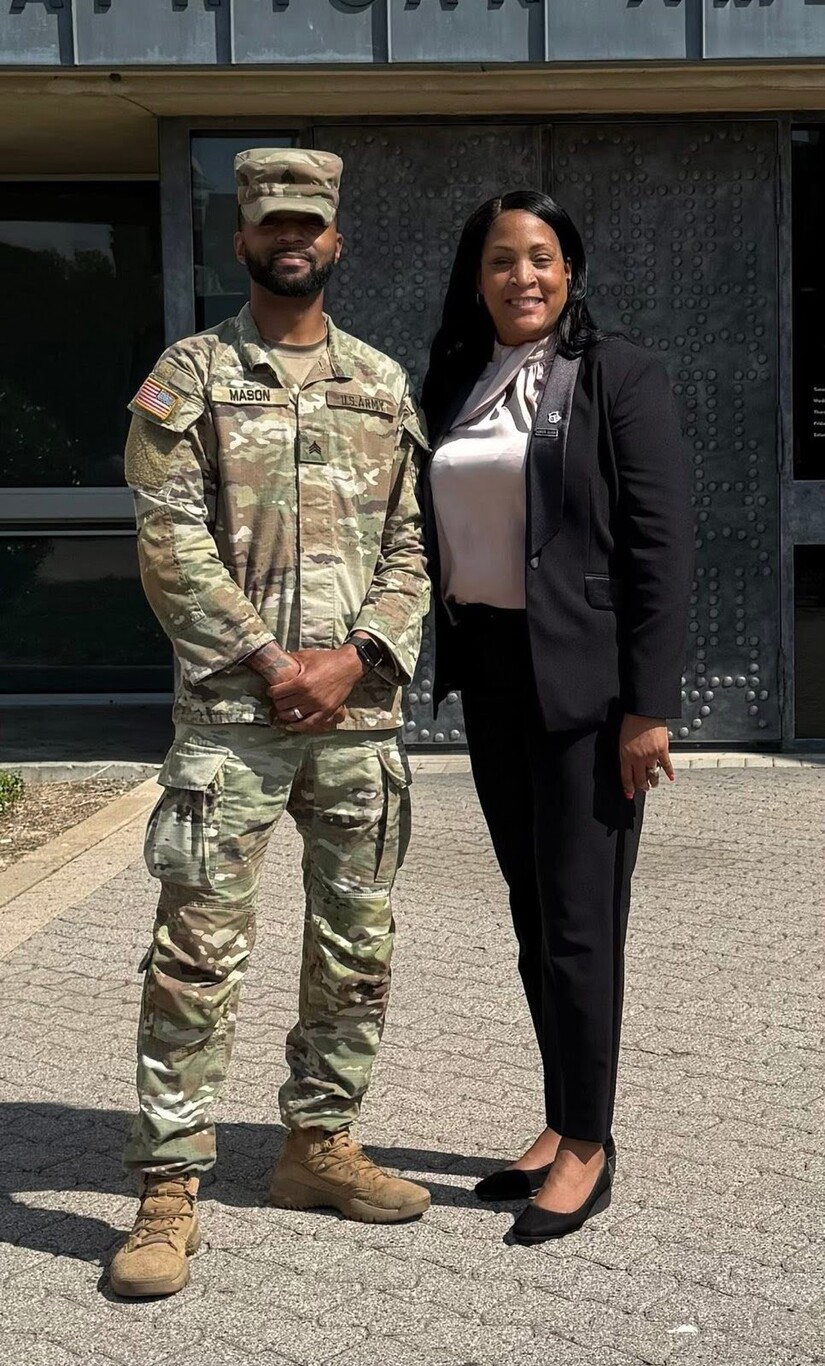
“I would have them repeat that every morning,” she recalled. “You are in charge of you. You don't leave your education up to anyone but you. If your agency doesn't have the money to send you to a training, if it is that important to your career and your success, then you find a way to go. Invest in yourself. If you don't invest in yourself, others will not invest in you.”
Her message to younger women in public service is unadorned: “Don't be afraid to lean in and lean on others. Don't let anybody tell you what you can and cannot do. Be in charge of your journey.” And: “Our journeys are hardly ever conventional. You may come from a family that suffers abuse, or needs county assistance, or lives in Section 8, or you're struggling from paycheck to paycheck and using public transportation because you don't have a reliable car, but you are destined to get to work on time. Those are your journeys. That's your story. Don't be afraid to tell it. Don't be afraid to live it.”
The women who opened the way
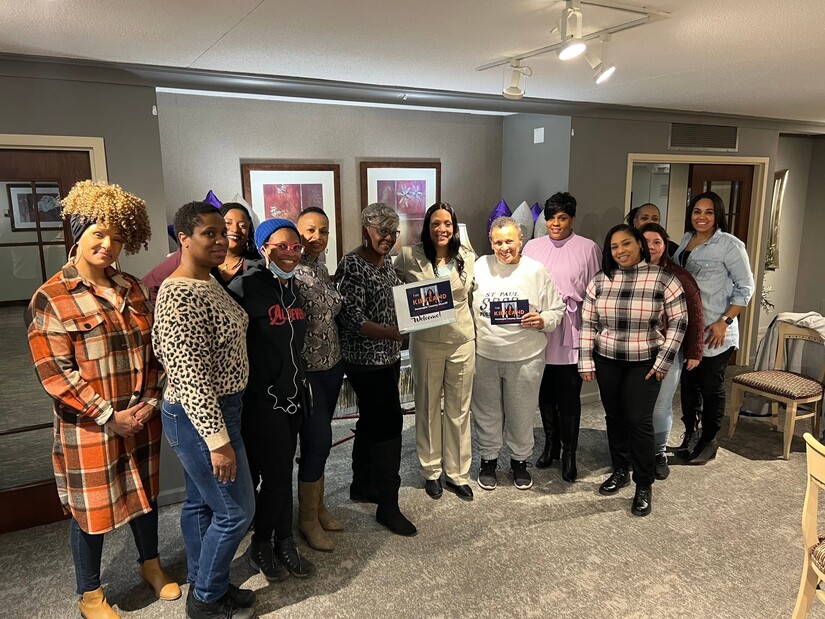
Kirkland resists any version of this story told as solitary accomplishment. Asked which women are shaping Minnesota now, she named colleagues in corrections: Director Monica Long of Ramsey County Community Corrections, and Director Nikki Niles of Olmsted County, the second and third Black women, after Kirkland, to lead a Minnesota corrections agency.
“In one year, we had three women leading corrections agencies,” she said. “We often talk about what must those conversations have been like without someone like us at the table? So now we're not only at the table, but we're leading the tables.”
What gives her hope: “Minnesota shows up and shows out”
“Every time I turn on the TV, every time I look at my social media, or every time I receive an invite to do something, public safety and community are working together,” Kirkland said. “Not only do they want to work together, they know we need to work together. And so that's what gives me hope.”
She points to Minnesotans' resilience through moments of intense strain, including federal ICE actions and public safety crises. “The resilience, the tenacity, the courage that it took for so many to stand in the line of danger, to be willing to sacrifice, that is undeniable when you see perfect strangers doing that for people that look like us,” she said. She recalled a headline from an international interview during the 2020 unrest, The World Was Watching Minnesota, and returns to it now: “I want Minnesota to continue to show up and show out and lead the way: not just for other states, but for other countries, for the world.”
Asked what she hopes to be remembered for in 20 or 30 years, she didn't list a single promotion or title. “My courage. My sense of humor. My authenticity. And just the unconventional path that I had to take to get to where I am.”
The woman behind the legacy
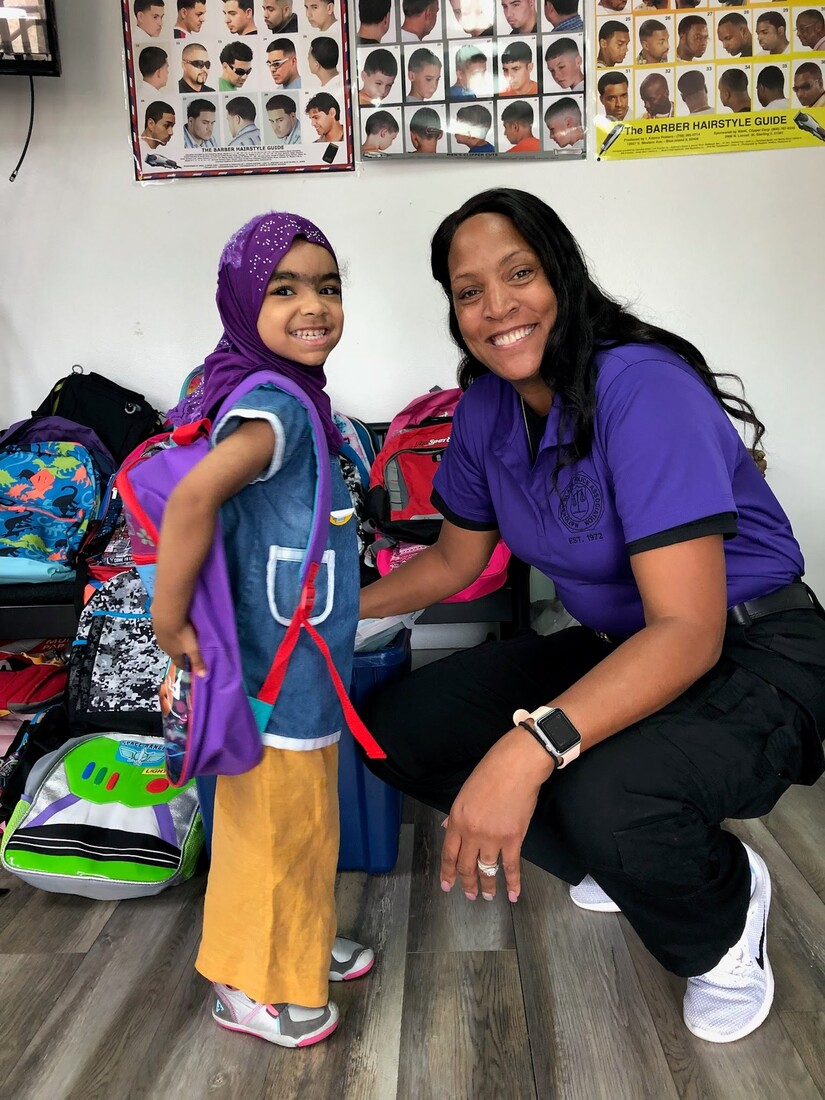
Near the end of the conversation, Kirkland caught herself. “I feel bad because I teared up on you,” she said. But the tears are where the strength is.
Kirkland didn't reach executive authority by leaving those years behind. She got there by bringing all of it into the room with her: the child who once needed police intervention now helps lead public safety systems; the young mother who needed county assistance now directs county corrections. Her message for anyone walking a similarly unconventional path is the one she gave the women in her academies, every morning, before the work began: claim your story, invest in your purpose, don't be afraid to lead.
A résumé compresses a career into a list: deputy, sergeant, commander, executive officer, director, professor, national chair. It doesn't show the child in Beaver Falls listening as police responded to violence against her mother. It doesn't show the single mother changing uniforms three times a day. It doesn't show the woman standing in line with WIC checks. It doesn't show the radio on the kitchen counter that she couldn't switch off, carrying the job home with her long after the shift had ended.
STAY CONNECTED TO MINNEAPOLIMEDIA
Local stories matter. Subscribe free to MinneapoliMedia and receive independent news, community reporting and important updates from Minneapolis, the North Metro and communities across Minnesota.
MinneapoliMedia | Community. Culture. Civic Life.


Sunny, with a high of 85 and low of 49 degrees. Sunny in the morning, overcast in the afternoon and evening, clear overnight.