 68° and Clear
Image
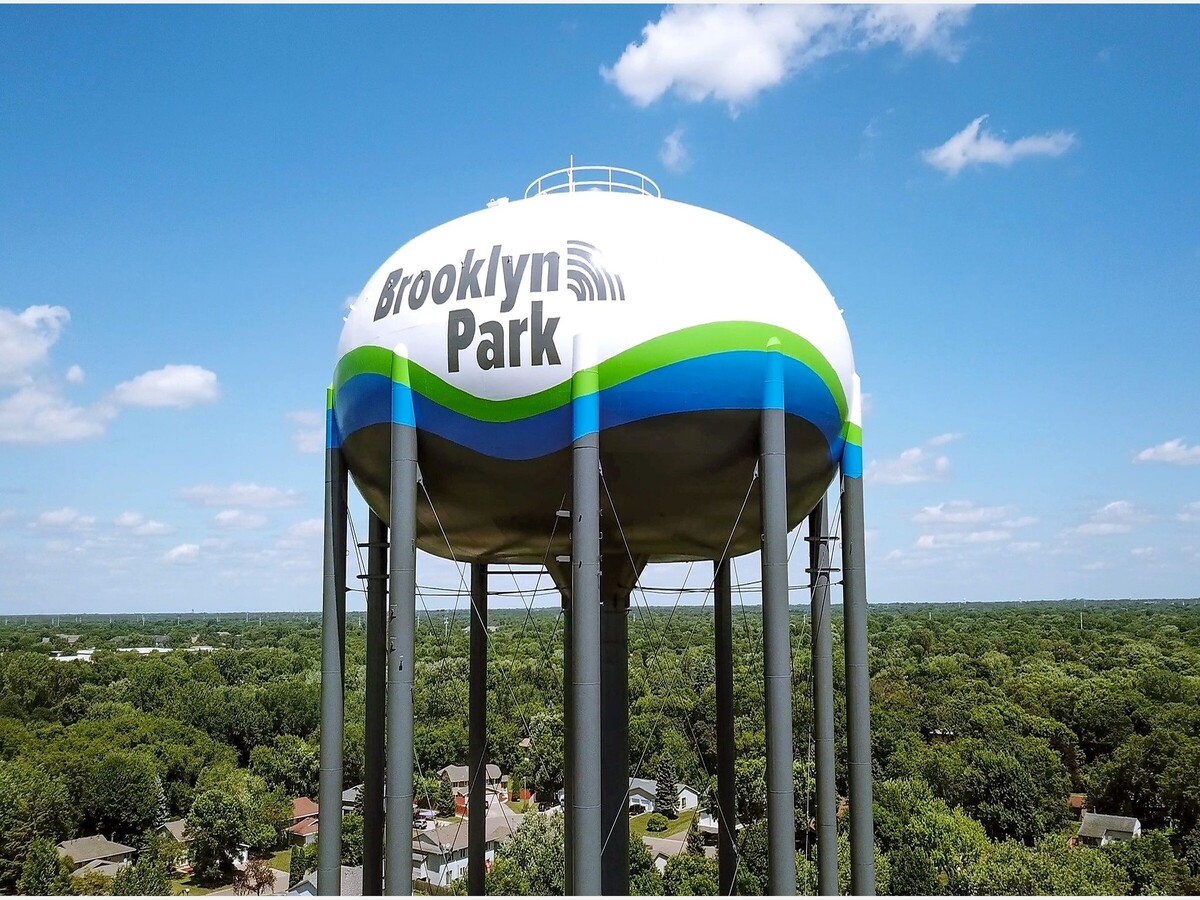



The Brooklyn Boulevard Corridor Plan covers Brooklyn Boulevard between Bottineau Boulevard and Regent Avenue, together with surrounding neighborhoods and publicly owned redevelopment properties.
City officials say the plan is intended to coordinate public infrastructure spending with private development while building upon major regional assets, including Shingle Creek, the Weaver Lake Regional Trail and the planned METRO Blue Line light-rail extension.
“The plan aims to align public and private investments to advance broad community goals,” the draft states.
The planning area connects two locations that have received substantial public attention: the Village area near Shingle Creek and the future Blue Line station area around Brooklyn Boulevard and West Broadway.
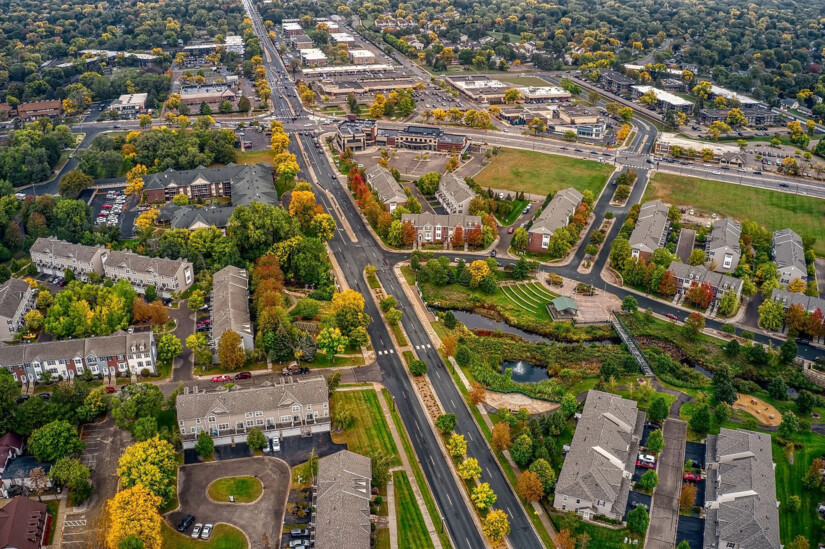
Brooklyn Park’s long-term vision is to create two safer, more walkable districts where residents can live, shop, work and spend time without depending entirely on a vehicle.
The proposal establishes five principal goals:
The Brooklyn Park Economic Development Authority owns approximately 25 acres within the planning area. Those holdings give the city an opportunity to influence how several vacant or underused properties are eventually developed.
The city studied publicly owned properties near Zane, Welcome, Regent and West Broadway avenues to determine what types of housing and commercial development may be financially realistic.
Concepts presented in the draft include apartments, affordable housing, townhomes, ownership opportunities, mixed-use buildings and commercial spaces. Some development alternatives show hundreds of potential housing units, including one concept with approximately 650 units at the Regent site.
Those figures are conceptual planning estimates. The city has not approved construction of 650 units, selected a developer or committed public financing to a particular alternative.
The plan acknowledges that although demand exists for additional housing, construction costs and interest rates currently make new market-rate apartment development difficult without some form of public assistance.
It recommends evaluating development proposals according to their financial feasibility, housing benefits, compatibility with surrounding neighborhoods and need for public subsidies.
The draft describes Brooklyn Boulevard as having a distinctive retail environment shaped by immigrant-owned, culturally diverse and neighborhood-serving businesses.
Rather than adding commercial space indiscriminately, the plan recommends concentrating new retail in visible locations where it can attract sufficient customer traffic. It also calls for supporting existing businesses while evaluating how redevelopment could affect them.
A market analysis commissioned for the planning effort found that the corridor currently has enough retail space to meet demand. The report indicates that substantial new commercial development may not become feasible until additional housing brings more residents and customers into the area.
The plan proposes working with property owners, assisting businesses with available resources and creating public spaces capable of accommodating community activities, food trucks and neighborhood events.
Improving public access to Shingle Creek is another central component of the draft.
The Village Master Plan adopted in 2000 helped turn portions of the creek into a neighborhood amenity while reducing flooding, improving green space and supporting nearby housing development.
The new corridor plan seeks to build upon that work with additional trails, gathering places, creekside development and better connections between Shingle Creek, Village Creek Park and surrounding neighborhoods.
Concepts for the Regent property include townhomes or other ownership housing near the creek, higher-density housing closer to Brooklyn Boulevard, new public streets and possible commercial or restaurant space.
The precise amount and location of any new parkland would require additional study. The draft notes that publicly owned development land may carry financial obligations that must be considered before it is permanently converted into park space.
Brooklyn Boulevard serves pedestrians, bicyclists, transit passengers, motorists and nearby businesses, but the draft identifies several locations where its auto-oriented design creates barriers.
Recommended improvements include:
Some improvements could be implemented within the existing roadway. A complete reconstruction would require coordination with Hennepin County and could take considerably longer.
The plan also recommends exploring an arterial bus rapid-transit connection between the Brooklyn Center Transit Center and a future mobility hub near the Brooklyn Boulevard Blue Line station.
The future METRO Blue Line extension is expected to create a light-rail connection from Minneapolis through Robbinsdale and Crystal to Brooklyn Park.
Brooklyn Park’s draft corridor plan concentrates higher-density housing and mixed-use development near the proposed Brooklyn Boulevard station while recommending lower-density transitions closer to established neighborhoods.
The plan is intended to prepare the city for development interest generated by the transit investment. It does not authorize construction of the Blue Line or change that separate project’s approval and construction process.
The draft, dated August 6, remains open for public review through Sunday, August 30.
Residents, businesses and property owners may:
After the comment period, the plan is expected to proceed through public meetings involving the Brooklyn Park Planning Commission, Economic Development Authority and City Council.
Final adoption has not occurred. Development concepts, housing totals, street improvements and public investments could change as officials evaluate public comments, market conditions, costs and implementation requirements.
Questions may be directed to Senior Planner Cara Donovan at cara.donovan@brooklynpark.org. Residents requiring disability accommodations, alternative formats or language assistance may contact the city at 763-424-8000 or access@brooklynpark.org.

Local stories matter. Subscribe free to MinneapoliMedia and receive independent news, community reporting and important updates from Minneapolis, the North Metro and communities across Minnesota.
SUBSCRIBE FREE: https://minneapolimedia.town.news/subscribe
MinneapoliMedia | Community. Culture. Civic Life


Sunny, with a high of 71 and low of 53 degrees. Sunny in the morning, overcast in the afternoon and evening, clear overnight.


