Image



By the MinneapoliMedia Editorial Board
MINNEAPOLIS, MN (October 5, 2026). October is Domestic Violence Awareness Month, a national observance dedicated to honoring survivors, remembering those whose lives were taken by relationship violence and strengthening the public response to abuse. For MinneapoliMedia, this month must represent more than a ceremonial acknowledgment. It is an opportunity to listen to people whose lives have been controlled by fear, recognize the families carrying permanent loss and examine whether Minnesota provides meaningful protection when someone asks for help.
We pay tribute to survivors who escaped, those rebuilding their lives and those who remain in dangerous circumstances where leaving may not yet be safe or possible. We remember the Minnesotans whose lives were taken and the children, parents, relatives and friends who continue to live with those deaths. We also recognize the advocates, shelter workers, healthcare professionals, educators, law-enforcement officers and community members who respond when violence enters a home.
That tribute carries an obligation. Awareness has little value if it does not lead to safe housing, dependable crisis services, effective court protection, informed law enforcement, prevention education and accountability for people who commit abuse.
Domestic violence does not always announce itself with a visible injury, a police siren or a desperate call for help.
It may begin with demands to explain every conversation, surrender passwords or stop seeing certain friends. It can take the form of a partner controlling the money, interfering with employment, tracking a telephone, threatening a family pet or using children to enforce obedience. The person responsible may apologize after an assault, promise that it will never happen again and then gradually restore the same conditions of fear and control.
From outside the home, relatives and coworkers may see only fragments. A person stops attending family gatherings. An employee becomes unusually anxious about leaving work late. A friend who once made independent decisions begins asking permission before accepting an invitation. Injuries are explained as accidents. Telephone calls are answered in another person’s presence. Plans are canceled without explanation.
Those changes may appear unrelated. Together, they may reveal a person adapting every part of life to avoid provoking someone who has made the home unsafe.
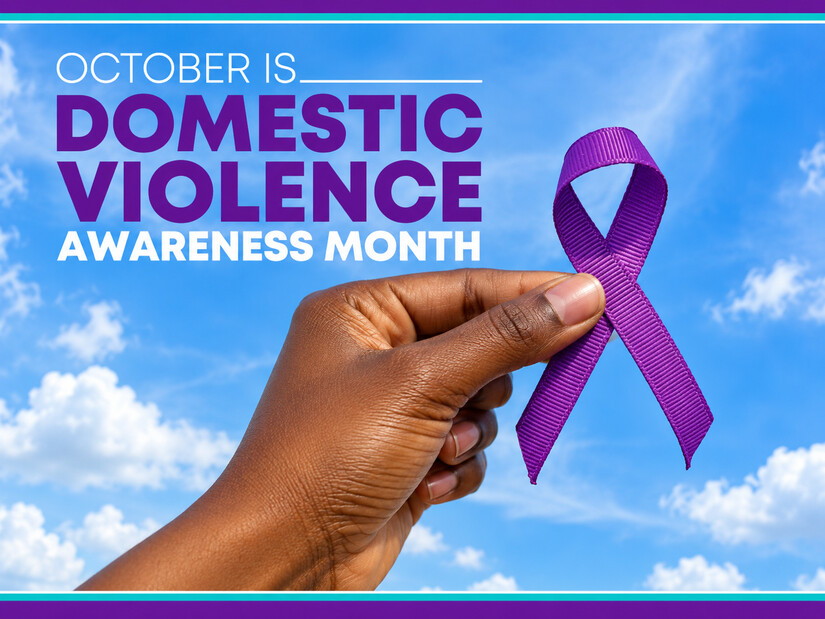
October is Domestic Violence Awareness Month. Police departments, advocacy organizations, elected officials and community groups across Minnesota will share information about warning signs and available services. Buildings will be illuminated in purple. Survivors will tell their stories. Families will remember loved ones who were killed.
Those observances are necessary, but they cannot become a yearly substitute for action.
Violence Free Minnesota reported at least 31 known victims of intimate relationship homicide in Minnesota during 2025. Twenty-seven were killed by current or former intimate partners. One woman was killed by a male acquaintance after rejecting him, one child was killed by her father, and two people were killed while intervening or caught in the violence. By the beginning of October 2026, the organization had identified at least 16 additional domestic violence or intimate partner violence deaths in the state.
The word “known” is important. Minnesota does not have a single government system that comprehensively identifies every intimate partner homicide. Violence Free Minnesota compiles its annual report from public records, news coverage and information submitted to the organization. Its researchers caution that deaths involving Native women, people of color, transgender people, rural residents, people living in poverty and others whose cases receive limited public attention may be undercounted.
The documented deaths are therefore not a complete measure of the harm. They are the most visible outcome of a much larger crisis affecting survivors, children, extended families, schools, workplaces, hospitals, courts and law-enforcement agencies.
Minnesota must treat domestic violence as a sustained public-safety and public-health responsibility, not a private conflict that becomes the community’s concern only after someone is killed.
Domestic violence is frequently misunderstood as a series of arguments that occasionally become physical. That description minimizes the structure of abuse.
Relationship abuse is a pattern of behavior intended to gain and maintain power over another person. Physical assault is one method. Threats, humiliation, sexual coercion, economic restriction, isolation, stalking and technological surveillance can be equally central to the control.
A survivor may be employed and still have no independent access to money. Another may own a telephone but know that every call, search and location is being monitored. A person may technically be free to leave the home while understanding that departure could trigger threats against children, relatives, immigration status, housing or employment.
The absence of a visible bruise does not establish the absence of danger.
The person experiencing abuse often develops a detailed understanding of the abuser’s behavior. The survivor knows which subjects produce anger, which sounds like signal escalation, where the children should go during an incident and whether contacting police is likely to increase immediate danger. What appears to an outsider as indecision may be an effort to calculate risks that the outsider does not have to bear.
That is why the question “Why didn’t the victim leave?” is so damaging.
Leaving can be financially impossible when the abusive partner controls income, transportation, identification documents and access to bank accounts. A shelter may have no available bed. A parent may fear losing custody. An immigrant survivor may have been falsely told that reporting abuse will lead to deportation. A person with a disability may depend on the abuser for daily care. A rural resident may live far from an advocate, courthouse or public transportation.
Separation can also intensify an abuser’s attempt to restore control. A survivor considering departure needs a safety plan, confidential communication, secure housing, legal advice and trusted support. Telling someone to leave immediately without helping that person evaluate the danger can place the survivor at greater risk.
Families and friends should listen without accusation. They should avoid confronting the suspected abuser or disclosing the survivor’s plans. They can offer practical assistance, such as storing important documents, providing transportation, caring for children or pets, and helping the survivor contact a trained advocate from a safe telephone.
The survivor should remain at the center of those decisions whenever immediate circumstances allow. Support that replaces one form of control with another is not support.
Domestic violence rarely confines its damage to two adults.
Children may hear threats from another room, witness an assault or attempt to intervene. They may be used to monitor a parent, carry hostile messages or disclose the survivor’s location. Even when they are not physically attacked, living under continuous tension can affect sleep, school performance, emotional regulation and their understanding of relationships.
Schools need staff members who recognize that sudden absences, declining grades, aggression or withdrawal may reflect conditions at home. Educators should know how to respond without conducting their own investigations, alerting a suspected abuser or making promises they cannot keep.
The same responsibility extends to healthcare professionals. Medical personnel may encounter a survivor during one of the few moments when the controlling partner is not present. Screening must be private, culturally informed and supported by referral procedures that offer more than a telephone number printed on discharge paperwork.
Employers also occupy an important position. Abuse follows people into the workplace through repeated calls, stalking, threats, sabotage of transportation and unexpected appearances. A workplace response should include confidential reporting options, flexible scheduling, security planning and leave policies that do not punish an employee for seeking medical care, attending court or relocating.
Families who lose someone to intimate partner homicide confront a different form of trauma. They may have to explain the death to children, arrange funerals, manage public attention and navigate criminal proceedings while living with unanswered questions. Some blame themselves for warning signs they recognized only afterward. Others had tried for years to help and were powerless to control the offender’s actions.
The responsibility for domestic violence belongs to the person who commits it.
Awareness campaigns must make that point unmistakable. Survivors and grieving relatives should not be assigned responsibility for predicting every escalation, making a perfect escape plan or compensating for failures in systems created to protect them.
Domestic violence calls place police officers in complicated and potentially dangerous situations. Officers may arrive while emotions are high, accounts conflict, children are present and weapons are accessible. The abusive person may appear composed while the victim appears distressed, angry or reluctant to cooperate.
Training must prepare officers to look beyond demeanor.
A survivor may minimize an assault because the offender is nearby, because children depend on the household income or because previous contact with authorities did not produce safety. Trauma can affect memory and the order in which information is recalled. Fear can appear as agitation, detachment or silence.
Officers need to document injuries, damaged property, threats, stalking, strangulation allegations, access to firearms and previous incidents. They should determine whether the conduct reflects an ongoing pattern rather than treating each call as an isolated disagreement.
Minnesota law allows police to make certain domestic-abuse arrests even when the assault did not occur in the officer’s presence. It also requires officers to notify victims about available shelters and services and provide written information about legal remedies, including orders for protection.
Those requirements must be applied consistently. A piece of paper handed to a person in crisis is not enough if officers do not explain what it means, how to reach an advocate or what may happen after the suspected abuser is released.
Communication after an arrest is especially important. Survivors need timely information about release conditions, order service and changes that could affect their safety. Minnesota’s 2026 public-safety legislation requires reasonable efforts to notify petitioners before or immediately after a restraining order is served. That is a practical improvement because service can cause an abusive person to escalate.
Police cannot resolve domestic violence alone. Their immediate responsibility is safety, evidence collection and enforcement. Long-term protection requires coordination with prosecutors, advocates, courts, healthcare providers, schools, probation officers and housing services.
Departments should review repeat calls, high-risk cases and responses that did not prevent subsequent harm. That review should identify missed opportunities without turning a survivor’s choices into the object of blame.
Minnesota law allows a family or household member to petition for an order for protection. Courts can prohibit contact, remove an abusive party from a shared residence, restrict access to the survivor’s workplace, preserve insurance coverage and address possession and protection of companion animals. In circumstances involving immediate and present danger, a court can issue an order without waiting for a full hearing.
These protections are significant, but an order is only as effective as the system enforcing it.
Filing procedures must be understandable. Courthouse personnel should be trained to assist petitioners without offering legal advice they are not authorized to provide. Interpretation, disability access and culturally responsive advocacy must be available. Survivors should not have to choose between missing work and appearing in court, particularly when financial abuse has already placed employment at risk.
Service must occur promptly. Violations must be investigated seriously. Courts and law-enforcement agencies should share accurate information so that an officer responding at night can determine whether an order exists and what it prohibits.
Firearm access also requires close attention. When courts lawfully prohibit possession, enforcement cannot depend entirely on voluntary compliance by a person already accused of intimidation or violence. Procedures for transfer, surrender and verification must be clear, consistent and adequately staffed.
Accountability should include more than short periods of detention followed by a return to the same conditions. Evidence-based intervention programs can be part of the response, but they must not be treated as substitutes for victim safety or criminal accountability. Completion should mean demonstrated participation and behavioral work, not merely attendance.
A survivor cannot secure long-term safety without housing.
Emergency shelters remain indispensable, but Minnesota also needs transitional and permanent housing for people who cannot return home. A survivor who reaches the end of a shelter stay without affordable housing may face homelessness, separation from children or a return to the person who caused the danger.
Violence Free Minnesota’s recent work with culturally specific organizations found recurring needs across different survivor communities: affordable housing, flexible financial assistance, culturally responsive advocacy, healthy-relationship education and improved responses from law enforcement, schools and employers.
Those findings should shape public funding.
Minnesota’s Office of Justice Programs awards approximately $62 million across roughly 175 grantees serving victims of domestic violence, sexual assault, child abuse, gun violence and other crimes. That investment is substantial, but it covers many forms of victim assistance and many organizations. It does not establish that every shelter, crisis line or culturally specific program has enough staff, beds and operating support to meet local demand.
Funding should be stable enough for organizations to hire and retain experienced advocates. Crisis work cannot be sustained responsibly when programs must repeatedly wonder whether a grant will disappear, a position will remain vacant or a shelter will reduce capacity.
The state should publish clearer information about unmet requests for shelter, advocacy and legal assistance. Policymakers cannot determine whether the system is adequate by counting only the people who received services. They must also count those who sought help and found no space, no attorney, no interpreter or no safe housing option.
Public funding should support organizations serving Black, Indigenous, immigrant, refugee, LGBTQ+ and disabled survivors. A person is more likely to seek help when services are linguistically accessible, culturally informed and able to address concerns involving immigration, discrimination, community isolation or distrust of government systems.
Esperanza United, for example, operates a confidential bilingual crisis line and provides emergency shelter and community-based advocacy for Minnesota’s Latin American communities. Its work illustrates why a statewide response requires specialized programs as well as general services.
Minnesota’s Safe at Home program also provides a substitute mailing address for eligible survivors of domestic violence, sexual assault and stalking who need to keep their actual location confidential. Address protection is not a complete safety plan, but it can reduce the risk that public records will reveal where a survivor has relocated.
A state that concentrates almost entirely on emergency response is intervening too late.
Schools should provide age-appropriate education about consent, boundaries, jealousy, digital surveillance and healthy disagreement. Young people need to understand that demands for passwords, constant location sharing and isolation from friends are not proof of love. They are warning signs of control.
Education should help students recognize abuse in their own relationships and among peers. It should also teach them how to seek help without exposing another student to retaliation.
Prevention must address people who cause harm as well. Boys and young men should not receive messages suggesting that anger, possession and dominance are natural features of masculinity. Adults should challenge controlling behavior before it escalates rather than dismissing it as a private relationship problem.
Public campaigns should be specific. “Raise awareness” is too vague if people do not know what to notice or how to respond. Communities need practical guidance about financial abuse, stalking, strangulation, digital monitoring, threats involving children and the risks associated with separation.
Faith communities, cultural organizations, barbershops, salons, healthcare clinics, sports programs and workplaces can help distribute that information. Their leaders should receive training from qualified advocates rather than being expected to handle dangerous situations independently.
Prevention also requires economic policy. Paid leave, affordable child care, accessible transportation and emergency financial assistance can determine whether a survivor has a viable exit. Domestic violence policy cannot be separated from housing and economic security.
Domestic Violence Awareness Month gives Minnesota a public opportunity to listen to survivors, remember those who were killed and examine whether existing systems are working.
That examination should continue after October.
The Legislature should require transparent reporting on shelter availability, unmet service requests, protection-order processing, repeat domestic-violence calls and intimate partner homicides. State and local agencies should identify where survivors encounter delays and where coordination fails.
Law-enforcement agencies should receive continuing training grounded in coercive control, trauma, strangulation risk, stalking and evidence-based investigation. Prosecutors and courts should have sufficient staffing to move cases without dangerous delays. Schools, hospitals and employers should maintain response protocols developed with advocacy organizations.
Most importantly, Minnesota should guarantee that a person seeking safety can reach an advocate, find emergency shelter and obtain help navigating the legal system regardless of income, disability, language, immigration status, gender, sexual orientation or location.
Domestic violence is not inevitable. It persists when warning signs are normalized, survivors are isolated, services are unstable and people who use violence encounter no meaningful intervention.
The 31 people identified in Minnesota’s 2025 homicide report should not be remembered only as evidence of a crisis. They were parents, children, relatives, friends, coworkers and neighbors. The 16 known deaths recorded during 2026 by the beginning of October represent another warning that Minnesota’s response remains incomplete.
Awareness is a beginning. It teaches communities to recognize the danger and survivors to understand that the abuse is not their fault.
The measure of Minnesota’s commitment, however, is what happens after someone asks for help.
A survivor should reach a trained person, not a full voicemail box. A family should find an available shelter, not another waiting list. A protection order should produce action, not false reassurance. A child who discloses violence should encounter adults prepared to respond safely. A person leaving an abusive home should have a realistic path toward housing and financial stability.
Minnesota must build that path and keep it open throughout the year.
During Domestic Violence Awareness Month, Minnesota should honor survivors through more than purple ribbons, proclamations and public statements. It should honor them by ensuring that asking for help produces an immediate, competent and compassionate response. October gives the public a reason to focus, remember and recommit. The responsibility to prevent abuse, protect survivors and hold offenders accountable continues every day of the year.
If you or someone else is in immediate danger, call or text 911 when it is safe to do so.
The Minnesota Day One Crisis Line provides free and confidential assistance throughout Minnesota 24 hours a day. Call 1-866-223-1111, text 612-399-9995, or use the confidential online chat at Day One Services. Interpreters are available.
Esperanza United operates a confidential, bilingual English-Spanish crisis line at 651-772-1611, available 24 hours a day.
The National Domestic Violence Hotline is available at 1-800-799-SAFE (7233). Survivors can text START to 88788 or use the confidential chat at TheHotline.org. www.thehotline.org
If a telephone or internet connection may be monitored, use a safer device when possible and consult a trained advocate before changing settings or deleting information that could alert the person monitoring the device.

Local stories matter. Subscribe free to MinneapoliMedia and receive independent news, community reporting and important updates from Minneapolis, the North Metro and communities across Minnesota.
SUBSCRIBE FREE: https://minneapolimedia.town.news/subscribe
MinneapoliMedia | Community. Culture. Civic Life



Overcast, with a high of 57 and low of 49 degrees. Overcast in the morning, patchy rain nearby overnight.